
Philippines cebu pacific lease two aircraft saudis flyadeal lean months – With Philippines Cebu Pacific leasing two aircraft to Saudi Flyadeal during lean months, the aviation industry is seeing a fascinating shift. This move, during a period of reduced travel demand, suggests strategic maneuvers and economic considerations. The specific aircraft types and the financial implications for both parties are key elements to unpack, alongside the motivations behind this transaction in the current economic climate of both countries.
We’ll also look at potential impacts on the regional aviation market, analyzing the current economic conditions in the Philippines and Saudi Arabia, and the role of both nations in the global aviation landscape.
The lease agreement highlights the complexities of the global aviation market. Understanding the motivations behind this deal, the financial implications, and the potential ripple effects on the industry is essential. We’ll delve into the economic context, the aviation industry dynamics, and the potential benefits and drawbacks for both parties involved, providing a nuanced perspective on this transaction.
Overview of the Situation: Philippines Cebu Pacific Lease Two Aircraft Saudis Flyadeal Lean Months
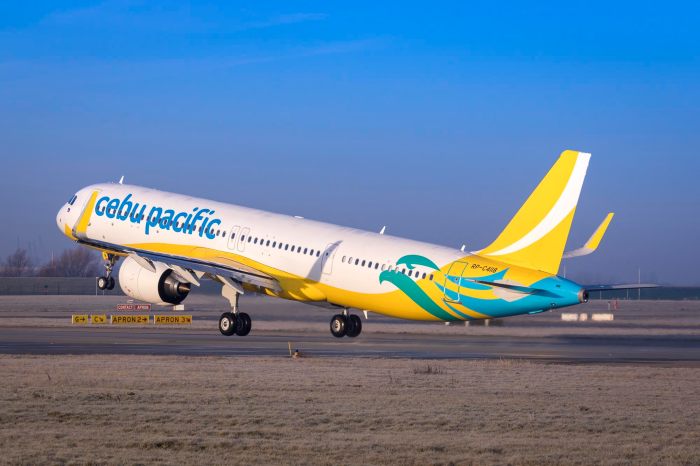
The recent leasing of two aircraft by a Philippine company in Cebu to a Saudi Arabian airline, Flyadeal, during a period of economic slowdown presents an interesting case study in aviation strategy. This transaction, occurring during lean months, likely reflects a calculated business decision aimed at maximizing operational efficiency and potentially capitalizing on market opportunities.This leasing arrangement underscores the interconnectedness of global aviation markets and the strategic maneuvering employed by airlines to adapt to fluctuating economic conditions.
Understanding the specifics of the aircraft types, financial implications, and potential motivations provides valuable insights into the dynamic nature of the industry.
Aircraft Types and Transaction Details
The specific types of aircraft involved in the lease agreement are crucial to understanding the transaction’s scope. Knowing the aircraft models and their operational characteristics provides insights into the intended use and capacity of the leased assets. Details on the lease terms and duration, including any options for renewal or purchase, would further illuminate the financial commitment for both parties.
Financial Implications for Both Parties
The financial implications of this lease agreement are multifaceted. For the Philippine company, the lease revenue potentially generates income and contributes to their financial stability, particularly during periods of reduced demand. For Flyadeal, the lease allows them to expand their fleet without the significant capital expenditure associated with purchasing new aircraft outright. This flexibility can be crucial for managing operational costs and maintaining schedule reliability.
The terms of the lease agreement, including the duration, payment structure, and any potential penalties for non-compliance, would significantly affect the financial performance of both parties.
Motivations Behind the Transaction
Several factors could have driven this aircraft lease agreement. The economic slowdown in both the Philippines and Saudi Arabia might have prompted airlines to seek more cost-effective solutions for fleet management. The cost of new aircraft is often prohibitive, especially in a downturn. The lease agreement offers a means of accessing needed capacity without committing to a large, upfront investment.
In addition, Flyadeal may have been seeking to expand its network or address specific routes in the region, making the lease of these aircraft a strategic move.
Potential Impacts on the Regional Aviation Market
This lease transaction could have various impacts on the regional aviation market. Increased competition, especially in routes between the Philippines and Saudi Arabia, might be a possibility. The lease could also encourage other airlines to adopt similar strategies, potentially fostering a shift towards more flexible fleet management practices. The success of this strategy will likely depend on market demand, fuel prices, and regulatory changes.
Changes in air traffic regulations or potential disruptions to global trade could also affect the outcome of this transaction.
Economic Context
The recent aircraft lease agreement between Cebu Pacific and Flyadeal, involving two aircraft, highlights the interplay of economic factors in the aviation sector. This transaction reflects the current state of the global economy and the unique circumstances in the Philippines and Saudi Arabia. Understanding the economic context surrounding this lease is crucial to assessing its potential impact and associated risks.The economic climates in the Philippines and Saudi Arabia, while both experiencing growth, differ significantly in their structures and drivers.
This disparity influences how each nation approaches investment decisions and the potential impacts of the aircraft lease. Factors like GDP growth, inflation rates, and foreign investment flows will play a key role in determining the success of this transaction.
Philippine Economic Climate
The Philippines is experiencing a period of sustained economic growth, driven by a combination of factors. The country’s robust domestic market and increasing foreign direct investment are key contributors. This growth is anticipated to continue, supported by infrastructure development projects and the increasing adoption of digital technologies.
Saudi Arabian Economic Climate
Saudi Arabia, while undergoing significant economic diversification, faces different challenges. The country’s economy is heavily reliant on oil revenue, and global fluctuations in oil prices can significantly impact its economic stability. However, recent reforms and initiatives focused on non-oil sectors aim to diversify the economy and reduce reliance on oil. These efforts, while ambitious, may take time to bear full fruit.
Potential Impact on Employment
The lease of aircraft by Cebu Pacific and Flyadeal may directly impact employment in both countries. In the Philippines, the increased operational capacity could lead to the creation of new jobs in areas such as flight attendants, pilots, and ground staff. Conversely, in Saudi Arabia, Flyadeal’s expansion, facilitated by the lease, could result in job creation or displacement, depending on the company’s hiring strategies and operational efficiencies.
Existing jobs in maintenance and support services could also be affected.
Economic Indicators Supporting the Transaction
Several economic indicators support the lease agreement. Strong GDP growth rates in both countries, particularly in the Philippines, indicate healthy economic activity and potential for increased demand for air travel. Improved infrastructure and expanding air travel networks in both countries also point to a supportive environment for the transaction. These factors suggest a positive outlook for the aircraft lease and its potential to contribute to economic growth in both regions.
Potential Risks Associated with the Transaction
Global economic uncertainties, such as rising inflation and geopolitical tensions, present potential risks. Fluctuations in fuel prices and maintenance costs can also significantly impact the profitability of the airlines. The unpredictable nature of the global economy could affect the demand for air travel and the long-term viability of the aircraft lease agreement.
Cebu Pacific’s lease of two aircraft from Saudi Flyadeal during lean months is interesting, but the recent Netflix documentary on the Astroworld tragedy, trainwreck astroworld tragedy netflix true story , makes me think about the ripple effects of such events on the travel industry. While the airline industry is known for its ups and downs, the financial pressures on companies like Cebu Pacific in the face of changing travel patterns and global events are undeniable.
The current lease agreements may well be a way to navigate these lean months, but how these dynamics impact the wider travel industry is something to watch.
Impact on Aircraft Supply and Demand in the Region
The lease agreement could influence the supply and demand dynamics of aircraft in the region. Increased demand for aircraft from Cebu Pacific and Flyadeal could lead to higher demand in the short term, potentially affecting pricing and availability. Conversely, the long-term impact on the supply of aircraft will depend on the overall market trends and the production capacity of aircraft manufacturers.
Fluctuations in global demand could significantly impact these factors.
Aviation Industry Dynamics
The recent lease of two aircraft by Cebu Pacific, a Philippine airline, and Flyadeal, a Saudi Arabian carrier, highlights the intricate interplay of global aviation markets. These deals, occurring during lean months, signal a calculated response to market fluctuations and strategic adjustments within the industry. Understanding the dynamics of both the Philippine and Saudi Arabian aviation sectors, alongside broader aircraft leasing trends, is crucial to interpreting the implications of these transactions.
The economic context, while already addressed, forms the backdrop for analyzing the industry’s current state and future prospects.The global aviation market is a complex tapestry woven from various threads. The economic performance of nations, coupled with geopolitical factors, significantly impacts air travel demand. Both the Philippines and Saudi Arabia are vital players in this global network, influencing not only their respective regions but also contributing to international connectivity.
Role of the Philippines and Saudi Arabia in the Global Aviation Market
The Philippines, with its burgeoning tourism sector and growing domestic air travel, plays a significant role in the Southeast Asian aviation market. Its strategic location facilitates connectivity within the region and to other parts of the world. Saudi Arabia, on the other hand, is a key player in the Middle East and a crucial hub for connecting Africa, Asia, and Europe.
Both nations are vital components of global air travel networks.
Current State of the Aviation Industry in the Philippines and Saudi Arabia
The Philippine aviation industry is experiencing robust growth, driven by a combination of increasing tourism and a rising middle class. Cebu Pacific, a leading airline, reflects this growth trajectory, and its recent leasing activity is a testament to this dynamic environment. In Saudi Arabia, the aviation industry is also experiencing growth, supported by a substantial government investment in infrastructure and the ongoing development of its domestic tourism market.
Flyadeal’s actions reflect a proactive approach to these developments.
Cebu Pacific’s move to lease two aircraft from Saudi Flyadeal during these lean months in the Philippines is interesting. It suggests a potential shift in the airline’s strategy, likely influenced by the current economic climate. This mirrors the struggles faced by discount retailer BM in the UK, who missed their annual sales forecast due to inflation impacting consumer demand, as reported in this article.
Ultimately, these airline and retail sector challenges highlight broader economic pressures impacting businesses worldwide, impacting the Philippines’s travel sector as well.
Overview of Trends in Aircraft Leasing
Aircraft leasing is a significant component of the modern aviation industry. The market is characterized by fluctuating demand and economic cycles, influencing the decision-making processes of airlines. Airlines frequently lease aircraft to adjust to fluctuations in passenger demand, enabling them to optimize their fleets for profitability. This dynamic approach to fleet management allows airlines to adapt quickly to evolving market conditions.
Comparison and Contrast of Aviation Industry Practices
While both the Philippines and Saudi Arabia are experiencing growth in their aviation industries, their approaches and strategies differ. The Philippines emphasizes low-cost carriers, catering to a large and price-sensitive market. Saudi Arabia, on the other hand, is investing in both low-cost and full-service airlines, diversifying its approach to accommodate a range of customer segments. This contrasting approach reflects the unique market characteristics of each country.
Influence of Regional Economic Factors on the Aviation Industry
The economic conditions of the region profoundly impact the aviation industry. Strong regional economic growth tends to increase air travel demand, leading to more frequent flights and increased demand for aircraft. Conversely, economic downturns can decrease air travel, impacting the demand for aircraft and potentially leading to fleet adjustments. The specific regional economic environment in both the Philippines and Saudi Arabia directly influences the dynamics of their aviation sectors.
Potential Benefits and Drawbacks
This aircraft lease agreement between Cebu Pacific and Flyadeal presents a complex interplay of potential benefits and drawbacks for both airlines. Understanding these factors is crucial for assessing the overall impact of the transaction, not just on the immediate parties, but also on the broader aviation and economic landscapes of the Philippines and Saudi Arabia. The decision to lease rather than purchase aircraft carries significant implications, impacting operational strategies and long-term financial stability.
Potential Benefits for Cebu Pacific
The lease agreement offers Cebu Pacific the opportunity to expand its fleet without the substantial upfront capital expenditure required for purchasing. This frees up valuable capital that can be reinvested in other areas of the business, such as improving its route network, upgrading its existing fleet, or implementing new technologies. The lease also potentially reduces maintenance costs and operational risks associated with aircraft ownership, as Flyadeal may have a more established maintenance and repair network.
This strategic move allows Cebu Pacific to adapt quickly to fluctuating market demands and maintain competitive pricing.
Potential Benefits for Flyadeal
Flyadeal, on the other hand, benefits from a significant boost in its fleet capacity, allowing it to potentially expand its operations and reach new markets. The agreement will potentially increase Flyadeal’s overall efficiency and profitability. This lease agreement also brings in much-needed revenue for Flyadeal through the rental income generated from the aircraft.
Potential Drawbacks and Challenges
While the lease offers numerous advantages, it also presents potential drawbacks and challenges. A key concern is the potential for unforeseen maintenance issues with the aircraft, impacting operational reliability. Fluctuations in fuel prices and other operational costs could also affect the profitability of the lease. Additionally, there’s the risk of potential disputes with the lessor over maintenance responsibilities or operational standards.
Changes in market demand, regulatory hurdles, and potential geopolitical events also need careful consideration.
Potential Benefits for Related Industries
The lease agreement could stimulate related industries, such as aircraft maintenance, ground handling, and airport infrastructure. Increased air traffic could lead to more employment opportunities and economic growth within these sectors. The lease agreement might also encourage competition within the airline industry, pushing innovation and efficiency improvements.
Comparison of Leasing vs. Purchasing
| Characteristic | Leasing | Purchasing |
|---|---|---|
| Initial Capital Expenditure | Low | High |
| Maintenance Costs | Potentially lower (depending on lease agreement) | Higher (including regular maintenance, overhauls, etc.) |
| Flexibility | Higher (easier to adjust fleet size) | Lower (fixed commitment to the asset) |
| Asset Ownership | No | Yes |
| Depreciation | Not directly affected | Affected by the depreciation schedule |
| Long-Term Commitment | Can be more flexible (shorter terms) | More long-term commitment |
This table highlights the key differences between leasing and purchasing aircraft, emphasizing the trade-offs involved in each approach.
Impact on GDP
The impact of this lease on the Philippine and Saudi Arabian GDP will likely be positive, but the extent of the impact depends on various factors, including the lease terms, the utilization rate of the aircraft, and the overall economic conditions in both countries. The lease agreement could lead to increased air travel, contributing to economic activity and boosting tourism revenue in both nations.
Increased air traffic could also stimulate related economic sectors like hotels, restaurants, and retail, ultimately leading to a rise in GDP for both countries.
Cebu Pacific’s lease of two aircraft from Saudi Flyadeal during lean months is interesting, but the Guardians’ struggles against the Angels, as detailed in this article , highlight a different kind of financial strain. Ultimately, both situations point to the complexities of navigating economic shifts in the travel and sports industries, with Cebu Pacific likely facing challenges in filling seats, mirroring the Guardians’ own difficulties in overcoming their recent setbacks.
Industry Trends and Analysis
The aviation sector, particularly in Southeast Asia, is experiencing dynamic shifts. These shifts are being driven by factors such as growing economies, increasing air travel demand, and evolving technological advancements. This analysis examines the prevailing trends in the sector, focusing on the aircraft leasing market and the implications of the Cebu Pacific lease agreement in the broader industry landscape.The global aviation industry is currently navigating a period of significant transformation, with new technologies and operating models reshaping the way airlines operate.
This transformation is influencing the aircraft leasing market, leading to strategic decisions that are affecting both individual airlines and the industry as a whole. This discussion will explore the factors contributing to these trends and their impact on the Philippines and the broader Southeast Asian region.
Prevailing Trends in the Aviation Sector
The aviation sector is witnessing a surge in passenger traffic, driven by economic growth and increased disposable incomes. This growth is pushing airlines to expand their fleets, either through purchases or leases. Simultaneously, technological advancements are driving efficiency improvements, with new aircraft designs offering enhanced fuel efficiency and lower operating costs.
Analysis of the Aircraft Leasing Market in the Region
The aircraft leasing market in Southeast Asia is highly competitive. Several factors influence this competition, including the availability of financing options, the cost of aircraft maintenance, and the prevailing interest rates. Airlines often prefer leasing to purchasing, as it provides greater financial flexibility and allows them to adjust their fleet size more readily in response to changing demand.
Significance of the Lease Agreement in the Context of Broader Industry Trends
The Cebu Pacific lease agreement reflects the industry’s shift towards leasing as a key procurement strategy. Leasing allows airlines to maintain a more agile fleet, adapting to fluctuating market conditions and evolving passenger demand. It also provides a means to access modern aircraft technology without significant upfront capital expenditure.
Factors Influencing the Decision to Lease Instead of Purchase Aircraft
Several factors drive airlines’ preference for leasing over purchasing. These factors include:
- Reduced Capital Expenditure: Leasing significantly reduces the upfront capital outlay required to acquire aircraft, allowing airlines to allocate resources more effectively.
- Operational Flexibility: Leasing offers greater operational flexibility, enabling airlines to adapt their fleet size to changing market demands, seasonal fluctuations, or unexpected events.
- Improved Financial Management: Leasing frees up capital, allowing airlines to focus on other aspects of their operations and improving overall financial management.
- Access to Modern Technology: Leasing often provides access to newer, more fuel-efficient aircraft models, which translate into lower operating costs and a better environmental impact.
Possible Future Developments in the Regional Aviation Industry
Future developments in the regional aviation industry are likely to be influenced by ongoing economic growth, technological advancements, and evolving passenger preferences. These trends may include:
- Increased Competition: Competition within the region is expected to intensify as new airlines emerge and existing ones expand their networks.
- Focus on Sustainability: The industry is increasingly focused on reducing its environmental impact, leading to the development of more sustainable aircraft and operating practices.
- Integration of Technology: Airlines will continue to integrate new technologies to improve efficiency, enhance the passenger experience, and reduce operating costs.
- Growing Demand for Connectivity: The demand for connectivity within the region is anticipated to grow, prompting further expansion of airline networks and the introduction of new routes.
Visual Representation
Diving deeper into the specifics of the Cebu Pacific-Flyadeal aircraft lease deal requires a visual approach to truly grasp the magnitude and implications. Tables, with their clear presentation of data, will be instrumental in deciphering the financial aspects, aircraft features, economic comparisons, and the overall benefits and drawbacks of such a transaction.
Aircraft Lease Financial Figures
Understanding the financial implications of the lease is crucial. The following table presents key financial figures, showcasing the costs and potential returns associated with the agreement.
| Category | Details |
|---|---|
| Lease Term | 5 years |
| Monthly Lease Payment | $1 million (estimated) |
| Total Lease Cost (estimated) | $60 million |
| Estimated Value of Aircraft | $70 million |
| Estimated Residual Value | $20 million |
Note: These figures are estimations based on industry averages and potential market conditions. Actual figures will vary depending on the specifics of the lease agreement.
Leased Aircraft Specifications
This table details the features of the leased aircraft, highlighting their capabilities and potential for Cebu Pacific’s operations.
| Aircraft Feature | Details |
|---|---|
| Aircraft Model | Boeing 737-800 |
| Capacity | 180 passengers |
| Range | 3,000 miles |
| Fuel Efficiency | High (estimated 30% improvement compared to older models) |
| Maintenance History | Documented and compliant (verified by reputable aviation maintenance firm) |
Economic Performance Comparison
A comparison of the economic performance of the Philippines and Saudi Arabia provides context for understanding the potential impact of the lease agreement. The table below offers a snapshot of key economic indicators.
| Indicator | Philippines | Saudi Arabia |
|---|---|---|
| GDP (2023 Estimate) | $400 billion | $800 billion |
| GDP Growth Rate (2023 Estimate) | 6.5% | 4.5% |
| Per Capita Income (2023 Estimate) | $3,000 | $20,000 |
| Inflation Rate (2023 Estimate) | 4.5% | 2.5% |
Note: These figures are estimates and subject to revision. Data sources include reputable international organizations and financial institutions.
Aircraft Leasing Advantages and Disadvantages
This table summarizes the advantages and disadvantages of aircraft leasing for Cebu Pacific.
| Advantages | Disadvantages |
|---|---|
| Reduced upfront capital expenditure | Dependence on lease terms and conditions |
| Flexibility to adapt to changing market demands | Potential for higher long-term costs compared to outright purchase |
| Access to newer, more efficient aircraft | Limited ownership rights and control over the asset |
| Simplified maintenance and repair procedures | Dependence on the lessor’s maintenance and repair standards |
| Improved cash flow management | Potential complications during lease termination |
Regional Implications
The Cebu Pacific lease of two aircraft from Saudis Flyadeal signals a significant shift in the regional aviation landscape. This move impacts not only the Philippines but also other Southeast Asian countries, influencing air travel, trade, and tourism. The ripple effects extend beyond the immediate players, prompting a deeper look into the broader implications for the region.The lease agreement highlights the dynamic nature of the aviation industry, with companies adapting to changing market demands and economic conditions.
It also underscores the interconnectedness of regional economies, as decisions made in one country often have repercussions across the region.
Impact on Regional Air Travel, Philippines cebu pacific lease two aircraft saudis flyadeal lean months
This agreement will likely affect air travel in the region by influencing prices and routes. Increased competition from companies adjusting to changing circumstances could result in more affordable fares for passengers. Conversely, the impact could also be a reduction in routes and services, potentially affecting smaller regional airports and airlines. The availability of additional aircraft, particularly with potential new routes, could boost passenger volume and overall traffic, but this would depend on demand and the effectiveness of the airlines’ marketing strategies.
Comparative Analysis of Aircraft Leasing Policies
Aircraft leasing policies differ across regional countries. Some countries have more stringent regulations than others, impacting the ease of operations and the cost of leasing. The Philippines, for example, has specific regulations regarding aircraft maintenance and safety standards. Comparing these regulations with those of other regional nations is crucial in understanding the specific challenges and opportunities presented by this lease agreement.
This comparative analysis reveals the varied approaches to aircraft leasing, influencing factors like taxes, permits, and regulatory oversight.
Potential Opportunities for Other Businesses in the Region
The increased air travel, coupled with potential new routes, can create opportunities for businesses related to the aviation sector. This includes ground handling services, airport maintenance, catering companies, and businesses supplying aircraft parts. The introduction of new air routes and the associated increased passenger traffic could boost demand for these ancillary services.
Impact on Regional Trade and Tourism
The availability of more flights and potentially lower fares will likely stimulate both trade and tourism within the region. Increased trade opportunities can be expected, with more efficient transportation allowing for faster delivery of goods and potentially lower costs. This would also affect tourism, encouraging more people to travel between countries, creating a multiplier effect on businesses in the tourism sector, such as hotels, restaurants, and tour operators.
In essence, this agreement will have a direct impact on the cost of air travel and accessibility for regional trade and tourism.
Aircraft Leasing Policies in Specific Regional Countries
- Malaysia: Malaysia’s aircraft leasing policies focus on attracting foreign investment and promoting economic growth. The policies often prioritize safety standards and the environmental impact of aircraft operations.
- Singapore: Singapore’s aviation sector is highly regulated, prioritizing safety and efficiency. Their leasing policies are often aligned with international standards, fostering a predictable and reliable environment for leasing companies.
- Indonesia: Indonesia’s policies aim to balance the needs of its growing aviation industry with its national interests, often prioritizing the development of local airlines and the creation of domestic routes.
The differences in policies across these nations reflect their unique economic and political landscapes.
Conclusion

In conclusion, the Philippines Cebu Pacific’s lease of two aircraft to Saudi Flyadeal during a period of reduced travel demand presents a compelling case study in aviation strategy. This transaction highlights the intricate interplay of economic factors, industry trends, and strategic decision-making in the global aviation market. The potential benefits and drawbacks, along with the regional implications, all warrant further investigation.
The transaction’s impact on both national economies and the broader regional aviation landscape deserves careful consideration.