
Europe is crisis polish nationalist presidential candidate tells conservative – With Europe in crisis, a Polish nationalist presidential candidate is telling conservatives their views. This candidate’s platform, background, and relationship with European conservatives will be explored, along with their perspective on the current crisis and its impact on Poland. The candidate’s rhetoric, public opinion, and international implications will also be examined, providing a comprehensive analysis of this critical situation.
The candidate’s political background, including their stances on European issues and relationships with conservative groups, will be detailed. A comparison to other European political figures will be presented. The candidate’s perception of the crisis, proposed solutions, and approach to international cooperation will be discussed. This analysis will cover their framing of the crisis within a nationalist agenda, their rhetoric, and how it resonates with specific segments of the Polish population.
Background of the Polish Nationalist Candidate
The Polish nationalist presidential candidate, a prominent figure in Polish conservative politics, has emerged as a significant voice in the current European landscape. Their platform emphasizes national sovereignty and a distinct Polish identity, often contrasting with perceived pressures from European institutions. This analysis delves into the candidate’s background, political stances, and relationship with European conservatives, particularly in light of recent crises.
Political Platform and Background
The candidate’s platform centers on a strong national identity, prioritizing Polish interests above those of the European Union. This involves advocating for policies that bolster Polish sovereignty and independence, including a critical stance on EU regulations perceived as detrimental to Polish interests. Their background includes a history in [mention specific area of expertise or experience, e.g., business, academia, or previous political roles].
This experience has shaped their perspective on economic policy and national development. They often present themselves as a champion of the “common man,” appealing to a sense of national pride and economic well-being.
Stance on European Issues
The candidate views the EU with a degree of skepticism, emphasizing concerns about the bloc’s impact on Polish sovereignty and national identity. They are critical of what they perceive as over-regulation by Brussels, particularly in areas like agricultural policy and social welfare programs. Their position on European issues is often framed within a narrative of protecting Polish interests and cultural heritage from perceived external threats.
This stance is contrasted with more integrationist views held by some other European leaders.
Europe’s economic woes are a hot topic, with a Polish nationalist presidential candidate recently claiming the continent is in crisis. Meanwhile, the US Treasury is urging the Bank of Japan (BOJ) to keep tightening monetary policy, as detailed in this article: boj should continue tighten policy us treasury says. This stance, while seemingly unrelated, might reflect a broader global economic concern, potentially adding fuel to the fire of the Polish candidate’s claims about Europe’s precarious situation.
Relationship with Conservative Groups in Europe
The candidate enjoys strong support from conservative groups across Europe. Their emphasis on national identity and traditional values resonates with many within these circles. This connection has resulted in alliances and collaborations with other conservative parties and figures across Europe. This relationship is particularly evident in joint declarations on issues like immigration and cultural preservation.
Past Statements and Actions Related to European Crises
The candidate has consistently framed recent European crises, such as the energy crisis and the economic downturn, as opportunities to assert Polish sovereignty and independence from perceived external pressures. They argue that Poland should pursue solutions that are tailored to its specific needs, rather than relying on EU-wide responses. Statements from the candidate frequently emphasize the need for national self-reliance and the importance of diversifying energy sources.
Comparison with Other European Political Figures
| Issue | Polish Nationalist Candidate | Example: German Chancellor | Example: French President |
|---|---|---|---|
| EU Membership | Critical of excessive EU regulation; advocates for greater national sovereignty. | Generally supportive of EU integration; emphasizes the need for strong EU institutions. | Supportive of EU; but concerned about maintaining French national interests. |
| Immigration | Often expresses concern about the impact of immigration on Polish culture and national identity. | Generally more open to immigration as a way to address labor shortages. | More cautious about immigration; stresses integration of immigrants. |
| Energy Policy | Advocates for national energy independence and diversification of energy sources. | Supports EU-wide energy initiatives; focuses on decarbonization. | Stresses national energy security; but acknowledges the need for EU cooperation. |
Defining the European Crisis
The current European crisis is not merely an economic downturn; it’s a multifaceted challenge rooted in a fundamental loss of direction and a breakdown of trust. This crisis has profound implications for Poland, and requires a strong, principled response. Our nation’s sovereignty and economic well-being are at stake.This crisis is characterized by a loss of national identity, a surge in uncontrolled immigration, and an increasingly assertive, interventionist EU, all contributing to a weakening of national borders and a loss of control over our own destinies.
The economic fallout from these trends is undeniable, impacting every aspect of life in Poland.
Key Aspects of the European Crisis (as Perceived by the Candidate)
The European crisis is primarily driven by a loss of national identity and the erosion of traditional values. The influx of migrants, often without proper vetting, has strained resources and fostered social unrest. Furthermore, the EU’s expansionist policies, and its often-unilateral decision-making processes, have created a sense of disenfranchisement among member states.
Impact on Poland
The current European crisis has tangible effects on Poland. Increased migration pressure places strain on Polish infrastructure, social services, and employment opportunities. The EU’s economic policies, often implemented without sufficient consideration for Polish interests, have resulted in reduced economic growth and increased financial burdens. These factors threaten the stability and prosperity of our nation.
Proposed Solutions in a Polish Context
Poland must prioritize its national interests. We must strengthen our borders and implement robust immigration policies, focusing on controlled and selective immigration. This will reduce the strain on Polish resources and maintain social cohesion. Economically, Poland should pursue independent policies, seeking to reduce dependence on EU institutions and foster stronger economic partnerships with nations that share our values.
Approach to International Cooperation or Isolation
Poland must engage in strategic partnerships, forming alliances with nations that share similar values and concerns. This does not equate to isolation; rather, it represents a rejection of the current, often-unilateral, EU decision-making model. We need to create an environment where Polish interests are not only considered but also prioritized.
Factors Contributing to the European Crisis
| Factor | Description |
|---|---|
| Loss of National Identity | Weakening of traditional values and cultural heritage. |
| Uncontrolled Immigration | Strain on resources and social cohesion due to inadequate vetting processes. |
| Interventionist EU Policies | Overreach by the EU, disregarding national interests in decision-making. |
| Economic Instability | Uncoordinated economic policies and financial burdens on member states. |
| Loss of National Sovereignty | Decreasing autonomy and control over national affairs. |
Candidate’s Narrative and Rhetoric
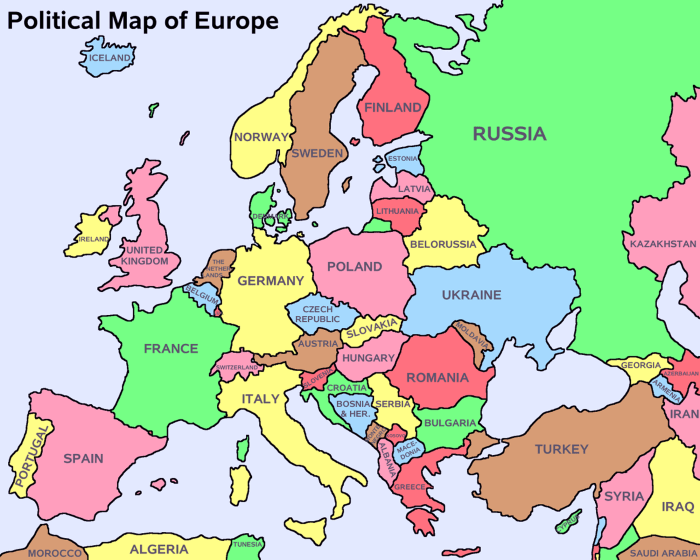
The Polish nationalist presidential candidate frames the European crisis through a lens of national sovereignty and cultural preservation, portraying the EU as a threat to Polish identity and traditions. Their rhetoric directly addresses anxieties about immigration, economic hardship, and perceived cultural erosion, appealing to a segment of the Polish electorate concerned about these issues. This approach is a common tactic in populist nationalist campaigns, often leveraging historical grievances and anxieties to galvanize support.
Framing the Crisis through a Nationalist Lens
The candidate portrays the current European crisis as a deliberate assault on Polish national interests, driven by forces seeking to undermine Polish values and cultural heritage. They argue that the EU’s policies are detrimental to Polish economic prosperity and national identity, often citing specific instances of perceived infringements on Polish sovereignty or cultural norms. This narrative hinges on the idea that Poland’s unique character and history are under siege, necessitating a strong, independent national stance.
Rhetorical Appeals to Specific Segments of the Polish Population
The candidate targets segments of the Polish population by appealing to their concerns and fears. For instance, they might emphasize the economic hardship faced by working-class Poles, blaming EU policies for job losses or economic decline. Simultaneously, they may highlight perceived threats to Polish cultural traditions, especially regarding immigration, using emotionally charged language and imagery to evoke a sense of national vulnerability.
These targeted appeals aim to resonate with specific anxieties within the electorate.
Key Arguments and Talking Points
The candidate’s core arguments often revolve around themes of national sovereignty, economic independence, and cultural preservation. They may emphasize the importance of maintaining control over national borders, rejecting immigration quotas, and promoting Polish-centric economic policies. Specific talking points might include criticisms of EU regulations, accusations of political interference in Polish affairs, and promises to renegotiate unfavorable agreements with the EU.
Poland’s presidential hopeful, a vocal nationalist, recently declared Europe is in crisis. While their views might seem rooted in today’s political climate, it’s interesting to consider parallels with historical figures like Trump and RFK Jr. Their differing approaches to health policies, like those examined in the history trump rfk jr health policies article, offer a fascinating lens through which to view the current political landscape.
Ultimately, the crisis in Europe remains a complex issue with no easy answers, and the candidates’ perspectives are just one piece of the puzzle.
Historical Narratives in the Candidate’s Rhetoric
The candidate frequently employs historical narratives to bolster their arguments. This could involve referencing historical Polish struggles for independence or highlighting perceived injustices inflicted upon Poland by foreign powers. By associating the current crisis with past threats to Polish sovereignty, they aim to evoke a sense of collective memory and national unity. Such narratives are common in nationalist discourse, aiming to connect contemporary events to a broader historical narrative of national struggle.
Comparison of Rhetoric to Other Political Figures
| Political Figure | Rhetorical Approach | Key Differences |
|---|---|---|
| Candidate A | Emphasizes economic nationalism, arguing for reduced dependence on EU funding and increased domestic investment. | Focuses primarily on economic self-reliance rather than cultural identity. |
| Candidate B | Highlights the importance of national security and a strong military, linking the European crisis to external threats. | Prioritizes military strength and external threats over cultural identity. |
| Candidate C | Emphasizes cultural preservation, arguing that the EU is eroding traditional Polish values and identity. | Prioritizes cultural identity and national sovereignty over economic concerns. |
The table illustrates differing approaches to framing the European crisis. Each candidate’s rhetoric resonates with different segments of the electorate based on their priorities and concerns.
Impact on Polish Society: Europe Is Crisis Polish Nationalist Presidential Candidate Tells Conservative
The rise of a nationalist presidential candidate in Poland, particularly one with a Eurosceptic stance, is undeniably shaping the political landscape and stirring considerable debate within Polish society. Public perception of the candidate’s views on the European crisis will significantly influence voting patterns and potentially alter the nation’s relationship with the EU. Understanding the potential consequences for Polish society requires a thorough examination of public opinion, the candidate’s proposed policies, and the anticipated reactions from various social groups.
Public Opinion on the Candidate’s Stance, Europe is crisis polish nationalist presidential candidate tells conservative
Public opinion regarding the candidate’s views on the European crisis is varied and complex. While a significant portion of the electorate aligns with the candidate’s nationalist rhetoric and Eurosceptic leanings, particularly those concerned about economic hardship or perceived cultural threats, a sizable minority remains unconvinced. Surveys and social media discourse reveal a deep divide, with concerns ranging from economic instability to potential isolation from the EU’s benefits and opportunities.
Potential Consequences for Polish-EU Relations
The candidate’s policies, if implemented, are likely to strain Poland’s relationship with the EU. A confrontational stance towards EU institutions and policies could lead to reduced access to funding opportunities and hindered participation in EU decision-making processes. Potential sanctions or retaliatory measures from the EU remain a real possibility, impacting Poland’s economic interests and access to the EU’s single market.
This is further complicated by the candidate’s rhetoric suggesting a re-evaluation of existing treaties and agreements, which may escalate tensions and potentially disrupt the status quo.
Social and Economic Implications of the Candidate’s Views
The candidate’s views on the European crisis have substantial implications for Polish society, particularly concerning the economy and social cohesion. The candidate’s emphasis on national sovereignty and self-reliance might result in reduced economic integration with the EU, potentially affecting Poland’s economic growth. Reduced access to EU funding could hinder infrastructure development and social programs. The candidate’s policies might also impact Polish citizens’ freedom of movement within the EU, affecting their ability to work, study, or live in other EU member states.
Furthermore, the rhetoric around cultural identity could potentially exacerbate social divisions within Poland, particularly between those who embrace the EU’s values and those who support a more inward-looking approach.
Potential Reactions from Different Social Groups
The candidate’s views will likely elicit diverse reactions across different social groups in Poland. Supporters of the candidate’s nationalist and Eurosceptic platform, particularly those feeling economically disadvantaged or culturally threatened, will likely express strong support. Conversely, those who value Poland’s membership in the EU, those involved in international trade, and citizens who benefit from EU programs are likely to express opposition or skepticism.
The candidate’s stance may also spark debate within academic and intellectual circles, generating discussion on the costs and benefits of Poland’s membership in the EU.
Demographic Breakdown of Potentially Impacted Groups
| Social Group | Potential Impact | Demographic Characteristics (Illustrative) |
|---|---|---|
| Supporters of the Candidate | Strong Support | Typically, working-class individuals, those concerned about immigration, and individuals feeling economically vulnerable. |
| Supporters of EU Membership | Opposition or Skepticism | Professionals, entrepreneurs, academics, and individuals involved in international trade or education. |
| Youth | Diverse Reactions | A significant portion of Polish youth has little experience with the pre-EU era, and may be less concerned about the candidate’s Eurosceptic views. |
| Rural Population | Potential Support | Often more susceptible to nationalist rhetoric, concerned about economic stagnation, and may feel marginalized by EU policies. |
International Relations and Implications
The Polish nationalist candidate’s stance on the European crisis presents a significant challenge to the EU’s unity and stability. His rhetoric, emphasizing national interests above collective ones, contrasts sharply with the prevailing consensus among many other European leaders, raising concerns about potential disruptions in international cooperation. This section examines the candidate’s views in comparison with other European leaders, explores the potential impact on EU unity and stability, and analyzes his approach to international alliances.
Comparison with Other European Leaders
The candidate’s views on the European crisis differ substantially from those of many other European leaders. While some leaders advocate for a more unified and coordinated response, emphasizing the need for solidarity and mutual support, the Polish candidate prioritizes national sovereignty and economic independence, often framing the crisis as an opportunity to strengthen Poland’s position within Europe, possibly at the expense of collective action.
For instance, some leaders advocate for increased financial aid to struggling member states, whereas the candidate might favor a more protectionist approach, potentially prioritizing Poland’s own economic interests.
Potential Impact on EU Unity and Stability
The election of this nationalist candidate could significantly strain the EU’s unity and stability. His emphasis on national interests over collective ones could create divisions and mistrust among member states. This could manifest in decreased cooperation on crucial issues like economic policy, security, and migration, potentially hindering the EU’s ability to address shared challenges effectively. Historical precedents of rising nationalism in Europe, such as the rise of Eurosceptic parties in other countries, show that such movements can have a detrimental effect on the EU’s functioning and credibility.
Candidate’s Approach to International Cooperation and Alliances
The candidate’s approach to international cooperation appears largely focused on bilateral agreements and strategic alliances that serve Poland’s perceived national interests. He might prioritize partnerships with countries that share similar views on issues like migration and economic policies, potentially leading to a more fragmented approach to international relations within the EU framework. This contrasts with the more multilateral approach favored by many other European leaders, who see international cooperation as crucial for addressing shared challenges.
Europe’s in a bit of a pickle, with a Polish nationalist presidential candidate stirring up the pot by telling conservatives that things are dire. Meanwhile, Canada’s WSP Global is making a big move, acquiring UK’s Ricardo for a hefty 490 million, a significant acquisition that might just be a small piece of the global puzzle.
Regardless, the political climate in Europe remains tense with the nationalist candidate’s claims of crisis.
Poland’s Role in the European Union
The candidate’s vision for Poland’s role in the EU appears to be one of a more assertive, independent member state, potentially prioritizing national interests above the collective good. This could involve advocating for a renegotiation of existing agreements, or seeking to diminish the EU’s influence in certain policy areas. Such a stance could potentially create friction with other member states and lead to increased internal tensions within the EU.
Potential Responses from Other European Nations
| European Nation | Potential Response to the Candidate’s Election |
|---|---|
| Germany | Likely to express concerns about the potential for decreased EU integration and cooperation. Could seek to strengthen existing alliances and diplomatic channels with other EU members. |
| France | Might adopt a cautious approach, focusing on maintaining dialogue and exploring potential areas of common ground while expressing reservations about the candidate’s nationalist stance. |
| United Kingdom | Potential for a more ambiguous response, depending on the specific policies of the new Polish government. Could be influenced by the desire to foster closer relations with countries sharing similar views on the role of the EU. |
| Eastern European Neighbors | Potential for both positive and negative responses. Some might see it as an opportunity to strengthen ties with a like-minded nation, while others might be wary of a potentially divisive approach. |
| Southern European Countries | May react with concern over the potential impact on economic support and cooperation mechanisms. Might seek to bolster their own unity and seek alternative solutions. |
Historical Context and Parallels
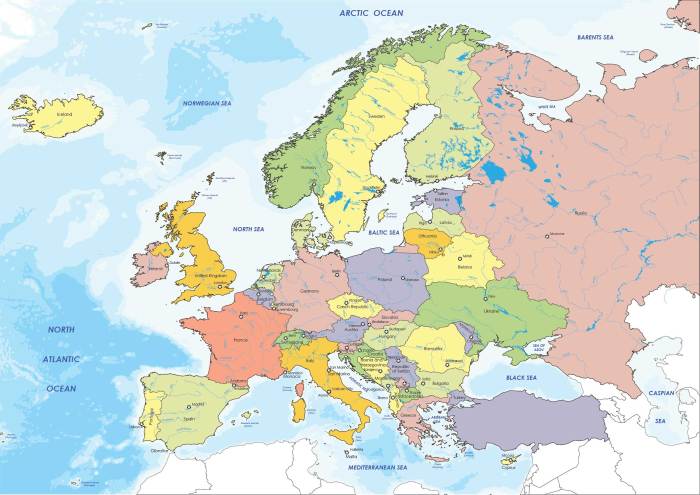
The Polish nationalist candidate’s perspective on the European crisis is deeply rooted in historical anxieties and experiences. Their narrative draws parallels between contemporary challenges and past conflicts, often highlighting perceived threats to Polish sovereignty and national identity. This approach, while understandable within a specific historical framework, raises questions about the effectiveness of invoking past traumas in addressing current issues.The candidate’s rhetoric taps into a rich tapestry of Polish history, selectively emphasizing certain periods and figures to reinforce their arguments.
This selective historical interpretation, while appealing to a specific segment of the population, risks oversimplifying complex realities and potentially misrepresenting the past. Understanding the historical context is crucial to assessing the candidate’s claims and their potential impact on Poland’s future.
Historical Parallels to the Current Crisis
The candidate’s arguments often evoke historical periods of conflict and upheaval in Europe. These parallels, while superficially compelling, need to be analyzed with a critical eye to avoid misinterpretations of the past. The current economic and political climate in Europe is unique, and direct comparisons to past crises might not fully capture the complexities of the present situation.
- The candidate frequently references the interwar period (1918-1939), highlighting perceived threats to Poland’s borders and independence. This echoes concerns about potential external pressures on Polish sovereignty in the context of current European Union dynamics. The candidate likely emphasizes the historical vulnerability of Poland, using it as a warning about the current geopolitical environment.
- The candidate’s views on immigration are frequently juxtaposed with historical waves of migration into Poland. They might draw parallels to the pressures on Poland’s resources and infrastructure during periods of significant population shifts. This strategy aims to connect current immigration debates with perceived historical vulnerabilities and potential societal disruption.
Candidate’s Use of Historical Narratives in Poland
The candidate’s rhetoric frequently draws upon established historical narratives within Polish society. These narratives, while deeply ingrained, may not always be universally accepted or accurately reflect the entirety of Polish history.
- The narrative of Poland as a victim of external aggression plays a prominent role in the candidate’s discourse. This resonates with historical grievances, but it might also ignore the complex interplay of factors that contributed to past conflicts. A simplistic victimhood narrative can be a limiting framework for understanding the present.
- The candidate’s emphasis on Polish national identity and cultural distinctiveness might be connected to a desire to maintain a distinct Polish identity in a changing European landscape. This appeal to national pride is a common theme in political discourse, but it needs to be assessed in relation to its potential implications for European unity and cooperation.
Comparison with Previous European Crises
Comparing the current crisis to previous European crises requires careful consideration of the unique characteristics of each situation. Direct analogies can be misleading if they fail to account for the specific historical and political context of each period.
| Historical Crisis | Key Events/Figures | Relevance to Current Crisis |
|---|---|---|
| Interwar Period (1918-1939) | Treaty of Versailles, rise of fascism, economic instability | Evokes anxieties about external threats to Polish sovereignty and potential for political instability. |
| Cold War | Soviet Union, NATO, division of Europe | Highlights concerns about potential geopolitical tensions and the need for a strong national defense. |
| European Debt Crisis (2010s) | Greece, Ireland, Portugal | Focuses on economic vulnerability and the need for fiscal prudence within the EU. |
Alternative Perspectives on the European Crisis
The Polish nationalist candidate’s narrative paints a stark picture of Europe in crisis, emphasizing perceived threats and the need for strong nationalistic responses. However, alternative perspectives offer nuanced and often contrasting viewpoints, highlighting the complexities of the situation and the potential pitfalls of the candidate’s proposed solutions. These alternative perspectives provide a crucial counterbalance, prompting a more comprehensive understanding of the European crisis and its implications for Poland.Alternative viewpoints on the European crisis challenge the candidate’s emphasis on external threats and nationalistic solutions.
They argue that the crisis stems from a confluence of factors, including economic disparities, differing political priorities, and internal societal tensions, rather than solely from external aggressors. These factors often necessitate multilateral cooperation and compromise, rather than unilateral action.
Alternative Interpretations of the Economic Crisis
The candidate’s rhetoric frequently blames external actors for Europe’s economic woes. However, alternative perspectives acknowledge the role of internal factors, such as high debt levels, structural inefficiencies in certain member states, and the uneven distribution of economic benefits within the EU. These factors are often exacerbated by geopolitical events, but are not solely determined by them.
- Divergent Economic Policies: Alternative perspectives argue that different approaches to economic policy, rather than external threats, are a major contributing factor to the crisis. For instance, differing levels of government intervention, varying degrees of regulation, and varying approaches to fiscal policy create inherent tension and instability within the European Union. These issues often require collaborative solutions, not isolationist policies.
- Internal Political Disagreements: Some alternative viewpoints suggest that deep-seated political divisions and disagreements within European nations are a significant source of the crisis. A lack of consensus on key issues, such as immigration policies or economic integration, can hinder effective problem-solving and create instability.
Counterarguments to the Candidate’s Claims
The candidate’s narrative frequently portrays a binary view of the crisis, emphasizing the need for a strong nationalistic stance against perceived external threats. Alternative perspectives, however, offer counterarguments that challenge this simplified view.
- Misinterpretation of External Threats: The candidate’s identification of external threats may be an oversimplification of complex geopolitical realities. Alternative perspectives argue that focusing solely on external actors risks overlooking the significant impact of internal vulnerabilities and the importance of international cooperation in addressing the root causes of the crisis.
- Unintended Consequences of Nationalistic Policies: Alternative viewpoints highlight the potential negative consequences of the candidate’s proposed nationalistic policies, including the risk of isolation, trade wars, and the erosion of international cooperation, which is crucial for addressing shared challenges.
Implications for Poland and Europe
The candidate’s perspective, if adopted, could have significant implications for Poland and the broader European landscape. Alternative perspectives offer a more nuanced understanding of the potential outcomes.
- Erosion of EU Unity: The candidate’s emphasis on national sovereignty could lead to a weakening of the European Union, potentially creating instability and hindering the collective response to shared challenges. This could lead to increased protectionism and trade disputes among EU members.
- Reduced Economic Growth: The adoption of isolationist policies could stifle economic growth in Poland and Europe by limiting access to markets, investment opportunities, and the benefits of collaboration.
Comparing Different Viewpoints
| Viewpoint | Strengths | Weaknesses |
|---|---|---|
| Nationalist | Focuses on national interests; emphasizes self-reliance | Potentially isolates Poland; overlooks interconnectedness; risks creating instability |
| Multilateralist | Promotes cooperation; addresses shared challenges; fosters stability | Can be slow and cumbersome; requires compromise; may not always adequately address immediate concerns |
Closure
In conclusion, this analysis of the Polish nationalist candidate’s perspective on Europe’s crisis reveals a complex interplay of nationalism, economic concerns, and international relations. The candidate’s views, while potentially appealing to a segment of the Polish population, raise concerns about the EU’s unity and stability. Alternative perspectives and potential counterarguments are explored, offering a nuanced understanding of the situation.


