
Trump nominates emil bove serve 3rd circuit appeals court judge – Trump nominates Emil Bove to serve as a judge on the 3rd Circuit appeals court, igniting a debate about judicial appointments and the future of the legal system. This nomination promises to be a significant event, shaping the landscape of the court for years to come. It’s crucial to examine Bove’s background, the 3rd Circuit’s current makeup, and the potential ramifications of this appointment.
Understanding the legal precedents and public reaction is key to grasping the complexities of this nomination.
The 3rd Circuit Court of Appeals plays a pivotal role in the US legal system, handling a wide array of cases. Understanding its history and current composition is essential to comprehending the context of this nomination. The process of judicial appointments in the US is a complex one, involving the President, the Senate, and a multitude of factors.
Emil Bove’s experience and qualifications are central to the discussion, alongside potential impacts on specific areas of law, caseload, and the court’s overall ideological leaning.
Background of the Nomination: Trump Nominates Emil Bove Serve 3rd Circuit Appeals Court Judge
President Trump’s nomination of Emil Bove for a judgeship on the 3rd Circuit Court of Appeals signals a continuation of the administration’s focus on shaping the federal judiciary with conservative appointees. This nomination is part of a larger effort to influence the direction of the court’s decisions for years to come. The 3rd Circuit’s rulings often have significant implications for cases across the nation.The 3rd Circuit plays a crucial role in the federal judicial system, impacting a substantial portion of the United States.
Understanding its history, current composition, and significance provides context for evaluating Judge Bove’s potential contribution to the court.
History of the 3rd Circuit Court of Appeals
The 3rd Circuit Court of Appeals, established in 1891, is a vital part of the federal judiciary. It hears appeals from federal courts within its jurisdiction, which encompasses portions of the Mid-Atlantic and some Northeastern states. Its rulings often set precedents that affect lower courts and shape the interpretation of federal law within this region.
Current Composition of the 3rd Circuit
The 3rd Circuit currently consists of 15 active judges. The court’s composition is influenced by various factors, including the President’s nominations and Senate confirmations. A vacancy in the court may lead to a backlog of cases and could significantly impact the efficiency and fairness of the appeals process.
President Trump’s nomination of Emil Bove to the 3rd Circuit Appeals Court is certainly a significant legal development. Meanwhile, it’s a bit of a shame to see Petra Kvitova lose her first match at the New Queens Club WTA event; she’s been a force to be reckoned with on the court lately. Regardless, Bove’s appointment will likely have lasting effects on the court system, given the role of the 3rd Circuit in shaping legal precedents.
Significance of the 3rd Circuit in the US Legal System
The 3rd Circuit’s jurisdiction covers a diverse population, with cases involving a range of legal issues. Its decisions impact various areas of law, from antitrust to intellectual property, and influence the application of federal law across the region.
Process of Judicial Nominations in the US
The process of nominating and confirming federal judges is a complex and often politically charged one. The President nominates candidates, and the Senate Judiciary Committee reviews their qualifications and holds hearings. A vote in the full Senate is required for confirmation. The Senate’s role in this process is crucial, as it acts as a check on the executive branch’s power.
Role of the Senate in Confirming Judicial Appointments
The Senate plays a critical role in the confirmation process, evaluating nominees’ qualifications and experience. This evaluation often involves hearings, questioning, and consideration of the nominee’s legal philosophy. The Senate’s confirmation vote requires a majority to approve the nomination. Factors such as party politics and public opinion can influence the Senate’s decision-making process.
Emil Bove’s Qualifications and Experience
President Trump’s nomination of Emil Bove for the 3rd Circuit Court of Appeals highlights a career steeped in legal practice and advocacy. Bove’s background promises a perspective shaped by his experience within the legal profession. Understanding his qualifications and prior work will help to evaluate the potential impact of his nomination.Bove’s legal experience, coupled with his demonstrated abilities, suggests a well-rounded approach to the judicial role.
This is a key factor in assessing his suitability for the 3rd Circuit.
Professional Background and Legal Experience
Emil Bove’s career trajectory has consistently positioned him within the legal arena. His professional background demonstrates a commitment to legal practice, evident in his roles and accomplishments. A thorough understanding of his legal background provides valuable insight into his potential contributions to the bench.
Education and Academic Achievements
Bove’s educational background is a significant factor in understanding his perspective and qualifications. This section will examine his educational achievements, focusing on their relevance to the demands of a federal appellate judge.
Published Legal Writings and Academic Work
A review of Bove’s published legal writings and academic work offers further insight into his legal thought process and expertise. This section details his contributions to the legal discourse, showcasing his engagement with critical legal issues. This helps us understand the depth and breadth of his legal scholarship.
Trump’s nomination of Emil Bove to the 3rd Circuit appeals court is certainly a significant event. While this appointment grabs headlines, it’s worth noting that other interesting business news is swirling around. For instance, former Expedia CEO Peter Kern recently purchased the Italian lingerie company La Perla, a fascinating acquisition that might be a bit out of the ordinary.
Still, the focus remains on Bove’s nomination, which could have lasting implications for the legal landscape.
Prior Legal Positions and Experiences
This section details Bove’s previous roles within the legal field. The range of his experiences provides a comprehensive understanding of his legal practice, from advocacy to legal research.
Trump’s nomination of Emil Bove to the 3rd Circuit appeals court judge position is certainly noteworthy, but it’s interesting to consider how this might tie into the potential for Bessent to be a successor to Justice Powell, as reported by Bloomberg here. This emerging possibility for a new justice could significantly reshape the court’s trajectory, potentially influencing future decisions.
Ultimately, Bove’s nomination remains a key development in the ongoing court appointments process.
Prior Judicial Experience
Exploring Bove’s prior judicial experience is crucial in understanding his preparation for the responsibilities of a federal appellate judge. This section examines any prior judicial roles held by Mr. Bove.
Comparison to Other Recent 3rd Circuit Appointees
Comparing Bove’s qualifications to those of other recently appointed judges to the 3rd Circuit offers a context for assessing his suitability. This section identifies common threads and differentiating factors, highlighting the nuances of his background relative to his peers. A comprehensive analysis is important in understanding his position within the current judicial landscape of the 3rd Circuit.
Potential Impact of the Nomination
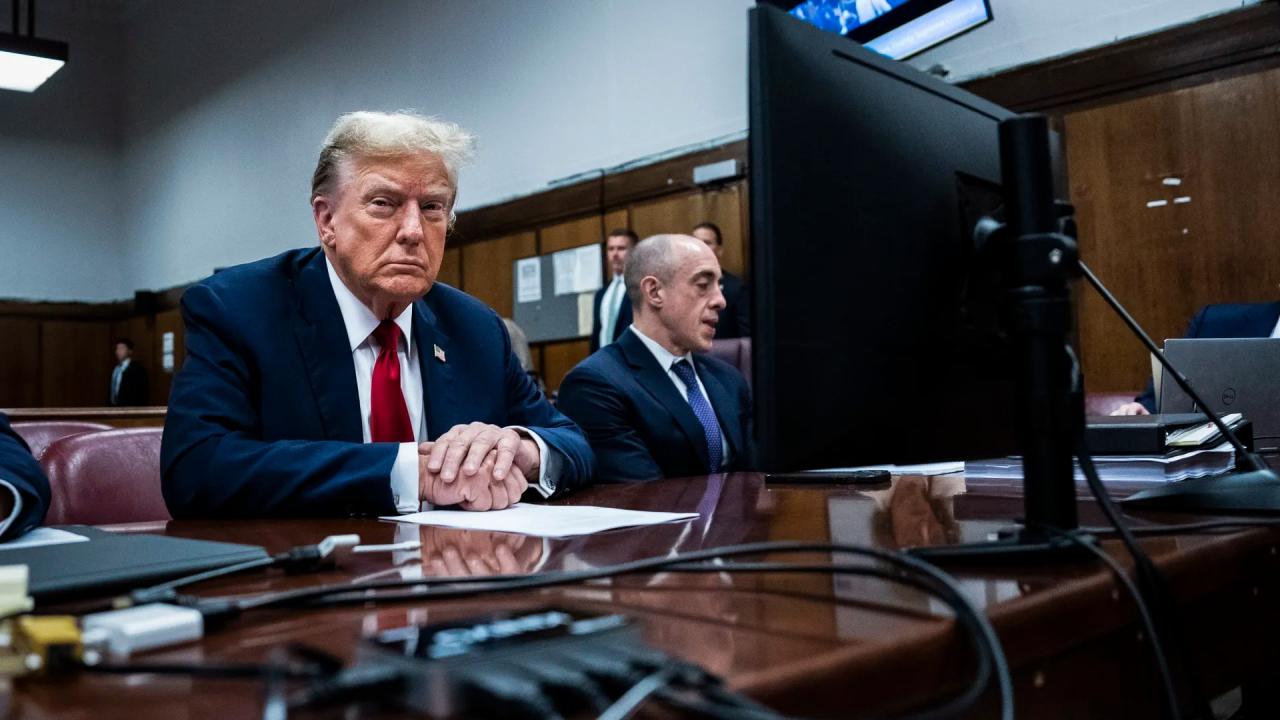
Emil Bove’s nomination to the 3rd Circuit Court of Appeals presents a significant opportunity to shape the court’s future jurisprudence. His background, experience, and the current political climate all contribute to a range of potential impacts, from shifts in legal interpretation to adjustments in the court’s workload. Understanding these possibilities is crucial for evaluating the nomination’s long-term effects on the American legal system.This analysis explores the potential ramifications of Judge Bove’s appointment on the 3rd Circuit, considering its influence on various areas of law, caseload management, and the court’s overall ideological leanings.
We will examine the potential for both positive and negative consequences, drawing on relevant legal precedents and the history of similar judicial appointments.
Impact on the 3rd Circuit’s Jurisprudence
The 3rd Circuit plays a vital role in shaping legal precedent for a substantial portion of the United States. Judge Bove’s judicial philosophy and approach to legal interpretation will directly influence the court’s decisions, potentially impacting the development of key areas of law. This includes how the court interprets existing statutes and precedents, impacting everything from corporate law to environmental regulations.
Implications for Specific Areas of Law
The 3rd Circuit’s jurisdiction encompasses a broad range of legal issues, from antitrust and intellectual property to environmental law and civil rights. Judge Bove’s potential impact on these areas will be significant. His views on corporate liability, for instance, could affect decisions in antitrust cases. His approach to precedent could impact the interpretation of existing environmental regulations.
A judge’s background and experiences can shape their perspective on these critical issues, influencing case outcomes.
Effect on the Court’s Caseload and Workload
The 3rd Circuit handles a substantial caseload. Judge Bove’s experience and work ethic will affect the court’s efficiency and ability to manage this workload. His familiarity with courtroom procedures and his ability to handle complex legal arguments will directly affect how quickly cases are resolved. This efficiency will impact the overall case resolution time for parties involved in litigation.
The court’s ability to manage its workload directly influences the fairness and accessibility of the judicial system.
Potential Areas of Conflict or Controversy
Nomination processes often involve controversy. Judge Bove’s appointment will likely generate discussion and debate concerning his judicial philosophy and potential impact on specific legal issues. This is particularly true in areas where the legal community has differing views, such as the interpretation of constitutional rights. The public’s perception of his nomination and his eventual performance on the bench will shape the public’s opinion.
Potential Shifts in the Court’s Ideological Leanings
Judicial appointments often affect the ideological balance of a court. Judge Bove’s political leanings and judicial philosophy will contribute to the 3rd Circuit’s overall ideological makeup. This could lead to shifts in the court’s interpretation of legal issues, particularly in areas where differing legal ideologies clash. Changes in the ideological balance of a court can have long-lasting impacts on legal interpretation and judicial precedent.
Public Reaction and Political Context
The nomination of Emil Bove to the 3rd Circuit Court of Appeals has ignited a firestorm of reactions, spanning from enthusiastic endorsements to staunch opposition. The political climate surrounding this nomination is highly charged, reflecting broader debates about judicial appointments and the future direction of the legal system. This section delves into the public response, the political context, and the arguments for and against this nomination.
Public Reactions
Reactions to the nomination have been diverse, reflecting differing perspectives on Bove’s qualifications and the broader implications of his appointment. Advocacy groups, legal scholars, and political figures have weighed in, often aligning their statements with pre-existing political positions.
- Advocacy Groups: Civil rights organizations and others with specific policy interests have voiced their opinions on Bove’s background and potential impact. Some groups have expressed concerns about Bove’s potential rulings on issues like voting rights or abortion access. Others have lauded his experience and commitment to the rule of law. For instance, the ACLU has released statements regarding the nominee’s past decisions, referencing the potential impact on future cases.
- Legal Experts: Prominent legal scholars have offered analyses of Bove’s qualifications and potential influence on legal precedent. These assessments often focus on the potential ramifications of his appointment on specific areas of law, such as corporate law or intellectual property. These analyses may cite past judicial decisions or academic commentary.
- Political Figures: Senators and Representatives, often aligned with their party platforms, have either supported or opposed the nomination. These statements often invoke broader political agendas and priorities, tying the nomination to the larger political landscape. A prominent example would be statements from Senate Judiciary Committee members expressing their views on the nominee’s suitability for the bench.
Political Context
The current political climate significantly influences the debate surrounding the nomination. The president’s agenda and the composition of the Senate play critical roles in determining the nomination’s fate.
- President’s Agenda: The President’s stated goals and priorities in judicial appointments often shape the selection process. These objectives may reflect a broader political strategy or vision for the court system. For example, the President’s commitment to appointing judges who share their views on particular legal issues can greatly impact the nomination’s reception.
- Senate’s Role: The Senate’s confirmation process involves hearings, debate, and votes. The political makeup of the Senate, including the balance of power between parties, plays a significant role in the outcome. Historically, similar cases demonstrate the influence of party affiliation in shaping Senate actions.
- Current Political Climate: Current social and political issues can strongly influence public perception of the nomination. For example, if the nomination occurs during a period of heightened political polarization, reactions will likely be more intense and divisive.
Arguments For and Against the Nomination
The arguments surrounding the nomination are multifaceted, reflecting differing perspectives on Bove’s qualifications and the broader implications of his appointment.
- Arguments For: Supporters emphasize Bove’s legal expertise, experience, and commitment to the rule of law. They might highlight specific cases or legal achievements that demonstrate his competence. They might point to the importance of judicial experience and continuity within the legal system.
- Arguments Against: Opponents may raise concerns about Bove’s potential biases, lack of experience in certain areas of law, or possible conflicts of interest. They might cite specific decisions or actions that raise questions about his suitability for the position. A concern might be a perceived lack of diversity or inclusion in the nominee’s background.
Potential Legal Challenges
Potential legal challenges to the nomination are possible, although the specific grounds for such challenges are not yet known. These challenges could arise from concerns about the fairness or legality of the nomination process itself.
Comparison of Viewpoints
| Viewpoint | Arguments | Potential Impacts |
|---|---|---|
| Pro | Extensive legal experience, demonstrated competence in the field, adherence to legal principles, alignment with judicial philosophy. | Strengthening of the court’s reputation, upholding the rule of law, potentially leading to more favorable rulings in certain cases. |
| Con | Potential biases, insufficient experience in specific areas of law, conflicts of interest, lack of diversity in background, questionable alignment with broader legal principles. | Erosion of public trust in the judiciary, negative impact on the court’s credibility, potentially leading to controversy and criticism. |
Legal Issues and Considerations
The nomination of Emil Bove to the 3rd Circuit Court of Appeals raises several critical legal questions. Scrutiny of judicial appointments focuses on ensuring the nominee possesses the necessary qualifications and adheres to established legal principles. This examination delves into the precedents surrounding similar nominations, potential challenges, and the vital role of judicial independence in maintaining a fair and impartial legal system.
Legal Precedent Surrounding Similar Nominations
Examining past nominations for similar judicial positions provides a crucial context for understanding the current situation. Cases involving nominees with comparable backgrounds and experiences offer insight into the standards applied during the confirmation process. Analysis of these historical precedents helps determine the potential reception of the nomination and the arguments likely to be presented during hearings.
Potential Legal Challenges
Potential legal challenges to the nomination could stem from various factors. Disputes over the nominee’s qualifications, concerns about potential conflicts of interest, or allegations of past misconduct could lead to legal challenges. The specific nature of these challenges would depend on the evidence presented and the legal arguments employed. Furthermore, challenges could arise if the nomination process deviates from established procedures or legal precedents.
Criteria Used for Evaluating Judicial Nominees
Judicial nominees are evaluated based on a combination of factors. These criteria include legal expertise, experience, judicial temperament, and adherence to the principles of the Constitution. The nominee’s understanding of legal precedents and their commitment to upholding the rule of law are significant aspects of this evaluation. Furthermore, the nominee’s approach to legal issues, demonstrated through prior rulings or writings, provides crucial insights into their judicial philosophy.
Role of Judicial Independence in the US Legal System
Judicial independence is a cornerstone of the US legal system. It ensures that judges can make impartial decisions without fear of political pressure or influence. This principle is essential for maintaining public trust in the judiciary and ensuring fair application of the law. The independence of the judiciary is fundamental to upholding the balance of powers among the branches of government and the protection of individual rights.
Stages of the Confirmation Process
| Stage | Description | Key Players |
|---|---|---|
| Nomination | The President formally nominates a candidate to the Senate for consideration. | President, Senate |
| Hearing | Senate Judiciary Committee holds hearings to question the nominee about their qualifications, legal philosophy, and judicial temperament. Background checks and investigations are conducted. | Senate Judiciary Committee, Nominee, Witnesses |
| Vote | The Senate Judiciary Committee votes on whether to recommend the nominee to the full Senate. The full Senate then votes on the confirmation. | Senate Judiciary Committee, Full Senate, Nominee |
Visual Representation of Key Data
A crucial aspect of understanding any judicial nomination is visualizing the context within which the nominee will operate. This section delves into various graphical representations that illuminate the landscape of the 3rd Circuit Court of Appeals, highlighting the nominee’s potential impact and the current state of the court.
Current Composition of the 3rd Circuit
Understanding the current makeup of the 3rd Circuit is essential for assessing the potential shift in its ideological balance. A visually compelling representation could be a pie chart, with each slice representing a judge’s political leaning (e.g., conservative, moderate, liberal). However, accurately determining these leanings is complex, as judges often do not explicitly declare their ideology. Public statements and voting records can offer insights, but they are not always definitive.
A more comprehensive analysis would involve examining their past decisions in relevant cases and comparing them to the rulings of other judges on the circuit. This could provide a more nuanced perspective on their ideological positioning.
Timeline of Judicial Appointments
A timeline visualization of judicial appointments to the 3rd Circuit over the last decade can effectively demonstrate the pace and pattern of appointments. A horizontal bar chart would be useful, with each bar representing a judge and its length corresponding to the appointment date. This visualization would allow for a clear view of the appointments, highlighting any periods of high or low activity.
The chart should clearly identify the appointing president and the date of appointment for each judge.
Case Distribution
The 3rd Circuit handles a wide variety of cases. A geographical map, with color-coding representing the case distribution by region, could provide a clear visual representation. Each region could be color-coded according to the type of case (e.g., criminal, civil, intellectual property). For example, a red area might highlight a high concentration of criminal cases, while a blue area might denote a large number of civil cases.
This would provide a broader picture of the cases handled by the 3rd Circuit, including their regional and thematic distribution.
Emil Bove’s Career Path, Trump nominates emil bove serve 3rd circuit appeals court judge
A timeline of Emil Bove’s career path would effectively showcase his experience and qualifications. A horizontal timeline with key milestones marked would be effective. Each milestone could be accompanied by a brief description, highlighting his relevant experiences. For example, a key milestone might be his years of experience in private practice and the types of cases he handled.
This timeline should showcase his progression, from his early career to his present role. The timeline should include his education, professional experience, and any relevant publications or recognitions.
Concluding Remarks
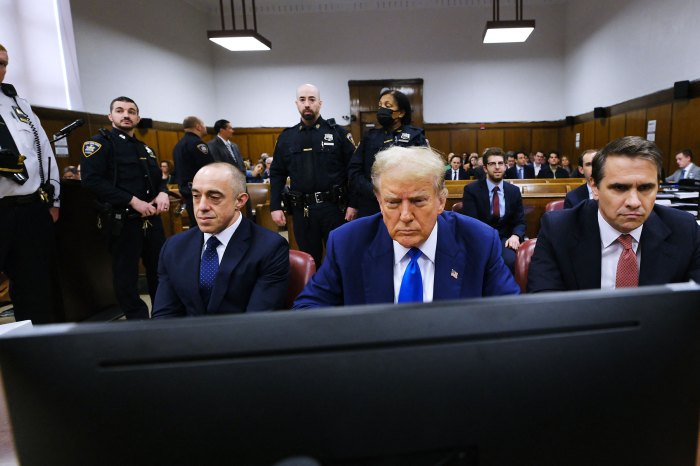
In conclusion, Trump’s nomination of Emil Bove to the 3rd Circuit is a significant event with far-reaching implications. The nomination’s success hinges on Bove’s qualifications, the Senate’s confirmation process, and the broader political context. Public reaction and legal challenges will undoubtedly shape the outcome. This is a crucial moment in the ongoing debate about judicial appointments and the future of the American legal system.