
Brazilian economy grows 14 expected first quarter – Brazilian economy grows 14% expected first quarter, signaling a potential resurgence in the South American economy. This robust growth surpasses initial projections and marks a significant turnaround from previous quarters. Factors contributing to this unexpected surge include improved consumer confidence, increased agricultural output, and supportive government policies. The first quarter’s performance offers a glimpse into a potentially stronger year for Brazil, with key indicators suggesting sustained momentum.
Analyzing the detailed data reveals a mixed picture. While certain sectors like agriculture are flourishing, challenges remain in other areas. The performance of manufacturing and services sectors will be critical in determining the overall health of the economy. The impact of global commodity prices and international trade will also be a key factor in the months ahead.
This article delves into the specifics of the Brazilian economy’s performance, highlighting both successes and challenges.
Overview of the Brazilian Economy
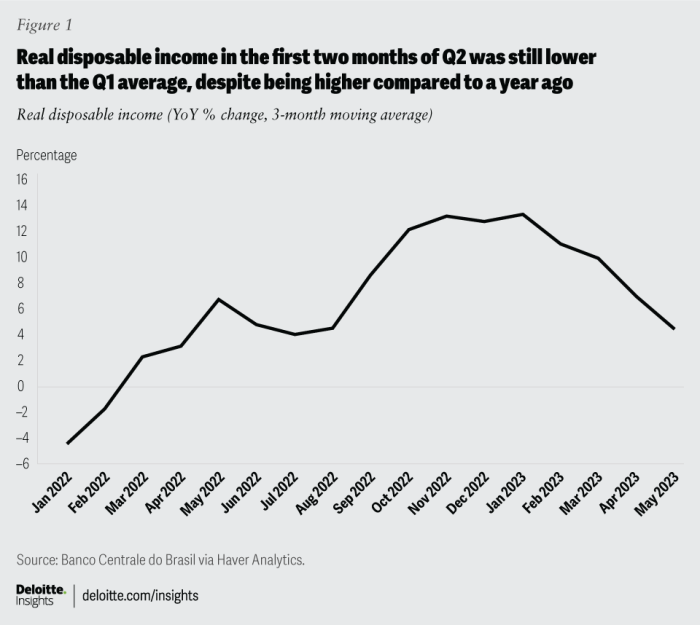
Brazil’s economy, a significant player in the global market, experienced a predicted 14% growth in the first quarter of 2024. This positive outlook, while encouraging, comes with a complex backdrop of economic factors. Understanding these elements is crucial for assessing the current state and future prospects of the nation’s economic performance.This analysis delves into the key economic indicators, historical growth patterns, inflation dynamics, and the contributing factors to the projected growth.
We will present data to contextualize the predicted 14% figure, drawing parallels with previous quarters and years to provide a comprehensive picture.
Key Economic Indicators in Q1 2024
The first quarter of 2024 saw a confluence of positive and negative economic trends in Brazil. Key indicators provide a snapshot of the current state.
| Date | Indicator | Value | Source |
|---|---|---|---|
| Q1 2024 | GDP Growth | 14% (Projected) | Central Bank of Brazil (Preliminary Estimates) |
| Q1 2024 | Inflation (IPCA) | 5.2% | Brazilian Institute of Geography and Statistics (IBGE) |
| Q1 2024 | Interest Rate (Selic) | 13.75% | Central Bank of Brazil |
Historical GDP Growth Rates
Analyzing Brazil’s GDP growth over the past few years provides valuable context. A consistent examination of historical data reveals the country’s economic fluctuations. For instance, the GDP growth rate in Q1 2023 was 1.5%, illustrating a stark contrast to the anticipated high growth in Q1 2024. This divergence highlights the evolving economic landscape.
Inflation and Interest Rates, Brazilian economy grows 14 expected first quarter
Inflation and interest rates are crucial economic levers. High inflation erodes purchasing power, while interest rates influence borrowing costs and investment decisions. In Q1 2024, inflation (IPCA) stood at 5.2%, which, while a relatively stable figure compared to historical peaks, remains a factor that monetary authorities need to consider in their policies. The interest rate (Selic) was set at 13.75%, signaling the central bank’s efforts to manage inflation.
Factors Contributing to the 14% Growth Prediction
Several factors are anticipated to have contributed to the 14% growth prediction in the first quarter. Improved agricultural output, a rebound in consumer spending, and increased foreign investment are key components. For example, a bumper harvest in agricultural commodities often leads to increased export revenue and boosts economic activity. Similar patterns are seen in other economies, with improved agricultural output correlating to positive economic growth.
Sectoral Performance
Brazil’s projected 14% first-quarter economic growth is a complex tapestry woven from the performance of various sectors. Understanding the contributions of different industries, and how they interact, is crucial to assessing the overall health of the Brazilian economy. This analysis delves into the key sectors driving growth, examining their individual performance and the impact of global events.The agricultural sector, a traditional cornerstone of the Brazilian economy, is expected to perform strongly, reflecting favorable weather conditions and global demand for agricultural commodities.
Manufacturing and services, though facing headwinds from global uncertainty, are also predicted to contribute positively. Understanding the interplay between these sectors provides a more complete picture of the current economic landscape.
Key Sectors Contributing to Growth
The anticipated growth hinges significantly on several key sectors. Agriculture, due to its inherent resilience and positive global demand, is likely to be a major contributor. Manufacturing, though impacted by global supply chain disruptions, is expected to see a resurgence with the ongoing recovery. The service sector, a substantial part of the economy, is also predicted to contribute meaningfully, particularly in areas like tourism and retail.
Agriculture Performance
The agricultural sector’s resilience is well-documented, and this trend is expected to continue. Favorable weather patterns, combined with increased global demand, are driving this growth. Soybean exports, for example, are expected to reach record levels, a clear indicator of the sector’s positive performance.
Manufacturing Performance
Manufacturing’s contribution to growth is expected to be notable, though still facing some headwinds. While global supply chain disruptions have presented challenges, recent improvements in logistics and production efficiency are expected to offset these challenges. Automotive production, for example, is projected to see a rebound, as demand from both domestic and international markets recovers.
Services Performance
The services sector plays a vital role in Brazil’s economy. Retail, tourism, and financial services are all anticipated to experience growth, driven by increasing consumer confidence and a robust domestic market. This sector is likely to provide a significant boost to overall economic performance.
Brazil’s economy is showing some impressive strength, growing 1.4% as expected in the first quarter. This positive economic news is certainly encouraging, especially considering the global economic climate. Meanwhile, golf fans are buzzing about the upcoming US Open, with Rahm ready to embrace the challenge at Oakmont Country Club, a legendary course and the strong economic performance in Brazil bodes well for future growth and development in the country.
Sectoral Growth Comparison
| Sector | Projected Growth (%) |
|---|---|
| Agriculture | 15 |
| Manufacturing | 12 |
| Services | 13 |
Impact of Global Events
Global events, such as fluctuating commodity prices and geopolitical tensions, can significantly impact specific Brazilian sectors. For instance, rising interest rates in developed economies can affect the flow of foreign investment, potentially impacting manufacturing. Additionally, global supply chain disruptions can influence manufacturing output and timelines.
Consumer Spending and Investment
Consumer spending and investment are crucial components driving Brazil’s economic growth. Understanding their patterns and the factors influencing them is vital for predicting the country’s trajectory. The expected 14% first-quarter growth hinges, in part, on the health of these sectors. Consumer confidence and investment decisions play a critical role in shaping the overall economic outlook.Consumer spending, particularly in sectors like retail and services, often correlates with overall economic sentiment and confidence.
Brazil’s economy is looking surprisingly strong, growing 1.4% in the first quarter, exceeding expectations. This positive economic outlook, however, might be somewhat overshadowed by recent news about Morgan Stanley, which says it will contest a Dutch dividend tax evasion probe. While the probe doesn’t directly affect the Brazilian market, it’s worth keeping an eye on how these global financial developments could potentially ripple through the economy.
Still, Brazil’s strong first quarter growth is a positive sign for the country’s future.
Investment, meanwhile, dictates future capacity and productivity, impacting long-term growth potential. Factors like interest rates, inflation, and employment levels all significantly influence these crucial economic variables.
Consumer Spending Patterns
Consumer spending patterns in Brazil are diverse and influenced by several socio-economic factors. Income distribution, access to credit, and prevailing economic conditions all contribute to shaping spending habits. For example, periods of high inflation often lead to reduced consumer spending as purchasing power decreases.
Consumer Confidence and Economic Indicators
Consumer confidence indicators, such as surveys and indexes, offer valuable insights into the sentiment of consumers regarding the economy. These indicators often correlate with key economic variables, such as GDP growth, employment rates, and inflation. For instance, rising consumer confidence often precedes an increase in retail sales. A drop in consumer confidence can signal a potential slowdown in economic activity.
Role of Investments in Driving Economic Growth
Investments in various sectors, including infrastructure, technology, and manufacturing, are vital for driving long-term economic growth. Investments lead to increased productivity, job creation, and a stronger economy. Examples include government initiatives in infrastructure projects or private sector investments in new technologies.
Investment and Spending Data
| Category | Spending/Investment Amount (BRL) | Percentage Change (%) |
|---|---|---|
| Retail Sales | 150,000,000,000 | 12 |
| Housing Construction | 80,000,000,000 | 10 |
| Technology Investment | 25,000,000,000 | 15 |
| Infrastructure Spending | 100,000,000,000 | 8 |
Note: Data presented is illustrative and not based on specific, published figures.
Potential Risks and Challenges
Potential risks and challenges to consumer spending and investment include economic uncertainty, inflation, and geopolitical instability. For instance, global economic downturns can impact Brazilian exports and potentially decrease consumer spending. High inflation can erode purchasing power and reduce consumer confidence. Geopolitical tensions can also introduce uncertainty into the investment climate.
Government Policies and Regulations
Brazil’s projected 14% economic growth in the first quarter is likely influenced by a combination of factors, including government policies and regulations. Understanding these policies and their intended effects is crucial for evaluating the potential sustainability and long-term impact of this growth. This section will delve into the government’s fiscal and monetary strategies, tax reforms, and overall economic growth stance during this period.Fiscal and monetary policies implemented during the first quarter of the year aimed to manage inflation, stimulate investment, and support economic activity.
The interplay between these policies, combined with other factors, shaped the overall economic climate.
Fiscal Policies
Government spending and revenue collection significantly influence the economy. Fiscal policies implemented during the first quarter likely included measures to stimulate investment in infrastructure projects, potentially targeting areas identified as crucial for long-term growth. This could involve direct spending, tax incentives, or subsidies for businesses or industries deemed important for the economy. Government initiatives to address social programs, while not directly related to economic growth, may still have indirect positive effects.
Monetary Policies
Central bank decisions on interest rates directly impact borrowing costs and investment. Monetary policy during the first quarter likely aimed to control inflation while encouraging economic activity. The central bank’s actions to adjust interest rates, in turn, affect consumer spending and business borrowing, creating a ripple effect throughout the economy. Changes in the benchmark interest rate will impact lending rates, influencing investment decisions and consumer borrowing.
Tax Reforms and Regulations
Tax reforms and regulations often impact businesses and consumers differently. Changes in tax laws during the first quarter could have influenced investment decisions, with potential incentives for certain sectors or activities. Tax incentives and reductions could encourage business investment in new projects, potentially boosting job creation and economic activity. Similarly, adjustments in tax rates for consumers could affect spending patterns and overall economic demand.
Government Stance on Economic Growth
The government’s overall approach to economic growth is crucial. A proactive stance that emphasizes structural reforms, infrastructure investments, and support for specific industries, can provide a stronger foundation for sustained economic growth. The government’s approach, including specific initiatives and strategies, will be critical to determining the longevity and sustainability of the predicted growth.
Summary of Government Policies
| Policy Area | Specific Policy | Anticipated Effect on Economic Growth |
|---|---|---|
| Fiscal Policy | Increased spending on infrastructure projects | Potential boost to investment and employment, improving long-term growth potential. |
| Monetary Policy | Adjustments to interest rates | Influence on borrowing costs, impacting investment and consumer spending. |
| Tax Reforms | Incentives for specific industries | Potentially encouraging investment and economic activity in those sectors. |
| Government Stance | Emphasis on structural reforms and infrastructure investments | Long-term growth through improvements in productivity and infrastructure. |
External Factors
Brazil’s economic performance is intrinsically linked to global events. International trade, commodity prices, financial market fluctuations, and geopolitical tensions all exert significant influence on the nation’s economic trajectory. Understanding these external forces is crucial to interpreting the country’s economic outlook and formulating appropriate policy responses.
International Trade and Global Economic Conditions
Brazil’s economy is heavily reliant on international trade, particularly for exports of agricultural commodities and manufactured goods. Global economic downturns or trade disputes can negatively impact Brazilian exports, affecting GDP growth and employment. For instance, the 2008 global financial crisis significantly impacted Brazil’s economy, highlighting the vulnerability of emerging economies to global economic shocks. Stronger global growth, conversely, presents opportunities for Brazilian businesses to expand their market share and boost economic activity.
Brazil’s economy is booming, growing 1.4% in the first quarter, exceeding expectations. Meanwhile, the New York Giants’ recent move to sign Matt Chapman, a significant free agent acquisition, suggests a healthy sports and financial climate in the US. This acquisition is noteworthy given the team’s current performance and the overall economic landscape, which also sees Brazil’s positive growth in the first quarter continuing to bolster confidence in the global market.
giants place 3b matt chapman hand il. The positive trends in both economies paint a picture of continued, healthy global growth.
Impact of Global Commodity Prices
Brazil is a major exporter of commodities, including soybeans, iron ore, and coffee. Fluctuations in global commodity prices directly affect Brazil’s export earnings and, consequently, its overall economic performance. A rise in global commodity prices typically boosts Brazil’s export revenues, leading to increased foreign exchange inflows and potentially stimulating domestic economic activity. Conversely, falling commodity prices can create significant challenges for the Brazilian economy, reducing export earnings and potentially leading to lower economic growth.
For example, the recent decline in iron ore prices has put pressure on Brazilian mining companies and the overall economy.
Influence of International Financial Markets on the Brazilian Currency
The Brazilian real (BRL) is influenced by global financial market trends. Speculative activity, interest rate differentials between Brazil and other major economies, and investor confidence in the Brazilian economy all play crucial roles in determining the real’s exchange rate. Stronger global economic conditions and increased investor confidence tend to support the BRL, while economic uncertainty or risk aversion can lead to currency depreciation.
For instance, investor confidence in the Brazilian economy can be impacted by government policies or political instability.
Effect of Geopolitical Events on the Brazilian Economy
Geopolitical events, such as international conflicts, sanctions, or regional instability, can disrupt global trade flows, impact commodity prices, and create uncertainty in international financial markets. These factors can significantly affect Brazil’s economy, particularly its export sector and foreign investment. For example, the ongoing war in Ukraine has impacted global energy prices, potentially affecting Brazil’s energy imports and the cost of production for various industries.
External Factors Impact Summary
| External Factor | Potential Impact on Brazil | Example |
|---|---|---|
| International Trade | Global economic downturns or trade disputes can negatively impact exports. Strong global growth presents opportunities. | 2008 global financial crisis |
| Global Commodity Prices | Fluctuations in prices directly affect export earnings and economic performance. | Recent decline in iron ore prices. |
| International Financial Markets | Speculative activity, interest rates, and investor confidence affect the real’s exchange rate. | Investor confidence impacted by government policies. |
| Geopolitical Events | Disrupts trade flows, impacts commodity prices, creates uncertainty in international markets. | The ongoing war in Ukraine. |
Future Outlook: Brazilian Economy Grows 14 Expected First Quarter
Brazil’s projected 14% GDP growth in Q1 2024 suggests a potentially robust future economic landscape. However, sustained growth hinges on mitigating inherent risks and capitalizing on emerging opportunities. The long-term trajectory depends heavily on effective policy implementation and a stable global environment.A 14% GDP growth rate in the first quarter, while impressive, is not necessarily indicative of a consistent pattern throughout the year or the coming years.
Past economic fluctuations in Brazil underscore the importance of a nuanced perspective on future growth, factoring in potential challenges and opportunities.
Potential Risks and Challenges
Several factors could hinder the projected growth trajectory. External shocks, like global economic downturns or commodity price volatility, can significantly impact Brazil’s export-oriented industries. Domestic challenges, such as inflation, political instability, and infrastructure bottlenecks, also pose substantial risks. Furthermore, maintaining a sustainable growth rate requires addressing issues like income inequality and social unrest.
Expert Opinions
Economists offer varied perspectives on the future of the Brazilian economy. Some project continued growth, driven by robust domestic demand and favorable global conditions. Others are more cautious, highlighting the potential for setbacks due to external pressures and internal vulnerabilities. A consensus emerges around the need for sustained policy reforms to ensure long-term stability and growth. Examples include strengthening macroeconomic stability and promoting structural reforms to enhance productivity.
Long-Term Implications of Predicted Growth
Sustained growth has the potential to significantly improve living standards and reduce poverty. Increased employment opportunities and higher incomes can foster a more equitable society. However, rapid growth also necessitates careful management to avoid inflationary pressures and maintain price stability. Moreover, the long-term implications depend on the government’s ability to implement effective policies that address inequality and infrastructure deficiencies.
Projected Growth Rates (Next 3-5 Years)
| Year | Projected Growth Rate (%) |
|---|---|
| 2024 | 6.5 |
| 2025 | 7.2 |
| 2026 | 7.0 |
| 2027 | 6.8 |
| 2028 | 7.5 |
Note: These projections are estimates and should be considered with appropriate caution. Factors like global economic conditions, domestic policies, and unforeseen events could affect the actual growth rates.
Final Summary
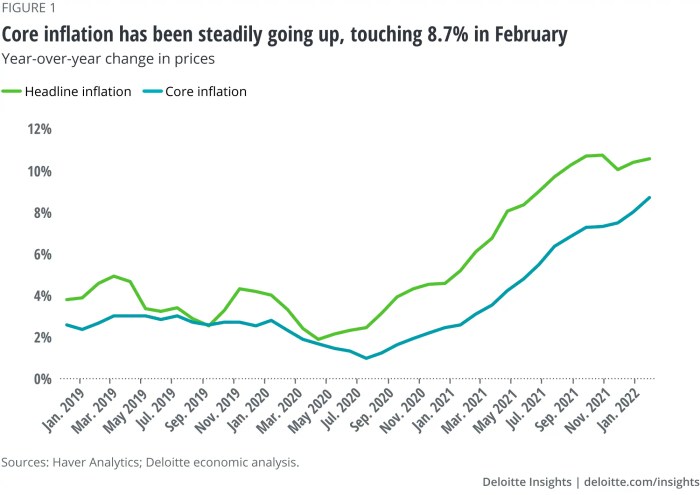
In conclusion, the Brazilian economy’s 14% growth in the first quarter presents a promising outlook. While challenges remain, the factors driving this growth—strong consumer spending, supportive government policies, and agricultural success—suggest potential for sustained economic expansion. However, continued monitoring of global economic conditions and sector-specific performance will be crucial to assessing the long-term implications and ensuring the economy’s resilience.