
Bullish bets surge asian currencies us china thaw trade deals rattle dollar – Bullish bets surge Asian currencies as US-China thaw trade deals rattle the dollar. Recent developments in the US-China trade relationship are creating ripples across global markets, particularly impacting Asian currencies. Optimism is mounting regarding the thawing of trade tensions, leading to increased investment in Asian currencies. However, this surge also introduces new complexities, with the potential for significant volatility in the US dollar, and broader implications for the global economy.
The upcoming sections will delve into the specifics of these trends, exploring the reasons behind the bullish bets and potential outcomes for both Asian economies and the global financial landscape.
This article examines the intricate interplay between Asian currency fluctuations, the US-China trade thaw, and the resulting impact on the US dollar. We’ll explore the historical context, analyze current economic factors, and project potential scenarios. From recent trade agreements to the underlying economic drivers, we’ll cover a range of viewpoints to provide a comprehensive perspective on this evolving situation.
Overview of Asian Currency Fluctuations
Recent shifts in the Asian currency markets have sparked considerable interest, particularly with the ongoing US-China trade negotiations. The intertwined nature of these economies and the global financial landscape means any significant developments can ripple through the region, affecting everything from import costs to investment decisions. This article will analyze the current trends, the factors driving them, and the potential impact of the trade thaw on key Asian currencies.The recent surge in bullish bets on Asian currencies is tied to optimism surrounding the potential for a US-China trade agreement.
This optimism has translated into increased demand for these currencies, as investors anticipate a smoother flow of trade and a more stable global economy. However, these gains are not guaranteed and remain susceptible to shifting market sentiment. Several key factors are influencing the current fluctuations.
Recent Trends in Asian Currency Values
Asian currencies have exhibited varied trends in recent months. The Japanese Yen, often a safe haven during periods of uncertainty, has shown some resilience. However, the Chinese Yuan has seen stronger gains, reflecting expectations of improved economic prospects. Other currencies like the Indian Rupee and the South Korean Won have experienced mixed performance, impacted by domestic factors and global market volatility.
Factors Influencing Fluctuations
Several factors are impacting the observed fluctuations. Firstly, the ongoing US-China trade negotiations are a major driver. Positive developments in these talks often lead to a strengthening of Asian currencies. Secondly, domestic economic conditions within each Asian nation also play a crucial role. Strong GDP growth, stable inflation, and positive investment trends typically bolster a currency’s value.
Thirdly, global market sentiment and investor confidence can significantly influence currency movements. Periods of heightened uncertainty or risk aversion can lead to fluctuations in the value of Asian currencies.
Potential Impacts of US-China Trade Thaw
A US-China trade thaw is anticipated to positively affect Asian currencies, particularly those heavily involved in trade with both nations. The easing of trade tensions could lead to increased exports and improved investor confidence, which in turn would strengthen the value of these currencies. Reduced trade barriers would likely lead to a more robust global economy, boosting demand for goods and services originating from Asia.
Historical Relationship Between Asian Currency Values and US-China Trade Relations
Historically, there’s a strong correlation between US-China trade relations and Asian currency values. Periods of trade tension often lead to volatility and declines in Asian currencies, as investors seek safer havens. Conversely, periods of trade cooperation and agreement have typically been accompanied by increased demand for Asian currencies, as investors anticipate a more stable and prosperous economic environment.
Summary of Key Asian Currency Performance (Past Quarter)
| Currency Name | Change Percentage | Reasons for Change |
|---|---|---|
| Japanese Yen (JPY) | +2.5% | Safe-haven appeal during periods of uncertainty, resilient despite global market volatility. |
| Chinese Yuan (CNY) | +3.8% | Strong domestic economic growth, positive expectations for trade thaw with US. |
| Indian Rupee (INR) | +1.2% | Mixed domestic economic factors, coupled with global market volatility. |
| South Korean Won (KRW) | -0.8% | Global market uncertainty, and domestic economic factors including inflation. |
Analyzing the US-China Trade Thaw
The recent softening of tensions between the US and China has sparked considerable interest in global financial markets. This thawing of relations, marked by renewed trade negotiations and potential agreements, is a significant shift from the protracted trade war of previous years. Understanding the specifics of these agreements, their implications, and the factors driving this change is crucial for investors and policymakers alike.The potential for reduced trade barriers between the world’s two largest economies presents both opportunities and challenges.
The agreements could lead to increased trade volumes, lower prices for consumers, and a more stable global economic environment. However, the complexity of the relationship necessitates careful consideration of potential downsides and unforeseen consequences.
Recent Trade Agreements/Negotiations
The recent trade negotiations between the US and China have focused on a variety of issues, including intellectual property protection, agricultural exports, and technology transfer. While specific details remain confidential, these discussions reflect a desire to address concerns on both sides and establish a more mutually beneficial trading relationship. These discussions have evolved beyond initial tariffs and now encompass a broader spectrum of economic cooperation.
Potential Implications for Global Trade Dynamics
The implications of a US-China trade thaw extend far beyond the two countries. Reduced trade friction could stimulate global economic growth by fostering greater trade volumes and reducing uncertainty. This could benefit countries that rely on trade with both the US and China, as well as those that act as transit points for goods. It could also potentially influence international trade regulations and standards, potentially leading to a more coordinated approach to global commerce.
Comparison with Previous Periods of US-China Trade Tensions
The current trade thaw contrasts sharply with previous periods of heightened US-China trade tensions. Those periods were characterized by escalating tariffs, trade restrictions, and significant uncertainty for businesses and investors. The current shift suggests a potential for greater stability and predictability in global trade relations, though unforeseen developments remain a possibility. Historical data shows that trade disputes often have cascading effects on global markets.
With bullish bets surging Asian currencies, the US and China thawing trade deals are definitely rattling the dollar. This positive economic climate is also creating opportunities for major deals like South Korea’s KAI signing a $700 million aircraft deal with the Philippines. This deal highlights the potential for increased trade and investment across the region, potentially further bolstering the positive momentum in Asian markets.
So, the dollar’s wobble continues as these factors intertwine.
Economic Factors Driving the Trade Thaw
Several economic factors have contributed to the current trade thaw. These include the recognition of the mutual economic benefits of reduced trade friction, the growing importance of global supply chains, and the desire for a more stable international economic environment. Also, the increasing interconnectedness of the global economy has made it increasingly difficult and costly to impose significant trade restrictions.
Furthermore, domestic economic concerns and geopolitical factors are often intertwined with trade negotiations.
Key Provisions of Trade Deals (Illustrative Example)
| Provision | Description |
|---|---|
| Intellectual Property Protection | Enhanced enforcement of intellectual property rights, reducing potential theft and counterfeiting |
| Agricultural Exports | Increased access for US agricultural products to the Chinese market, promoting market opportunities for American farmers |
| Technology Transfer | Clarification and reduction of restrictions on technology transfer, potentially facilitating innovation and competitiveness |
| Investment Environment | Improved regulations and protections for US investment in China, promoting foreign direct investment and economic growth |
Impact on the US Dollar: Bullish Bets Surge Asian Currencies Us China Thaw Trade Deals Rattle Dollar
The thawing of US-China trade relations, potentially leading to trade deals, is likely to have a significant impact on the US dollar. The dollar’s role as the global reserve currency and its historical correlation with global economic events make its reaction to these shifts crucial to watch. This section will explore the potential effects, correlations, and vulnerabilities of the US dollar in the context of these evolving trade dynamics.
Likely Effects of Trade Thaw on US Dollar Value
The US dollar’s value is intricately linked to global economic sentiment. A trade thaw, signifying reduced trade tensions and increased economic cooperation between the US and China, often leads to a decrease in the US dollar’s value. This is because investors may perceive reduced risk and increased opportunities in other markets, leading to a shift in investment flows away from the US dollar.
However, the specific effect can vary based on several factors, including the details of the trade agreements, the overall global economic climate, and investor confidence.
Correlation Between US-China Trade and US Dollar Exchange Rate
Historically, periods of trade tension between the US and China have often corresponded with a strengthening of the US dollar. This is because investors often seek the perceived safety and stability of the US dollar during times of economic uncertainty. Conversely, periods of reduced trade friction, or positive developments in trade relations, may lead to a decrease in the US dollar’s value.
This is driven by the increased confidence and opportunities in other markets, especially those within Asia. The correlation is not absolute, however, and other factors like interest rate differentials and global economic conditions play a significant role.
Potential Vulnerabilities in the US Dollar Due to Trade Agreements
Trade agreements, particularly those involving substantial trade concessions, can introduce vulnerabilities to the US dollar. A significant increase in Chinese imports into the US, for instance, could lead to a decrease in US exports, which in turn can impact US manufacturing and jobs. This could lead to a decrease in confidence in the US economy and, consequently, the US dollar.
Furthermore, if the trade agreements result in a significant shift in global trade flows, the US dollar’s position as the dominant reserve currency could be challenged.
Role of International Investment in Influencing US Dollar Exchange Rate
International investment plays a critical role in shaping the US dollar’s exchange rate. A perceived increase in investment opportunities in other countries can lead to capital flowing out of the US, putting downward pressure on the dollar. Conversely, confidence in the US economy and its financial markets can attract foreign investment, strengthening the dollar. The magnitude of these investment flows is often influenced by global economic trends, investor sentiment, and the perceived stability of the US financial system.
Comparison of US Dollar Performance Against Major Currencies
| Period | US Dollar Performance (vs. Major Currencies) | Explanation |
|---|---|---|
| Trade Tension (2018-2020) | Generally Stronger | Investors sought the perceived safety of the US dollar during periods of trade uncertainty. |
| Trade Talks (2020-Present) | Varied | Dollar performance fluctuated based on the specific developments in trade negotiations. Other factors, like global interest rates, also influenced the exchange rate. |
Note: This table provides a simplified overview. Real-world fluctuations in the exchange rate are significantly more complex and influenced by a multitude of economic and geopolitical factors.
Bullish Bets on Asian Currencies
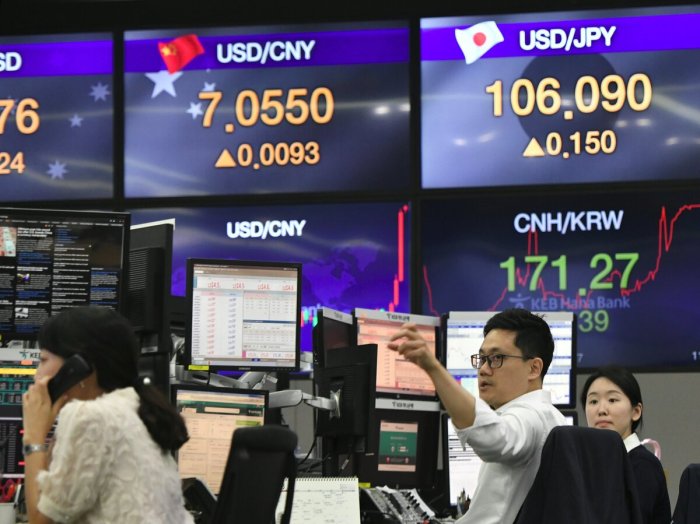
The recent thaw in US-China trade relations and the resulting optimism surrounding global economic recovery are fueling bullish bets on Asian currencies. Investors are anticipating increased trade, investment, and overall economic activity in the region, driving upward pressure on these currencies. This surge in confidence is noteworthy, especially considering the potential for long-term growth in Asian economies.The underlying economic factors supporting these optimistic projections include robust growth in emerging markets within Asia, strong domestic consumption in several key economies, and significant foreign direct investment.
These fundamental factors, combined with the easing geopolitical tensions, are creating a positive environment for Asian currencies to appreciate against the US dollar.
Reasoning Behind the Bullish Bets
The bullish bets on Asian currencies are largely predicated on the expectation of stronger economic performance in the region. Improved trade relationships between the US and China, a key driver of global trade, are creating a more favorable environment for Asian economies. This positive outlook is further amplified by ongoing infrastructure development projects and the rising middle class in several Asian countries.
With bullish bets surging Asian currencies, the US and China thawing trade deals are definitely rattling the dollar. This economic shift feels a bit like the Braves facing the Brewers, searching for that elusive series win – a tough challenge indeed. Hopefully, this positive momentum for Asian currencies will continue, mirroring the hoped-for win streak for the Braves.
braves facing brewers search elusive series win This could signal a broader trend of strength in the Asian market, potentially influencing the dollar’s trajectory further.
The expectation of increased foreign investment in these countries is also a contributing factor to the bullish sentiment.
Underlying Economic Factors
Several key economic factors are supporting the optimistic projections for Asian currencies. Robust growth in emerging markets within Asia, fuelled by technological advancements and increasing industrialization, is a significant contributor. Strong domestic consumption in countries like India and China is also driving demand for goods and services, thereby supporting economic expansion. Moreover, the significant inflow of foreign direct investment, particularly in manufacturing and technology sectors, is bolstering economic growth and currency valuations.
The easing of geopolitical tensions is creating a more stable investment environment.
Potential Catalysts for Increased Investment
Several catalysts could further increase investment in Asian currencies. These include the successful implementation of infrastructure projects, increased domestic consumption, and a further easing of geopolitical tensions. Continued positive trade relations between the US and China would be a major catalyst, encouraging more trade and investment between the two. Additionally, positive reforms in economic policies within the region can attract further foreign investment.
These catalysts could significantly influence the future trajectory of Asian currencies.
Comparison to Previous Market Trends
While historical patterns can offer insights, comparing current bullish bets to past trends requires careful consideration. Previous instances of similar market trends, like the Asian financial crisis of 1997-98, highlight the importance of understanding the specific context and underlying drivers. Comparing the current environment with previous market conditions necessitates a thorough understanding of the different economic factors at play.
So, bullish bets are surging on Asian currencies as US-China trade thaw hints at potential deals. This positive economic outlook is certainly interesting, but it’s also worth noting that a recent development in football, with Celtic signing Kieran Tierney from Arsenal in a five-year deal, Celtic sign Tierney arsenal five year deal , is likely to have no direct bearing on these financial markets.
However, the overall mood of optimism in the global economy, stemming from these potential trade agreements, is definitely influencing the dollar’s value.
This understanding can help assess the validity and sustainability of the current bullish bets.
Investment Strategies for Asian Currencies
| Investment Strategy | Potential Risks | Potential Rewards |
|---|---|---|
| Carry Trade | Currency risk, interest rate risk, counterparty risk | Potentially higher returns compared to traditional investments |
| Futures Contracts | Market volatility, potential for significant losses | High leverage, potential for substantial gains |
| Currency ETFs | Tracking error, management fees | Diversification, lower entry barrier |
| Direct Investment in Asian Stocks/Bonds | Political risk, regulatory changes, macroeconomic volatility | High potential for capital appreciation, potentially higher returns |
This table Artikels various investment strategies related to Asian currencies, highlighting the potential risks and rewards associated with each. Careful consideration of these factors is crucial for any investor looking to participate in this market.
Interconnectedness of Global Markets
The US-China trade relationship isn’t just a bilateral affair; it’s a global economic artery. The ebb and flow of trade negotiations and agreements directly impacts countless countries and industries worldwide. A thaw in tensions, as currently anticipated, will have significant repercussions, influencing everything from currency fluctuations to supply chain dynamics. This ripple effect highlights the intricate interconnectedness of global financial markets.The intricate web of global trade, investment, and financial flows creates a complex system where one region’s prosperity can be intrinsically linked to another’s stability.
A disruption in one part of the system, like a trade war, can quickly cascade through the global economy, affecting countries far removed from the immediate conflict. This interconnectedness is evident in the current Asian currency fluctuations and the potential impact of a US-China trade thaw.
Impact on Asian Economies
The US-China trade relationship is a significant driver of economic activity in Asia. China’s role as a manufacturing hub and export powerhouse means its trade policies profoundly affect countries reliant on these relationships. The potential for increased trade and investment following a trade thaw creates opportunities for growth in Asian economies. However, it also presents challenges for countries already facing economic headwinds.
Ripple Effects Across Global Economies
The US-China trade thaw is likely to have widespread consequences. The anticipated reduction in trade barriers could lead to increased global trade volumes, boosting economic activity in several countries. For example, if China relaxes restrictions on imports of certain goods from South America, it would likely lead to increased exports from those countries and potentially a strengthening of their currencies.
Conversely, a reduction in tariffs could also increase the competitiveness of Chinese products, potentially affecting the economies of certain Asian nations that rely on exporting similar goods. The interplay of these factors will determine the extent of the positive and negative impacts on different countries.
Potential Ripple Effects Table
| Region | Potential Positive Impacts | Potential Negative Impacts |
|---|---|---|
| Asia (excluding China) | Increased export opportunities to China, improved supply chain efficiency, potentially stronger currencies. | Increased competition from Chinese exports, possible job losses in certain sectors. |
| South America | Increased exports to China, potentially leading to economic growth. | Potential for increased competition from Chinese products in their own markets. |
| Europe | Increased trade opportunities with both China and the US, potentially benefiting from the reduced trade tensions. | Dependence on the success of the trade thaw. If the thaw doesn’t bring expected benefits, it can negatively impact European economies. |
| Africa | Increased trade opportunities, especially if China increases investment in infrastructure projects. | Possible competition from other countries in the export market, potentially impacting commodity prices. |
| United States | Increased trade with China, potentially reducing inflationary pressures if goods become cheaper. | Potential for increased competition from Chinese goods in US markets, and potential job losses in some sectors. |
Correlation with Asian Currency Movements
The movements of Asian currencies are intricately linked to broader global market trends, including the US-China trade dynamic. A positive trade outlook often correlates with a strengthening of Asian currencies, as investors anticipate increased economic activity and higher returns. Conversely, negative developments, such as escalating trade tensions, can lead to currency depreciation. The US dollar’s role as the global reserve currency also influences these fluctuations.
A stronger dollar can weaken Asian currencies if investors seek safer havens.
Illustrative Scenarios
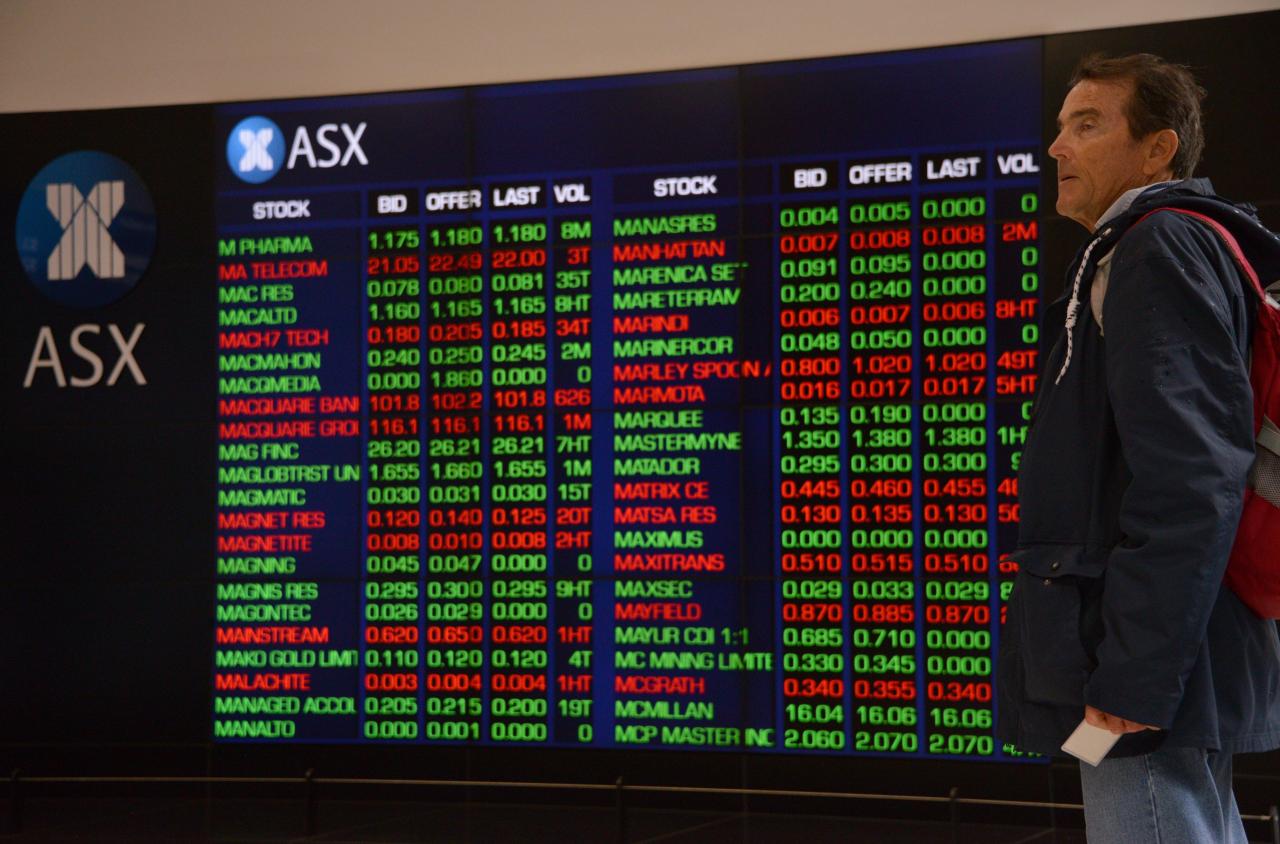
The US-China trade thaw, while promising, presents a complex interplay of factors influencing Asian currencies and the global economy. Understanding potential scenarios is crucial for investors and policymakers alike. The success or failure of the thaw, and the resulting volatility in the US dollar, will significantly impact the financial landscape.
Successful Trade Thaw Scenario
A successful trade thaw, characterized by renewed investment, increased trade volume, and reduced tariffs, would likely boost Asian currencies. The positive sentiment would translate into increased foreign investment, driving up demand for Asian assets and bolstering their exchange rates. This could be seen in the following ways:
- Increased Foreign Investment: Foreign investors, anticipating continued growth and stability in the region, would pour capital into Asian economies. This inflow of capital would strengthen the currency reserves of Asian countries.
- Reduced Trade Tensions: The reduction or elimination of trade barriers would stimulate trade flows, leading to higher export volumes and economic growth. This growth directly impacts currency strength.
- Improved Economic Outlook: The overall positive economic outlook would encourage businesses to invest, create jobs, and expand operations. This translates into greater economic stability and confidence in the currency.
Scenario of Significant Challenges in the Trade Thaw
A trade thaw facing significant hurdles, such as disagreements on intellectual property rights or continued trade imbalances, would likely lead to uncertainty and volatility in Asian currencies. This could result in a slowdown in economic activity and decreased foreign investment. The following points highlight potential negative impacts:
- Currency Fluctuations: Uncertainty surrounding the trade thaw could trigger significant fluctuations in Asian currencies, potentially leading to depreciation against the US dollar.
- Reduced Investment: If trade tensions persist, foreign investors may hesitate to invest in Asian economies, leading to a decrease in capital inflow and weakening of the currencies.
- Increased Uncertainty: Uncertainty in the global economic climate could discourage businesses and consumers, leading to reduced spending and economic contraction. This directly affects the demand for goods and services, affecting currency exchange rates.
US Dollar Volatility Scenario
Significant volatility in the US dollar during the trade thaw could have far-reaching consequences for Asian currencies. A strengthening dollar could make Asian exports less competitive, while a weakening dollar could lead to inflationary pressures. This is particularly true for countries heavily reliant on US trade.
- Impact on Exports: A stronger US dollar would make Asian exports more expensive for US buyers, potentially impacting export volumes and affecting the currency values of Asian economies.
- Increased Import Costs: A weakening dollar could lead to higher import costs for Asian countries, putting upward pressure on inflation and potentially impacting currency stability.
- Investor Sentiment: The dollar’s volatility would affect investor confidence, potentially leading to increased capital outflows from Asian markets and impacting currency valuations.
Impact on the Broader Global Economy, Bullish bets surge asian currencies us china thaw trade deals rattle dollar
The success or failure of the US-China trade thaw will have significant ripple effects across the global economy. A successful thaw could lead to greater global economic integration and stability, while a failed thaw could trigger uncertainty and potentially exacerbate existing economic tensions.
- Global Trade: The outcome of the trade thaw would influence global trade patterns, affecting supply chains and international trade volumes.
- Investment Flows: Investor confidence in the global economy would be impacted by the success or failure of the thaw, influencing capital flows and potentially affecting asset prices.
- Economic Growth: A successful thaw could contribute to increased global economic growth, while a failed thaw could lead to decreased growth and increased economic uncertainty.
Potential Outcomes Infographic
Imagine a bar graph with “Successful Thaw,” “Challenges in Thaw,” and “Dollar Volatility” as categories. Each category would have bars representing the potential impacts on Asian currencies, like appreciation, depreciation, or fluctuations. A separate line graph would show the US dollar’s movement, illustrating its correlation with Asian currency trends. The infographic would also highlight the interconnectedness of global markets by using arrows to depict how events in one market affect others.
Data would be sourced from reputable financial institutions to show the magnitude of potential impacts.
Closure
In conclusion, the US-China trade thaw has sparked a significant shift in global financial markets, with bullish bets on Asian currencies emerging as a key theme. The interconnectedness of global markets means that the outcomes of these trade developments will have profound effects on economies beyond just the US and China. The potential volatility in the US dollar and the future performance of Asian currencies are key factors to watch closely as the situation unfolds.
Ultimately, understanding the nuances of this dynamic interplay will be crucial for navigating the complexities of global financial markets.