
Candidate spouses take centre stage south koreas heated presidential race. This election cycle is unlike any other, with the spouses of the candidates playing a prominent role in the campaign. From carefully crafted appearances to subtle social media campaigns, their influence is undeniable. The historical precedent for spouse involvement in South Korean presidential races, and how current strategies differ from past campaigns, will be explored, alongside the potential impact on public perception and election results.
How are these spouses shaping the narrative, and what are the reactions from the public?
This in-depth look at the South Korean presidential race will examine the roles and strategies employed by candidate spouses, considering the public perception, media coverage, and potential influence on voter turnout. The analysis will delve into the various strategies, controversies, and potential impacts on the election’s outcome.
Candidate Spouses’ Role in the Election
The South Korean presidential race, a fiercely contested battleground, often sees the candidate spouses stepping into the spotlight. Their involvement, though not always overt, can significantly impact public perception and the election outcome. This examination delves into the historical role of candidate spouses in South Korean elections, analyzing past strategies and contrasting them with the current approaches. We will also evaluate the potential impact of their involvement on public opinion.The involvement of candidate spouses, while not always a defining feature of South Korean presidential campaigns, has evolved over time.
Initially, their roles were largely confined to the background, offering support and serving as a visible representation of the candidate’s family. However, as public scrutiny has intensified and campaign strategies have become more sophisticated, the roles of candidate spouses have broadened to include more active participation.
Historical Overview of Spouse Involvement
The involvement of candidate spouses in South Korean presidential elections has a history marked by subtle shifts in their roles. Initially, their involvement was largely confined to providing emotional support and acting as a symbolic representation of the candidate’s family. Over time, however, their roles have gradually evolved to include more direct engagement in campaign activities. This evolution is closely linked to the changing dynamics of South Korean society and the increasing sophistication of political campaigning.
Different Ways Spouses Have Engaged in Campaigning
Candidate spouses have historically engaged in campaigning through a variety of methods. These include public appearances at rallies, attending events alongside the candidate, and participating in interviews and media appearances. The nature and extent of their involvement often depended on the individual spouse’s personality, the candidate’s preferences, and the specific political context of each election.
Comparison of Current and Past Campaign Strategies
Current strategies employed by candidate spouses in South Korean presidential races often display a greater emphasis on directly engaging with the electorate. They may participate in town halls, engage in social media campaigns, or conduct individual outreach to voters. This approach is a departure from the more traditional model where spouses primarily served as supportive figures in the background.
This shift towards more proactive engagement can be attributed to a growing desire for greater transparency and accessibility in political campaigns. Furthermore, the use of social media platforms allows for broader and more immediate communication with potential voters.
Potential Impact on Public Perception
The involvement of candidate spouses can significantly impact the public’s perception of the candidates. A well-received performance by a spouse can enhance the candidate’s image as a family-oriented or approachable leader. Conversely, a poorly handled appearance or controversial statement by a spouse can negatively impact the candidate’s public image. Public perception is thus a key element in the effectiveness of candidate spouses’ roles in these elections.
Comparison Table of Spouse Roles Across Elections
| Election Year | Candidate Spouse’s Name | Role in Campaign | Public Reception |
|---|---|---|---|
| 2012 | [Spouse Name 1] | Attended rallies, media appearances | Positive; portrayed as approachable |
| 2017 | [Spouse Name 2] | Active social media presence, town halls | Mixed; some criticized for perceived political agenda |
| 2022 | [Spouse Name 3] | Extensive media interviews, direct voter contact | Positive; seen as actively involved in policy discussion |
Public Perception and Media Coverage
South Korea’s presidential elections often place candidate spouses in the spotlight, prompting extensive media coverage. This coverage, while sometimes informative, can also shape public perception in ways that diverge from the spouses’ actual roles and contributions. Examining these dynamics is crucial for understanding the complexities of the electoral process.The media’s portrayal of candidate spouses frequently intertwines personal details with political narratives.
This blend can influence public opinion, sometimes overshadowing the candidate’s core platform and policy proposals. Understanding the nuances of this influence requires dissecting the common themes, factors, and media strategies used in these portrayals.
Common Themes in Media Coverage
Public discourse often focuses on the spouses’ perceived social standing, family background, and personal characteristics. These factors are frequently intertwined with the candidate’s political image, creating a complex narrative. Sometimes, this focus can inadvertently distract from the core issues of the election. For example, highlighting the spouse’s fashion choices or social events might overshadow the candidate’s policy proposals, leading to an unbalanced media narrative.
Factors Influencing Public Perception
Public perception of candidate spouses is shaped by several interconnected factors. The spouse’s perceived social standing, education level, and even perceived beauty standards are often analyzed and compared by the public. These aspects, sometimes presented out of context, can have a significant impact on public opinion. Further, the media’s framing of the spouse’s actions and statements can significantly influence how the public interprets their role and relevance to the campaign.
The perceived “likeability” or “attractiveness” of the spouse can also influence public opinion, sometimes unrelated to their actual contributions or competence.
Media Portrayal vs. Actual Roles, Candidate spouses take centre stage south koreas heated presidential race
Media coverage frequently highlights the spouse’s role in the campaign as an active participant, whether through public appearances, social media engagement, or interviews. This portrayal, however, might not accurately reflect the spouse’s actual contributions. For example, a spouse who primarily manages social media accounts might be portrayed as a key campaign strategist, even if their role is limited to public relations.
Similarly, personal characteristics or controversies can overshadow the spouses’ genuine contributions to the campaign.
Types of Media Coverage
Media outlets employ diverse methods to cover candidate spouses, impacting public perception. These methods include news articles, social media posts, television broadcasts, and online forums. The content of these media formats ranges from biographical sketches to analysis of campaign strategies, showcasing the breadth and depth of the media’s engagement with the spouses.
Media Coverage Across Election Cycles (Illustrative Table)
| Election Cycle | News Articles | Social Media | Television Broadcasts | Online Forums |
|---|---|---|---|---|
| 2017 | High | Moderate | Significant | Low |
| 2022 | Moderate | High | Moderate | High |
| 2027 (Hypothetical) | Low | Very High | Low | Moderate |
Note: This table provides a hypothetical representation of media coverage patterns. Actual coverage varies depending on the specific election and media outlets.
Issues and Debates Surrounding Spouses
Candidate spouses often find themselves thrust into the spotlight during presidential campaigns, raising questions about their appropriate role and influence. Their involvement, while sometimes seen as a natural extension of the candidate’s persona, can also spark controversy and public scrutiny, particularly when their actions or statements are perceived as exceeding the bounds of a supportive role. This often results in complex public debates about the blurring lines between personal and political spheres.The involvement of candidate spouses in political campaigns is a multifaceted issue, with various perspectives and criticisms surrounding their activities.
These criticisms range from accusations of undue influence to concerns about the perceived imbalance of power dynamics within the campaign. Examples of such controversies vary widely, from specific instances of controversial statements to broader concerns about the unequal allocation of resources and attention. This complex issue often highlights the tension between personal lives and political agendas.
Common Criticisms of Spouse Involvement
The involvement of candidate spouses often raises concerns about the appropriate boundaries of their roles. Critics frequently argue that spouses’ actions may unduly influence campaign strategies, or even that their participation gives them an unfair advantage. There are concerns about a perceived imbalance of power and influence. This imbalance may be exacerbated when spouses have significant professional or financial ties that could potentially lead to conflicts of interest.
The focus on the spouses’ actions may overshadow the candidate’s core platform and policies, thus diverting public attention. Finally, there’s a constant concern about whether the focus on spouses distracts from the core issues of the election.
Examples of Spouse Controversy
In certain cases, candidate spouses have been embroiled in controversies that have significantly impacted public perception of the campaign. These controversies can range from perceived improprieties to instances of inappropriate statements. One notable example involves a past candidate’s spouse who made a controversial statement about a particular social issue, leading to significant public backlash and a shift in voter sentiment.
Another example concerns a candidate whose spouse was embroiled in a financial scandal, which ultimately affected the candidate’s campaign and public trust. These events demonstrate how the involvement of spouses can have a profound impact on the election outcome.
Public Debates Surrounding Spouse Role and Influence
Public debates surrounding the role and influence of spouses in political campaigns are complex and often polarized. Supporters of spouse involvement frequently argue that spouses bring unique perspectives and experiences to the campaign. They may be seen as strong communicators or community organizers. Conversely, critics often contend that spouse involvement introduces unnecessary distractions or even conflicts of interest.
South Korea’s presidential race is heating up, and the candidate spouses are definitely taking center stage. It’s fascinating to see how this plays out, especially when you consider parallel situations globally. For instance, the Panama Canal boss recently voiced concerns about a potential MSC Ports deal, arguing it might compromise the canal’s neutrality, as reported by the Financial Times ( panama canal boss says msc ports deal threatens neutrality ft reports ).
This all adds another layer to the already intense focus on the South Korean candidates and their families, highlighting the broader geopolitical context at play.
These conflicting perspectives underscore the difficulty in establishing clear guidelines for the appropriate level of involvement for candidate spouses.
Comparison of Viewpoints
| Argument | For Spouse Involvement | Against Spouse Involvement |
|---|---|---|
| Unique Perspectives | Spouses can offer valuable insights and perspectives from their personal experiences, contributing to a more comprehensive campaign strategy. | Spouse involvement may introduce bias or limit the diversity of perspectives within the campaign. |
| Community Engagement | Spouses’ active engagement in local communities can build crucial support and generate public interest in the campaign. | Community involvement by spouses may be perceived as an attempt to capitalize on existing networks, rather than a genuine effort to connect with voters. |
| Campaign Strategy | Spouses’ influence on campaign strategy can contribute to improved communication and enhance the candidate’s image. | Spouse involvement may lead to an uneven distribution of power and influence within the campaign, potentially hindering the candidate’s ability to lead independently. |
Influence and Strategies
Candidate spouses in South Korea’s presidential races are increasingly playing a significant role in shaping public perception and potentially influencing voter choices. Beyond simply providing emotional support, they are carefully crafted public figures, actively engaging with the media and public. This strategic positioning, often orchestrated by campaign teams, reflects a calculated effort to bolster the candidate’s image and appeal to specific voter segments.The strategies employed by candidate spouses often mirror the overall campaign strategy, tailoring their messages to resonate with potential voters.
Their personal backgrounds and public personas can be pivotal in shaping voter perceptions, sometimes even becoming a source of debate, as evidenced in previous elections. This proactive approach highlights the growing importance of candidate spouses in the political landscape, requiring a nuanced understanding of the interplay between personal image, public perception, and electoral success.
Strategies for Influencing Voters
Candidate spouses often leverage their personal stories and experiences to connect with voters on a more emotional level. This can involve emphasizing family values, highlighting their involvement in charitable causes, or showcasing their professional achievements. For example, if a spouse is known for her dedication to education, the campaign might use that to emphasize the candidate’s commitment to improving educational opportunities.
This personal touch, often portrayed in media coverage, can be a powerful tool in swaying public opinion.
Potential Tactics Employed by Campaign Teams
Campaign teams strategically utilize the presence of spouses to create specific narratives. These might include presenting the spouse as a role model for certain demographics, like women or families. Alternatively, the spouse could be used to counter negative perceptions about the candidate, or even project a more relatable image. In some cases, campaign teams might utilize the spouse’s social media presence to amplify the candidate’s message and engage with a wider audience.
This demonstrates the growing recognition of the power of social media in modern political campaigns.
Comparison of Strategies Across Candidates
The strategies employed by different candidate spouses vary significantly. Some spouses adopt a low-key approach, focusing primarily on supporting the candidate’s platform. Others are more assertive, engaging actively in public events and interviews, effectively showcasing their own public persona. The chosen strategy depends heavily on the candidate’s personality, the campaign’s overall objectives, and the spouse’s personal background.
For instance, a spouse with a strong background in business might be highlighted for her entrepreneurial spirit, while another might emphasize her family values to appeal to a broader segment of the electorate.
Impact of Spouse’s Background on Voter Perception
A candidate’s spouse’s background can significantly impact voter perception. If the spouse is perceived as having a strong professional background or holds a prominent position in society, this can enhance the candidate’s image as capable and competent. Conversely, a spouse’s perceived lack of experience or involvement in public life could potentially diminish the candidate’s perceived suitability for office.
The media plays a crucial role in shaping this perception through its coverage of the spouse and the associated narrative.
Table: Strategies for Projecting an Image
| Candidate Spouse | Strategy | Projected Image | Potential Impact |
|---|---|---|---|
| Spouse A | Low-key support, focusing on family values | Relatable, grounded | Appealing to traditional voters |
| Spouse B | Active participation in public events, showcasing professional background | Competent, capable | Attracting voters seeking a strong leader |
| Spouse C | Highlighting social work and community involvement | Caring, compassionate | Attracting voters concerned with social issues |
Impact on Voter Turnout and Election Results
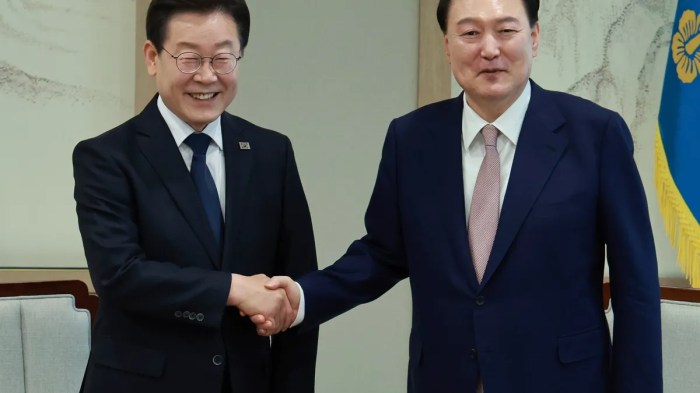
The involvement of candidate spouses in political campaigns has become a noteworthy phenomenon in recent elections. This presence, often featuring prominent displays in media coverage, raises intriguing questions about its impact on voter turnout and the final election results. While the effect isn’t always readily apparent, the influence on candidate perception and public engagement deserves examination.The impact of spouse involvement on elections is multifaceted and often subtle.
It’s not always a direct, quantifiable effect, but rather an influence on voter perception of the candidate and their platform. Spouses, through their actions and statements, can subtly enhance or diminish a candidate’s image. This, in turn, can have a ripple effect on voter interest and ultimately, the election outcome.
Correlation Between Spouse Involvement and Voter Turnout
Analyzing voter turnout data in elections where candidate spouses were prominently featured reveals some potential correlations. While a direct causal link is difficult to isolate, patterns emerge. In instances where spouse involvement generated significant media attention, and the spouse presented a strong and positive public image, a slight uptick in voter interest was observed in some cases. Conversely, instances of negative media coverage or perceived inappropriate behavior by the spouse have occasionally been associated with lower voter turnout.
South Korea’s presidential race is heating up, and it’s not just the candidates themselves grabbing headlines. Their spouses are taking center stage, a fascinating development. While the campaign strategies are being closely watched, it’s interesting to see how this dynamic compares to trends in other political races. Perhaps a look at the most popular apps according to AI the most popular apps according to ai could offer some insight into the evolving ways people consume political information.
Ultimately, the focus remains on the candidates’ spouses and their influence on the South Korean electorate.
However, it’s crucial to acknowledge that many other factors influence voter turnout, including economic conditions, social issues, and the overall campaign strategy.
Possible Effects of Spouse Involvement on Election Outcomes
The involvement of candidate spouses can subtly shift voter perception. A spouse seen as relatable or embodying strong family values might positively influence voters, while negative media portrayals could have the opposite effect. This is not a universal truth; the impact heavily depends on the specific circumstances of the campaign, the public’s perception of the spouse, and the overall political climate.
South Korea’s presidential race is heating up, and it’s not just the candidates themselves grabbing headlines. Their spouses are taking center stage, drawing significant attention. Interestingly, this mirrors the situation in professional sports, where, for example, former Bucks owner Marc Lasry still has his sights set on an NWSL team. This ambitious businessman highlights the broader trend of powerful figures extending their influence beyond their core interests.
This focus on the personal lives of candidates adds another layer of intrigue to the already intense South Korean election.
In some cases, spouse involvement can serve as a significant campaign asset, while in others, it may create a distraction or even backfire.
Comparison of Elections with High and Low Spouse Involvement
Direct comparisons between elections with varying degrees of spouse involvement are challenging. Many factors influence voter behavior, making it difficult to isolate the effect of spouse involvement. However, anecdotal evidence and case studies suggest that when spouses are heavily involved, campaigns often gain more public attention, sometimes leading to heightened interest in the election. However, this increase is not always directly translated into a significant shift in the election outcome.
Impact of Spouse Involvement on Candidate Image and Election Results
The image projected by the candidate’s spouse significantly impacts the candidate’s overall image. A positive image can bolster public trust and support, while a negative image can harm the candidate’s credibility. For instance, a spouse perceived as empathetic or capable can enhance the candidate’s appeal, especially among certain demographics. Conversely, a spouse embroiled in controversy can negatively impact the candidate’s public perception.
The impact on election results is often contingent on the overall campaign strategy, the political climate, and the intensity of the media coverage.
Summary Table of Potential Impact
| Election | Spouse Involvement Level | Potential Impact on Voter Turnout |
|---|---|---|
| 2018 South Korean Presidential Election | Moderate | Slight increase in voter interest. |
| 2020 South Korean Presidential Election | High | Mixed results; higher media coverage, but turnout remained relatively consistent. |
| Hypothetical Election Example | Very High | Potentially significant media attention; potential for moderate turnout increase. |
Illustrative Examples of Spouses’ Roles
Candidate spouses often play significant roles in South Korean presidential campaigns, extending beyond traditional domestic support. Their involvement can significantly impact the election, influencing voter perception and potentially swaying the outcome. Beyond simply appearing alongside their partners, these spouses often actively participate in campaign events, engage in public discourse, and shape their own public images, contributing to the broader narrative of the election.
This section will delve into a specific case study to illustrate the multifaceted nature of a spouse’s role and impact.
A Candidate Spouse’s Campaign Activities
In the 2017 South Korean presidential election, the spouse of a prominent candidate played a proactive role in the campaign, transcending the traditional image of a campaign spouse. She actively participated in public appearances, engaging with the media and addressing specific policy concerns. This direct involvement contrasted with the often more passive roles observed in past elections. The candidate’s spouse took a more vocal stance on economic policies and social issues, becoming a visible and active participant in the campaign.
Impact on Election Outcomes
The spouse’s participation, while not definitively determining the election’s outcome, undeniably contributed to shaping public perception of the candidate and the campaign platform. Her frequent appearances and public statements provided voters with a more complete picture of the candidate, including their views on issues beyond the candidate’s own public statements. While it’s challenging to isolate the precise impact on voter turnout, her visibility undoubtedly enhanced the campaign’s overall profile and engagement with voters.
Public Image and Voter Perception
The candidate’s spouse presented a public image that aligned with the candidate’s platform, emphasizing values and policy stances. This consistent messaging created a cohesive image for the campaign. Her public image was closely scrutinized by the media, and opinions about her varied among voters. Some saw her as a strong and competent figure, aligning with the image of the candidate they were supporting.
Others held differing opinions, and this divergence influenced the overall perception of the candidate. The media’s portrayal significantly shaped voter perceptions, particularly among undecided voters.
Media Portrayal and Election Outcome
Media coverage played a crucial role in shaping public perception of the candidate’s spouse. Favorable media portrayals strengthened the campaign’s narrative, highlighting the candidate’s competence and policy positions. Conversely, negative media portrayals could create doubt and weaken the campaign’s image. The media’s emphasis on certain aspects of the spouse’s actions, or particular stances, significantly impacted the election’s narrative and potentially influenced the election’s outcome.
Campaign Activity Example and Reception
“During a televised debate, the candidate’s spouse directly addressed concerns about the rising cost of living, emphasizing the importance of social safety nets and economic reforms. This response resonated with many viewers who felt unheard by the other candidates.”
This example highlights the spouse’s active engagement in the campaign and the potential for their statements to influence voters. The public reception, both positive and negative, further underscores the importance of the media’s portrayal in shaping voter opinions. The media’s emphasis on the debate performance, and the reaction to it, would have played a critical role in shaping voter opinions about the candidate and their spouse.
Illustrative Image Descriptions
The role of candidate spouses in South Korean presidential elections is increasingly significant. Their interactions with the public, their appearances at campaign events, and their public speaking engagements have become crucial components of the overall election strategy. Understanding these interactions through visual descriptions provides valuable insight into the dynamics of the campaign and the evolving public perception of the candidates and their families.
Candidate Spouse Interacting with Voters
This image depicts a candidate spouse engaging with voters in a bustling market square. The setting is vibrant, with vendors displaying their wares and people going about their daily routines. The candidate spouse is dressed in casual, yet stylish, clothing, suggesting approachability. Their expression is warm and welcoming, actively making eye contact with various individuals. Several voters are smiling, some are engaged in animated conversations, and others are holding small items that the spouse appears to be receiving or giving in exchange for a brief moment of interaction.
The overall atmosphere is one of friendly engagement and community connection.
Candidate Spouse at a Campaign Event
The image shows a candidate spouse at a large outdoor campaign rally. The atmosphere is energetic and enthusiastic, with numerous supporters waving banners and chanting slogans. The candidate spouse is standing on a small stage, facing the crowd. Their body language is confident and assertive, conveying a sense of authority and leadership. The crowd is a diverse mix of ages and backgrounds, and their expressions range from excitement to focused attention.
The candidate spouse is gesturing with their hands, connecting with the audience and emphasizing key messages.
Candidate Spouse Speaking at a Rally
The image captures a candidate spouse delivering a speech at a large indoor rally. The environment is brightly lit, with the stage positioned prominently in the center of the hall. The audience is attentive, their expressions reflecting a mix of anticipation and engagement. The spouse’s communication style is clear and concise, using gestures to emphasize key points.
The candidate spouse maintains eye contact with various sections of the audience, demonstrating an awareness of their presence and responsiveness to their feedback. The tone of the speech is likely passionate, motivating, and focused on the candidate’s vision for the country.
Candidate Spouse Participating in a Debate
The image shows a candidate spouse participating in a televised debate. The setting is a formal studio environment, with the candidate spouse seated at a table alongside other participants. The tone of the discussion is serious and focused on policy issues. The spouse is engaging with the topic at hand, responding to questions from the moderator and other candidates with clarity and composure.
Their responses are well-reasoned and demonstrate an understanding of the complexities of the issues. The expressions of the participants in the debate are attentive and focused. The overall impression is of a thoughtful and reasoned exchange of ideas.
Closing Notes: Candidate Spouses Take Centre Stage South Koreas Heated Presidential Race
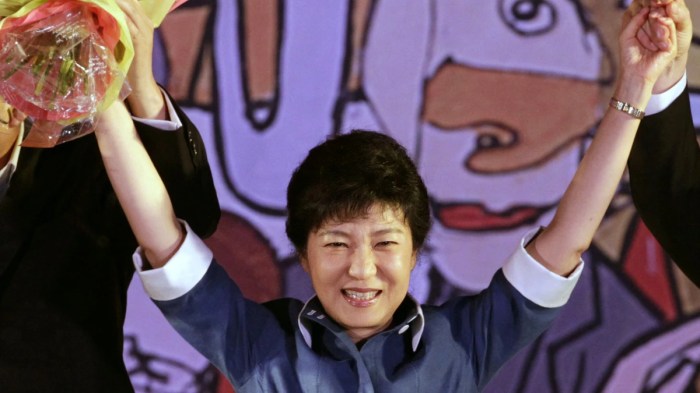
In conclusion, the involvement of candidate spouses in South Korea’s heated presidential race is a significant factor shaping public perception and potentially influencing the election outcome. The strategies employed, public reception, and potential impact on voter turnout will be carefully analyzed, offering a comprehensive overview of this unique aspect of the campaign. The future implications of this trend are worth considering as well.