
With Czech Republic cools near term move Israel embassy Jerusalem, the diplomatic landscape is shifting. This move reflects a complex interplay of historical context, recent political shifts, and potential economic repercussions. The Czech Republic’s decision signals a nuanced approach to the longstanding Israeli embassy relocation, sparking debate about the future of regional stability and international relations.
The historical context of the embassy relocation in Jerusalem is significant, marked by various political and diplomatic responses. The Czech Republic’s cooling stance on this issue reveals a recent adjustment in its foreign policy. Factors influencing this shift could include evolving regional dynamics, economic considerations, and domestic political pressures.
Historical Context of Israeli Embassy Move
The relocation of the Israeli embassy to Jerusalem has been a significant event, sparking considerable debate and diplomatic maneuvering. This move, a long-standing aspiration for Israel, has profound historical, political, and religious implications, influencing regional relations and international perceptions. The decision’s execution and the reactions it has elicited have underscored the complex and sensitive nature of the Israeli-Palestinian conflict.The establishment of Israel in 1948 and the subsequent Arab-Israeli wars created a volatile geopolitical landscape.
The question of Jerusalem’s status, and particularly its role as a holy site for Jews, Christians, and Muslims, became a crucial point of contention.
Historical Overview of Jerusalem’s Significance
Jerusalem has been a sacred city for three major religions for centuries, holding immense historical and religious significance. Its claim as a capital city for Israel and the broader geopolitical implications of this claim have been a source of continuous conflict. This historical significance played a significant role in shaping the debate surrounding the embassy relocation.
Political and Diplomatic Context
The relocation of the Israeli embassy to Jerusalem reflects a profound shift in Israel’s foreign policy. The move symbolized a commitment to claiming Jerusalem as Israel’s capital, solidifying its position. The international community’s response varied significantly, with some nations recognizing the move, while others expressed disapproval. This demonstrates the differing views on the status of Jerusalem and the potential for further escalation of tensions.
Reactions and Responses from Countries and International Organizations
The relocation elicited diverse reactions across the globe. Some countries expressed support for Israel’s right to self-determination and its choice of Jerusalem as its capital. Conversely, many other countries and international organizations voiced concern over the move, emphasizing its potential to exacerbate the Israeli-Palestinian conflict and undermine the peace process. The varying responses underscore the sensitivity and complexity of the issue.
Long-Term Implications
The long-term implications of the embassy relocation are multifaceted. The move is expected to further polarize the region, potentially impacting efforts toward peace and reconciliation between Israelis and Palestinians. It may also lead to a decline in diplomatic relations with certain countries. Furthermore, the international community’s response will be crucial in shaping the future trajectory of the conflict.
Key Dates and Events
| Date | Event | Significance |
|---|---|---|
| 1948 | Establishment of Israel | Marked the beginning of the Israeli-Palestinian conflict and the subsequent disputes over Jerusalem’s status. |
| 1967 | Six-Day War | Israel captured East Jerusalem, a key moment in the ongoing conflict. |
| 2018 | United States moves embassy to Jerusalem | A significant diplomatic shift, with other countries expressing varied reactions. |
| 2021 | Czech Republic moves embassy to Jerusalem | A move reflecting the Czech Republic’s stance on the Israeli-Palestinian conflict. |
Czech Republic’s Recent Cooling on the Issue

The Czech Republic’s stance on the relocation of the Israeli embassy to Jerusalem has undergone a noticeable shift. This change in position reflects a complex interplay of domestic and international considerations, deviating from its previous, more vocal support for the move. The shift signals a nuanced approach, suggesting a recalibration of priorities in the region.The Czech Republic’s cooling on the issue isn’t a sudden reversal, but rather a gradual evolution in its approach.
Factors such as the evolving geopolitical landscape, internal political pressures, and the desire to maintain balanced relations across the Middle East are all contributing to this shift. The Czech government appears to be prioritizing its own strategic interests and regional alliances, and this repositioning reflects that priority.
Factors Contributing to the Cooling
Several factors are believed to have influenced the Czech Republic’s shift in stance. These include the recognition that maintaining diplomatic ties with both Israel and Palestine is crucial for the country’s long-term interests. The delicate balance of maintaining these relations, while simultaneously upholding the country’s international commitments, has become a key consideration. Furthermore, economic and trade relationships with countries in the Middle East are another influencing factor.
The potential impact of the embassy move on these crucial ties is likely a contributing factor.
Czech Official Statements and Actions
Czech officials have issued statements reflecting a more cautious approach. These statements, though not explicitly renouncing the previous position, suggest a willingness to engage in dialogue and find solutions that address the concerns of all parties involved. Specifically, these statements underscore the importance of a peaceful resolution in the Israeli-Palestinian conflict. Actions taken by Czech officials have mirrored this cautious stance.
For instance, increased diplomatic efforts with both Israeli and Palestinian representatives are apparent, highlighting the growing significance of these efforts in shaping the Czech Republic’s approach.
Comparison with Previous Stance
The Czech Republic’s initial position regarding the embassy move was relatively firm. This initial support was rooted in a perceived alignment with Israel’s stance. However, the recent shift suggests a broader understanding of the complexity of the issue and the need for a more balanced approach. This evolving understanding has led to a more nuanced and diplomatic stance, demonstrating a willingness to consider the multifaceted aspects of the conflict.
The Czech Republic’s recent cooling on the near-term move of its Israeli embassy to Jerusalem seems strategically calculated. Perhaps the recent developments surrounding the WHO Director-General, Tedros Adhanom Ghebreyesus 2 , are playing a role. Either way, this pause suggests a careful consideration of diplomatic ramifications before proceeding with such a significant relocation.
Timeline of Czech Positions
| Date Range | Czech Republic’s Position |
|---|---|
| Early 2020s | Vocal support for the embassy move. |
| Late 2020s | Cautious approach, emphasizing the need for a peaceful resolution and balanced relations. |
Potential Economic Impacts
The Czech Republic’s recent cooling on the Israeli embassy relocation to Jerusalem has implications beyond diplomatic relations. This shift could significantly impact the economic landscape, potentially affecting trade, tourism, investment, and broader diplomatic ties. Analyzing these potential consequences requires a nuanced understanding of the economic interdependence between the two countries and the global political climate.
Potential Impacts on Trade Relations
The Czech Republic and Israel maintain a modest but steady trade relationship. This relationship, while not a cornerstone of either nation’s economy, could be impacted by the cooling of diplomatic ties. Reduced cooperation on trade agreements and potential sanctions, or retaliatory measures, could hinder the growth of mutual commerce. For example, a decline in Czech Republic exports to Israel, or conversely, a decrease in Israeli imports from the Czech Republic, could negatively affect Czech businesses and jobs.
Potential Impacts on Tourism and Investment
Tourism and investment flows are often influenced by diplomatic relations. A shift in diplomatic relations could potentially deter tourists from one country visiting the other. Israeli tourists might be less inclined to visit the Czech Republic, and conversely, Czech tourists might be discouraged from traveling to Israel. Similarly, investment opportunities might become less attractive if the political climate cools.
The Czech Republic seems to be taking a step back from immediately relocating its embassy in Israel to Jerusalem. Meanwhile, down under, New Zealand has just sworn in a new deputy prime minister, which is a significant event for the nation. This suggests a potential shift in focus from geopolitical tensions to domestic developments, potentially impacting the Czech Republic’s reconsideration of the embassy move in the near future.
For instance, if a country is perceived as less stable or supportive of international trade, companies may choose to invest elsewhere.
Potential Impacts on Diplomatic Relations with Other Countries
The Czech Republic’s decision, or lack thereof, regarding the embassy relocation could influence its relations with other countries. The Czech Republic’s stance on the issue might affect its reputation as a reliable and consistent international partner. The diplomatic fallout could create an environment of uncertainty for Czech businesses operating internationally. This might lead to less confidence in Czech Republic as a dependable partner, potentially impacting future trade deals and international collaborations.
Table of Potential Economic Repercussions
| Economic Impact | Czech Republic | Israel |
|---|---|---|
| Trade Relations | Potential decrease in exports and imports. Possible disruption of existing supply chains. | Potential decrease in exports and imports. Possible disruption of existing supply chains. |
| Tourism | Potential decrease in Israeli tourists. Reduced revenue for Czech tourism sector. | Potential decrease in Czech tourists. Reduced revenue for Israeli tourism sector. |
| Investment | Potential decrease in foreign investment from Israeli companies. Reduced economic growth potential. | Potential decrease in foreign investment from Czech companies. Reduced economic growth potential. |
| Diplomatic Relations | Potential damage to reputation as a reliable partner. Increased diplomatic tensions with countries that hold similar views. | Potential damage to reputation as a reliable partner. Increased diplomatic tensions with countries that hold similar views. |
Regional and Global Implications
The Czech Republic’s recent cooling on the Israeli embassy move to Jerusalem has significant ripple effects throughout the region and globally. This shift in stance, while seemingly a minor diplomatic adjustment, underscores the complex interplay of geopolitical interests and the evolving nature of international relations. It signals a potential recalibration of alliances and highlights the sensitive balance between political and economic considerations.
Regional Implications of the Czech Shift
The Czech Republic’s decision to temper its support for the move has tangible regional consequences. It potentially weakens the position of pro-Israel factions within the region, potentially encouraging alternative approaches. The Czech Republic’s actions might be interpreted as a signal to other countries, especially those with less robust ties to Israel, to reconsider their stance on the embassy issue.
This could lead to a more diverse range of opinions and strategies regarding the conflict.
Geopolitical Landscape Impacts
The Czech Republic’s shift can influence the broader geopolitical landscape by demonstrating a willingness to prioritize nuanced diplomacy. This shift could encourage similar adjustments in other nations’ approaches to the Israeli-Palestinian conflict. It may also inspire other nations to reassess their policies and strategies, thereby altering the dynamics of the conflict’s regional and international dimensions. This is particularly true for nations with strong ties to both the Czech Republic and Israel.
Potential Conflicts and Tensions
The Czech Republic’s cooling stance might trigger tensions with Israel and its allies. The potential for strained relationships exists. This could manifest in decreased economic cooperation or a decline in diplomatic dialogue. However, it is important to note that such consequences are not guaranteed, and alternative outcomes are possible.
International Diplomatic Implications
The Czech Republic’s move has international diplomatic implications. It demonstrates the complexities of balancing international relations and domestic political pressures. It potentially alters the existing power dynamics and encourages a more nuanced approach to conflict resolution in international diplomacy. This could impact the negotiation and resolution of similar conflicts in other regions, creating a broader precedent.
Possible Effects on Regional Stability
| Factor | Potential Positive Impact | Potential Negative Impact |
|---|---|---|
| Czech Republic’s Neutral stance | Reduced regional tensions, encourages dialogue, and fosters a more inclusive approach to conflict resolution. | Possible erosion of pro-Israel alliances, increased risk of miscalculation and miscommunication. |
| Influence on other countries | Potential for a broader shift in diplomatic approaches to the Israeli-Palestinian conflict. | Potential for increased conflict and instability as other nations take divergent paths. |
| Economic consequences | Could create space for more balanced economic relationships, potentially benefiting all parties. | Possible reduction in economic cooperation between Israel and other nations, impacting regional trade and investment. |
| Diplomatic Relations | Opportunity for more robust diplomatic ties with other nations, allowing for a more comprehensive approach to international issues. | Potential for strained relationships with key allies and increased geopolitical isolation. |
Public Opinion and Media Coverage
Public perception of the Israeli embassy move in the Czech Republic is a complex tapestry woven from diverse threads of history, geopolitics, and personal values. The shift in the Czech Republic’s stance, from an initial vocal support of the move to a more cautious approach, has significantly impacted public discourse. Media outlets, playing a crucial role in shaping public opinion, have presented a wide array of perspectives, reflecting the divided nature of the issue within Czech society.The recent cooling of the Czech Republic’s position on the embassy relocation has led to a surge in public discussion and analysis.
Different segments of society have expressed varying opinions, impacting the overall public perception and influencing the government’s approach to this sensitive international issue. Understanding the nuances of this public debate is vital to comprehending the evolving political landscape in the Czech Republic.
Public Perception Analysis
Czech public opinion on the Israeli embassy move is demonstrably varied. While some segments of the population support the traditional pro-Israel stance, others have expressed concerns about the move’s potential geopolitical implications. Public discourse reflects a significant spectrum of views, from unwavering support for Israel to reservations about the move’s impact on Czech-Arab relations and the country’s broader foreign policy objectives.
Media Role in Shaping Opinion
Czech media outlets have played a pivotal role in disseminating information and shaping public perception. Newspapers, television channels, and online platforms have presented a range of perspectives, reflecting the complex nature of the issue. Some outlets have focused on the historical context of the issue, highlighting the historical ties between the Czech Republic and Israel, while others have emphasized the potential economic and geopolitical ramifications.
The manner in which media outlets frame the narrative can significantly influence public opinion.
Diverse Perspectives in Media Coverage
| Perspective | Key Arguments | Examples |
|---|---|---|
| Pro-Israel | Emphasizes historical ties and shared values with Israel, often downplaying potential negative consequences. | Articles highlighting the historical collaboration and mutual support between the two countries. |
| Cautious/Neutral | Acknowledges the move’s sensitivity and potential negative impacts on the Czech Republic’s relations with Arab countries, while attempting to present a balanced view. | Analysis pieces examining the various diplomatic and economic factors at play. |
| Anti-Israel/Pro-Palestinian | Critiques the move as detrimental to the Czech Republic’s standing in the Middle East and potentially harmful to the country’s image in the international arena. | Articles highlighting the negative impact on Czech-Arab relations. |
| Economic Focus | Focuses on potential trade and investment implications of the move, often balanced with a recognition of the geopolitical factors. | Reports on the economic impact of the move on the Czech Republic, including potential trade deals or losses. |
Potential Impact on Czech Foreign Policy
Public opinion, as reflected in media coverage, can significantly influence Czech foreign policy decisions. A strong public consensus, either for or against the embassy relocation, can pressure the government to adopt a particular stance. The varied and often conflicting perspectives in Czech media can make it difficult to gauge the overall public sentiment and its eventual impact on foreign policy decisions.
The government’s response to public opinion often becomes a critical factor in shaping the Czech Republic’s international relations.
Possible Future Developments
The Czech Republic’s recent cooling on the Israeli embassy move presents a complex situation with potential ramifications for both bilateral relations and regional dynamics. Forecasting precise outcomes is challenging, but examining potential future scenarios offers insights into the evolving diplomatic landscape. The interplay of domestic politics, international pressures, and economic considerations will shape the trajectory of this issue.
The Czech Republic’s recent cooling on a near-term move of its embassy to Jerusalem seems intertwined with the escalating tensions in the region. This comes as US-backed Gaza aid groups halted distribution Wednesday, prompting a UN vote demanding a ceasefire, as detailed in this article us backed gaza aid group halt distribution wednesday un vote ceasefire demand.
Perhaps the Czech Republic is carefully considering the broader geopolitical implications before making such a significant move, given the current volatile climate.
Potential Areas of Contention or Negotiation
The Czech Republic’s stance on the embassy move highlights a nuanced approach to its foreign policy, potentially prompting further negotiations. Disagreements over the timing, the nature of the move, and the diplomatic implications of the relocation may remain unresolved. The Czech Republic’s internal political considerations and public opinion might exert pressure on the government’s position. Negotiations will likely center around achieving a mutually acceptable resolution that respects both the Czech Republic’s interests and Israel’s perspective.
Potential for Future Diplomatic Engagements
Future diplomatic engagements between the Czech Republic and Israel could focus on mitigating any negative repercussions. These engagements could involve bilateral talks, mediated discussions, or participation in international forums. The outcomes of such engagements could vary, from reaffirming existing cooperation to fostering a more balanced approach. The effectiveness of these interactions hinges on the willingness of both sides to find common ground.
Long-Term Consequences of These Developments
The long-term consequences of the Czech Republic’s stance on the embassy move will be multifaceted. They may affect the Czech Republic’s reputation in the international community, influence its relations with other nations, and potentially shape its foreign policy approach in the future. The ability of the Czech Republic to maintain its relationships with both Israel and other countries in the region is a crucial aspect of these consequences.
Moreover, the long-term effects could reverberate through the wider international community, potentially influencing other nations’ approaches to similar situations.
Potential Future Scenarios and Implications
The future trajectory of this issue is uncertain, but analyzing potential scenarios can offer a framework for understanding the potential consequences.
| Scenario | Potential Implications |
|---|---|
| Scenario 1: Diplomatic Resolution | Both sides find common ground, leading to a revised approach that satisfies both parties’ interests. This could involve concessions on timing, location, or other related factors. The Czech Republic’s reputation may be enhanced for its diplomatic prowess. |
| Scenario 2: Continued Tensions | Differences persist, leading to strained bilateral relations. This could negatively impact trade, tourism, and cultural exchanges. The Czech Republic might face criticism for its stance, potentially affecting its international standing. |
| Scenario 3: Regional Impact | The issue influences regional relations. Other countries in the region might adopt similar stances or react differently, influencing the overall political climate. This could have far-reaching consequences for international diplomacy and security. |
| Scenario 4: Shift in Czech Policy | The Czech Republic may adjust its foreign policy approach toward a more neutral or nuanced position in the future. This could involve prioritizing diplomatic relations with a wider range of countries, not just Israel. |
Illustrative Examples of International Relations: Czech Republic Cools Near Term Move Israel Embassy Jerusalem
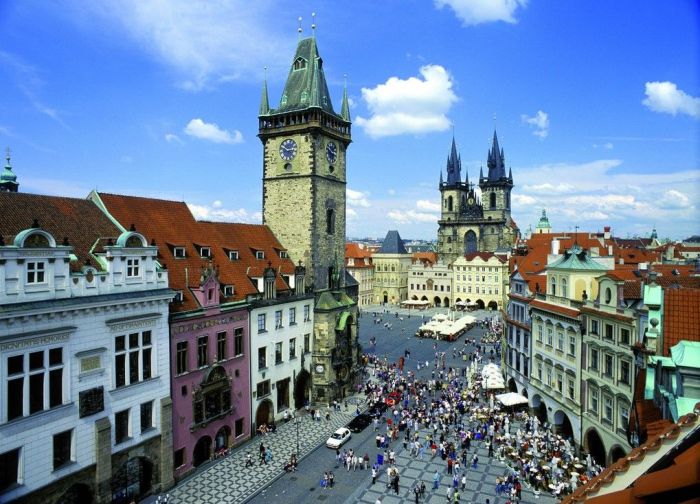
The Czech Republic’s recent cooling on the Israeli embassy move highlights a complex interplay of geopolitical factors. Understanding this situation requires examining historical precedents and drawing parallels to similar diplomatic tensions. This exploration will delve into past instances of shifting alliances, economic pressures, and public opinion influencing international relations.
Historical Parallels in Diplomatic Conflicts
International relations are often characterized by shifting alliances and competing interests. Examining historical precedents offers valuable insights into the recurring themes that shape diplomatic conflicts. The following table presents a concise comparison of past situations to the current Czech-Israeli embassy issue.
| Situation | Key Features | Comparison with Czech Case | Recurring Themes |
|---|---|---|---|
| The US-Soviet Cold War | A period of intense ideological conflict between the US and the Soviet Union, manifested in proxy wars, arms races, and competing spheres of influence. | The Cold War’s ideological division, although not as overtly present today, echoes in contemporary geopolitical rivalries and the potential for differing national interests to impact international relationships. | Ideological differences, proxy conflicts, economic competition, and the struggle for global influence. |
| The Iran Nuclear Deal | A multinational agreement aimed at curbing Iran’s nuclear program in exchange for sanctions relief. | The Czech Republic’s stance on the Israeli embassy relocation involves balancing economic interests and geopolitical pressures, akin to the complex diplomatic maneuvering surrounding the Iran Nuclear Deal. | Balancing economic incentives with national security concerns, and the impact of international pressure on national policy. |
| The Camp David Accords | A historic peace agreement between Israel and Egypt brokered by the US, demonstrating the power of mediation in resolving international conflicts. | While not directly comparable in terms of subject matter, the Camp David Accords highlight the potential for international mediation to influence diplomatic decisions and outcomes. | Diplomacy, mediation, and the potential for peaceful resolution of conflicts through negotiation. |
| The South China Sea Disputes | Territorial claims and maritime disputes between several nations, impacting regional stability and trade routes. | Similar to the South China Sea disputes, the embassy relocation issue involves competing claims and interests, influencing regional dynamics and potentially impacting trade relationships. | Territorial disputes, economic interests, and the role of international law in resolving conflicts. |
Key Features of Historical Parallels, Czech republic cools near term move israel embassy jerusalem
The table illustrates several key features shared by these historical examples. These features often include:
- Balancing competing interests: Nations frequently need to weigh economic advantages against geopolitical considerations and national security concerns.
- Public opinion and media coverage: Public sentiment and media portrayal can significantly influence a government’s stance on international issues.
- Economic incentives and sanctions: Economic considerations, such as trade agreements and sanctions, can play a significant role in shaping international relations.
- Shifting alliances: Alliances and partnerships can evolve over time, impacting the balance of power and diplomatic dynamics.
Recurring Themes in International Diplomatic Conflicts
Analyzing these examples reveals recurring themes in international diplomatic conflicts. These include:
- Geopolitical rivalry: Competition for influence and power between nations often underlies diplomatic disputes.
- Economic considerations: Trade relations and economic incentives frequently influence diplomatic decisions.
- Historical context: Past events and historical grievances can shape present-day diplomatic interactions.
- Public opinion: Public sentiment and media coverage can influence government decisions and actions.
Closure
In conclusion, the Czech Republic’s cooling on the near-term move of the Israeli embassy to Jerusalem highlights the intricate web of international relations. This decision underscores the potential for shifting alliances and the importance of carefully weighing economic, political, and diplomatic factors. The future developments surrounding this issue promise to be interesting and will undoubtedly shape the geopolitical landscape.