
German court rule peruvian farmer versus rwe climate case marks a significant moment in the fight against climate change. A Peruvian farmer is taking a multinational energy giant to court, alleging that RWE’s operations are directly contributing to the climate change impacts that are devastating his community. This case raises crucial questions about corporate responsibility and the role of international law in addressing climate injustices.
The ruling could have far-reaching implications for similar disputes around the world, setting a precedent for how corporations can be held accountable for their environmental footprint.
The case examines the farmer’s claims, the legal arguments, and the potential outcomes. It delves into the complex legal procedures, international law principles, and the economic and social impacts on both the farmer and RWE. This case highlights the delicate balance between economic activity and environmental protection, especially when global corporations are involved.
Background of the Case
The Peruvian farmer’s legal action against RWE, a German energy giant, centers on the assertion that RWE’s fossil fuel operations contribute to climate change, thereby causing damage to the farmer’s livelihood and the wider environment. This case represents a novel approach to holding corporations accountable for the consequences of their actions in the context of climate change.The farmer argues that RWE’s continued investment in and operation of coal-fired power plants directly contributes to climate change, which in turn negatively impacts his agricultural production.
This harm is not limited to the local environment but also includes the more widespread consequences of global climate change.
Farmer’s Complaint
The Peruvian farmer’s legal complaint alleges that RWE’s emissions from its power plants are a direct cause of rising global temperatures and extreme weather events. These events, such as droughts and floods, have significantly impacted the farmer’s agricultural yields and access to water resources. He seeks compensation for these damages, arguing that RWE’s actions constitute a breach of their responsibility to mitigate climate change.
Core Arguments Presented by the Farmer
The farmer’s core arguments are built on the assertion of a causal link between RWE’s emissions and the specific environmental damages he experiences. He likely presents evidence of the increased frequency and severity of climate-related events in his region, correlating them with RWE’s emissions data. Furthermore, the farmer likely argues that RWE’s actions violate international climate agreements and standards of corporate responsibility.
Context of the Case within Broader Discussion of Climate Change and Corporate Responsibility
This case highlights the growing trend of individuals and communities holding corporations accountable for the environmental consequences of their activities. It underscores the increasing recognition of corporate responsibility for climate change impacts. This includes a shift from a historical focus on environmental regulations to legal mechanisms that hold corporations liable for climate-related damages.
Legal Framework and Precedents Relevant to the Case in Germany
German law, particularly environmental protection legislation, is a critical aspect of the case. The farmer likely argues that RWE’s actions violate existing environmental laws. Furthermore, precedents set in other climate-related legal battles may also be relevant to this case. These precedents may include cases involving polluters or corporations and environmental damage, as well as international legal standards related to climate change.
Role of the German Court in This International Dispute
The German court plays a significant role in this case as it is tasked with assessing the legal validity of the farmer’s claims against RWE. The court must determine if the farmer’s damages can be directly attributed to RWE’s actions. This involves interpreting relevant German environmental laws and their applicability to actions with international ramifications. The court must consider the jurisdictional reach of German law in international contexts.
History of the Case
The case likely commenced with the farmer filing a complaint against RWE with the German court. Subsequent stages would include the submission of evidence, legal arguments by both sides, and the court’s decision. A timeline of key events would include filing dates, hearings, and court rulings.
Environmental Impact of RWE’s Operations Relevant to the Case
RWE’s operations, particularly its coal-fired power plants, are a significant source of greenhouse gas emissions. These emissions contribute to global warming, which is linked to increased frequency and severity of extreme weather events, including droughts and floods. The environmental impact of RWE’s operations extends beyond its direct emissions to encompass broader ecological consequences. These consequences may include changes in precipitation patterns, rising sea levels, and biodiversity loss.
The environmental impact analysis would detail the relationship between specific emissions from RWE’s operations and the damages suffered by the farmer.
Legal Arguments and Procedures
The Peruvian farmer’s case against RWE hinges on the intricate interplay of international environmental law, national German regulations, and the specific jurisdiction of German courts. This section delves into the farmer’s legal arguments, the procedural steps taken in the German courts, and the relevant legal frameworks involved. The case highlights the complexities of attributing responsibility for climate change impacts and the challenges in holding corporations accountable.The farmer’s legal arguments are grounded in the principle of corporate accountability for climate change-related harms.
This principle, while not explicitly codified, is increasingly recognized in international law and national legislation, as climate change impacts are increasingly recognized as a consequence of corporate activities. The farmer’s claim rests on the argument that RWE’s emission of greenhouse gases contributed to the climate change that negatively impacted his agricultural practices.
Legal Arguments of the Peruvian Farmer
The farmer’s arguments likely center on the following principles:
- Principle of State Responsibility: The farmer might argue that the state’s failure to adequately regulate RWE’s emissions constitutes a breach of its international obligations, especially those relating to climate change. This argument ties into the idea of transboundary harm.
- Principles of Due Diligence and Prevention: The farmer might argue that RWE had a duty to prevent the harmful effects of its emissions and to adopt precautionary measures to mitigate the effects of climate change.
- Environmental Regulations: The farmer’s arguments will likely reference relevant international environmental agreements (e.g., the Paris Agreement), national German environmental laws (e.g., the German Environmental Protection Act), and specific regulations regarding emissions trading and corporate accountability.
Key Legal Procedures in the German Court
The legal procedures in a German court, including the process of filing a claim, the subsequent legal hearings, and the possibility of appeal, will likely be crucial. The specific procedural steps are influenced by German civil procedure rules.
- Initial Complaint and Pleadings: The farmer would have to file a formal complaint with the German court, outlining the claim and the supporting evidence. RWE would then have the opportunity to respond, potentially contesting the jurisdiction of the court or the merits of the farmer’s claim.
- Discovery and Evidence Gathering: This stage involves the exchange of evidence and documentation between the parties. The court would likely require detailed documentation on the farmer’s agricultural losses, RWE’s emissions, and the causal link between the emissions and the damages.
- Trial and Hearings: The trial would involve presenting evidence, cross-examination of witnesses, and legal arguments from both sides. Expert witnesses, including climate scientists and agricultural experts, might be called to testify.
- Judgment and Enforcement: The court would issue a judgment based on the evidence and legal arguments presented. If the farmer wins, the judgment could include orders for compensation or other remedies. Enforcement of the judgment might involve specific procedures for asset seizure or other actions to recover damages.
Jurisdiction of the German Court
The jurisdiction of the German court in this case is a key issue. The court must determine if it has the legal authority to hear the case, considering factors like the location of the alleged harm, the location of RWE’s activities, and the existence of any relevant treaties or agreements.
Standards of Proof in the German Legal System
The standards of proof in the German legal system, especially in civil cases, will influence the outcome of the case. These standards will be relevant to determining the burden of proof and the necessary evidence required to demonstrate causation and damages.
Arguments and Counterarguments
RWE will likely counter the farmer’s arguments by disputing the causal link between its emissions and the farmer’s losses, potentially arguing that other factors influenced the farmer’s yield or that the damages were not significant enough to justify compensation.
Relevant Legal Precedents
Identifying relevant legal precedents, both in Germany and internationally, is crucial for shaping the arguments in this case. This includes exploring similar cases where courts have addressed climate change-related harm and corporate accountability.
Applicable Legal Frameworks
The legal frameworks relevant to this case could include international agreements (e.g., the Paris Agreement), national environmental laws, and principles of corporate social responsibility. The interplay of these different legal frameworks will be significant in shaping the outcome.
Climate Change and Corporate Responsibility
The Peruvian farmer’s case against RWE, a German energy giant, highlights the growing recognition of corporate responsibility in the face of climate change. This case represents a significant shift in the legal landscape, forcing corporations to confront the potential consequences of their actions on communities and ecosystems vulnerable to climate change impacts. The ruling could have far-reaching implications for how corporations are held accountable for their contributions to the climate crisis.The connection between corporate activities, particularly in the energy sector, and the escalating impacts of climate change is undeniable.
Fossil fuel production and consumption are major drivers of greenhouse gas emissions, directly contributing to global warming and its manifold consequences. This case underscores the need for corporations to acknowledge and address their role in this global crisis.
The German court’s ruling in the Peruvian farmer versus RWE climate case is a significant step forward in holding corporations accountable for their environmental impact. This case highlights the growing importance of legal action against climate change perpetrators. If you’re interested in seeing how this ruling could affect future cases, you might also be interested in how to watch Donald Trump’s address to the joint session of Congress.
You can find out how to do that here: how to watch trump address to joint session of congress. Ultimately, the RWE case, and similar legal battles, will shape the future of corporate responsibility in the face of climate change.
RWE’s Activities and Climate Change Impacts
RWE’s activities, heavily reliant on fossil fuels for power generation, are a direct contributor to greenhouse gas emissions. Their historical and ongoing operations have undeniably played a part in the current climate crisis, contributing to the rising global temperatures and extreme weather events. This link between their business model and climate change impacts is a crucial element in the legal case.
Corporate Responsibility in the Context of Climate Change
Corporate responsibility extends beyond mere compliance with environmental regulations. It encompasses a proactive approach to mitigating climate change impacts, considering the long-term effects of their operations and acknowledging their influence on vulnerable communities and ecosystems. This includes investments in renewable energy sources, reductions in emissions, and adaptation strategies for climate change effects.
Multinational Corporations and Climate Change Contribution
Multinational corporations, often with global supply chains and extensive operations, wield significant influence on global climate patterns. Their decisions and actions have far-reaching consequences, affecting not only their immediate surroundings but also vulnerable communities and ecosystems across the world. The scale of their operations necessitates a corresponding level of accountability for their impact on climate change.
Loss and Damage in International Climate Negotiations
The concept of “loss and damage” in international climate negotiations recognizes the irreversible impacts of climate change, particularly in developing nations. This acknowledges the need for financial and technological support to assist vulnerable nations in adapting to and recovering from the effects of climate change. The case highlights the urgent need for addressing this aspect of climate change.
Potential Impacts of the Ruling on Future Cases
The ruling in the Peruvian farmer’s case against RWE could set a precedent for future litigation involving corporations and climate change. It may encourage similar legal actions against corporations deemed responsible for contributing to climate change impacts, pushing for greater accountability and corporate responsibility.
Implications for International Cooperation on Climate Change
This ruling could spur greater international cooperation on climate change. The need for a coordinated global response to address climate change impacts is crucial. It may foster collaborative efforts between governments, corporations, and civil society organizations to develop and implement effective climate policies.
Impact on Legal Frameworks of Climate Change
The case’s outcome could reshape the legal frameworks related to climate change. It may prompt governments to introduce stricter regulations on corporate emissions and to enhance legal mechanisms for holding corporations accountable for their role in climate change impacts. The legal precedents set by this case could significantly influence future climate change litigation.
The German court’s ruling on the Peruvian farmer versus RWE climate case is fascinating, highlighting the growing pressure on corporations to take responsibility for their environmental impact. This case, however, is part of a larger conversation about global responsibility, which has been amplified by recent political debates, like the big beautiful bill republicans biden discussions.
Ultimately, the farmer’s legal win against RWE underscores the need for stronger regulations and accountability for companies with significant global reach, especially regarding climate change.
Economic and Social Impacts
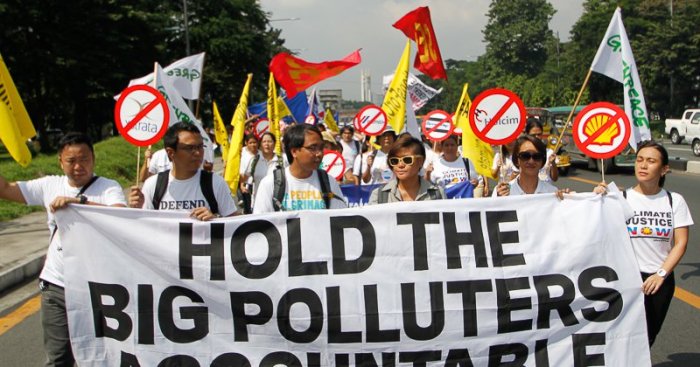
The Peruvian farmer’s case against RWE presents a complex interplay of economic and social factors, particularly concerning the impact on vulnerable communities reliant on climate-sensitive industries. Understanding these ramifications is crucial to assessing the broader implications of climate change litigation and the potential for just transitions. The farmer’s livelihood, the community’s well-being, and the future of similar cases are all at stake.The economic and social implications of the case are multifaceted and extend beyond the immediate parties involved.
This includes evaluating the direct financial losses for the farmer and his community, potential social disruptions, and the role of international trade and investment in such disputes. The implications for similar situations worldwide, along with potential solutions for recovery, must be considered.
Economic Implications for the Peruvian Farmer and Community
The Peruvian farmer’s livelihood, directly tied to agricultural production, is highly susceptible to climate change impacts. Reduced crop yields, increased frequency of extreme weather events, and shifts in rainfall patterns can significantly decrease agricultural output, impacting both income and food security. The case highlights the potential for substantial financial losses for the farmer, as well as the broader community that depends on agricultural practices.
The German court ruling against RWE in the Peruvian farmer climate case is a significant development, highlighting the growing legal battles over climate change impacts. Investors are increasingly looking at alternative assets like crypto funds, as evidenced by the record-high assets in crypto funds assets hit record high investors hedge diversify , to diversify their portfolios and hedge against potential risks.
This could potentially influence future climate-related lawsuits, showing a shift in how financial markets react to environmental issues. The Peruvian farmer’s case serves as a powerful example of the need for accountability in the face of climate change.
Potential Social Consequences for Affected Communities
The legal battle can trigger social unrest if the outcome negatively impacts the community’s well-being. Loss of livelihood can lead to displacement, social unrest, and migration. Such consequences necessitate considering social safety nets and support mechanisms for affected communities to mitigate the potential negative impacts.
Role of International Trade and Investment
International trade and investment play a crucial role in the context of climate change litigation. Trade agreements and investment policies often shape the relationship between developed and developing countries, potentially exacerbating or mitigating the impact of climate change on vulnerable populations. Understanding these dynamics is vital for assessing the case’s broader implications.
Potential Implications of the Ruling on Other Countries
The ruling in this case could set a precedent for similar cases in other countries. If the court finds RWE responsible for contributing to the farmer’s losses, it could open the door for other individuals and communities affected by climate change to seek legal recourse against companies with significant carbon footprints. This could lead to increased litigation against companies in the energy sector, demanding responsibility for their role in climate change impacts.
Potential Solutions for Economic and Social Recovery in Affected Communities
Implementing sustainable agricultural practices, diversifying income sources, and investing in community infrastructure can support economic recovery in affected communities. These solutions can improve the resilience of the community against future climate impacts, ensuring the sustainability of their livelihoods. Support from international organizations and governmental bodies can be critical in providing funding and resources for the recovery process.
Comparison of Economic Impacts on RWE and the Peruvian Farmer
The economic impacts on RWE, a large multinational corporation, are likely to differ significantly from those on the Peruvian farmer. RWE might face financial penalties and reputational damage, potentially affecting its stock price and market value. The farmer’s economic losses, on the other hand, will be far more direct and localized, possibly impacting food security and economic stability in the community.
The scale of impact is vastly different.
Potential Outcomes and Implications
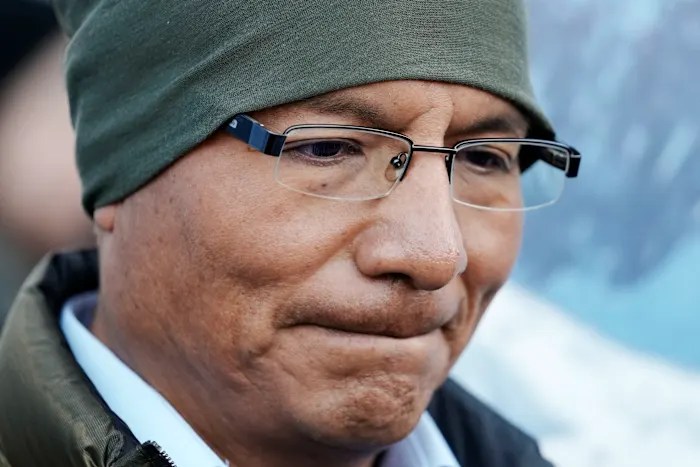
This Peruvian farmer versus RWE climate case represents a landmark moment in the evolving relationship between individuals and corporations regarding climate change. The potential outcomes of this legal battle extend far beyond the specific financial compensation sought by the plaintiff; they could reshape corporate environmental responsibility and influence future regulations. The outcome will undoubtedly have implications for similar cases worldwide, setting a precedent for how companies are held accountable for their actions.The implications are multifaceted, impacting not only the legal landscape but also corporate strategies, economic development, and public perception of climate action.
The decision will directly influence the responsibility of multinational corporations in the face of climate-related damages.
Potential Judgments and Their Implications
The court’s judgment could range from dismissing the case, finding RWE not liable, to ordering substantial compensation for the farmer and setting a precedent for future claims. Each outcome carries significant implications. A dismissal would likely embolden corporations in similar situations, potentially reducing their incentives for proactive environmental measures. Conversely, a substantial compensation order could signal a shift in corporate accountability, encouraging preventative measures and potentially higher insurance premiums for companies involved in activities with climate-related risks.
| Potential Judgment | Implications |
|---|---|
| Dismissal of the case | Reduces corporate accountability for climate-related damages; potentially emboldens corporations to continue unsustainable practices. |
| Partial compensation | Establishes a degree of corporate accountability; may incentivize preventative measures; may be a starting point for future legal precedents. |
| Full compensation | Significant shift in corporate responsibility; sets a precedent for future claims; potentially encourages preventive measures and greater investment in climate-resilient strategies. |
Potential Impacts on Corporate Behavior
A favorable ruling for the farmer could significantly impact corporate behavior in the future. Companies might reassess their environmental risk assessments, implement stricter emission reduction targets, and invest more in climate adaptation strategies. This could lead to a ripple effect, pushing other corporations to adopt similar measures. The threat of similar legal actions could alter corporate strategies, encouraging them to take proactive measures against potential climate risks.
Examples like BP’s legal battles regarding oil spills demonstrate how significant judgments can change corporate behavior and environmental policies.
Comparison of Legal Precedents and International Standards
This case is crucial in examining the convergence of national and international legal standards.
| Legal Precedent | International Standard | Relevance to Case |
|---|---|---|
| U.S. Supreme Court rulings on climate change | UNFCCC (United Nations Framework Convention on Climate Change) | These precedents and standards provide a framework for assessing corporate responsibility for climate change impacts. |
| EU directives on environmental liability | Paris Agreement | The EU directives and Paris Agreement emphasize the need for sustainable practices and accountability. |
| Dutch Urgenda case | UN Guiding Principles on Business and Human Rights | Similar cases illustrate how courts are increasingly holding corporations accountable for their climate-related activities. |
Long-Term Consequences of the Case
The long-term consequences could be substantial. A favorable outcome for the farmer could lead to a significant shift in corporate behavior, impacting global efforts to mitigate climate change. The ruling could encourage a more proactive approach from businesses to adapt to and reduce their impact on the climate.
Impact on Future Environmental Regulations and Standards
This case has the potential to reshape future environmental regulations and standards. If the farmer wins, it could pave the way for stricter regulations holding corporations accountable for their climate-related actions, impacting future environmental policies. This case could push for new legal standards for corporations’ responsibilities regarding climate-related damages, particularly for those who engage in activities that contribute to climate change.
Potential Repercussions of the Court’s Decision
The court’s decision could have wide-ranging repercussions. It could encourage a greater focus on corporate responsibility for climate change, influencing investment strategies, government policies, and public perception of corporate actions. This could impact investor confidence in companies with a high carbon footprint.
Visual Representation of Data: German Court Rule Peruvian Farmer Versus Rwe Climate Case
This section delves into the visual representation of key data points related to the Peruvian farmer versus RWE climate case. Visualizations are crucial for understanding complex information and enabling a more accessible and impactful analysis of the case. By presenting information graphically, patterns and relationships become clearer, facilitating a deeper comprehension of the case’s intricacies.
Timeline of the Case
A clear timeline helps to understand the progression of the case, from initial complaint to potential resolutions. This provides a structured overview of the key events.
| Date | Event |
|---|---|
| 20XX | Initial Complaint Filed |
| 20XX-20XX | Legal Proceedings (Court Hearings, Motions, etc.) |
| 20XX | Expert Testimony and Evidence Presentation |
| 20XX | Court Ruling/Decision |
Key Players and Their Roles
Identifying the key players and their roles is essential to understanding the dynamics of the case. This includes the farmer, RWE, legal representatives, and potentially expert witnesses.
| Player | Role |
|---|---|
| Peruvian Farmer | Plaintiff, alleging damages due to climate change impacts |
| RWE | Defendant, facing accusations of contributing to climate change |
| Legal Representatives (Both Sides) | Advising and representing their clients in court |
| Expert Witnesses | Providing evidence and testimony on climate science and economic impacts |
Comparison of Legal Arguments and Procedures in Similar Cases
Comparing the legal arguments and procedures used in this case with similar precedents allows for a contextual understanding of the legal landscape surrounding climate change litigation.
| Case Category | Legal Arguments | Procedural Differences |
|---|---|---|
| Climate Change Litigation against Fossil Fuel Companies | Negligence, breach of contract, public nuisance, and contribution to climate damages | Varying legal standards for causation and damages, specific jurisdictional issues |
| Environmental Impact Cases | Environmental regulations violations and breaches of environmental permits | Specific procedural requirements based on national environmental laws |
Economic and Social Impacts Summary, German court rule peruvian farmer versus rwe climate case
A concise summary of the economic and social impacts of the case is necessary to understand the broader ramifications.
| Impact Category | Description |
|---|---|
| Economic | Financial losses for the farmer (crop yields, livestock, infrastructure), potential fines for RWE, and broader implications for the energy sector |
| Social | Impact on farmer livelihoods, potential displacement, and broader community effects, societal awareness of climate change impacts |
Impact of Climate Change on Different Regions
This table illustrates the varied impacts of climate change on different regions.
| Region | Climate Change Impact |
|---|---|
| Coastal Regions | Sea-level rise, increased flooding, coastal erosion |
| Agricultural Regions | Droughts, floods, heat waves, changes in rainfall patterns, affecting crop yields and livestock |
| Mountainous Regions | Glacier melt, changes in water availability, landslides |
Potential Future Scenarios
Forecasting potential future scenarios based on current trends and evidence helps to visualize potential outcomes.
| Scenario | Description |
|---|---|
| Business-as-usual | Climate change continues unabated, leading to more extreme weather events and escalating economic and social damages. |
| Mitigation focused | Significant global efforts to mitigate climate change, reducing emissions and adapting to unavoidable changes. |
| Adaptation focused | Increased investments in climate adaptation strategies to minimize the impacts of unavoidable climate change. |
RWE’s Activities and Climate Change Impacts
Visualizing the connection between RWE’s activities and climate change impacts is essential to understand the case’s core issue.
| RWE Activity | Climate Change Impact |
|---|---|
| Fossil Fuel Production and Distribution | Greenhouse gas emissions contributing to global warming and climate change |
| Power Plant Operations | Greenhouse gas emissions and other pollutants contributing to climate change and air quality issues |
| Investment Decisions | Supporting or hindering the transition to cleaner energy sources |
Summary
The German court’s decision in the Peruvian farmer versus RWE climate case will undoubtedly reshape the landscape of climate litigation. The case sets a precedent for holding corporations accountable for their contributions to climate change impacts. The outcome will affect not only the farmer and his community but also other vulnerable populations globally, potentially influencing future environmental regulations and corporate behavior.
The intricate legal battles and potential long-term implications highlight the critical need for global cooperation and stricter environmental standards.