
Global economys sugar rush defies trade drama now – Global economy’s sugar rush defies trade drama now. Recent global economic trends are showing remarkable growth, a “sugar rush” across various sectors. This surge, however, isn’t without its challenges, as trade relations grapple with complexities. Strong economic performance is evident in specific countries and regions, while the interplay of monetary policies, supply chain shifts, and geopolitical factors further complicates the picture.
The rapid growth raises concerns about potential inflationary pressures and asset bubbles. A comparative look at different economies will illustrate these dynamics, showcasing varying growth rates and trade performance.
This overview examines the current state of the global economy, exploring the factors driving this “sugar rush,” while also highlighting the potential risks and challenges. We’ll delve into trade relations, the role of monetary policy, and the geopolitical landscape to provide a comprehensive understanding. Finally, specific case studies will illuminate the nuances of this dynamic economic environment.
Overview of the Global Economy’s Current State
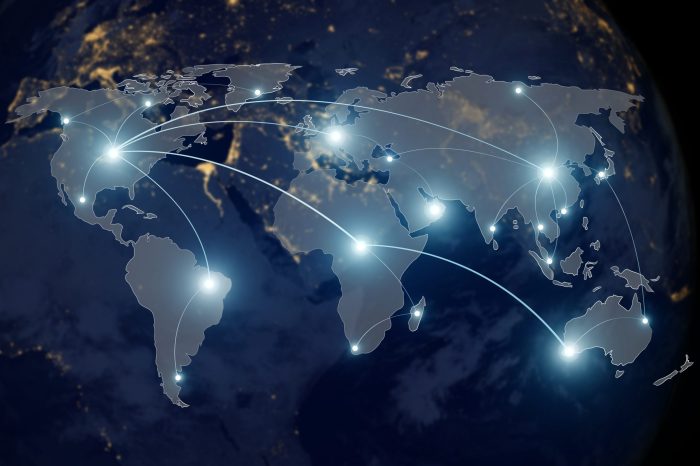
The global economy, after navigating significant trade tensions and supply chain disruptions, is experiencing a period of robust growth, often described as a “sugar rush.” This surge in activity is fueled by various factors, including recovering consumer confidence, easing inflation pressures in some regions, and the ongoing rebound in manufacturing sectors. However, the uneven distribution of this growth and potential vulnerabilities remain important considerations.The recent trends in global economic activity indicate a marked acceleration in growth across several sectors.
Key indicators like GDP growth rates, industrial production, and consumer spending are pointing towards a period of sustained expansion. This “sugar rush” is evident in the increasing output and profitability across various economic segments.
Key Indicators of the Global Economic “Sugar Rush”
Several key indicators suggest a “sugar rush” in the global economy. Stronger-than-expected GDP growth in numerous countries, alongside increasing industrial production and robust consumer spending, are clear signs of this surge. The improvement in supply chains, post-pandemic disruptions, and the resulting easing of inflationary pressures also play a significant role in this positive trend.
Sectors Experiencing Growth
The growth isn’t limited to a single sector. Manufacturing, particularly in the production of consumer goods and electronics, is experiencing a significant upswing. The technology sector, including software, cloud computing, and e-commerce, also demonstrates robust growth, fueled by increasing digital adoption. The services sector, including tourism and hospitality, is experiencing a rebound as restrictions ease and consumer confidence returns.
Examples of Strong Economic Performance
Several countries and regions are demonstrating impressive economic performance. China’s manufacturing sector has shown remarkable resilience, driving growth in related industries globally. India’s burgeoning tech sector and robust domestic consumption contribute to its strong economic performance. Several Southeast Asian economies, leveraging their strategic geographic positions and diversified export markets, are also experiencing significant growth. The US economy, while facing some headwinds, continues to show resilience with steady job growth and consumer spending.
Comparative Growth Rates of Different Economies
| Country | 2022 GDP Growth Rate (%) | 2023 Projected GDP Growth Rate (%) |
|---|---|---|
| China | 3.0 | 5.5 |
| India | 8.0 | 7.2 |
| United States | 2.5 | 2.0 |
| Germany | 2.8 | 1.5 |
| Japan | 2.0 | 1.8 |
Note: Data sourced from reputable financial institutions. Projected growth rates are estimates. Actual outcomes may vary.
The Role of Trade in the Current Economic Climate
Global trade, a vital engine of economic growth, is currently navigating a complex landscape. While the “sugar rush” of recent economic expansion has continued, it’s intertwined with significant trade tensions and policy shifts. Understanding these dynamics is crucial to forecasting future trends and adapting to potential challenges. The interplay of various factors, from geopolitical uncertainties to fluctuating commodity prices, creates a unique and multifaceted picture of global trade relations.The current state of global trade relations is characterized by a mix of cooperation and contention.
While agreements and partnerships exist, significant disagreements and protectionist tendencies are also prevalent. This dynamic creates an environment where the potential for both positive and negative outcomes is high. The “defying trade drama” is a testament to this inherent tension.
Current State of Global Trade Relations
Global trade relations are marked by a complex interplay of factors. Geopolitical tensions, shifting economic power dynamics, and divergent national interests all contribute to the current state of affairs. These forces create both opportunities and challenges for international trade. The global economy is not operating in a vacuum, but rather within a system influenced by a variety of actors and their interactions.
Factors Contributing to the “Defying Trade Drama”
Several factors contribute to the “defying trade drama” surrounding global trade. These include rising protectionism, particularly concerning technology and strategic resources. Trade disputes over intellectual property rights and subsidies are frequent, often creating significant barriers to international commerce. Fluctuations in global commodity prices also influence trade patterns, as nations adjust their strategies based on market conditions. The interconnectedness of global supply chains also magnifies the impact of disruptions, whether caused by natural disasters or political conflicts.
The global economy’s sugar rush seems to be defying trade drama right now. While recent trade tensions, like the impact of tariffs on ThyssenKrupp steel in Europe and the US ( thyssenkrupp steel europe us tariffs have limited impact put pressure trade ), are putting pressure on trade, the overall economic momentum appears surprisingly robust. This resilience suggests the global economy might be navigating these trade hurdles more effectively than anticipated.
Potential Conflicts and Disagreements Impacting Trade
Numerous conflicts and disagreements are impacting global trade. These range from disagreements over trade tariffs and quotas to disputes about intellectual property rights and unfair trade practices. Differing national priorities and approaches to trade often create friction. For instance, concerns about national security and the need to protect domestic industries frequently lead to protectionist policies. The pursuit of economic dominance and strategic advantage can also fuel conflicts, as countries seek to secure favorable trade positions.
Impact of Trade Policies on Different Economies
Trade policies have varying impacts on different economies. Developed economies, often with established industries, may experience slower growth in sectors facing competition from emerging economies. Developing nations, on the other hand, may benefit from increased market access, stimulating economic growth. However, these benefits can be mitigated by challenges such as the potential exploitation of labor and environmental concerns.
The uneven distribution of benefits is a critical consideration in analyzing the effects of trade policies.
Comparison of Trade Agreements and Their Effects
| Trade Agreement | Key Features | Potential Positive Impacts | Potential Negative Impacts |
|---|---|---|---|
| North American Free Trade Agreement (NAFTA) | Reduced tariffs and barriers to trade between US, Canada, and Mexico. | Increased trade volumes, economic growth, and job creation. | Job losses in some sectors in the US, environmental concerns, and potential exploitation of labor. |
| Trans-Pacific Partnership (TPP) | Comprehensive trade agreement covering various aspects of trade. | Potential for increased trade and investment, reduced trade barriers. | Concerns about potential job losses, impact on domestic industries, and limited participation of developing countries. |
| World Trade Organization (WTO) | Establishes rules and regulations for international trade. | Provides a framework for dispute resolution, promotes fair trade practices. | Limited effectiveness in addressing trade imbalances and protectionist policies. |
Potential Drivers of the “Sugar Rush”: Global Economys Sugar Rush Defies Trade Drama Now
The global economy is experiencing a period of robust growth, often referred to as a “sugar rush.” This upswing is not uniform across all sectors and regions, but it’s undeniable in many areas. Several intertwined factors are contributing to this positive momentum, impacting trade, monetary policy, and even the geopolitical landscape. Understanding these drivers is crucial for navigating the current economic climate.
Monetary Policies in Different Countries
Central banks around the world have played a significant role in shaping the current economic environment. Some countries have maintained relatively accommodative monetary policies, while others have adopted a more cautious approach. This diversity reflects varying levels of inflation and economic growth targets. For instance, the Federal Reserve’s recent interest rate hikes aim to curb inflation, while other central banks in emerging economies might be focused on stimulating growth.
These differing policies reflect the unique economic conditions and priorities of individual nations.
Global Supply Chain Shifts
The pandemic-induced disruptions to global supply chains have led to lasting shifts. Businesses are now prioritizing resilience and diversification, aiming to reduce reliance on single sources for materials and production. This is driving the growth of local manufacturing capabilities in several regions, creating new jobs and bolstering domestic economies. Furthermore, increased investments in logistics and transportation infrastructure are supporting these supply chain shifts, improving efficiency and reducing lead times.
Geopolitical Landscape, Global economys sugar rush defies trade drama now
The current geopolitical climate is characterized by increased tensions and uncertainty. Trade disputes, sanctions, and regional conflicts can impact economic growth and stability. The war in Ukraine, for example, has significantly disrupted global energy markets, leading to price volatility and supply chain disruptions. These factors are not isolated events, but rather interconnected elements influencing the global economic landscape.
Technological Advancements Driving Economic Growth
Technological advancements are transforming industries across the board, boosting productivity and creating new markets. Artificial intelligence (AI) is revolutionizing various sectors, from healthcare to manufacturing, improving efficiency and accuracy. Automation is increasing production output, reducing labor costs, and creating new possibilities for economic growth. The integration of technology is a key driver of the current economic expansion.
Examples of Technological Advancements
The emergence of new technologies, such as AI-powered chatbots, has led to enhanced customer service and improved efficiency in customer support. Advanced robotics in manufacturing allows for increased production capacity and reduced reliance on human labor for repetitive tasks. These technological advancements are reshaping the global economy and creating new opportunities for growth.
Economic Policies Implemented by Various Countries
| Country | Economic Policy Focus | Specific Examples |
|---|---|---|
| United States | Controlling inflation | Interest rate hikes by the Federal Reserve |
| China | Stimulating growth | Infrastructure investment and supportive fiscal policies |
| European Union | Combating energy crisis | Supporting energy efficiency measures and diversification of energy sources |
| India | Promoting domestic manufacturing | Incentives for local production and supply chain development |
Potential Risks and Challenges
The current global economic “sugar rush,” fueled by factors like pent-up demand and accommodative monetary policies, presents a complex tapestry of opportunities and perils. While the rapid growth and optimism are undeniable, inherent risks lurk beneath the surface, threatening to derail the momentum if not carefully managed. Understanding these potential pitfalls is crucial for navigating this dynamic landscape.
Inflationary Pressures
The surge in demand, combined with supply chain bottlenecks and rising commodity prices, creates a potent cocktail for inflation. Central banks face a delicate balancing act, needing to curb inflation without stifling economic growth. Past examples of runaway inflation, such as the 1970s oil crisis, highlight the devastating impact on economies and livelihoods. Governments and central banks must implement policies to mitigate these inflationary pressures, ensuring price stability while supporting economic activity.
Asset Bubbles
The exuberant market environment can lead to asset bubbles, particularly in sectors like technology and real estate. Historically, asset bubbles have burst with devastating consequences, resulting in significant financial losses and economic downturns. Examples like the dot-com bubble of the late 1990s demonstrate the potential for substantial wealth destruction when bubbles burst. Careful monitoring of market valuations and potential imbalances is crucial.
Fluctuating Commodity Prices
Volatility in commodity prices, driven by geopolitical events and supply disruptions, can significantly impact inflation and economic growth. The recent surge in energy prices, for instance, highlights the vulnerability of economies to external shocks. Diversification of supply sources and strategic reserves are essential for mitigating the impact of fluctuating commodity prices.
Geopolitical Instability
Geopolitical tensions and conflicts can disrupt global trade, supply chains, and investment flows, leading to economic instability. The Russia-Ukraine war, for example, has highlighted the vulnerability of globalized economies to such shocks. Maintaining a stable geopolitical environment is paramount for fostering sustainable and inclusive economic growth.
The global economy’s sugar rush seems to defy trade drama right now, with surprising resilience. Meanwhile, Ben Brown’s stellar performance on the mound, blanking the Reds for the Cubs, is a great example of how even in the midst of global economic challenges, individual success stories still emerge. This all points to a fascinating dynamic where the global economy’s sugar rush continues, despite the trade tensions.
Ben Brown shines mound Cubs blank Reds highlights that amidst economic fluctuations, there’s still plenty of exciting action happening in the sports world.
Comparative Risk Assessment Across Sectors
| Sector | Potential Risks | Mitigation Strategies |
|---|---|---|
| Technology | Overvaluation, bubble bursts, regulatory changes, talent shortages | Thorough market analysis, diversification, robust risk management, adaptation to regulatory shifts |
| Real Estate | Overheating, price corrections, interest rate hikes, financing constraints | Monitoring market trends, responsible lending practices, sensible regulations, and fiscal prudence |
| Energy | Geopolitical instability, supply disruptions, price volatility | Diversification of energy sources, strategic energy reserves, and robust regulatory frameworks |
| Manufacturing | Supply chain disruptions, labor shortages, raw material price fluctuations | Diversification of suppliers, resilient supply chains, workforce development, and proactive hedging strategies |
| Finance | Increased risk appetite, excessive leverage, regulatory scrutiny | Strict adherence to risk management protocols, appropriate capital adequacy ratios, and regulatory compliance |
Illustrative Examples of Economic Performance
The global economy’s “sugar rush,” characterized by robust growth in some regions, presents a fascinating case study. Analyzing the performance of specific countries and regions provides valuable insights into the interplay of economic policies, global trade, and the challenges inherent in sustained prosperity. Understanding the successes and struggles of these economies can illuminate paths to future growth and development.
Economic Growth in Southeast Asia
Southeast Asia has witnessed remarkable economic growth in recent years, driven by factors such as robust manufacturing, expanding trade relationships, and increasing foreign investment. Several nations, including Vietnam and Indonesia, have experienced double-digit GDP growth rates. These achievements are directly linked to proactive economic policies, focusing on infrastructure development, attracting foreign direct investment, and fostering a supportive business environment.
Vietnam: A Case Study in Economic Transformation
Vietnam’s economic transformation is a compelling example. Its GDP growth has averaged over 6% annually for the past decade, fueled by robust exports of electronics, textiles, and agricultural products. The country has significantly reduced poverty and improved living standards. The nation’s strategy emphasizes attracting foreign investment, developing skilled labor, and promoting exports. This strategy has resulted in a significant improvement in Vietnam’s trade balance.
- GDP Growth: Vietnam has consistently experienced above-average GDP growth in recent years, exceeding 6% annually. This growth has been sustained by a diversified export sector, attracting foreign investment, and the development of a skilled workforce.
- Inflation Rate: The inflation rate in Vietnam has generally remained stable, though fluctuations have occurred due to external factors like global commodity prices. Maintaining price stability is a key objective of Vietnam’s monetary policy.
- Trade Balance: Vietnam maintains a positive trade balance, indicating that exports exceed imports. This positive balance reflects its successful export-oriented strategies.
Challenges and Opportunities for Southeast Asian Economies
While Southeast Asian nations have made remarkable progress, challenges remain. The region faces difficulties such as infrastructure gaps, income inequality, and the need for further skill development to meet the demands of a changing global economy. The opportunities for future growth lie in addressing these issues through strategic investments in education, infrastructure, and diversification of export markets.
“Southeast Asia’s dynamism is a testament to the power of strategic economic policies and the opportunities presented by global trade. However, sustained growth requires proactive measures to mitigate inequality and address infrastructure deficits.”
Economic Performance of Indonesia
Indonesia, the largest economy in Southeast Asia, also demonstrates impressive growth. The country’s economic performance is heavily influenced by its vast natural resources, agriculture, and burgeoning manufacturing sector.
The global economy’s surprising resilience, defying trade tensions, is a fascinating trend. It’s like a sugar rush, and while there’s a lot of buzz around this, it’s also interesting to see how companies like HIMs, acquiring UK-based startup Zava, here’s a great article on the acquisition are navigating this dynamic environment. This expansion strategy likely plays a role in the overall positive economic momentum, though the long-term effects remain to be seen.
It all boils down to the global economy’s surprising sugar rush, despite the trade drama.
Economic Strategies and Global Impact
The economic strategies employed by these countries, often focused on attracting foreign investment, promoting exports, and developing human capital, have a significant impact on the global economy. Their growing markets contribute to global demand and provide opportunities for companies worldwide. These strategies have the potential to reshape global trade patterns.
Forecasting the Future of the Global Economy
The global economy, currently experiencing a “sugar rush” fueled by robust growth and low interest rates, presents a complex tapestry of potential futures. Deciphering the long-term implications of these trends, while acknowledging the uncertainties inherent in economic forecasting, is crucial for navigating the path ahead. Understanding the interplay between global trade, investment, and the short-term and long-term effects of this “sugar rush” is paramount to anticipating potential risks and opportunities.
Long-Term Implications of Current Economic Trends
Current economic trends, characterized by rapid growth in emerging markets, technological advancements, and a shifting geopolitical landscape, are poised to reshape the global economic order. These trends point towards a more interconnected and diversified global economy, with potentially significant shifts in power dynamics. The emergence of new technologies and their integration into existing industries will inevitably lead to job displacement in some sectors and the creation of new jobs in others.
Adapting to these changes will be key to maintaining prosperity and stability.
Potential Scenarios for the Future of Global Trade and Investment
The future of global trade and investment will likely be shaped by a confluence of factors, including evolving geopolitical relations, technological advancements, and shifts in consumer preferences. One potential scenario involves the continued rise of regional trade blocs, leading to increased protectionism and reduced global integration. Alternatively, a continued emphasis on globalization and free trade could foster greater economic interdependence and specialization.
Another scenario might see a resurgence of nationalistic policies impacting global trade flows.
Comparison of Short-Term and Long-Term Impacts of the “Sugar Rush”
The “sugar rush” effect, while initially boosting economic growth, could potentially lead to inflationary pressures and asset bubbles in the short term. These short-term benefits, however, may be offset by longer-term risks such as unsustainable debt levels, reduced competitiveness, and increased social inequality. The long-term impacts of the “sugar rush” are far-reaching and multifaceted, including potential structural shifts in the global economy, the rise of new economic powers, and the need for adaptation and resilience.
Potential Global Economic Risks and Opportunities
The global economy faces a multitude of potential risks, including geopolitical tensions, supply chain disruptions, and climate change. These risks can lead to economic instability, recessionary periods, and decreased living standards. However, the global economy also presents significant opportunities, such as technological innovation, increased productivity, and the potential for inclusive growth. These opportunities, if properly managed, can lead to increased prosperity and improved living standards for all.
Summary Table of Potential Economic Forecasts
| Forecast Scenario | Growth Rate (Annual Average) | Inflation Rate (Annual Average) | Key Risk Factors | Key Opportunity Factors |
|---|---|---|---|---|
| Moderate Growth | 2.5-3.5% | 2-3% | Geopolitical tensions, supply chain disruptions | Technological innovation, increased productivity |
| Rapid Growth with Inflation | 4-5% | 3-4% | Asset bubbles, unsustainable debt levels | Emerging market expansion, investment opportunities |
| Stagflation | 1-2% | 4-5% | Slowing growth, high inflation | Potential for structural reforms, re-evaluation of priorities |
Final Wrap-Up
In conclusion, the global economy’s current “sugar rush” presents a complex interplay of factors. While strong growth is evident, the interplay of trade relations, monetary policies, and geopolitical shifts introduces significant risks. The potential for inflationary pressures and asset bubbles demands careful monitoring. Illustrative examples of economic performance, including GDP growth, inflation rates, and trade balances, underscore the varied impacts across different countries and regions.
A forward-looking analysis suggests the need for a cautious approach as we navigate this dynamic period.