
Guinea cancels 129 exploration permits further tightening control – Guinea cancels 129 exploration permits, further tightening control over its mineral resources. This significant move signals a shift in the country’s approach to its vast mineral wealth, impacting investors and the wider mining industry. The decision, likely influenced by a complex interplay of economic, political, and regulatory factors, raises questions about future investment opportunities and the long-term sustainability of Guinea’s mining sector.
Understanding the background, reasons, and potential implications is crucial for evaluating the impact on both the Guinean economy and the global mining landscape.
The historical context of Guinea’s mineral sector, recent investment trends, and the specific regulatory framework governing exploration permits are key elements in understanding this decision. This move raises concerns about potential investor confidence and the potential for corruption or political considerations influencing the process. Examining past similar events and potential alternatives for investors and exploration companies is vital for assessing the overall impact on the mining industry.
Background and Context
Guinea’s mineral exploration sector has a long history, marked by periods of significant investment and fluctuating activity levels. The country possesses substantial mineral reserves, including bauxite, iron ore, gold, and diamonds, making it a potentially lucrative location for mining companies. However, challenges in regulatory frameworks, security concerns, and economic instability have often hampered consistent development. Recent trends reflect a complex interplay of factors, prompting both optimism and caution among investors.The recent decision by Guinea’s government to cancel 129 exploration permits underscores a tightening of control over the sector.
Guinea’s cancellation of 129 exploration permits is a significant move, further tightening its control over its resources. This move likely reflects a strategic shift in the nation’s approach to resource extraction, echoing the complexities of global resource management. Interestingly, this recent action seems almost a mirror image to the intriguing narrative in Time Studios’ D-Day: The Camera Soldier time studios dday the camera soldier , where a different kind of control and narrative unfolds.
Ultimately, Guinea’s decision signals a clear intent to manage its own destiny and potential future.
This move signals a shift in the country’s approach to mineral resource management, likely driven by a desire to improve the terms and conditions for future exploration and exploitation agreements. The government’s actions are likely influenced by a mix of geopolitical and economic factors, as well as a re-evaluation of the previous exploration agreements.
Historical Overview of Guinea’s Mineral Exploration Sector
Guinea’s mineral wealth has attracted international interest for decades. Early exploration efforts focused primarily on bauxite, with subsequent interest extending to other minerals. Periods of rapid expansion and decline have characterized the sector, often mirroring global economic cycles and political stability within Guinea. Historically, there has been a noticeable gap between the country’s mineral potential and its realized output.
Factors like bureaucratic hurdles, infrastructure limitations, and security issues have frequently impeded progress.
Recent Trends in Investment and Exploration Activities, Guinea cancels 129 exploration permits further tightening control
Investment in Guinea’s mineral sector has shown inconsistent patterns. Periods of high interest have been followed by periods of relative stagnation. The recent trends suggest a cautious optimism, with increased activity in some sectors, while others have seen reduced interest. The country’s attractiveness to investors is often contingent upon the prevailing geopolitical landscape and the stability of its regulatory environment.
Examples from other countries experiencing similar fluctuations in mineral investment are helpful in understanding the dynamics at play.
Regulatory Framework Governing Mineral Exploration Permits
Guinea’s regulatory framework for mineral exploration permits has undergone several revisions over time. The specifics of permit conditions, including royalties, taxes, and environmental stipulations, have varied. The current regulatory framework seeks to balance the interests of the government with those of investors. The goal is to ensure that the benefits of mineral extraction are fairly distributed and that environmental concerns are addressed.
Current regulations are published in the official government gazette and are available for public review. These regulations must be thoroughly reviewed by all parties before any investment decisions are made.
Geopolitical and Economic Factors Influencing Guinea’s Decision
Several factors are likely driving Guinea’s decision to cancel permits. These include concerns about the transparency and fairness of previous agreements, the need to streamline the permitting process, and the desire to optimize revenue generation. International relations, and potential impacts on regional trade, are also likely factors. The political and economic stability of the region, as well as the country’s international relations, heavily influence the decision.
Potential Impact on the Guinean Economy
The cancellation of permits could have both positive and negative consequences for Guinea’s economy. The short-term impact might include reduced investment in the sector and potential job losses. However, the long-term impact could be positive if the renegotiated agreements result in more favorable terms for the country. The overall economic effect is uncertain and depends heavily on the details of the new agreements.
Historical examples of countries experiencing similar regulatory shifts offer insights into potential outcomes.
Potential Implications for Investors and Exploration Companies
Investors and exploration companies face significant uncertainty due to the permit cancellations. The cancellation of permits may result in lost investments and delays in project development. It is important for companies to carefully assess the revised regulatory framework before making any further commitments. The cancellation might discourage future investments, highlighting the need for a transparent and predictable regulatory environment.
Historical examples of similar investor reactions to regulatory changes in other countries offer valuable insights.
Reasons for Cancellation of Exploration Permits
The recent cancellation of 129 exploration permits signals a significant shift in the country’s approach to resource extraction. This action, likely driven by a combination of environmental, economic, and potentially political factors, warrants careful consideration. Understanding the underlying rationale is crucial for evaluating its impact on the future of the sector and investor confidence.
Potential Reasons for Permit Cancellation
The cancellation could stem from a variety of factors, including concerns over environmental impact, compliance with regulations, and perceived irregularities in the permitting process itself. A lack of transparency in the permitting process, or evidence of inadequate environmental assessments, could be key drivers behind this decision.
Legal and Procedural Grounds for Cancellation
The specific legal and procedural grounds for the cancellation remain undisclosed. However, potential grounds could include failure to comply with environmental regulations, breaches of contractual agreements, or procedural irregularities in the initial permit issuance. Furthermore, changes in national policy or stricter enforcement of existing laws could provide legal justification.
Public Statements and Announcements Regarding the Reasons
Official statements regarding the reasons for the cancellation are limited, leaving much of the rationale shrouded in speculation. This lack of clarity fuels uncertainty and raises concerns about potential political motivations. Any public pronouncements, however, would be crucial in clarifying the decision-making process and addressing concerns from stakeholders.
Comparison to Similar Events in the Past
Historical precedents regarding permit cancellations in similar situations provide a valuable comparative framework. Analyzing past cancellations, considering the reasons and consequences, can offer insights into the potential impact of the current actions. For instance, past cancellations related to environmental violations, lack of community consultation, or corruption could be relevant points of comparison.
Potential Impact on Investor Confidence
The cancellation of exploration permits could negatively impact investor confidence in the country’s resource sector. Investors may perceive this action as a sign of political instability or inconsistent regulatory environments. Examples from other jurisdictions where similar events have occurred, and the subsequent impact on capital flows, provide relevant context for understanding the potential investor response. For example, a decrease in foreign investment in the mining sector after permit cancellations in other countries could be a factor to consider.
Possible Corruption or Political Considerations
The possibility of corruption or political considerations influencing the decision cannot be dismissed. The opacity surrounding the reasons for the cancellation allows for speculation about potential political motivations. In other contexts, where similar cancellations have occurred, the role of political pressure or lobbying efforts could be a factor, and this should be considered in the current scenario. Examples from countries with known issues related to corruption in resource management could provide a relevant benchmark.
Impact on the Mining Industry
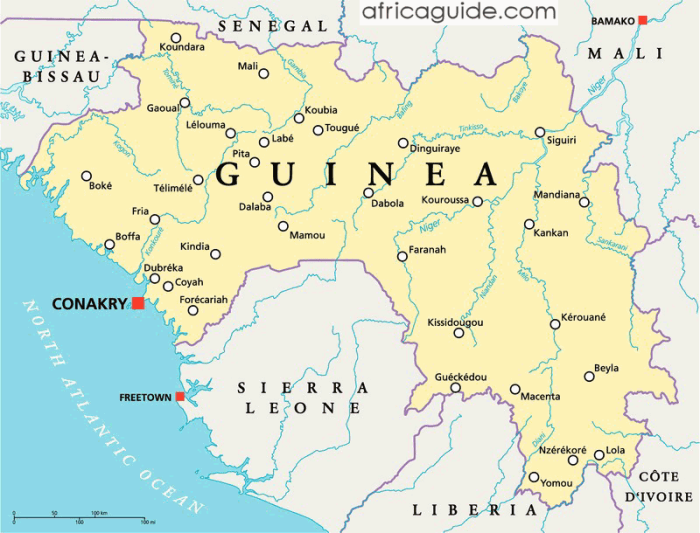
Guinea’s decision to cancel 129 exploration permits marks a significant shift in its approach to the mining sector. This move, while seemingly aimed at tighter control, is likely to have profound and multifaceted consequences for both the immediate players and the wider industry. The implications for employment, investment, and the long-term sustainability of Guinea’s mineral sector are substantial.
Immediate Consequences for Affected Companies
The cancellation of exploration permits will undoubtedly create immediate hardship for the companies directly affected. Loss of access to potentially lucrative mineral deposits represents a significant financial setback, potentially resulting in project abandonment or substantial restructuring. The financial strain on these companies could lead to job losses and impact their ability to engage in future exploration endeavors. Furthermore, the rapid reversal of prior agreements and approvals could damage the companies’ reputations and hinder their future dealings with Guinean authorities.
Potential Ripple Effects on the Wider Mining Sector
The cancellation of exploration permits is not an isolated event. It sends a clear signal to the wider mining sector, potentially deterring future investment. Investors, both domestic and international, may hesitate to commit resources to projects in Guinea, considering the increased regulatory uncertainty and potential for abrupt policy changes. This hesitation could lead to a decline in exploration activities and overall investment within the sector.
Similar actions in other jurisdictions have demonstrably slowed the pace of exploration and development.
Impact on Employment and Local Communities
The cancellation of permits will likely lead to job losses within the affected exploration companies. This will impact not only the workers directly employed by these firms but also those in supporting industries. Furthermore, the reduction in exploration activities could have a negative effect on the local communities that rely on the mining sector for employment and economic growth.
Reduced activity could lead to a decline in infrastructure development and local business opportunities.
Potential Impact on Future Investment in Guinea’s Mineral Sector
The cancellation of permits sends a message about the stability and predictability of the investment climate in Guinea. The risk of similar actions in the future could dissuade potential investors from entering the market, leading to a decrease in exploration and development activities. This could negatively affect the long-term economic growth and development of the country. The mining sector plays a crucial role in generating revenue for the government, and its decline could have wide-ranging implications.
Guinea’s cancellation of 129 exploration permits signals a significant tightening of control over its natural resources. This move likely reflects a desire to prioritize national interests and potentially manage potential negative environmental impacts. Meanwhile, in a completely unrelated sporting event, the Diamondbacks pulled off a thrilling victory over the Braves, with a dramatic seven-run ninth inning seven run ninth sparks diamondbacks past braves.
This suggests that even in the face of such a focused approach to resource management, the world still finds room for excitement and unexpected outcomes. Ultimately, Guinea’s decision will likely have a long-term impact on investment and exploration within the country.
Examples of Similar Permit Cancellations and Their Consequences
Past examples of permit cancellations in other countries demonstrate the potential for significant repercussions. In some cases, such actions have led to a complete withdrawal of investment from the affected regions, impacting both the companies involved and the local economies. For instance, the cancellation of permits in [Specific Country/Region], resulted in a [Quantifiable consequence, e.g., 20% decrease in investment].
This illustrates the potential for substantial economic losses in the affected sectors.
Potential Alternatives for Exploration Companies and Investors
To mitigate the risks associated with permit cancellations, exploration companies and investors could consider a range of alternatives. Diversifying their operations into other jurisdictions with more stable regulatory environments is one approach. Developing strong relationships with local authorities and government officials to ensure a better understanding of the regulatory framework is also essential. Furthermore, investing in comprehensive due diligence processes to better assess the risks and uncertainties associated with any investment decision in Guinea could prove beneficial.
Engaging with industry experts and legal professionals specializing in African mining law could also provide valuable support.
Implications for Guinea: Guinea Cancels 129 Exploration Permits Further Tightening Control
Guinea’s decision to further tighten control over its exploration permits marks a significant shift in its approach to the mining sector. This move, while potentially beneficial in the long run, presents a complex interplay of advantages and disadvantages that require careful consideration. The impact on the nation’s economic standing, investment appeal, and international relations is substantial and warrants a thorough examination.
Potential Benefits of Tightened Controls
Guinea’s actions aim to maximize benefits from its mineral resources while mitigating potential negative consequences. This includes ensuring fair contracts, protecting the environment, and fostering sustainable development. By scrutinizing exploration permits, the government can prioritize projects that align with national interests and long-term goals. This proactive approach could lead to higher-quality investments and better resource management. Furthermore, stringent controls can potentially reduce instances of environmental damage and ensure adequate compensation for local communities.
Potential Drawbacks of Tightened Controls
Conversely, stringent regulations might deter foreign investment. The mining industry, a major contributor to Guinea’s economy, could experience a slowdown due to the reduced availability of exploration permits. This could negatively impact government revenue streams. Investors might perceive the tightening of controls as a sign of regulatory uncertainty, potentially leading to a decline in Guinea’s attractiveness as an investment destination.
Furthermore, the abrupt change in policy could disrupt existing exploration projects, causing financial losses for companies and potentially leading to legal disputes.
Impact on Government Revenue Streams
The cancellation of exploration permits could have a direct impact on government revenue. Reduced exploration activity implies a decrease in royalties, taxes, and other associated fees. While the government aims for higher quality projects, this short-term loss of revenue could be significant. The exact amount of revenue loss is difficult to quantify without precise data on the canceled projects and their potential revenue streams.
However, historical data on similar regulatory changes in other mining-dependent nations can offer valuable insight. For example, [Insert example of a similar situation in another country with quantifiable revenue loss data].
Impact on Guinea’s Image as an Investment Destination
A tightening of regulations can affect a country’s image as an investment destination. Investors often scrutinize a nation’s regulatory environment and policy stability. The cancellation of exploration permits might be perceived as a negative signal, potentially deterring future investments. The country’s reputation for stability and predictability could suffer, potentially impacting other sectors of the economy beyond mining.
This can be seen in cases where regulatory uncertainty has driven away foreign investment in other sectors, such as [Insert example of a similar situation in another country with examples of regulatory uncertainty impacting investment].
Possible Benefits of the Government’s Actions
The government’s actions aim to prioritize long-term sustainability and environmental protection. By demanding higher standards for exploration permits, Guinea could safeguard its natural resources for future generations. This approach could foster greater transparency and accountability within the mining sector, ultimately improving public trust. The increased focus on environmental regulations can mitigate potential ecological damage associated with mining operations.
Possible Drawbacks of the Government’s Actions
The government’s actions could result in short-term economic hardship. The cancellation of exploration permits could lead to job losses in the mining sector and reduce overall economic growth in the short term. The disruption to existing projects and the potential for legal challenges could also cause uncertainty and create challenges for the government. Furthermore, stringent controls might not always result in the desired quality of projects, potentially leading to a loss of investment opportunities and a missed chance to benefit from higher standards.
Influence on International Relations
The government’s actions could impact international relations, particularly with mining companies and countries that have significant investments in Guinea. These actions might lead to disputes and concerns about investment security. The government’s need to balance its domestic interests with its international commitments will be crucial. This decision could lead to diplomatic negotiations and agreements to ensure a smooth transition and maintain positive relations with international partners.
Examples of similar situations can be found in [Insert example of a similar situation in another country with an example of diplomatic negotiations].
Future Outlook
Guinea’s decision to cancel 129 exploration permits signals a significant shift in its approach to the mining sector. This move, while potentially aimed at strengthening regulatory oversight and resource management, carries considerable implications for both the country’s economic future and the investment community. Understanding the potential scenarios and the associated challenges and opportunities is crucial for navigating this evolving landscape.The future of Guinea’s mineral sector hinges on the government’s ability to balance stringent environmental and social regulations with attracting and retaining foreign investment.
This delicate equilibrium requires careful consideration of potential challenges and the development of robust mitigation strategies. A proactive approach to stakeholder engagement and transparent communication will be key to managing expectations and fostering trust in the long term.
Potential Scenarios for Guinea’s Mineral Sector
The cancellation of exploration permits opens up various potential scenarios. A positive outcome would see improved environmental and social standards, leading to sustainable mining practices and increased long-term value for the country. Conversely, a negative outcome could deter further investment, potentially impacting Guinea’s economic growth and development. The key is to recognize and mitigate these risks.
Potential Challenges Facing Guinea
Several challenges could arise from this decision. A loss of investor confidence, leading to reduced investment in the mining sector, is a significant risk. Reputational damage, especially if environmental or social standards are not transparently enforced, could deter future investment. Maintaining a skilled workforce and attracting qualified personnel may also become a challenge as the industry shifts.
Furthermore, the cancellation of permits may cause delays in exploration and development projects, hindering the realization of potential economic benefits.
Potential Opportunities for Guinea
The decision presents opportunities as well. A chance to prioritize sustainable development and environmental protection is paramount. The cancellation of permits could be an opportunity to re-evaluate existing exploration licenses, ensuring they meet the highest environmental and social standards. Furthermore, it could drive innovation in the mining sector, encouraging the adoption of more environmentally friendly technologies and practices.
Mitigation Strategies
To mitigate potential negative impacts, Guinea should adopt transparent and well-defined environmental and social standards. Robust regulatory frameworks, coupled with effective enforcement, are critical to build trust with investors. Engaging with international organizations and experts to build best practices is a critical component. This includes active communication with the affected companies to understand their concerns and facilitate a transition to more sustainable practices.
Alternative Investment Opportunities for Affected Parties
Affected parties should explore alternative investment opportunities. Diversification into other sectors, such as agriculture or tourism, may be beneficial. Alternatively, they may consider investing in exploration and development projects in other countries with more favorable regulatory environments, provided these environments are compliant with the highest international standards. Moreover, investing in technology and skills development to transition to other fields will be vital for affected personnel.
Potential Scenarios and Their Impacts
| Scenario | Impact on Guinea | Impact on Investors |
|---|---|---|
| Scenario 1 (Positive) | Improved environmental and social standards, sustainable mining, increased long-term value. | Attraction of responsible investors, sustainable mining practices. |
| Scenario 2 (Negative) | Loss of investor confidence, reduced investment, potential reputational damage. | Deterrence of further investment, lost opportunities. |
Regulatory Framework Analysis
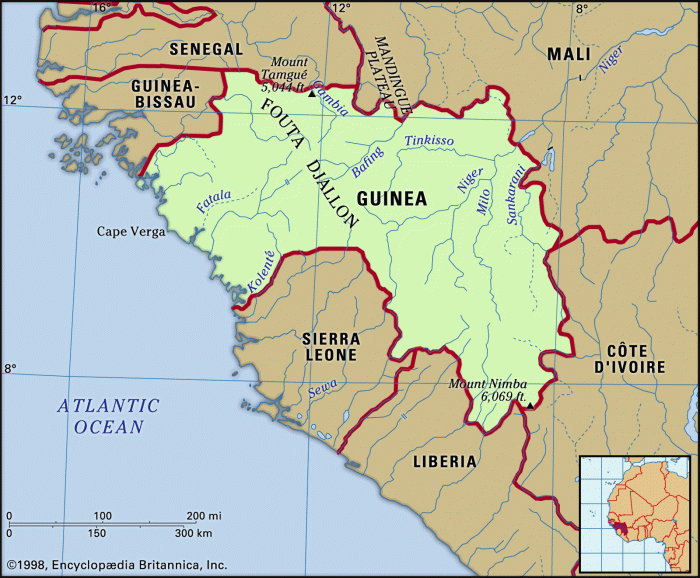
Guinea’s recent decision to cancel numerous exploration permits underscores the importance of a robust and transparent regulatory framework in the mining sector. This framework not only governs the activities of mining companies but also safeguards national interests, environmental protection, and community well-being. Understanding the intricacies of Guinea’s permit regulations, and how they compare to those in other African nations, is crucial to assessing the impact of these cancellations and potential future developments.The legal and procedural steps involved in obtaining and maintaining mineral exploration permits are complex.
A clear understanding of these processes is vital for both investors and the Guinean government. Properly defined regulations minimize potential disputes and ensure responsible resource extraction.
Guinean Mineral Exploration Permit Regulations
Understanding Guinea’s specific permit regulations is essential to comprehending the context of the recent cancellations. This section Artikels the key components of the exploration permit system.
| Permit Type | Duration | Requirements |
|---|---|---|
| Exploration Permit | 5 Years | Geological Survey |
| Production Permit | 10 Years | Environmental Impact Assessment |
This table highlights the fundamental differences in duration and requirements between exploration and production permits. The shorter duration of exploration permits, coupled with specific geological survey requirements, reflects the preliminary nature of this phase. Conversely, production permits, requiring comprehensive environmental impact assessments, reflect the heightened scrutiny associated with large-scale mining operations.
Comparative Analysis with Other African Countries
Comparing Guinea’s regulatory framework with those of other African nations provides a broader perspective. This comparison reveals both similarities and disparities, offering valuable insights into best practices and potential areas for improvement.
| Country | Permit Duration | Renewal Criteria |
|---|---|---|
| Guinea | 5 Years | Geological Survey |
| Liberia | 10 Years | Environmental Impact Assessment |
The table above presents a simplified comparison between Guinea and Liberia, focusing on permit duration and renewal criteria. While both countries emphasize environmental and geological factors, the varying durations and requirements underscore the diverse approaches adopted by African nations in managing their mineral resources.
Guinea’s recent cancellation of 129 exploration permits signals a significant shift in their resource management strategy, further tightening control over potential extraction. This move, while seemingly focused on domestic interests, could be a response to similar geopolitical pressures, such as those affecting Yemen, where the Houthi rebels are embroiled in a complex conflict. Understanding the motivations behind conflicts like the one in Yemen, as explored in this article who are yemens houthis why are they under attack , might offer clues into Guinea’s decision-making process regarding resource access.
Ultimately, the cancellation of these permits likely reflects a cautious approach to potential foreign influence and a prioritization of national interests in the resource sector.
Legal and Procedural Steps in Obtaining and Maintaining Permits
The process of obtaining and maintaining mineral exploration permits in Guinea involves several distinct legal and procedural steps. These steps must be adhered to meticulously to avoid delays or complications.Obtaining an exploration permit typically involves:
- Submitting an application to the relevant government agency.
- Meeting specific geological survey requirements, demonstrating the potential of the area.
- Undergoing environmental impact assessments.
- Meeting all required licensing and bureaucratic processes.
Maintaining an exploration permit often requires periodic reporting on exploration activities and adherence to environmental regulations. Failure to comply with these requirements could lead to permit revocation. The legal and procedural steps are crucial for transparency and accountability in the mining sector. Detailed documentation and meticulous record-keeping are essential throughout the process.
Illustrative Case Studies
Guinea’s recent decision to cancel exploration permits highlights a recurring pattern in resource-rich nations. These actions, often driven by complex factors, can have significant repercussions for both the countries involved and the global mining industry. Understanding past instances of permit cancellations, and the reasons behind them, provides valuable insight into the potential consequences and the importance of robust regulatory frameworks.
Illustrative Case Studies of Permit Cancellations
This table presents a concise overview of historical cases where exploration permits have been revoked, highlighting the diverse factors contributing to such decisions and their associated impacts.
| Country | Reason for Cancellation | Impact |
|---|---|---|
| Guinea | Allegations of corruption and irregularities in permit acquisition processes. | Loss of investment confidence, potential delays in project development, and potential financial losses for investors. |
| Zimbabwe | Political instability and policy changes, including expropriation fears. | Deteriorating economic conditions, reduced investor interest, and difficulties in attracting new investment. |
| Indonesia | Environmental concerns related to the exploration methods employed by some companies. | Community unrest, legal challenges, and potential delays in project implementation. |
Transparency and Accountability in Resource Management
Transparency and accountability are crucial pillars in responsible resource management. Open processes, clear regulations, and effective enforcement mechanisms are vital for maintaining investor confidence and ensuring that natural resources benefit the entire population. Robust mechanisms for preventing corruption and ensuring ethical practices are equally important.
“Transparency and accountability in natural resource management are essential for attracting responsible investment, promoting sustainable development, and fostering trust between governments and communities.”
Consequences of Lack of Transparency and Accountability
The absence of transparency and accountability in mineral exploration and extraction can lead to several detrimental consequences. Investor confidence is eroded, hindering long-term investment. This can result in lost revenue for the country and missed opportunities for economic development. Furthermore, corruption and lack of accountability can lead to environmental damage, social unrest, and instability. Corruption often breeds resentment and undermines public trust in government institutions.
Best Practices in Mineral Exploration Regulations
Effective mineral exploration regulations must be well-defined, consistently enforced, and transparent. They should address environmental protection, social impact assessments, and community engagement. These regulations should also establish clear procedures for dispute resolution and remedies for grievances. A crucial aspect is ensuring that the regulatory framework is adaptable to changing circumstances and challenges.
- Clear and Consistent Regulations: A well-defined legal framework for mineral exploration, clearly outlining the rules, procedures, and responsibilities of all parties involved. This should include provisions for environmental protection and social impact assessment.
- Independent Oversight: Establishing an independent regulatory body with the authority to oversee compliance with regulations and investigate potential violations, providing a check on corruption and ensuring accountability.
- Community Engagement: Actively engaging local communities in the exploration process, ensuring their concerns are addressed, and providing them with fair compensation for any impact on their livelihoods or the environment. This promotes social license to operate.
Final Wrap-Up
Guinea’s decision to cancel 129 exploration permits has significant implications for both the country and the global mining industry. The move highlights the complexities surrounding resource management and the delicate balance between attracting foreign investment and safeguarding national interests. The long-term impact on the Guinean economy, investor confidence, and the country’s image as an investment destination remains to be seen.
A careful analysis of the potential benefits and drawbacks, alongside a review of alternative scenarios, is crucial for a comprehensive understanding of the situation. This decision underscores the importance of transparent and accountable governance in the management of natural resources.