
Jabeur slams french open not scheduling womens matches night sessions – Jabeur slams French Open not scheduling women’s matches night sessions. Ons Jabeur, a prominent figure in women’s tennis, has voiced strong criticism regarding the scheduling of women’s matches at the French Open. She argues that these matches deserve primetime slots for increased visibility and fan engagement. Her complaint highlights a broader issue in women’s sports, where unequal scheduling often limits media coverage and potentially impacts viewership and the overall growth of the women’s game.
The French Open’s decision to prioritize men’s matches in primetime slots has sparked considerable discussion and debate, raising questions about the fairness and equality of treatment for both genders in professional tennis.
Jabeur’s criticism touches upon several crucial factors, including the historical context of women’s sports, the impact of scheduling decisions on viewership, and potential solutions to address the imbalance. This article delves into the background of Jabeur’s complaint, examines the impact of unequal scheduling on women’s tennis, analyzes public opinion, explores potential solutions, and considers the long-term implications of these scheduling decisions.
Background of Ons Jabeur’s Complaint
Ons Jabeur, a Tunisian professional tennis player, has a distinguished career marked by consistent top-tier performance. She’s known for her powerful groundstrokes and strategic play, consistently placing among the world’s top players. A significant achievement is her 2023 Wimbledon final appearance, showcasing her rise to prominence. Her recent performance at the 2023 French Open, unfortunately, was overshadowed by a scheduling dispute.Jabeur’s criticism centers on the scheduling of women’s matches at the French Open.
She argued that the lack of night sessions for women’s matches created a disadvantage compared to men’s matches, which often benefited from primetime slots and larger crowds. This, she felt, diminished the visibility and potential revenue generation for women’s tennis at the prestigious tournament.
Jabeur’s Career Highlights
Jabeur’s career has been marked by steady improvement and several significant achievements. She has consistently placed in the top 10 of the WTA rankings, demonstrating a sustained level of performance. Her 2023 Wimbledon final appearance cemented her status as a major player on the circuit. This performance further highlighted her potential to achieve greater success.
Ons Jabeur’s criticism of the French Open’s decision to not schedule women’s matches for night sessions is definitely a valid point. It’s a shame, especially considering the recent drought declared in northwest England, amid a record-breaking spring heatwave. This extreme weather situation highlights the importance of maximizing viewing opportunities for all players, especially in a tournament like the French Open.
Hopefully, the scheduling for next year will give more consideration to evening sessions for the women’s matches.
Reasons for Scheduling Criticism
Jabeur’s criticism stemmed from the perceived imbalance in scheduling between men’s and women’s matches. She observed that men’s matches frequently received primetime slots, drawing larger crowds and more media attention. This imbalance, she argued, unfairly minimized the exposure and potential revenue generation for women’s tennis at the French Open. This also impacted the visibility of women’s tennis, contributing to a potentially lower revenue stream.
Context of Previous French Open Scheduling Policies
Previous years’ French Open scheduling had, in some instances, prioritized men’s matches for primetime slots. This pattern was a recurring feature in many previous editions of the tournament. The decision-making process often considered factors such as television broadcasting rights and the potential impact on the tournament’s overall revenue. The French Open is a major tournament, and its scheduling choices are influenced by various factors, which might include maximizing revenue potential.
Potential Factors Influencing Scheduling Choices
Several factors likely contribute to the scheduling decisions at the French Open. One critical factor is securing television broadcasting rights. Scheduling matches during primetime slots can attract a larger audience, potentially boosting the value of the broadcasting rights. Furthermore, the tournament’s revenue streams are dependent on various factors, including ticket sales, merchandise revenue, and television broadcasting rights.
Maximizing the potential revenue from these streams influences the scheduling decisions. The tournament organizers aim to optimize the scheduling for maximizing revenue from all these sources.
Impact of Scheduling Decisions on Women’s Tennis: Jabeur Slams French Open Not Scheduling Womens Matches Night Sessions
The scheduling of matches at major tournaments like the French Open significantly impacts the visibility and overall growth of women’s tennis. The disparity in primetime slots allocated to men’s and women’s matches often results in a lower viewership and media coverage for women’s events, potentially hindering the sport’s development and player opportunities. This imbalance necessitates a deeper look at the long-term effects on player motivation, media exposure, and the overall popularity of the women’s game.The lack of primetime slots for women’s matches at the French Open, and other major tournaments, raises concerns about the equitable treatment of female players.
This unequal scheduling impacts the visibility of women’s tennis, potentially affecting its growth and overall appeal. Analyzing the specific impact on viewership, media coverage, player motivation, and the future of the sport is crucial to understanding the issue.
Impact on Viewership and Media Coverage
The allocation of primetime slots predominantly to men’s matches results in significantly reduced viewership and media coverage for women’s events. Fewer opportunities for primetime exposure translate into a lower profile for female athletes. This phenomenon affects the overall visibility of women’s tennis, impacting sponsorships, media interest, and the ability to attract a wider audience. Studies on television viewership patterns have consistently shown that matches scheduled during primetime hours attract significantly more viewers.
This disparity in scheduling directly affects the visibility and reach of women’s tennis.
Effect on Growth and Popularity of Women’s Tennis
The limited exposure of women’s matches during peak hours can negatively affect the sport’s growth and popularity. Reduced viewership leads to fewer opportunities for attracting new fans and sponsors. The limited media coverage can hinder the development of women’s tennis, potentially leading to a smaller pool of talented young players choosing the sport as a career path. This cycle can further limit the sport’s development and growth.
Historical examples of sports, where a lack of media coverage and primetime slots negatively impacted participation and popularity, highlight the significance of this issue.
Comparison of Men’s and Women’s Match Scheduling
A comparison of the scheduling of men’s and women’s matches at the French Open and other major tournaments reveals a clear disparity. Men’s matches frequently occupy primetime slots, maximizing their visibility and attracting a larger audience. This contrasts sharply with women’s matches, which often get scheduled in less prominent time slots, limiting their exposure and impact. This discrepancy in scheduling choices needs careful consideration, and a move towards a more balanced approach could boost the growth and visibility of women’s tennis.
Impact on Player Motivation and Career Trajectories
The unequal scheduling can affect player motivation and career trajectories. Limited exposure can lead to fewer sponsorship opportunities, reduced income, and potentially fewer career prospects. The psychological impact of unequal treatment and visibility can also affect players’ self-esteem and overall motivation. The importance of equal opportunities for all players, regardless of gender, cannot be overstated. The disparity in scheduling could influence player choices and the future of the sport.
Fan Response and Public Opinion
The French Open’s scheduling decisions, particularly the lack of night sessions for women’s matches, ignited a passionate debate among fans and tennis enthusiasts. Ons Jabeur’s outspoken criticism sparked a wide range of opinions, reflecting a complex interplay of factors related to visibility, fairness, and the economics of professional tennis. This response reveals a significant divide in the public’s understanding of the issue.The online and offline reaction to Jabeur’s comments was largely polarized, highlighting the sensitive nature of the debate.
Social media platforms became battlegrounds for differing perspectives, with strong arguments presented on both sides of the issue. News outlets and sports commentators also weighed in, adding another layer to the conversation.
Public Reaction to Jabeur’s Criticism
The public response to Jabeur’s critique was diverse and multifaceted. Supporters rallied behind her, emphasizing the need for equal treatment and visibility for women’s matches. Those critical of Jabeur cited logistical and financial constraints, often intertwined with television contracts and the overall balance of the tournament’s schedule. A significant segment of the public held a neutral stance, recognizing the complexity of the situation and the various factors at play.
Range of Opinions Regarding Women’s Match Scheduling
A spectrum of opinions emerged regarding the scheduling of women’s matches. A substantial segment advocated for primetime slots, arguing that increased visibility would boost fan engagement and attract a wider audience. Others contended that the scheduling reflected a complex interplay of factors, including television rights agreements, the need to balance men’s and women’s matches, and the practical realities of tournament organization.
A minority view argued that the scheduling decisions were discriminatory, though this was a significantly less prevalent perspective.
Key Arguments for and Against Jabeur’s Position
The debate centered on several key arguments. Proponents of Jabeur’s position argued that women’s tennis deserved equal representation and that scheduling women’s matches during primetime slots would significantly increase viewership and public interest. Conversely, critics of Jabeur emphasized the logistical complexities involved, including television contracts and the need to maintain a balanced schedule for both men’s and women’s matches.
Summary of Public Opinion
| Perspective | Frequency | Key Argument | Source |
|---|---|---|---|
| Supportive of Jabeur | High | Women’s matches deserve primetime slots for increased visibility and fan engagement. This would create a more engaging experience for fans and potentially attract a larger audience, promoting the sport’s growth and recognition. | Social Media, Fan Forums |
| Neutral | Moderate | The scheduling decision is a complex issue with various factors involved, including television contracts, tournament logistics, and the need to balance men’s and women’s matches. There are legitimate concerns on both sides of the debate, and a nuanced understanding is necessary. | News Articles, Sports Commentaries |
| Critical of Jabeur | Low | The scheduling reflects television rights agreements and the need to balance men’s and women’s matches. Logistical and financial constraints often play a significant role in the scheduling decisions, and a purely merit-based approach is not always feasible. | Tournament Officials, Broadcasting Companies |
Possible Solutions and Alternatives
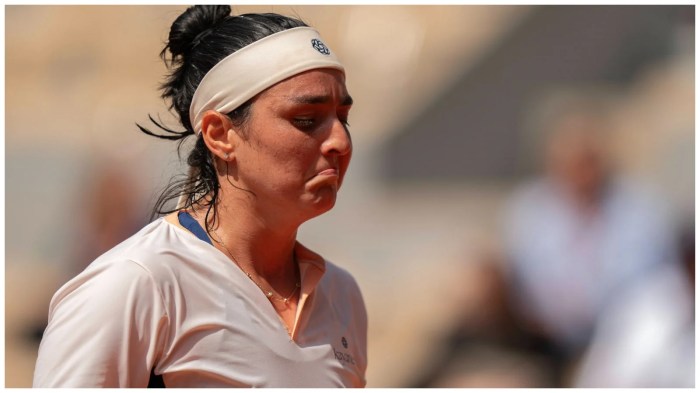
Ons Jabeur’s outspoken criticism of the French Open’s scheduling choices highlights a crucial tension: balancing the interests of players, fans, and sponsors. Finding a solution that satisfies all parties requires careful consideration of various logistical factors and existing models in other sporting events. The debate transcends mere scheduling; it touches upon the broader issue of equitable representation and recognition for women’s tennis.Addressing this complex situation demands innovative scheduling strategies that prioritize player well-being, maximize fan engagement, and maintain the financial viability of the tournament.
Finding a workable compromise that respects the diverse needs of all stakeholders is paramount.
Ons Jabeur’s criticism of the French Open’s decision to not schedule more women’s matches at night is totally valid. It’s a shame, especially considering the amazing performance of the Dutch team, with Depay equaling a scoring record in their recent win against Malta. depay equals scoring record dutch thrash malta Hopefully, this incident will spur some changes in future tournaments, ensuring women’s tennis gets the recognition it deserves.
The lack of night sessions for women’s matches at the French Open is disappointing.
Alternative Scheduling Strategies
A key aspect of resolving this issue involves exploring alternative scheduling strategies. The current model may not always serve the best interests of all involved. Innovative approaches are necessary to find a harmonious balance.
- Flexible Scheduling Options: Implementing flexible scheduling options allows players to choose match times that best suit their individual needs and preferences. This could include a range of start times for matches, potentially extending the tournament schedule to accommodate different time slots. The flexibility would provide more opportunities for players to compete at times that optimize their performance.
Examples of this include the option of earlier or later start times for certain matches, accommodating different time zones or player availability. Flexible scheduling options are already utilized in some other sports, such as the NFL, and have proven effective in enhancing player well-being and match attendance.
- Dedicated Primetime Slots for Women’s Matches: Allocating dedicated primetime slots for women’s matches would significantly increase viewership and media attention. This strategy acknowledges the significant global following of women’s tennis, potentially boosting sponsorships and overall revenue. Such dedicated slots would provide a prominent platform to showcase the talent and skill of female athletes, maximizing the impact of their matches and attracting a wider audience.
This approach mirrors the successful strategies used in other sports to highlight specific events or teams, demonstrating that it can generate substantial interest and financial benefits.
- Expanding Tournament Duration: An alternative solution involves expanding the tournament duration to accommodate more matches and allow for different playing schedules. This approach would spread the matches over a longer period, potentially allowing for a more balanced distribution of men’s and women’s matches throughout the event. This approach would be logistically complex, requiring careful consideration of venue availability and the potential impact on other events.
Such an approach could allow for a more diverse schedule, potentially accommodating different playing needs and maximizing fan engagement.
Comparison with Existing Models
Analyzing existing models in other sporting events provides valuable insights into potential solutions. Examining successful strategies in comparable events can offer guidance for adapting the French Open’s scheduling model.
Jabeur’s criticism of the French Open’s decision to not schedule women’s matches for night sessions is definitely valid. It’s a shame, as a great example of how the lack of scheduling for night matches could potentially affect the viewing audience. Maybe if the organizers had considered something like the recent Sonny Gray Cardinals blank Dodgers series opener , where the game was well-received, they might have given women’s matches more consideration.
Regardless, the issue of equal opportunity in sports is still something that needs more attention.
| Sporting Event | Scheduling Strategy | Impact |
|---|---|---|
| NBA Playoffs | Dedicated primetime slots for crucial games | Increased viewership and media attention, driving revenue |
| Major League Baseball | Flexible start times for some games, accommodating local time zones | Improved player well-being, broader fan base |
| Wimbledon | Flexible scheduling with some matches played during the day | Balanced viewership, allowing for different viewing options |
Feasibility and Logistical Constraints
The feasibility of these alternatives hinges on several factors, including available resources and logistical constraints. Careful consideration of these aspects is essential to determine the practicality of each solution.
“Logistical complexities surrounding venue availability, staffing requirements, and the overall infrastructure of the tournament need to be meticulously addressed.”
The success of implementing alternative scheduling strategies hinges on careful planning and consideration of the potential impact on various stakeholders. Careful assessment of the potential impact on sponsors, players, and fans is crucial for ensuring a successful outcome.
Long-Term Implications
The scheduling decisions surrounding women’s matches at the French Open, particularly the lack of night sessions, raise significant concerns about the long-term health and visibility of women’s tennis. Ons Jabeur’s outspoken criticism highlights a systemic issue that, if left unaddressed, could have detrimental consequences for the sport’s future. The lack of prime-time exposure, crucial for attracting sponsors, media attention, and ultimately, broader fan engagement, is a critical element in the potential decline of the women’s game.The impact of unequal scheduling extends beyond immediate viewership figures.
It directly affects the financial stability of the women’s game, which in turn influences player compensation, training opportunities, and overall investment in the sport. This imbalance in resources can lead to a widening gap between the men’s and women’s professional circuits, further hindering the progress of women’s tennis.
Potential Impact on Growth
Continued unequal scheduling will likely lead to a stagnation in the growth of women’s tennis. Limited exposure in prime time slots means fewer opportunities to attract new fans, particularly younger demographics. This can create a self-perpetuating cycle where the lack of visibility translates into diminished interest, further reducing participation rates in the sport. The diminished exposure also discourages sponsorships and investment in women’s tennis, hindering the development of infrastructure and support systems crucial for player growth and development.
A clear example of this is seen in other sports where unequal scheduling has impacted participation and investment in the women’s side.
Impact on Future Participation, Jabeur slams french open not scheduling womens matches night sessions
The scheduling decisions can have a profound impact on future participation rates. Young girls and women who aspire to pursue tennis professionally are significantly influenced by the visibility and success of established players. If the women’s game lacks prime-time exposure and visibility, it sends a message that the sport is less important or prestigious, potentially discouraging future generations from entering the field.
This is further compounded by the fact that many aspiring athletes are motivated by role models and visibility. Lower participation numbers in the long term can severely affect the talent pool, ultimately diminishing the competitiveness and excitement of women’s tennis.
Sustainability of Women’s Tennis
Addressing concerns raised by players like Ons Jabeur is crucial for the long-term sustainability of women’s tennis. Failing to provide equal opportunities for exposure and recognition could lead to a significant decline in the sport’s popularity and financial viability. The potential consequences for the women’s game extend to the overall well-being of the tennis community. This means that players, coaches, and support staff will all feel the impact of this lack of support and investment.
It is essential to recognize that the sustainability of the entire sport hinges on the success and visibility of both the men’s and women’s divisions. Ultimately, ensuring equal scheduling is a necessary step toward a more equitable and prosperous future for women’s tennis.
Historical Context of Women’s Sports
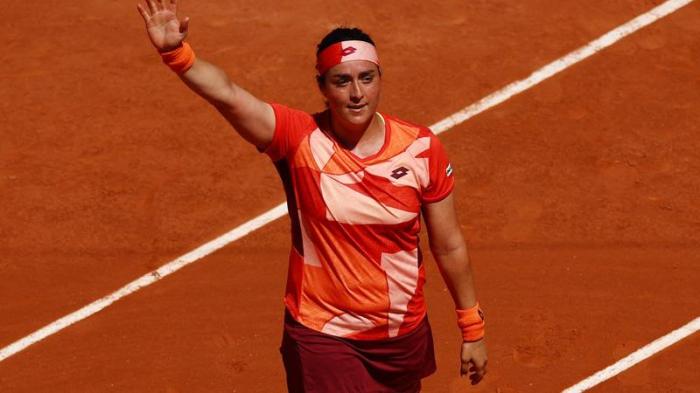
The fight for equal opportunity in sports is a long and ongoing struggle, one that has echoed through various disciplines, including tennis. While progress has been made, the disparity in treatment and resources allocated to women’s sports compared to men’s sports remains a stark reality. This historical context provides valuable insight into the systemic issues that continue to affect women’s athletic pursuits today.The historical treatment of women’s sports often reflected societal biases and prejudices against women’s participation in athletic endeavors.
Men’s sports were frequently prioritized, receiving greater media attention, financial investment, and infrastructure support. This imbalance has had a profound impact on the development and visibility of women’s sports, often relegating them to a secondary position.
Historical Treatment of Women’s Sports
Historically, women’s sports were often viewed as less important or desirable than men’s sports. This perception manifested in limited opportunities, inadequate resources, and diminished media coverage. Different sports have grappled with this issue in various ways. For example, in professional basketball, the WNBA, while successful in its own right, often struggles to gain the same level of national attention and sponsorship as the NBA.
Similar patterns have been observed in other women’s sports leagues, highlighting the pervasive nature of these historical biases.
Evolution of Women’s Tennis
The evolution of women’s tennis reflects a journey of growth and resistance. Early professional tennis saw women facing considerable obstacles in gaining recognition and fair treatment. The establishment of the WTA Tour marked a significant turning point, enabling professional women tennis players to compete on a more structured and organized platform. Increased media coverage in the 1970s helped elevate the profile of female players, showcasing their skills and dedication.
The years between the 1980s and 2000s saw continued growth, with the rise of prominent female players and an increasing number of tournaments. However, the modern era has seen the emergence of new challenges, including scheduling disparities that impact player opportunities and public engagement.
Timeline of Key Events in Women’s Tennis
- 1920s: Early professional tennis emerges, but with limited opportunities and recognition for women. Tournament structures were often designed to segregate men’s and women’s competitions, reflecting the prevailing societal norms of the time. This segregation often limited the visibility and accessibility of women’s tennis.
- 1960s: The establishment of the WTA Tour represents a crucial step toward greater organization and professionalism for women’s tennis. This development allowed players to participate in a more structured environment, although inequalities in funding and media coverage remained.
- 1970s: Increased media coverage and player visibility, but the disparity in coverage compared to men’s tennis persisted. The growing popularity of women’s tennis paved the way for a greater understanding of women’s athletic capabilities.
- 1980s-2000s: Continued growth and development of the women’s game, with prominent players like Steffi Graf and Martina Navratilova achieving significant success. However, challenges in scheduling and media coverage continued to impact the women’s game.
- 2010s-Present: Challenges and opportunities in the modern era, including the need for equitable scheduling in major tournaments. The increasing demand for more balanced scheduling and increased visibility reflects the ongoing efforts to achieve equal opportunities for women in sports.
Final Conclusion
In conclusion, Ons Jabeur’s criticism of the French Open’s scheduling choices underscores a critical need for a more equitable approach to women’s sports. While factors like television rights and revenue streams play a role, the public outcry demonstrates a clear demand for greater visibility and opportunities for women’s matches. Finding a balance between the needs of all stakeholders, including players, fans, sponsors, and broadcasters, is crucial.
The long-term success of women’s tennis depends on addressing these concerns head-on. Potential solutions, such as flexible scheduling or dedicated primetime slots for women’s matches, deserve serious consideration. The French Open and other major tournaments must acknowledge and address this issue to ensure the continued growth and success of women’s tennis.