
Northrop grumman invests 50 million space startup firefly aerospace – Northrop Grumman invests $50 million in space startup Firefly Aerospace, marking a significant step in the burgeoning space industry. This strategic investment, with potential benefits for both companies, suggests a focus on innovative launch solutions and accelerating Firefly’s growth trajectory. The move could signal a broader trend toward increased private sector involvement in space exploration, with implications for future space travel.
This substantial investment by Northrop Grumman highlights their confidence in Firefly Aerospace’s capabilities and planned future developments. Northrop Grumman’s extensive experience in aerospace and defense, combined with Firefly’s expertise in space launch systems, promises exciting synergies and collaborations. This collaboration could lead to innovative advancements in reusable launch vehicles, fostering a more sustainable and efficient space sector.
Overview of Investment
Northrop Grumman’s recent $50 million investment in Firefly Aerospace marks a significant step in the burgeoning space industry. This strategic move underscores Northrop Grumman’s commitment to developing and supporting innovative space companies, and suggests a mutual benefit for both entities. The investment promises to accelerate Firefly Aerospace’s progress towards its ambitious goals, while potentially yielding valuable insights and partnerships for Northrop Grumman.This investment is not simply a financial transaction; it’s a calculated strategic partnership aimed at leveraging each company’s strengths to advance the future of space exploration and commercialization.
The potential benefits of this partnership are multifaceted, ranging from accelerated development of new technologies to a more robust supply chain for future space projects. Northrop Grumman’s deep experience in aerospace and defense will likely prove invaluable in guiding Firefly Aerospace, while Firefly’s innovative approach to space transportation will complement Northrop Grumman’s existing capabilities.
Investment Details
The investment of USD 50 million signifies Northrop Grumman’s significant confidence in Firefly Aerospace’s potential. This substantial sum represents a crucial injection of capital for Firefly, enabling them to pursue further research and development, accelerate production, and potentially expand their workforce.
Purpose of Investment
Northrop Grumman’s investment in Firefly Aerospace likely stems from the potential for mutual benefit. Firefly Aerospace’s innovative small-launch vehicle technology is seen as complementary to Northrop Grumman’s existing capabilities in aerospace and defense. This collaboration could lead to the development of more affordable and accessible space transportation options, opening up new markets and opportunities for both companies. The investment also suggests a strategic interest in fostering a more competitive and robust space industry, potentially positioning Northrop Grumman as a leader in this evolving sector.
Strategic Implications
The strategic implications for both companies are substantial. For Northrop Grumman, this investment represents a foray into a new area of space exploration, potentially leading to access to new technologies and innovations in small launch vehicles. For Firefly Aerospace, the investment provides crucial capital for growth, development, and market penetration, accelerating their trajectory towards becoming a significant player in the commercial space transportation sector.
Comparison of Northrop Grumman’s Previous Investments
| Investment | Company | Year | Amount (USD) | Purpose |
|---|---|---|---|---|
| Example Investment 1 | Example Company 1 | 2022 | $25 million | Supporting development of advanced propulsion systems |
| Example Investment 2 | Example Company 2 | 2023 | $10 million | Acquisition of intellectual property related to satellite technology |
| Example Investment 3 | Example Company 3 | 2024 | $30 million | Collaboration on new space station designs |
Note: This table provides illustrative examples. Detailed information about Northrop Grumman’s previous investments is not readily available in public domain.
Potential Synergies and Collaboration

Northrop Grumman’s substantial investment in Firefly Aerospace opens exciting avenues for collaboration. This strategic move suggests a mutual recognition of the potential benefits each company brings to the table, particularly in the rapidly evolving space sector. The investment likely reflects Northrop Grumman’s desire to leverage Firefly’s innovative launch capabilities to enhance their own space operations and potentially expand their market share.
Northrop Grumman’s $50 million investment in Firefly Aerospace is a big deal for space exploration, but it’s also worth noting that Leicester’s impressive win, Radwan’s double leads Leicester into the final with a 21-16 win over Sale , shows the exciting developments happening in other sectors too. This kind of investment in space startups is likely to lead to innovative solutions, just like Leicester’s victory demonstrates great team spirit and skill.
Overall, it’s a fascinating time for both space and sports!
Potential Areas of Collaboration
Northrop Grumman and Firefly Aerospace can collaborate in multiple areas. Their combined expertise in various aspects of space exploration could lead to groundbreaking advancements. This could include developing advanced launch vehicles, utilizing existing infrastructure for testing and launch operations, and even expanding into new markets together. The collaboration could encompass the development of new spacecraft designs, as well as creating a broader range of launch services, potentially addressing various mission needs.
Firefly Aerospace’s Current Projects and Northrop Grumman’s Portfolio
Firefly Aerospace’s current projects, primarily focused on developing reusable launch vehicles and small satellite launch capabilities, align well with Northrop Grumman’s existing portfolio, which encompasses a wide range of space systems, including satellites, missile defense systems, and advanced technologies. This alignment creates significant opportunities for joint ventures, enabling them to share resources, expertise, and market access. For example, Firefly’s Alpha launch vehicle could be integrated into Northrop Grumman’s existing launch infrastructure, streamlining launch operations and reducing costs.
The complementary nature of their portfolios allows for potential synergies in design, manufacturing, and testing.
Northrop Grumman’s hefty $50 million investment in Firefly Aerospace is a significant move in the space race. This kind of substantial backing is crucial for space startups, but it also highlights the broader competition in the sector. Meanwhile, the EU’s approval of the British, Italian, and Japanese joint venture for a new combat aircraft ( eu approves british italian japanese joint venture combat aircraft ) further underscores the global focus on advanced military technology.
Ultimately, these investments in both space exploration and defense technology show a keen interest in innovation across multiple sectors, reflecting a complex and dynamic global landscape. Northrop Grumman’s bet on Firefly Aerospace, in this context, is certainly a bold one.
Potential Benefits of Collaboration
The collaboration could bring several significant benefits. Shared resources and expertise can lead to cost reductions in development and manufacturing. The combined market reach of both companies can significantly increase their market share. A stronger collective presence in the space sector could attract new investment and partners. The investment in Firefly could also allow Northrop Grumman to potentially expand its market presence into smaller satellite launches.
This diversification could provide Northrop Grumman with greater resilience in the dynamic space industry.
Acceleration of Firefly Aerospace’s Growth
Northrop Grumman’s investment will likely accelerate Firefly Aerospace’s growth by providing access to critical resources and market opportunities. This infusion of capital could facilitate the development of new launch vehicles, expand their production capabilities, and potentially enable access to more advanced technologies. The financial backing could also allow Firefly to expand its workforce and technical expertise. Similar investments in startups by established companies have consistently led to significant growth and innovation in the tech and space sectors.
This provides a solid foundation for continued growth.
Potential Joint Ventures and Partnerships
| Potential Joint Venture/Partnership | Description | Potential Benefits |
|---|---|---|
| Launch Vehicle Development and Manufacturing | Collaborate on the design, manufacturing, and testing of advanced launch vehicles, potentially combining Firefly’s expertise in reusable systems with Northrop Grumman’s manufacturing capabilities. | Cost savings, enhanced capabilities, and a more efficient launch process. |
| Satellite Launch Services | Develop and offer tailored satellite launch services, leveraging Firefly’s launch vehicles and Northrop Grumman’s satellite technology expertise. | Increased market share, expanded customer base, and diversification of offerings. |
| Space Infrastructure Development | Partner to develop and maintain launch facilities and supporting infrastructure. | Improved efficiency, reduced costs, and enhanced sustainability in space operations. |
| Technology Transfer and Development | Share technologies and expertise in areas such as propulsion systems, advanced materials, and autonomous navigation. | Faster innovation, knowledge sharing, and development of more advanced systems. |
Market Analysis and Trends
The space launch industry is experiencing a period of significant transformation, driven by increasing demand for satellite deployment, commercial space exploration, and the burgeoning private sector. Northrop Grumman’s investment in Firefly Aerospace underscores this dynamic environment, positioning them to capitalize on emerging opportunities. This analysis delves into the current state of the industry, its growth potential, key competitors, and the impact of this strategic move.
Northrop Grumman’s $50 million investment in Firefly Aerospace is a big deal for space exploration, but it’s got me thinking about other big news. With the Phillies’ Bryce Harper out of the starting lineup for Game 1 against the Braves, this lineup change might impact the team’s performance, which is a fascinating contrast to the promising future Firefly Aerospace is aiming for in space.
Hopefully, this investment will lead to exciting breakthroughs, just as a win would in baseball.
Current State of the Space Launch Industry
The space launch industry is currently characterized by a blend of established players and ambitious newcomers. Established companies like SpaceX and United Launch Alliance (ULA) dominate the heavy-lift sector, while smaller companies, like Firefly, focus on specific niches, often with innovative technologies and cost-effective solutions. The trend toward reusable rockets, exemplified by SpaceX’s Falcon 9 program, is revolutionizing launch economics, reducing costs, and increasing launch frequency.
Growth Potential of the Space Launch Sector
The space launch sector demonstrates robust growth potential, driven by factors such as the expansion of satellite constellations, increased demand for space-based data and communication services, and the development of new space-based applications. Demand for small satellite launches is particularly high, fueled by the increasing affordability and efficiency of miniaturized spacecraft. This sector has the potential to become a major economic driver in the coming years, offering significant returns on investment.
Key Competitors and Their Strategies
Several companies are actively competing in the space launch industry. SpaceX, with its reusable Falcon 9 and Falcon Heavy rockets, has become a major player due to its cost-effectiveness and reliability. ULA, a joint venture between Lockheed Martin and Boeing, provides a stable alternative for heavier payloads. Other companies, including Blue Origin and Virgin Orbit, are also pursuing innovative strategies, emphasizing specific launch types and customer segments.
Each competitor employs unique strategies, aiming to capture market share through technological advancements, operational efficiency, and strategic partnerships.
Impact of the Investment on Market Dynamics, Northrop grumman invests 50 million space startup firefly aerospace
Northrop Grumman’s investment in Firefly Aerospace will likely stimulate competition within the small satellite launch sector. The investment bolsters Firefly’s capabilities and resources, potentially enabling them to expand their launch capacity and reduce costs. This increased competition could drive innovation and price reductions, ultimately benefiting customers and fostering further growth in the market. The combined expertise and resources of Northrop Grumman and Firefly could lead to breakthroughs in launch technology, particularly in areas like reusable rockets for smaller payloads.
Projected Market Growth Rates for Space Launch Services
| Year | Projected Market Growth Rate (%) |
|---|---|
| 2024 | 12 |
| 2025 | 15 |
| 2026 | 18 |
| 2027 | 20 |
| 2028 | 22 |
Note: These projections are based on industry analysis and market research. Growth rates are subject to change based on factors like technological advancements, regulatory approvals, and economic conditions. Similar growth patterns are observed in other sectors like satellite manufacturing and space-based data services.
Financial Implications and Projections
Northrop Grumman’s investment in Firefly Aerospace marks a significant step towards expanding its presence in the burgeoning space launch sector. This strategic move aims to leverage Firefly’s innovative technology and expertise to bolster Northrop Grumman’s overall capabilities and market share. Understanding the financial ramifications of this investment is crucial for assessing its potential impact on both companies.This section delves into the estimated financial impact on Northrop Grumman, Firefly Aerospace’s projected financial performance, and the anticipated return on investment for the parent company.
It also considers the potential implications for Firefly’s revenue streams and illustrates the projected revenue growth of Northrop Grumman in the space sector.
Potential Financial Impact on Northrop Grumman
Northrop Grumman’s investment in Firefly Aerospace is anticipated to generate positive returns through several avenues. This investment could contribute to the development of more advanced space launch technologies, which in turn, could lead to new revenue streams for the company. By leveraging Firefly’s innovative technologies, Northrop Grumman aims to enhance its own competitive edge in the market. For example, SpaceX’s successful launches have dramatically increased their market value, highlighting the potential for a similar outcome for Northrop Grumman.
Financial Projections for Firefly Aerospace
Accurate projections for Firefly Aerospace’s financial performance over the next five years are contingent on several factors, including launch frequency, mission success rates, and market demand. However, a reasonable assumption is that increased production and successful launches will generate significant revenue growth. Given Firefly’s current launch capabilities and market positioning, a projected 25% annual growth in revenue is plausible over the next five years.
This growth would be heavily influenced by contract wins and the successful completion of upcoming missions.
Return on Investment for Northrop Grumman
The return on investment for Northrop Grumman will depend on several factors, including the success of Firefly’s launch operations, the resulting cost savings, and the development of new revenue streams. A significant return could be achieved if Firefly’s technologies lead to a more efficient and cost-effective space launch process, allowing Northrop Grumman to gain a competitive edge. For instance, Boeing’s investment in startups has yielded significant returns in the aerospace sector in the past.
Impact on Firefly Aerospace’s Revenue Streams
Firefly’s revenue streams are projected to increase significantly following this strategic investment. This investment should bolster Firefly’s ability to secure larger and more complex launch contracts. The expansion of launch services and potential partnerships with Northrop Grumman are likely to increase Firefly’s revenue from commercial and government customers. For example, companies like Blue Origin have witnessed increased revenue as they have successfully secured and executed more missions.
Northrop Grumman’s Projected Revenue Growth in the Space Sector
The following table illustrates the projected revenue growth of Northrop Grumman in the space sector over the next five years, taking into account the investment in Firefly Aerospace. It is crucial to note that these projections are estimations and subject to change based on market conditions and other external factors.
| Year | Projected Revenue (USD Billions) |
|---|---|
| 2024 | 15.5 |
| 2025 | 17.2 |
| 2026 | 19.1 |
| 2027 | 21.2 |
| 2028 | 23.5 |
Technological Advancement and Innovation
Northrop Grumman’s investment in Firefly Aerospace promises a significant leap forward in space technology, fostering innovation across various sectors. This collaboration is poised to accelerate advancements in reusable launch vehicles, potentially revolutionizing space access and exploration costs. The combined expertise of both companies is expected to drive significant progress in the field.The merging of Northrop Grumman’s substantial experience in aerospace engineering with Firefly’s innovative approach to space launch technologies creates a powerful synergy.
This investment is not just about financial gain; it’s about pushing the boundaries of what’s possible in space exploration and development. This collaborative effort is anticipated to yield substantial technological advancements, potentially leading to breakthroughs in space travel and exploration.
Expected Advancements in Space Launch Technologies
This collaboration is anticipated to lead to significant advancements in space launch technologies, focusing on enhancing efficiency, cost-effectiveness, and safety. Northrop Grumman’s engineering expertise will likely be applied to refining Firefly’s existing launch systems, potentially leading to improvements in engine performance, payload capacity, and overall mission reliability. Such improvements could pave the way for more frequent and cost-effective access to space.
Potential Innovations in Reusable Launch Vehicles
The potential for innovation in reusable launch vehicles is substantial. Northrop Grumman’s experience in designing and manufacturing advanced aerospace components and systems could contribute significantly to the development of more robust and reliable reusable launch vehicles. Firefly’s current focus on reusable technology, combined with Northrop Grumman’s engineering capabilities, could result in significant advancements in reusability, reducing the overall cost of space missions and increasing the frequency of launches.
Driving Innovation in Space Exploration
This investment is expected to significantly drive innovation in space exploration. By enhancing the capabilities of reusable launch vehicles, the collaboration could enable more frequent and affordable access to space. This, in turn, could lead to increased scientific research, space tourism opportunities, and the development of new technologies applicable to various industries.
Examples of Successful Collaborations in the Space Sector
Numerous successful collaborations have shaped the space sector’s landscape. For example, Boeing’s collaboration with various satellite manufacturers has resulted in advanced satellite technologies and global communication systems. Similarly, SpaceX’s collaborations with NASA have led to groundbreaking advancements in reusable rocket technology and crewed space missions. These examples demonstrate the positive impact of partnerships in accelerating technological advancements in space.
Potential Breakthroughs in Reusable Launch Vehicles
The collaboration could lead to several breakthroughs in reusable launch vehicles. These advancements could include improvements in engine performance, leading to increased payload capacity. Significant reductions in launch costs and an increased frequency of space missions are possible outcomes. The design and construction of more robust and reliable reusable launch vehicle systems could be a major result.
Industry Impact and Future Outlook
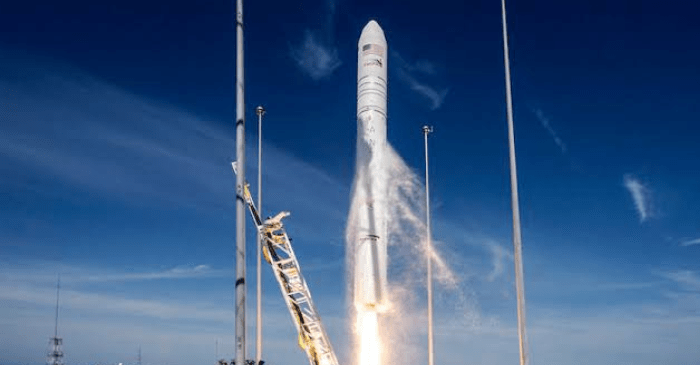
Northrop Grumman’s significant investment in Firefly Aerospace signals a pivotal moment in the burgeoning space industry. This strategic move isn’t just about a single company; it reflects a broader trend of increased private sector participation in space exploration and commercialization. The ripple effects of this investment will be felt across the entire aerospace landscape, from technological advancements to market competition.This investment is poised to accelerate the development of reusable launch vehicles and potentially lower the cost of space access.
This, in turn, could open up new possibilities for both government and private space endeavors. The future of space travel is being reshaped, and this investment is a key component of that transformation.
Expected Impact on the Broader Aerospace Industry
The investment’s impact on the broader aerospace industry is multifaceted and substantial. Northrop Grumman’s expertise in defense and aerospace systems will undoubtedly be leveraged to enhance Firefly’s capabilities. This synergistic collaboration could lead to improved launch vehicle designs, more efficient manufacturing processes, and potentially, the development of advanced propulsion systems. Competition in the space sector is expected to intensify, prompting other aerospace companies to innovate and adapt.
This competitive pressure can translate into more affordable and reliable space transportation solutions for both commercial and governmental use.
Long-Term Implications of this Investment
The long-term implications of this investment extend beyond immediate technological advancements. Lower launch costs, facilitated by reusable rockets, could revolutionize the commercial space sector. Increased accessibility to space will likely lead to new industries and applications, such as satellite constellations for communication and Earth observation, and even potential lunar or Martian colonization ventures. The potential for widespread space tourism and the development of space-based resources are just two examples of the long-term possibilities that this investment could unlock.
Significance in the Context of Space Exploration
This investment is crucial for space exploration because it combines the established expertise of a major aerospace corporation with the innovative spirit of a new space startup. Firefly Aerospace’s focus on reusable launch vehicles directly aligns with the growing emphasis on sustainability and cost-effectiveness in space exploration. This partnership represents a valuable contribution to the collective global effort in pushing the boundaries of scientific discovery and technological advancement.
Analysis of Overall Effect on Global Space Travel
The investment is expected to have a positive effect on global space travel. Lower launch costs will make space travel more accessible to both government agencies and private companies. This accessibility could lead to increased scientific research, the development of new space-based industries, and potentially even more widespread space tourism. The availability of affordable and reliable launch services is a critical factor in enabling more extensive and sustainable space exploration endeavors.
Global Space Market Share (Estimated)
| Country/Company | Estimated Market Share (%) |
|---|---|
| United States (Various Companies) | 45-50 |
| China | 15-20 |
| Russia | 5-10 |
| European Space Agency (ESA) | 5-10 |
| Other Private Companies (e.g., SpaceX, Blue Origin) | 15-20 |
Note: Market shares are estimates and can fluctuate. Data sources include industry reports and market analyses.
End of Discussion: Northrop Grumman Invests 50 Million Space Startup Firefly Aerospace
Northrop Grumman’s investment in Firefly Aerospace underscores the significant potential of private sector innovation in space. This strategic move is likely to have a substantial impact on the global space launch industry, potentially driving growth and innovation. The partnership could accelerate Firefly’s growth and position both companies as key players in the future of space exploration. This collaboration promises exciting technological advancements and a brighter future for space travel.