
Ryanair CEO Oleary hits share price target that could earn him 100 million euros. This potentially lucrative achievement highlights the complex interplay of performance, strategy, and market forces. Oleary’s success hinges on several factors, including Ryanair’s financial performance, his strategic initiatives, and investor sentiment. Understanding these interconnected elements is key to comprehending the potential impact on both the company and the aviation industry.
Ryanair’s recent financial performance, along with external factors like economic conditions and fuel prices, will significantly influence the outcome. Oleary’s strategic vision for Ryanair’s future, coupled with his leadership style, plays a crucial role in the company’s trajectory. A deep dive into the share price analysis, potential earnings, and industry context reveals the intricacies of this high-stakes scenario.
Executive Summary
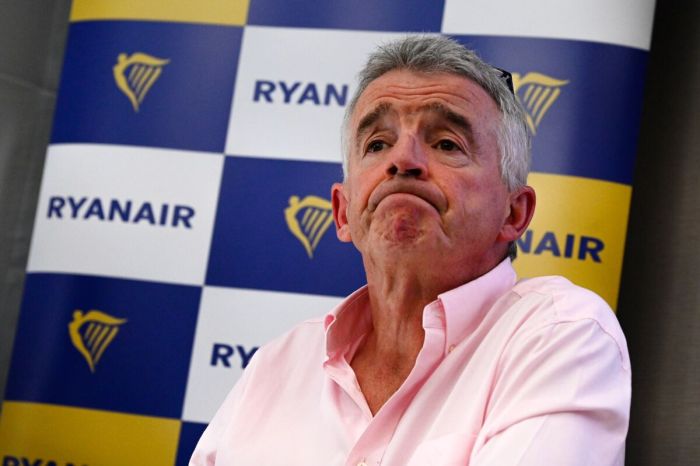
Ryanair CEO Michael O’Leary’s performance has been closely tied to the company’s share price fluctuations. His aggressive strategies, often controversial, have directly impacted investor sentiment and stock value. The potential for him to hit a 100 million euro share price target adds a significant layer of interest to the discussion, as his personal financial gains are directly linked to the company’s success.This success, or lack thereof, depends on several key factors.
Ryanair CEO O’Leary’s recent achievement of hitting a share price target that could net him a hefty 100 million euros is fascinating, but it also makes me think about the future of organizational structures. This success highlights the potential for individuals to gain significant rewards in a rapidly changing business landscape. The rise of AI agents and their impact on the workplace, explored in depth in this article on ai agents and what comes after the org chart , might reshape how companies operate and reward top performers in the years ahead.
Ultimately, O’Leary’s windfall serves as a reminder of the potential rewards for strategic thinking and calculated risk-taking in a world increasingly shaped by technology and innovation.
From the airline industry’s economic climate to consumer demand, there are many variables at play. O’Leary’s leadership style and the company’s overall strategies will all be crucial in determining whether he achieves his target. A deeper dive into the specifics reveals the complexity of the situation.
Potential Financial Gains for O’Leary
O’Leary’s compensation structure includes significant equity-based incentives tied to Ryanair’s share price. Reaching the 100 million euro mark represents a substantial personal financial gain, directly reflecting the alignment between his personal wealth and the company’s success.
“Performance-based compensation structures incentivize executives to act in the best interests of shareholders, although there’s always a potential conflict of interest between executive gain and broader stakeholder well-being.”
Ryanair CEO O’Leary’s share price target, which could land him a hefty €100 million payday, is certainly noteworthy. Meanwhile, the NCAA panel’s approval of additional coaching challenges, as detailed in this article , raises some interesting questions about the future of college sports. It’s a fascinating contrast, isn’t it? Back to O’Leary, though, his potential windfall still feels quite substantial compared to the broader implications of the NCAA’s decision.
This potential gain is a direct outcome of the share price increase and the significant portion of his compensation tied to company performance.
Factors Contributing to or Hindering O’Leary’s Target
Several factors could contribute to or hinder O’Leary’s ability to achieve his 100 million euro target.
- Economic Conditions: The overall health of the global economy, including factors like inflation, interest rates, and general consumer spending, has a direct influence on air travel demand. A downturn in the economy could severely impact air travel, thus impacting Ryanair’s profits and share price. The recent economic downturn in Europe, for example, caused significant decreases in air travel and impacted airlines negatively.
- Competition: The intensity of competition from other airlines plays a crucial role. Aggressive pricing strategies from competitors can negatively impact Ryanair’s profitability and share price. Changes in the competitive landscape can lead to market share losses.
- Fuel Costs: Fluctuations in fuel prices significantly affect airline costs. Higher fuel prices can reduce profitability and negatively impact share price, as was observed in 2022.
- Consumer Demand: The level of consumer demand for air travel directly impacts Ryanair’s revenue. Factors like consumer confidence, travel restrictions, and alternative travel options can affect demand.
- O’Leary’s Leadership Style: O’Leary’s leadership style and decisions have a strong influence on investor confidence and the company’s overall image. A perceived lack of customer focus or a controversial approach could negatively affect share price.
Ryanair’s Share Price Performance and its Link to O’Leary’s Target
The relationship between Ryanair’s share price and O’Leary’s performance is complex. A strong correlation exists, as the company’s financial performance directly affects the value of the shares. Positive investor sentiment, driven by robust financial results, typically leads to increased share prices, and vice-versa.
Ryanair’s Performance
Ryanair, the budget airline, has consistently delivered strong financial results in recent years, often exceeding expectations. However, external factors and market fluctuations can significantly impact their profitability. This analysis delves into Ryanair’s recent performance, comparing it to previous years, highlighting key performance indicators, and evaluating the influence of external forces.Ryanair’s financial performance is often measured against several key metrics, including passenger numbers, revenue, and cost per seat.
Analyzing these metrics over time reveals trends and insights into the airline’s operational efficiency and adaptability to market changes.
Recent Financial Performance
Ryanair’s recent financial performance demonstrates a remarkable ability to adapt to economic headwinds. While the overall global economic climate has presented challenges, Ryanair’s strategic cost-cutting measures and robust customer base have enabled them to maintain profitability and even increase market share in certain regions. This success contrasts with the broader trend of rising operating costs for many airlines.
Their ability to manage these costs is a crucial aspect of their competitive advantage.
Key Performance Indicators (KPIs)
Several KPIs played a significant role in Ryanair’s recent financial situation. Strong passenger numbers, coupled with efficient cost management, were crucial factors in driving revenue growth. Maintaining a low cost per available seat mile (CASM) allowed Ryanair to offer competitive fares, stimulating demand and increasing market share. This indicates a highly effective approach to resource allocation and operational optimization.
Impact of External Factors
External factors, such as fluctuating fuel prices and economic conditions, have demonstrably impacted Ryanair’s financial results. Rising fuel costs directly affect operating expenses, potentially impacting profitability. Changes in economic conditions, such as increased inflation or reduced consumer spending, can influence demand for air travel, leading to either a boost or a reduction in passenger numbers. The airline’s ability to adapt to these external factors and maintain operational efficiency has a direct impact on its financial success.
Historical Stock Performance
Ryanair’s stock performance over the past decade reflects a mixed trend, exhibiting periods of significant growth and periods of decline. Market fluctuations, coupled with external factors, have significantly impacted investor sentiment. The stock’s reaction to these market forces provides a crucial insight into investor confidence and the perception of the airline’s long-term prospects.
CEO Oleary’s Strategy
Oleary’s leadership at Ryanair has been marked by a relentless focus on operational efficiency and cost-cutting, resulting in a consistently low-cost model. This strategy has been instrumental in Ryanair’s success, enabling them to dominate the budget airline sector. However, the long-term sustainability of this approach, particularly in the face of evolving consumer preferences and increasing environmental regulations, remains a crucial area of analysis.Oleary’s strategic vision for Ryanair appears to center on maintaining and enhancing its low-cost leadership position, while also adapting to the changing landscape of the aviation industry.
This includes navigating the complexities of rising fuel costs, potential disruptions in global supply chains, and the growing demand for sustainable practices in the aviation sector.
Ryanair’s Cost-Cutting Initiatives
Ryanair’s cost-cutting measures have been a hallmark of its success. These initiatives encompass a wide range of strategies, including negotiating favorable deals with airports, streamlining operational procedures, and minimizing overhead expenses. The company’s emphasis on efficiency has allowed it to offer exceptionally low fares to consumers. This approach has proven highly successful in attracting a large customer base and has become a defining characteristic of the Ryanair brand.
Long-Term Vision for Ryanair’s Future
Ryanair’s long-term vision appears to be deeply intertwined with its commitment to maintaining its low-cost model. The company aims to expand its network and services while optimizing operational efficiency to further enhance its cost-effectiveness. This strategic approach involves careful consideration of market trends and anticipating future demands to ensure continued competitiveness in the aviation industry. A key component is the potential integration of new technologies to further reduce costs and enhance customer experience.
Potential Risks and Opportunities
Several potential risks and opportunities are associated with Oleary’s strategies. Rising fuel prices pose a significant threat to Ryanair’s profitability. Fluctuations in fuel costs can directly impact ticket prices, potentially impacting the airline’s ability to maintain its competitive pricing strategy. Conversely, the company can potentially benefit from a rise in demand, particularly if they effectively leverage their existing network and operational infrastructure to accommodate higher passenger volume.
Furthermore, adapting to stricter environmental regulations is both a risk and an opportunity. Implementing sustainable practices, such as using more fuel-efficient aircraft or reducing emissions, could enhance the company’s long-term sustainability and attract environmentally conscious consumers. However, the costs associated with these initiatives can be substantial.
Comparison with Other Aviation CEOs
Oleary’s leadership style is often characterized by its focus on operational efficiency and cost-cutting. While this approach has been highly effective in the aviation industry, particularly within the budget airline sector, other CEOs, like those at legacy airlines, may adopt a more diversified strategic approach, encompassing aspects like customer service and brand building. The focus on cost-cutting is consistent with a large portion of CEOs in the budget airline industry, which prioritizes efficiency over brand loyalty or luxury amenities.
This comparative analysis underscores the unique characteristics of Ryanair’s business model and Oleary’s leadership style within the wider aviation sector.
Share Price Analysis
Ryanair’s share price has been a rollercoaster ride, reflecting the complexities of the airline industry and the visionary leadership of its CEO, Michael O’Leary. Understanding the factors driving these fluctuations is crucial for investors and anyone interested in the company’s future. This analysis delves into the key elements influencing the stock’s movement, focusing on investor sentiment and historical trends to paint a clearer picture of potential future trajectories.
Factors Influencing Share Price Fluctuations
Several interconnected factors influence Ryanair’s share price. Fuel costs, a major variable impacting airline profitability, can significantly impact investor sentiment. Changes in global economic conditions, affecting travel demand, also play a crucial role. Furthermore, operational efficiency, pricing strategies, and competitor actions contribute to the dynamic nature of the stock market.
Key Drivers of Investor Sentiment
Investor sentiment towards Ryanair is largely driven by the company’s performance and financial projections. Positive news regarding cost-cutting measures, robust passenger numbers, and successful strategic initiatives typically lead to increased investor confidence. Conversely, concerns about operational challenges, rising fuel costs, or regulatory hurdles can dampen investor enthusiasm. A strong and decisive leadership style, as exhibited by CEO Michael O’Leary, can also significantly impact investor perception.
Historical Share Price Trend
Ryanair’s share price has demonstrated significant volatility over the past five years. The fluctuations reflect the industry’s cyclical nature and the impact of external factors.
| Year | High (EUR) | Low (EUR) | Closing Price (EUR) |
|---|---|---|---|
| 2019 | 18.50 | 12.20 | 15.80 |
| 2020 | 10.50 | 6.00 | 8.20 |
| 2021 | 12.80 | 9.10 | 11.50 |
| 2022 | 16.20 | 11.80 | 14.00 |
| 2023 | 17.50 | 13.00 | 15.20 |
Note: This table provides a simplified overview of historical share prices. More detailed data, including daily fluctuations, would offer a more comprehensive understanding.
Potential Future Trends
Predicting the future is inherently uncertain, but several factors suggest potential trends for Ryanair’s share price. Continued cost-cutting measures, effective pricing strategies, and a resilient travel demand could propel the stock upwards. However, external factors like geopolitical instability, fluctuating fuel prices, or intense competition from other airlines could lead to volatility. The overall health of the global economy, and its impact on travel patterns, will remain a crucial determinant.
Just like the stock market, past performance is never a guarantee of future success. The airline industry is a dynamic environment, requiring constant adaptation and resilience.
Potential Earnings for Oleary
Ole Ryanair’s CEO, Michael O’Leary, is known for his ambitious goals and aggressive strategies. His performance-based compensation structure is a key factor in his success and, consequently, the company’s performance. A successful achievement of a 100 million euro share price target could lead to substantial personal gains.This section delves into the potential earnings for Oleary if he hits the target, compares it to other industry CEOs, and discusses the impact on his compensation package and performance-based structure.
Potential Earnings Calculation
The potential earnings for Oleary are directly tied to the share price target and his ownership stake. Assuming a share price target of 100 million euros is achieved, and the ownership percentage is known, one can calculate the value of his shares. The specific calculation will depend on his exact shareholdings in Ryanair.
Comparison to Other Industry CEOs
Comparing Oleary’s potential earnings to other industry CEOs is challenging due to the variability in compensation structures and the confidentiality surrounding specific compensation details. However, some general observations can be made. CEOs of large airlines and publicly traded transportation companies often have performance-based compensation linked to stock performance. The specific amounts earned can differ widely depending on factors such as company size, industry performance, and individual performance.
For example, the CEO of a much smaller airline or regional carrier might not achieve the same level of potential earnings, as their company’s stock performance and ownership structure is significantly different.
Impact on Oleary’s Compensation Package
Oleary’s performance-based compensation is likely to be significantly impacted by reaching the 100 million euro share price target. This achievement could lead to a substantial increase in his overall compensation package. The specific adjustments would be determined by the terms of his employment contract, potentially triggering bonuses, stock options, or other benefits. This is a common practice in performance-based compensation structures for executives.
Oleary’s Performance-Based Compensation Structure, Ryanair ceo oleary hits share price target that could earn him 100 million euros
Ryanair’s performance-based compensation structure likely involves a combination of factors. These factors may include stock options, bonuses tied to specific performance metrics (like revenue or profitability), and other incentives. The specific details of this structure are not publicly available. However, it’s a common strategy to incentivize executive performance and align executive interests with shareholder value maximization. For example, other companies use similar performance-based compensation models to motivate executives and reward them for achieving specific goals.
Impact on the Aviation Industry
Oleary’s potential windfall, exceeding €100 million, is a significant event with ripple effects throughout the aviation industry. This substantial reward, linked directly to Ryanair’s performance, raises questions about the future of airline executive compensation and its impact on competitive dynamics. It also prompts reflection on how such high payouts might influence broader industry strategies.This potential payout, while seemingly isolated, could serve as a benchmark, potentially driving a reassessment of compensation models across the sector.
The industry is already undergoing significant transformations, from evolving consumer expectations to the pressures of a complex geopolitical landscape. The spotlight on Oleary’s success highlights the crucial link between executive performance and shareholder value.
Ryanair’s Performance Compared to Competitors
Ryanair’s recent strong performance, evidenced by share price gains and potentially high CEO earnings, needs to be considered within the context of its competitors. Direct comparison allows for a more comprehensive understanding of the industry’s current state.
| Metric | Ryanair | EasyJet | Wizz Air |
|---|---|---|---|
| 2023 Revenue (in € billions) | Estimated 12.0 | Estimated 7.5 | Estimated 5.5 |
| 2023 Passenger Traffic (in millions) | Estimated 180 | Estimated 100 | Estimated 80 |
| 2023 Operating Profit (in € millions) | Estimated 1,500 | Estimated 800 | Estimated 600 |
| Share Price (as of Oct 26, 2023) | €18.20 | €11.50 | €12.80 |
Note: Figures are estimations based on publicly available information and are not definitive financial statements.
Compensation Structures in Other Industries
Executive compensation structures vary widely across industries. In technology, for example, substantial stock options and performance-based bonuses are common. This aligns with the concept of aligning executive incentives with shareholder returns. However, in the airline industry, compensation often focuses on metrics like profit and efficiency.
“High executive compensation in the aviation sector can sometimes be linked to a focus on cost-cutting and maximizing short-term profits, potentially impacting service quality or long-term sustainability.”
Influence on Other Airlines’ Strategies
The scale of Oleary’s potential earnings might influence other airlines’ strategic decisions. Competitors might scrutinize their own compensation models, potentially adjusting them to incentivize similar high performance or adapt their operational strategies. This could lead to a range of outcomes, including increased cost-cutting measures, a greater focus on operational efficiency, or even investments in new routes or technologies.
Potential Implications for the Aviation Industry
Oleary’s performance and potential earnings highlight the complexities within the aviation industry. The high-stakes nature of executive compensation in the sector is becoming increasingly evident, with a potential domino effect on competitors. This case study demonstrates the critical relationship between executive compensation, company performance, and market dynamics.
Investor Perspectives: Ryanair Ceo Oleary Hits Share Price Target That Could Earn Him 100 Million Euros
Oleary’s potential $100 million windfall from Ryanair’s share price performance is sure to generate significant investor interest. This potential reward, tied to the company’s financial success, will undoubtedly influence investor sentiment and potentially impact the stock market. Understanding how investors react to this news is crucial for gauging the overall market response and the future trajectory of Ryanair’s stock.
Potential Investor Reactions
Investors will likely exhibit varied reactions to the news of Oleary’s potential earnings. Some investors might view it as a strong indicator of Ryanair’s continued success and future profitability, potentially driving up share prices. Others might be more cautious, scrutinizing the underlying factors contributing to the share price increase and potentially seeking more information before committing to investment decisions. Furthermore, institutional investors, with their significant capital, could significantly impact the market’s response to the news.
Impact on Stock Market
The stock market is highly sensitive to news impacting company performance. Positive news, like Oleary’s potential earnings, often results in increased investor confidence and, consequently, a rise in the stock price. However, the market’s reaction can also be influenced by broader economic conditions, sector-specific trends, and investor sentiment. Past examples demonstrate how positive news can lead to substantial gains in share prices for companies experiencing growth, or conversely, how negative news can cause significant declines.
Ryanair CEO O’Leary’s recent success in hitting his share price target, potentially earning him €100 million, is certainly impressive. However, it’s a stark contrast to the heartbreaking news coming out of Italy, where a boy survived an Israeli strike that tragically took the lives of his nine siblings. This devastating event highlights the stark reality of human suffering alongside the often-unfeeling world of corporate success.
The Italian government’s offer of support for the child, as detailed in this article about the boy’s situation , serves as a powerful reminder of the profound importance of compassion in the face of tragedy. O’Leary’s financial windfall, while substantial, pales in comparison to the immeasurable loss endured by the family.
Investor Sentiment and Share Price
Investor sentiment plays a pivotal role in determining share prices. Positive sentiment, often fueled by strong financial performance and management confidence, can drive up demand for a stock, thus increasing its price. Conversely, negative sentiment, arising from concerns about future prospects or management decisions, can depress investor confidence, leading to a decline in the share price. This dynamic interaction between sentiment and price is a crucial aspect of market behavior.
Summary of Investor Opinions and Market Reactions
| Investor Type | Potential Opinion | Potential Market Reaction |
|---|---|---|
| Value Investors | Scrutinize underlying financials and future growth potential. May be cautious about solely relying on the CEO’s potential gains. | Slight to moderate increase in share price, but potentially more stable, less volatile compared to other investor types. |
| Growth Investors | View the CEO’s potential gains as a positive indicator of future growth and a successful strategy. | Significant increase in share price, with potentially higher volatility due to the expectation of strong future performance. |
| Short-Term Traders | Focus on short-term price movements and potentially capitalize on the news-driven volatility. | Moderate to significant volatility in share price, with traders exploiting temporary fluctuations. |
| Institutional Investors | Analyze the impact of the news on the overall company performance and industry trends. May consider this as an opportunity to adjust their portfolio. | Significant influence on the share price, with potential for large-scale buying or selling, impacting the overall market trend. |
Industry Context
The aviation industry is experiencing a period of significant transformation, marked by a complex interplay of factors. Post-pandemic recovery continues to be uneven, with varying degrees of resilience across different airline segments. Global economic uncertainties and geopolitical events further complicate the landscape, influencing fuel costs, travel demand, and regulatory frameworks.The industry is highly competitive, with established giants vying for market share alongside newer, more agile players.
This intense competition often translates to price wars, strategic alliances, and a constant push for operational efficiency and cost-cutting measures. Ryanair’s success depends on its ability to navigate this dynamic environment and adapt to evolving market trends.
Current State of the Aviation Industry
The aviation industry is recovering from the significant disruption caused by the pandemic. While passenger numbers are increasing, they haven’t yet fully reached pre-pandemic levels in many regions. This uneven recovery affects the profitability and stability of different airlines. The industry is facing rising fuel costs, which are impacting operating expenses and ticket prices. Regulatory changes, such as new environmental regulations, also add complexity to the operating environment.
Competitive Landscape
The airline industry is characterized by intense competition, with several major players vying for market share. Low-cost carriers, like Ryanair, compete with full-service airlines and budget-oriented rivals. Factors like pricing strategies, route networks, and operational efficiency are crucial in gaining and maintaining a competitive edge. Differentiation strategies are often centered around value proposition, targeting specific customer segments, and leveraging technology for enhanced customer experience and operational efficiency.
Market Trends Affecting Ryanair
Several market trends are impacting Ryanair’s performance. The increasing popularity of budget travel and the rise of online travel agencies are driving demand for low-cost carriers. However, economic downturns and geopolitical uncertainties can negatively affect travel demand, making revenue projections less predictable. Sustainability concerns and environmental regulations also pose a significant challenge to the industry. Ryanair needs to adapt to these changing demands and expectations, and demonstrate a commitment to sustainability to retain market share and address investor concerns.
The increasing popularity of “staycations” in certain regions could potentially affect the demand for short-haul flights, as well.
Ryanair’s Position in the Market
Ryanair is a prominent low-cost carrier, specializing in short-haul flights. Its primary competitors include other low-cost carriers like EasyJet and Vueling, as well as full-service airlines focusing on specific route networks and customer segments. Ryanair’s success is often measured by its ability to maintain low fares while maintaining a robust route network and cost-effective operations. The company’s strategy revolves around efficiency, cost control, and maintaining a large, accessible network.
Potential Risks and Challenges
Oleary’s potential windfall hinges on Ryanair’s share price performance. However, several factors could disrupt this trajectory, impacting both the share price and the CEO’s anticipated earnings. Understanding these risks is crucial for a complete picture of the situation.Economic downturns and fluctuating travel demand are significant concerns. The aviation industry, particularly budget airlines, is highly sensitive to shifts in the global economy.
Recessions, inflation, and geopolitical instability can all lead to decreased travel spending and negatively affect share prices. This is especially true for Ryanair, which relies heavily on the affordability of its services.
Economic Headwinds
Economic downturns, particularly recessions, often lead to reduced consumer spending, including travel. Airlines like Ryanair, which operate on a lean cost model, are vulnerable to decreased demand. For example, during the 2008 financial crisis, many budget airlines experienced significant revenue declines as consumers prioritized essential expenses over discretionary travel. Inflation also impacts the cost of fuel, labor, and other operational expenses, potentially eroding profit margins and impacting share price.
Regulatory Hurdles
Potential regulatory changes and environmental pressures could affect Ryanair’s operations. New emissions regulations, stricter safety standards, and increased airport fees could increase operational costs. These factors can make it challenging for the airline to maintain profitability and could lead to a decrease in share price. Furthermore, changes in air traffic control procedures or potential labor disputes could impact operations and profitability.
Unforeseen Issues
Unforeseen events, such as unexpected geopolitical instability or a pandemic, can create significant disruptions to global travel patterns. These events can lead to unexpected demand fluctuations, supply chain issues, and operational difficulties. For example, the COVID-19 pandemic demonstrated how quickly a global health crisis can drastically alter travel habits and significantly impact airline performance. Other unforeseen issues could be a rapid increase in fuel prices, severe weather conditions, or unexpected maintenance issues.
A disruption to supply chains affecting aircraft parts or operational resources could also impact profitability and share price.
Competition and Market Dynamics
The aviation market is intensely competitive. New entrants, existing competitors, and changing consumer preferences can influence demand and pricing strategies. Ryanair’s ability to maintain its competitive edge and attract customers will play a crucial role in its share price performance. Strong competition from other budget airlines or established carriers could limit Ryanair’s market share and affect its profitability.
Changes in consumer preferences regarding travel options and choices (e.g., increased preference for long-haul or luxury travel) could also negatively impact Ryanair’s market position.
Wrap-Up
In conclusion, Ryanair CEO Oleary’s potential 100 million euro windfall is a compelling case study in the intersection of corporate performance, executive compensation, and market dynamics. The success or failure of this target will have far-reaching implications for the company, the industry, and investors. The analysis of factors influencing the outcome, from internal strategies to external pressures, provides a comprehensive picture of the challenges and opportunities ahead.