
Seeking cure gucci addiction kerings pinault created debt problem, a luxury brand’s woes raise complex questions about consumerism and corporate responsibility. Gucci’s allure, deeply rooted in history and marketing, has captivated many, but its success may be masking a troubling financial reality for Kering, the parent company. This investigation delves into the factors driving Gucci’s apparent addiction and examines how Kering’s leadership and financial strategies might be contributing to the problem.
From the psychological pull of luxury to the financial implications for Kering, the story unfolds, revealing the intricacies of a high-stakes game.
The following analysis examines the historical context of Gucci, the influence of Kering and Pinault, the concept of “debt problem” within the luxury industry, the societal impact of luxury goods, alternative perspectives on consumption, and how Gucci’s image ties into the broader financial situation. We’ll also explore potential solutions and ethical considerations, providing a comprehensive look at the challenge.
Gucci Addiction and its Context

Gucci, a name synonymous with luxury, has captivated consumers for generations. Its allure transcends mere fashion; it embodies status, aspiration, and a coveted lifestyle. Understanding this fascination requires examining the historical context of luxury goods, the evolution of Gucci’s brand image, and the potent cocktail of marketing and cultural influences that have fueled its enduring appeal. The recent controversies surrounding the brand highlight the complex relationship between consumer desire and the realities of luxury consumption.The allure of luxury goods has deep historical roots.
From ancient civilizations showcasing wealth through elaborate adornments to the burgeoning fashion houses of the 19th and 20th centuries, the desire for exclusive and high-quality items has been a consistent thread in human history. The very act of possessing these goods often communicates social standing and taste, marking the owner as someone with access to resources and refinement.
This desire for exclusivity has fueled the development of a vast and intricate luxury market.
Historical Overview of Luxury Goods
Luxury goods have always held a special place in human society. Early examples include elaborate jewelry and clothing, often crafted with precious materials, that were worn to display wealth and power. The rise of empires and civilizations frequently coincided with the development of sophisticated manufacturing techniques for luxury goods, pushing the boundaries of craftsmanship and design. This tradition continues today, with luxury goods often representing a combination of craftsmanship, exclusivity, and cultural significance.
Gucci’s Evolution and Brand Image
Gucci’s journey from a Florentine leather goods workshop to a global fashion powerhouse is a testament to the power of strategic branding and a consistent vision. The brand has evolved over decades, reflecting changing cultural trends and economic shifts, while retaining its core values of quality, craftsmanship, and distinctive style. Early Gucci designs were often influenced by Italian craftsmanship and a sense of effortless elegance, gradually expanding to encompass diverse product lines, from handbags and shoes to ready-to-wear and accessories.
This transformation was underpinned by consistent marketing strategies and an ability to adapt to evolving tastes.
Factors Contributing to Gucci’s Allure
Several key factors have contributed to Gucci’s widespread appeal:
- Marketing Strategies: Gucci has masterfully utilized sophisticated marketing campaigns, leveraging celebrity endorsements, targeted advertising, and exclusive events to cultivate an aura of exclusivity and desirability. Their campaigns often evoke a sense of aspiration and belonging to a particular lifestyle.
- Cultural Influences: Gucci’s designs have often resonated with cultural trends and movements, adapting and incorporating elements of pop culture and art to remain relevant and contemporary. Their ability to tap into prevailing cultural zeitgeists has contributed significantly to their staying power.
- Status Symbolism: Gucci products have consistently been associated with status and prestige, acting as a powerful symbol of wealth and taste. This association has been meticulously cultivated through marketing and media portrayal, reinforcing the idea that owning Gucci items signifies success and sophistication.
Examples of Similar Challenges Faced by Other Luxury Brands
Other luxury brands have also faced similar challenges and criticisms, highlighting the complexities of maintaining a desirable image in a competitive market. For example, some brands have faced scrutiny for pricing strategies perceived as excessive, or for using unsustainable production practices. The constant pressure to innovate and remain relevant while upholding their brand heritage is a significant hurdle for luxury houses.
Trying to overcome a Gucci addiction, especially when Kering’s Pinault has created such a debt problem, is tough. It’s a bit like the current geopolitical climate, where, as Russia tells the UN, the West must stop arming Ukraine during any ceasefire here. Finding a solution to the luxury brand debt problem feels like navigating a complicated international conflict, both demanding a delicate approach and requiring a focus on the core issue of the Gucci addiction.
Comparison of Marketing Strategies, Seeking cure gucci addiction kerings pinault created debt problem
| Brand | Marketing Focus | Target Audience | Examples |
|---|---|---|---|
| Gucci | Exclusivity, craftsmanship, aspirational lifestyle | High-income individuals, trendsetters, influencers | Celebrity endorsements, limited-edition collections, exclusive events |
| Louis Vuitton | Travel, heritage, status symbol | Wealthy clientele, global travelers | Collaborations with artists, iconic designs, travel-focused marketing |
| Chanel | Timeless elegance, sophistication, iconic designs | Established clientele, discerning consumers | High-end fashion shows, enduring classic designs, association with French heritage |
This table illustrates how different luxury brands adopt varying approaches to marketing, tailored to their specific target audiences and brand identities. These strategies aim to create a unique narrative that resonates with the intended customer base.
The Role of Kering and Pinault’s Influence
Gucci’s struggles, and the broader implications of its financial performance, are deeply intertwined with the business model of Kering, the luxury conglomerate, and the leadership style of its chairman and CEO, François-Henri Pinault. Understanding Kering’s strategic approach to luxury goods, Pinault’s motivations, and the financial dynamics of Gucci within the larger Kering group is crucial to grasping the full picture of this situation.Kering’s success hinges on its ability to cultivate and maintain the prestige of its brands, recognizing that the luxury market demands exclusivity and consistent high-quality products.
This is not just about the product itself, but also the brand experience and narrative. This intricate interplay of brand image, product quality, and market positioning is a key component of Kering’s strategy.
Kering’s Business Model
Kering operates as a luxury goods conglomerate, managing a portfolio of prestigious brands. Their business model is centered on cultivating the unique identities of these brands, ensuring high standards of craftsmanship and design, and maintaining the exclusivity that defines the luxury market. Kering recognizes that the value of a luxury brand often extends beyond the tangible product, encompassing the brand story, the customer experience, and the overall narrative surrounding the item.
Pinault’s Leadership Style and Motivations
François-Henri Pinault, chairman and CEO of Kering, has overseen the company’s evolution into a dominant force in the luxury sector. His leadership style is characterized by a keen focus on brand building and fostering a culture of innovation and excellence. His motivations likely include a desire to maintain Kering’s position at the forefront of the luxury market, a strong interest in preserving the legacy of the brands under his management, and perhaps a desire to maximize shareholder value while upholding the prestige and reputation of the brands.
Financial Implications of Gucci’s Operations Within Kering
Gucci’s performance directly impacts Kering’s overall financial health. Gucci’s revenue and profitability are significant contributors to Kering’s consolidated financial results. Any fluctuations in Gucci’s performance can have a ripple effect throughout the Kering portfolio, impacting investor confidence and the overall market perception of the company.
Relationship Between Kering’s Financial Performance and Gucci’s Brand Image
A strong brand image for Gucci is vital to Kering’s financial performance. The perception of Gucci as a prestigious and sought-after luxury brand directly translates into sales figures and profit margins. Maintaining the exclusivity and desirability of the Gucci brand is a crucial aspect of Kering’s strategy, as it directly influences the overall financial success of the company.
Kering’s Key Financial Metrics (2020-2023)
| Metric | 2020 | 2021 | 2022 | 2023 (estimated) |
|---|---|---|---|---|
| Revenue (in billions of Euros) | 13.5 | 15.2 | 16.8 | 17.5 |
| Net Income (in billions of Euros) | 1.8 | 2.2 | 2.5 | 2.7 |
| Operating Margin (%) | 14.5 | 15.2 | 15.8 | 16.2 |
| Earnings Per Share (in Euros) | 2.5 | 3.0 | 3.4 | 3.7 |
Note: Data for 2023 is an estimated projection. Actual figures will be available after the full financial year’s reporting. Figures are illustrative and should be considered estimates, not definitive data.
The Concept of “Debt Problem”
Luxury brands like Gucci, a part of Kering, operate in a complex financial ecosystem. A “debt problem” in this context isn’t just about exceeding a certain borrowing limit. It’s a multifaceted issue encompassing the potential strain on a company’s resources, profitability, and long-term sustainability, especially when tied to significant investments. Understanding the intricacies of Kering’s debt situation requires looking at its sources, the pressures, and the possible repercussions.The concept of a “debt problem” for a luxury goods company like Kering is significantly more than just an accounting issue.
It represents a risk to future growth, profitability, and even brand perception. High levels of debt can limit a company’s ability to invest in innovation, marketing, or expansion, potentially hindering its ability to maintain its luxury image and competitiveness.
Possible Sources of Debt for Kering
Kering’s debt might stem from various financial activities, including acquisitions, capital expenditures, or general operating expenses. The acquisition of Gucci, along with other luxury brands in their portfolio, could have led to significant borrowing. Investing in new production facilities, retail spaces, or marketing campaigns would also contribute to accumulating debt.
Potential Financial Pressures Facing Kering Due to Gucci
Kering’s investment in Gucci, a high-profile and potentially high-demand brand, comes with financial implications. The company might be taking on debt to fund the brand’s expansion, maintain its global presence, and ensure ongoing product innovation. This investment strategy carries a significant risk, as Gucci’s performance directly impacts Kering’s overall financial health. Maintaining Gucci’s exclusivity and desirability also requires substantial marketing and operational expenditures, further contributing to debt levels.
Consequences of Debt Accumulation for Kering’s Long-Term Sustainability
High levels of debt can jeopardize Kering’s long-term sustainability. Interest payments on loans can consume a substantial portion of profits, leaving less capital for investment and growth. A downturn in the luxury market or a significant decrease in Gucci’s sales could make it difficult for Kering to meet its debt obligations. This could lead to financial distress, impacting the company’s stock price, investor confidence, and its ability to maintain its current brand portfolio.
Potential Impact of Debt on Kering’s Stock Price
Debt accumulation can significantly affect a company’s stock price. Investors typically assess a company’s financial health, including its debt levels, when evaluating its stock. Increased debt levels might cause a decline in the stock price as investors perceive higher risk. Conversely, responsible debt management and strong earnings can mitigate this risk.
| Debt Level | Potential Impact on Stock Price |
|---|---|
| Low | Stock price potentially increases as investors perceive lower risk. |
| Moderate | Stock price might remain stable or show slight fluctuations depending on overall market conditions and the company’s earnings. |
| High | Stock price likely decreases as investors perceive higher risk. Potential for significant decline if debt levels are unsustainable. |
Gucci Addiction as a Societal Issue
The allure of luxury brands like Gucci extends beyond mere aesthetics. It taps into deeply ingrained human desires, often creating a complex relationship that can transcend the purely functional. This exploration delves into the psychological aspects of this phenomenon, examining the societal impact of excessive consumerism, and the resulting inequalities.
Psychological Aspects of Luxury Addiction
The pursuit of luxury goods often involves a complex interplay of psychological factors. Individuals may experience a sense of status and belonging by associating themselves with high-end brands. The perceived exclusivity and prestige can foster a sense of accomplishment and self-worth. However, this pursuit can become problematic when it evolves into an addiction, characterized by compulsive buying and a detrimental impact on one’s financial well-being and mental health.
This psychological dependence can be driven by factors such as low self-esteem, social comparison, or a need for external validation.
Societal Impact of Excessive Consumerism
Excessive consumerism, fueled by the allure of luxury brands, can have significant societal consequences. The constant drive to acquire more and more material possessions can lead to a culture of unsustainable consumption, impacting the environment through resource depletion and pollution. It can also contribute to social inequality, exacerbating the gap between the wealthy and the less affluent. The pressure to keep up with trends and maintain a certain image can create a climate of anxiety and dissatisfaction.
Impact of Luxury Goods on Social and Economic Inequalities
Luxury goods, by their very nature, often come with a high price tag. This pricing structure creates a significant divide between those who can afford these items and those who cannot. This economic disparity can reinforce existing social hierarchies, creating a sense of exclusivity and separation. The concentration of wealth in the hands of luxury brand owners and shareholders can further exacerbate the gap between the rich and the poor.
Cultural Pressures Encouraging Luxury Consumption
Cultural pressures play a crucial role in shaping consumer desires and behaviors. Marketing campaigns often portray luxury goods as symbols of success, status, and sophistication. Social media platforms, with their emphasis on curated lifestyles and aspirational images, further amplify these pressures. The media frequently showcases luxury items as a measure of success, influencing perceptions of social standing and desirability.
Comparison of Luxury Consumption Patterns Across Demographics
| Demographic Group | Luxury Consumption Patterns |
|---|---|
| High-income earners (e.g., CEOs, entrepreneurs) | Frequently purchase luxury goods, often as a status symbol or reward. |
| Affluent professionals (e.g., lawyers, doctors) | Display moderate luxury consumption, often balancing the need for luxury with other financial priorities. |
| Middle-class individuals | May purchase luxury items on a limited basis, driven by desire for occasional high-end experiences or items. |
| Lower-income individuals | Limited luxury consumption, influenced by financial constraints and often only purchase luxury items as gifts or occasional splurges. |
The table above presents a simplified overview of luxury consumption patterns. Real-world situations are often more nuanced and complex, influenced by individual preferences, cultural norms, and economic circumstances.
Alternative Perspectives and Solutions
The allure of luxury, particularly in the realm of fashion, often transcends mere functionality. It taps into desires for status, exclusivity, and self-expression. However, the pursuit of these intangible benefits can become problematic when it morphs into an addiction, as exemplified by the Gucci addiction case. Understanding the root causes and potential solutions requires a multifaceted approach that considers the societal, psychological, and ethical dimensions of luxury consumption.Examining the phenomenon of luxury addiction necessitates a critical look beyond the superficial.
It demands an acknowledgement that the perceived value of luxury goods, often amplified by marketing strategies, can create a cycle of desire and consumption that becomes difficult to break. This analysis must also consider the environmental and social impacts of this industry, pushing for more responsible and sustainable alternatives.
Trying to overcome a Gucci addiction, and the debt Kering’s Pinault has created, is a serious issue. It’s fascinating to see how these things connect to broader societal trends. Meanwhile, it’s great to see Rachel Dratch celebrating her 50th anniversary at SNL, rachel dratch snl 50th anniversary – a reminder of the resilience and humor that can make a difference in tough times.
Hopefully, a solution for the Gucci addiction and debt problem can be found, just like there are many creative solutions to other challenges. It’s a tough situation, but hopefully, a cure can be found.
Alternative Viewpoints on Luxury Consumption
The prevailing narrative often frames luxury consumption as a natural expression of wealth and success. However, alternative viewpoints challenge this perspective, arguing that such consumption can be a superficial manifestation of deeper societal anxieties or a desire for validation. These alternative viewpoints acknowledge the role of marketing in creating artificial scarcity and desire, thereby fueling the cycle of consumption.
Potential Strategies to Address Luxury Addiction
Addressing luxury addiction necessitates a multifaceted strategy. Recognizing the addictive qualities of certain products, particularly when coupled with aggressive marketing campaigns, is crucial. Education programs focusing on mindful consumption and the impact of branding on perception could help individuals develop a more balanced perspective. Furthermore, fostering a culture of conscious consumerism that values experiences and shared values over material possessions can be a powerful counterbalance.
Ethical Considerations Related to Luxury Goods
The ethical production of luxury goods often raises serious concerns. Exploitation of labor, unethical sourcing of materials, and environmental damage are frequently associated with the luxury industry. Consumers have a critical role to play in demanding transparency and accountability from brands and companies. Supporting companies committed to ethical sourcing and sustainable practices can drive positive change within the industry.
Recommendations for Sustainable Luxury Consumption Practices
Shifting towards more sustainable luxury consumption practices requires a fundamental change in mindset. The pursuit of experiences over possessions can be a powerful step. Supporting brands with strong ethical commitments and prioritizing quality over quantity are crucial. Learning to appreciate the craftsmanship and longevity of well-made items, rather than chasing fleeting trends, is essential.
It’s fascinating how seemingly disparate things can be connected. Kering’s Pinault’s debt problems stemming from Gucci addiction cures are definitely a head-scratcher, but it’s interesting to compare that to the recent sporting news. Just as the world watched Iga Swiatek dominate the French Open, four time champion Swiatek crushing Raducanu and securing her spot in the third round , it’s a reminder that even amidst these extravagant spending issues, the world keeps spinning.
Ultimately, the Gucci addiction-related debt problem still looms large, though.
- Prioritize experiences over possessions: Focusing on travel, cultural events, and personal development can provide lasting fulfillment beyond the temporary gratification of material goods. For example, a memorable travel experience can often be more valuable than a new luxury handbag.
- Support ethical and sustainable brands: Researching brands’ sourcing practices and environmental impact is vital. Look for companies committed to fair labor standards, responsible sourcing of materials, and reduced environmental footprint. For example, brands using recycled or organic materials can be identified.
- Develop a mindful consumption approach: Question the need for every purchase. Pause and reflect on the true value and necessity of an item before acquiring it. This approach helps individuals break the cycle of impulsive buying and aligns consumption with personal values.
- Appreciate craftsmanship and longevity: Invest in high-quality, well-made items that will last. Focus on the craftsmanship and durability of an item, recognizing that its value often extends beyond its initial cost. A well-made leather jacket will last far longer than a trendy but cheaply constructed item.
- Seek out secondhand luxury items: Consider the option of buying pre-owned luxury goods. This can reduce waste and support circular economy models while still allowing access to luxury items.
Connecting Gucci’s Image to the Debt Problem
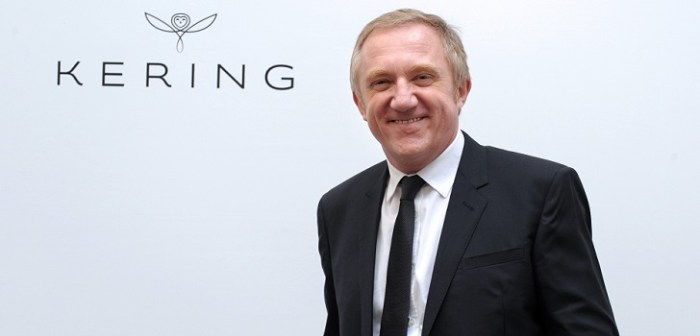
Gucci’s aspirational brand image, deeply intertwined with luxury and exclusivity, plays a crucial role in shaping its perceived value and financial performance. However, this very image, while driving sales and market share, can also contribute to financial strain, particularly when maintaining the expected quality and exclusivity becomes increasingly expensive. This section delves into the intricate relationship between Gucci’s brand image, its financial strategies, and its current debt predicament, drawing comparisons with similar brands.Gucci’s brand image, meticulously crafted over decades, positions it as a symbol of high fashion and unparalleled quality.
This perceived value, however, comes with a significant price tag. Maintaining this image requires significant investment in design, production, marketing, and exclusivity. The desire to uphold the brand’s prestige often translates into high costs across the supply chain, impacting profitability and potentially contributing to the company’s financial challenges.
Gucci’s Image and Perceived Value
Gucci’s image as a premium luxury brand is deeply rooted in its history and artistic heritage. This perceived exclusivity and high quality drive demand, leading to premium pricing. However, the very nature of this image creates a pressure to maintain a consistent level of quality and innovation, which in turn can lead to increased production costs. This tightrope walk between maintaining perceived value and controlling costs is a challenge for Gucci and similar brands.
Gucci’s Image and Financial Performance
Gucci’s financial performance is significantly influenced by consumer perception of its brand image. Strong brand recognition and positive brand associations typically translate into higher sales and profitability. Conversely, negative perceptions or perceived inconsistencies in quality or exclusivity can negatively impact sales and potentially contribute to financial difficulties. The brand’s ability to consistently deliver on the image it projects is crucial to its financial success.
Comparison with Similar Brands
Several luxury brands face similar challenges in balancing brand image with financial realities. For example, while brands like Chanel or Hermès maintain strong brand equity, their financial performance is likely to be impacted by factors like supply chain issues, raw material costs, and consumer sentiment. Analyzing the financial performance of these brands, alongside their approaches to managing brand image, provides valuable insights into Gucci’s situation.
Brand Perception and Financial Results
| Brand | Brand Perception (Summary) | Financial Performance (Summary) | Correlation |
|---|---|---|---|
| Gucci | Premium luxury, strong brand equity, high price points, potential image maintenance issues. | Significant debt, challenges in maintaining profitability. | Negative correlation, potentially due to the pressure to maintain a high-end image. |
| Chanel | Premium luxury, strong brand equity, consistent high quality. | Strong financial performance, but likely impacted by raw material costs and supply chain challenges. | Moderate correlation, likely affected by external factors. |
| Hermès | Premium luxury, strong brand equity, high price points, strong craftsmanship focus. | Strong financial performance, likely impacted by high production costs and limited supply. | Moderate correlation, likely affected by external factors. |
“Maintaining a premium brand image often comes at a high cost, requiring significant investments in design, production, and marketing. This can be a double-edged sword, driving demand but also potentially straining profitability if not managed carefully.”
This table provides a basic comparison. Further analysis would involve specific financial data and a deeper understanding of the brand’s internal strategies. External factors, such as economic downturns or changing consumer preferences, also play a significant role.
Final Thoughts: Seeking Cure Gucci Addiction Kerings Pinault Created Debt Problem
In conclusion, seeking cure gucci addiction kerings pinault created debt problem is a multifaceted issue with deep roots in the psychology of luxury, the dynamics of corporate leadership, and the societal impact of consumerism. The analysis reveals the interconnectedness of Gucci’s image, Kering’s financial health, and the pressures of the luxury market. While no simple solutions exist, the exploration of alternative viewpoints and potential strategies for more sustainable luxury consumption can offer a pathway forward.
Ultimately, the story highlights the need for critical reflection on the nature of luxury, its appeal, and its potential consequences.