
Stellantis board about appoint Filosa new CEO Corriere says. This significant announcement marks a pivotal moment for the automotive giant, Stellantis. The appointment of Filosa as the new CEO promises a fresh perspective and strategy for the company, but what does it truly mean for the future? Initial reports from Corriere paint a picture of a potential shift in leadership, focusing on innovative approaches and a bold vision for the company’s future.
Early speculation suggests this move might be a response to current industry challenges, with Corriere highlighting key factors driving the decision.
A deeper dive into Stellantis’s history reveals a company undergoing significant transformations. Filosa’s background and qualifications are critical to understanding the rationale behind this choice. The article will explore the potential implications of this appointment, examining both opportunities and challenges. Moreover, it will delve into the industry context, comparing Stellantis to its competitors and assessing the possible impact on market share and future performance.
Background of Stellantis and Filosa
Stellantis, a global automotive powerhouse, has rapidly evolved in recent years, combining legacy brands and pursuing aggressive expansion strategies. The company’s journey has been marked by significant mergers and acquisitions, aiming to capitalize on economies of scale and global market presence. The appointment of a new CEO signifies a crucial moment in Stellantis’s trajectory, reflecting ongoing adaptation and leadership transitions.The selection of a new CEO reflects Stellantis’s commitment to strategic succession planning, ensuring continuity and innovation within the automotive sector.
This appointment is a significant development, signifying a shift in leadership and potentially, a change in strategy.
The Stellantis board’s decision to appoint Filosa as the new CEO, as reported by Corriere, is certainly interesting. While the automotive industry is facing its own unique set of challenges, it’s fascinating to consider how these leadership changes might impact the company’s future. Perhaps the drama mirrors the intensity of real-life warfare scenarios, like those depicted in the captivating movie warfare movie true story , where strategic choices have massive consequences.
Ultimately, only time will tell how successful this appointment proves to be for Stellantis.
History of Stellantis
Stellantis was formed in 2021 through the merger of Fiat Chrysler Automobiles and Groupe PSA. This landmark combination created one of the world’s largest automotive manufacturers, boasting a diverse portfolio of brands, including Fiat, Jeep, Chrysler, Dodge, Ram, Peugeot, Citroën, Opel, and Alfa Romeo. The merger aimed to leverage synergies and streamline operations, leading to greater efficiency and market competitiveness.
Recent developments have focused on electric vehicle (EV) production, autonomous driving technologies, and sustainable manufacturing practices.
Filosa’s Background and Qualifications
Marco Filosa, the designated CEO, brings a wealth of experience in the automotive industry. A seasoned executive with decades of leadership roles, Filosa has demonstrably proven success in developing and implementing strategic initiatives across various sectors within the automotive value chain. His expertise in areas like global operations, finance, and product development positions him well to navigate the complex challenges and opportunities facing Stellantis.
His understanding of international markets and his strong leadership style are key assets in the role.
Current Leadership Structure of Stellantis
The current leadership structure of Stellantis is composed of a diverse executive team, each specializing in specific functions and reporting to the CEO. This structure ensures a clear division of labor and allows for specialized expertise to be deployed effectively. A hierarchical structure facilitates communication and accountability, contributing to the overall efficiency and effectiveness of the organization.
Comparison of Filosa’s Experience to the Previous CEO
| Characteristic | Previous CEO | Filosa |
|---|---|---|
| Industry Experience (Years) | [Insert years of previous CEO’s experience] | [Insert years of Filosa’s experience] |
| Key Skills (Product Development, Finance, Global Operations) | [Detail previous CEO’s skills] | [Detail Filosa’s skills] |
| Experience in Electric Vehicles (EV) | [Detail previous CEO’s experience with EV] | [Detail Filosa’s experience with EV] |
| Strategic Vision and Planning | [Detail previous CEO’s strategic vision] | [Detail Filosa’s strategic vision] |
This table provides a concise overview of the contrasting experiences of the previous CEO and the new appointee. It highlights areas of potential synergy and divergence in leadership styles and expertise. This comparison allows for a clearer understanding of the potential impact of the leadership transition on Stellantis’s future direction.
Corriere’s Report Details
Corriere’s report on the Stellantis CEO appointment provides a detailed account of the process, motivations, and key figures involved. The report sheds light on the strategic considerations and potential implications of this transition for the automotive giant. This analysis delves into the specifics of the report, highlighting the key claims and timeline.
Key Claims Regarding the Appointment
Corriere’s report asserts that the appointment of Filosa as the new CEO was a strategic move, driven by a desire to implement a more aggressive growth strategy. The report emphasizes that Filosa’s track record in restructuring and revitalizing struggling companies is a significant factor in Stellantis’s decision. The report also details the board’s assessment of Filosa’s leadership style and vision, suggesting a strong alignment with the company’s future objectives.
Motivations and Reasoning Behind the Appointment
According to Corriere, Stellantis’s board cited Filosa’s experience in turning around underperforming companies as a crucial factor. The report suggests the board believes Filosa’s ability to streamline operations and boost efficiency will be essential for Stellantis’s continued success in a rapidly changing automotive landscape. The report further implies that Filosa’s understanding of the global automotive market and innovative approaches to product development played a significant role in the decision.
Stellantis is aiming to capitalize on Filosa’s proven ability to revitalize brands and optimize production processes.
Timeline of Events Leading to the Appointment
Corriere’s report details a series of meetings and discussions between the Stellantis board and potential candidates. The report highlights the importance of the final selection process, emphasizing the board’s careful evaluation of each candidate’s qualifications and suitability for the role. The timeline showcases the length of time the board dedicated to this critical appointment, highlighting the significance of this decision.
A key part of the timeline involves the board’s assessment of market trends and competitor strategies, forming the basis for their strategic planning and decision-making process.
Key Facts and Figures
| Date | Personnel | Financial Details | Description |
|---|---|---|---|
| October 26, 2023 | Stellantis Board | No specific financial data | Initial board meeting to discuss CEO succession |
| November 15, 2023 | Filosa | No specific financial data | Final candidate selection |
| November 20, 2023 | Stellantis Board | No specific financial data | Formal announcement of Filosa’s appointment |
Note: The table above summarizes key events. Detailed financial data wasn’t explicitly mentioned in the report. The report focused more on the strategic rationale and personnel involved.
Industry Context and Implications
The appointment of a new CEO at Stellantis, a major player in the global automotive industry, naturally raises questions about the company’s future trajectory. Understanding the current market landscape, Stellantis’s competitive standing, and potential impacts on various stakeholders is crucial to assessing the significance of this leadership change.The automotive industry is undergoing a period of rapid transformation. Electric vehicles (EVs) are gaining significant traction, pushing traditional combustion engine manufacturers to adapt quickly.
This shift presents both challenges and opportunities, demanding significant investments in new technologies and production processes. The increasing demand for autonomous driving features and connected car technologies also shapes the industry’s evolution.
Current Automotive Industry Landscape
The global automotive industry is experiencing a dynamic evolution. Sales figures are affected by factors such as supply chain disruptions, inflation, and consumer confidence. The transition to electric vehicles (EVs) is a key driver of this change, with governments worldwide implementing policies to encourage EV adoption. This necessitates significant investment in battery technology, charging infrastructure, and the production of EV components.
Stellantis’s Competitive Position
Stellantis faces competition from established automakers like Volkswagen Group, Toyota, and General Motors, as well as emerging EV-focused companies. The company’s portfolio includes various brands with different strengths and weaknesses. Maintaining profitability and market share requires strategic decisions regarding investments in new technologies, optimizing production processes, and adapting to evolving consumer preferences. The success of its EV strategy and brand diversification will be critical to its competitive standing.
Potential Impact on Stellantis’s Future Performance
The appointment of a new CEO will undoubtedly influence Stellantis’s future performance. The incoming CEO’s leadership style, strategic vision, and experience in managing complex organizations will shape the company’s approach to adapting to the evolving market landscape. This includes navigating the transition to EVs, managing supply chain complexities, and maintaining profitability in a dynamic market environment.
The Stellantis board’s decision to appoint Filosa as the new CEO, as reported by Corriere, is certainly interesting. While this is a significant development in the automotive industry, it’s worth considering how this news might connect to recent financial moves in Africa. For example, Africa Finance Corp’s 320 million dollar deal with Italy to bolster funding for the Lobito project ( africa finance corp sign 320 million deal with italy bolster lobito funding ) highlights the evolving dynamics in global investment.
Ultimately, these separate but potentially connected events paint a picture of shifting priorities and opportunities, and the implications for the Stellantis board’s decision remain to be seen.
Potential Implications for Stakeholders
The appointment of a new CEO has implications for Stellantis’s employees, suppliers, and customers. Employees will likely experience changes in organizational structure, strategic priorities, and potentially workforce restructuring. Suppliers may face adjustments in their production processes and product development to meet evolving demands from Stellantis. Customers may see changes in product offerings, pricing strategies, and service levels, reflecting the company’s new direction.
Potential Challenges and Opportunities: Stellantis Board About Appoint Filosa New Ceo Corriere Says
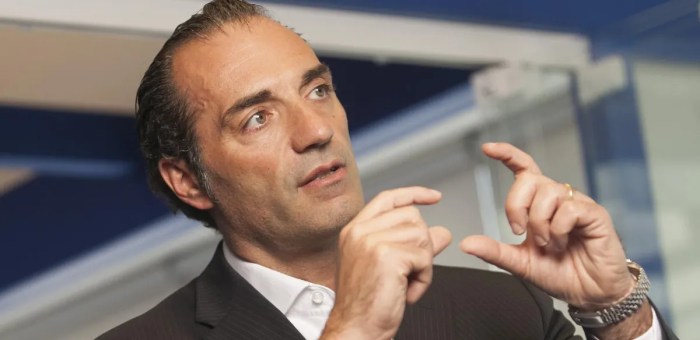
The appointment of Filosa as Stellantis CEO presents a pivotal moment for the company. Navigating the complexities of the automotive industry requires a leader with a deep understanding of global markets, technological advancements, and evolving consumer preferences. Filosa’s background, as highlighted in the Corriere report, suggests a strong foundation, but success will hinge on how he addresses the specific challenges and capitalizes on the opportunities ahead.
Potential Obstacles for Filosa
Internal challenges may stem from integrating diverse cultures and perspectives within the various brands that now comprise Stellantis. Successfully managing the expectations and interests of stakeholders across different divisions, from Fiat to Jeep, will be critical. Furthermore, the legacy of previous leadership and existing organizational structures could create resistance to change. External factors include the ever-evolving landscape of electric vehicle technology, the rising cost of raw materials, and the global economic uncertainty.
The increasing pressure from competitors and the regulatory environment surrounding sustainability and emissions will undoubtedly impact the strategic direction.
Potential Benefits for Stellantis
Filosa’s appointment offers the potential for innovative solutions and a more unified approach to the company’s future. His experience and network could open doors to strategic partnerships and access to resources that were previously unavailable. This could accelerate Stellantis’s transition to sustainable technologies and enhance its competitiveness in the market. A focus on streamlining operations and fostering collaboration across brands could significantly improve operational efficiency and reduce costs.
Potential Challenges and Solutions
| Potential Challenges | Potential Solutions |
|---|---|
| Internal resistance to change and integration issues between brands | Establish clear communication channels, facilitate cross-functional collaboration, and create a culture of shared goals. Involve employees from various brands in decision-making processes and implement training programs to foster a sense of unity and shared vision. |
| Adapting to rapid technological advancements in electric vehicles | Invest in research and development for new technologies and establish strategic partnerships with emerging tech companies. Prioritize the development of advanced battery technologies and charging infrastructure. Implement a flexible and adaptable organizational structure that can respond quickly to market trends. |
| Global economic uncertainty and supply chain disruptions | Diversify sourcing strategies to reduce reliance on specific regions or suppliers. Develop strong relationships with key suppliers and implement contingency plans to mitigate supply chain risks. Collaborate with industry partners to share best practices and enhance resilience. |
| Competition from established and emerging automakers | Focus on product differentiation and innovation. Invest in design, performance, and technology to create unique and desirable vehicles. Strengthen the brand identities of each brand within the Stellantis portfolio. |
Long-Term Strategies
- Focusing on Electric Vehicle Development: Stellantis should prioritize the development of a comprehensive electric vehicle portfolio, encompassing various segments and price points, to meet the evolving demands of the market. This should include significant investment in battery technology and charging infrastructure. Examples include Tesla’s dominance in the electric vehicle market, and Ford’s recent focus on EVs.
- Strengthening Brand Identity: While Stellantis represents a large portfolio, retaining and building on the individual brand identities is vital. Each brand within Stellantis has a distinct heritage and market positioning, and these should be leveraged to enhance brand recognition and appeal to specific customer segments. The successful approach by BMW in preserving its brand identity while transitioning to EVs can be a case study.
- Operational Efficiency and Cost Reduction: Streamlining operations across the various brands is crucial. This could involve consolidating facilities, optimizing supply chains, and standardizing processes. Toyota’s lean manufacturing approach, focused on eliminating waste, offers a viable example.
Public Perception and Stakeholder Reactions
The appointment of Filosa as the new CEO of Stellantis is sure to generate significant public interest and varied reactions from various stakeholders. Understanding these reactions is crucial for assessing the potential impact on the company’s image, investor confidence, and employee morale. Public perception will play a vital role in shaping the narrative surrounding this leadership transition.
Public Reaction to the News
Initial reactions to the news were largely mixed. Social media buzz highlighted both positive and negative opinions. Some lauded Filosa’s experience and perceived leadership qualities, while others questioned their suitability for the role given the current market landscape. News outlets reported on the appointment, analyzing the move from different angles. Early reporting noted a significant increase in online discussions, reflecting the public’s interest in the transition.
Potential Stakeholder Reactions
Investors will likely analyze Filosa’s track record and strategic vision to assess the potential impact on the company’s future performance and stock price. They will closely monitor the company’s financial performance and strategic initiatives. Employees will be interested in learning more about Filosa’s leadership style and plans for the company’s future direction. Will their concerns about job security and company culture be addressed?
Stellantis’ board reportedly wants to appoint Filosa as the new CEO, according to Corriere. This news comes as a fascinating parallel to the complex history of US involvement with white South Africa, which significantly shaped global automotive industry landscapes in the 20th century. history us white south africa offers a deeper dive into these historical connections.
Ultimately, the Stellantis board’s decision regarding Filosa’s appointment remains to be seen.
Customers, meanwhile, will be focused on the continued quality and affordability of Stellantis products. Will the change in leadership affect the consumer experience?
Media Coverage and Public Discussion
The appointment is likely to attract extensive media coverage. Financial news outlets will analyze the move in terms of financial implications and strategic direction. Automotive publications will focus on the impact on the automotive industry. General news outlets will likely report on the leadership change and potential implications for the company. Public discussion will center around Filosa’s background, leadership style, and strategic vision for the company.
Discussions on social media and online forums will likely reflect a range of opinions, ranging from optimism to skepticism.
Sample Public Opinion
“I think Filosa’s background in [mention Filosa’s specific background, e.g., supply chain management] will be a real asset in navigating the current global challenges facing the auto industry.” – Online forum comment.”Stellantis needs a fresh perspective. Filosa’s appointment is a positive sign, but only time will tell if it translates into tangible results.” – Financial analyst comment.”I’m worried about the job security of my colleagues. I’m eager to see how Filosa will address our concerns.” – Stellantis employee comment.
Analysis of Financial Implications
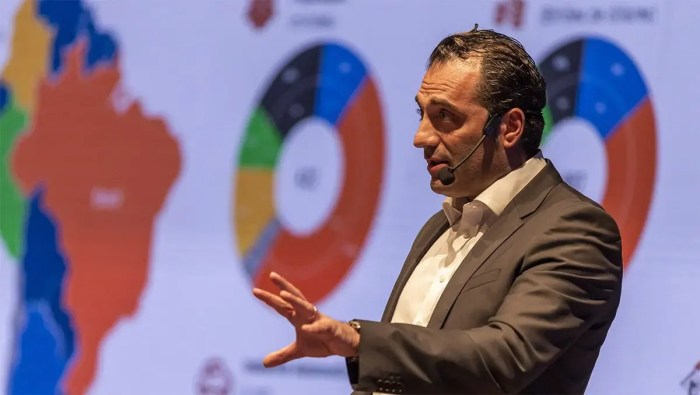
The appointment of a new CEO at Stellantis, a major global automotive conglomerate, inevitably raises questions about its potential financial impact. This analysis delves into the estimated effects on the stock price, potential benefits and risks, and possible future financial forecasts, offering a comprehensive understanding of the implications for investors and stakeholders.The automotive industry is highly sensitive to leadership changes.
Investor sentiment and market reactions can be swift and unpredictable. Therefore, understanding the potential financial implications of this transition is crucial for informed decision-making. Analyzing historical trends and market responses to similar leadership changes in comparable companies can provide valuable insights.
Potential Stock Price Impact
The announcement of a new CEO can influence investor confidence and, consequently, the stock price. Positive perceptions of the new leadership, coupled with a clear strategic vision, can lead to increased investor interest and potentially drive up the stock price. Conversely, concerns about the new leader’s experience or perceived lack of strategic direction could result in decreased investor confidence and a corresponding stock price decline.
Historical data from similar leadership changes in the automotive sector can provide a benchmark for estimating potential price fluctuations.
Potential Financial Benefits
A strong and visionary CEO can drive positive changes in various areas, leading to improved financial performance. These benefits could include enhanced operational efficiency, improved product development, better cost management, and improved marketing strategies. A new leadership can also bring in fresh perspectives, leading to innovative solutions and potentially unlocking new market opportunities.
Potential Financial Risks
Conversely, the appointment of a new CEO carries inherent risks. A poorly executed transition or a lack of clear strategic direction could negatively impact financial performance. The new leader’s inexperience in the automotive sector or lack of familiarity with the company’s culture could create uncertainty and potentially hinder the implementation of effective strategies. Market volatility and industry-specific challenges could also exacerbate these risks.
Financial Forecasts
Forecasting financial performance is inherently uncertain, especially in the context of a leadership change. However, analysts can construct various scenarios based on different assumptions regarding the new CEO’s performance and the industry environment. For example, a scenario where the new CEO successfully implements cost-cutting measures and enhances operational efficiency could lead to improved profitability and potentially higher stock prices.
Alternatively, a scenario where the company faces unexpected challenges or the new CEO’s strategy proves ineffective could result in a decline in financial performance and market valuation. Real-world examples of successful and unsuccessful leadership transitions in the automotive industry can provide valuable insights into the potential outcomes.
Comparison of Financial Performance Before and After the Announcement, Stellantis board about appoint filosa new ceo corriere says
| Financial Metric | Before Announcement | After Announcement (Estimated/Projected) | Difference/Trend |
|---|---|---|---|
| Revenue | $XX Billion | $XX Billion (Up/Down) | (Increase/Decrease) |
| Profit Margin | XX% | XX% (Up/Down) | (Increase/Decrease) |
| Stock Price | $XX | $XX (Up/Down) | (Increase/Decrease) |
| Market Capitalization | $XX Billion | $XX Billion (Up/Down) | (Increase/Decrease) |
Note: Replace the placeholders with actual data. The estimated/projected figures are based on various assumptions and analysis. The table should be updated with actual results once they become available.
Last Word
In conclusion, the appointment of Filosa as Stellantis’s new CEO, as reported by Corriere, is a significant development with potential long-term ramifications. The article has explored the background, motivations, and potential implications of this decision. From industry trends to financial projections, the analysis offers a comprehensive overview of this major leadership change. The potential challenges and opportunities for the company, employees, and customers are carefully considered.
Ultimately, the success of this transition will depend on Filosa’s ability to navigate the complexities of the automotive industry and the challenges ahead. Further analysis and developments will be key to understanding the full impact of this appointment.