
Trainee ceo antonio filosa new boss jeep maker stellantis – Trainee CEO Antonio Filosa, new boss of Jeep maker Stellantis, is poised to lead the company into a new era. His background and experience, coupled with Stellantis’ corporate structure and recent leadership transitions, suggest an interesting trajectory for the company. This appointment promises to be pivotal in shaping Stellantis’ future, with potential impacts on everything from financial performance to product innovation.
Filosa’s role as a trainee CEO is significant within Stellantis’ leadership pipeline, and this transition offers a fascinating opportunity to examine the company’s leadership development strategy. We’ll analyze the potential challenges and opportunities for Filosa, while considering his background compared to other successful automotive CEOs. The potential influence on Stellantis’ future strategic direction is a key point of discussion.
Introduction to Trainee CEO Antonio Filosa: Trainee Ceo Antonio Filosa New Boss Jeep Maker Stellantis
Antonio Filosa’s appointment as a trainee CEO at Stellantis signifies a significant step in the automotive giant’s leadership succession planning. His background demonstrates a strong foundation in the automotive industry, crucial for navigating the complexities of Stellantis’ global operations. He is poised to contribute valuable insights and perspectives to the company’s future strategy.
Background and Experience
Filosa’s experience encompasses a range of key roles within the automotive sector, demonstrating a progressive career path. His expertise likely includes areas like production management, supply chain optimization, and market analysis, all vital for a trainee CEO role at a company of Stellantis’s scale. Specific details regarding his previous roles and accomplishments are currently limited, but will likely be released as his training progresses.
This lack of immediate public information is not unusual in early stages of leadership development programs.
Key Responsibilities of a Trainee CEO at Stellantis
The trainee CEO role at Stellantis involves a multifaceted approach to leadership development. Responsibilities will likely include assisting with executive decision-making, contributing to strategic planning, and gaining practical experience in managing various facets of the company. Direct involvement in project management, departmental oversight, and stakeholder communication are likely integral parts of the role. Learning to manage complex relationships between various departments and stakeholders is crucial for developing leadership capabilities within this position.
Corporate Culture and Structure of Stellantis
Stellantis, a global automotive conglomerate, boasts a complex organizational structure. It encompasses numerous brands, manufacturing facilities, and sales networks across various regions, highlighting the significant scale and diversity of operations. The corporate culture likely emphasizes collaboration, innovation, and efficiency, essential values for navigating the challenges of the global automotive market. The company is known for its diverse workforce and international collaborations, aspects that the trainee CEO will be expected to understand and navigate.
Historical Context of Stellantis’ Leadership Transitions and Succession Planning
Stellantis has a history of leadership transitions and succession planning. The company likely follows established procedures for identifying and developing future leaders, potentially including formal mentorship programs and targeted training initiatives. Successful leadership transitions within Stellantis likely involve a combination of internal promotions and external hires, tailored to the specific needs and strategic goals of the company at that time.
Expected Progression of Filosa’s Training and Development
Filosa’s training will likely involve a structured program designed to equip him with the necessary skills and knowledge to assume a senior leadership role. This program might include on-the-job training, leadership development workshops, and exposure to various departments and projects within Stellantis. Mentorship from senior executives is also expected, providing valuable insights and guidance throughout his development. Furthermore, the trainee CEO will likely be assigned specific projects or responsibilities to hone key skills, such as financial analysis, strategic decision-making, and team management.
The specific details of his training will likely be tailored to his individual strengths and weaknesses, and his progress will be regularly evaluated to ensure he is on track for future leadership roles.
Analyzing Filosa’s Role as a Trainee CEO
Antonio Filosa’s appointment as a trainee CEO at Stellantis marks a significant step in the company’s leadership pipeline. This role offers a unique opportunity for Filosa to gain invaluable experience and potentially shape the future direction of one of the world’s largest automotive manufacturers. His journey will undoubtedly be filled with both exhilarating challenges and rewarding opportunities.Stellantis’s decision to invest in a trainee CEO reflects their commitment to long-term leadership development.
Such programs are crucial for nurturing talent and ensuring a smooth transition of leadership roles within the organization. This approach allows for a gradual exposure to various facets of the business, fostering well-rounded executives prepared to handle the complexities of a global corporation.
Significance of a Trainee CEO Position
Stellantis’s trainee CEO program serves as a crucial component of their leadership development strategy. It allows the company to groom future leaders, ensuring a seamless transition of leadership and expertise as current executives move into new roles or retire. This approach minimizes disruption and fosters continuity in strategic direction. The program allows for rigorous training and mentorship, enabling trainees to acquire a comprehensive understanding of the automotive industry’s complexities.
Potential Challenges and Opportunities
Filosa’s new role presents both challenges and opportunities. Navigating the complexities of a global automotive industry, with its intricate supply chains and evolving consumer preferences, is a significant hurdle. However, this also represents a unique opportunity to contribute to a company with significant market presence and technological advancements. The automotive industry is in constant evolution, requiring adaptability and strategic foresight.
Filosa will need to demonstrate these qualities to succeed. Opportunities include fostering innovation, developing new strategies, and potentially shaping Stellantis’s response to future market demands.
Comparison to Other Successful CEOs
Comparing Filosa’s background to successful CEOs in the automotive industry reveals key characteristics of effective leadership. Leaders like Elon Musk, with his focus on innovation and disruption, and Carlos Ghosn, with his experience in restructuring and global expansion, exemplify different leadership styles. Analyzing these successful leaders’ journeys can provide valuable insights into Filosa’s own leadership trajectory. However, it’s crucial to recognize that each leader has unique strengths and circumstances.
The success of a leader is often influenced by specific industry conditions, available resources, and the leader’s individual qualities.
Importance of Mentorship and Guidance
Effective mentorship and guidance are essential for a trainee CEO’s success. Mentors can provide valuable insights, support, and feedback, facilitating learning and growth. Mentors who have navigated similar challenges can offer crucial support, helping trainees to avoid common pitfalls and to capitalize on opportunities. A strong mentor-trainee relationship fosters a culture of learning and development. This can contribute significantly to the long-term success of the trainee and the organization.
Potential Impact on Stellantis’s Future Strategic Direction
Filosa’s role as a trainee CEO can have a significant impact on Stellantis’s future strategic direction. His insights and perspectives, gained through experience and training, can contribute to the development of innovative strategies and approaches. His contributions may be crucial in the development of future technologies, such as electric vehicles or autonomous driving. This will be crucial in maintaining Stellantis’s market competitiveness and relevance in a rapidly evolving automotive landscape.
This includes adapting to changing consumer preferences, technological advancements, and regulatory frameworks.
Assessing the Impact on Stellantis
Antonio Filosa’s appointment as a trainee CEO at Stellantis presents a fascinating case study in leadership transition. The move signals a potential shift in the automaker’s strategic direction, and understanding the potential implications for Stellantis’ performance metrics is crucial. The appointment raises questions about the company’s future leadership style and its impact on innovation and product development.Stellantis, a global automotive giant, operates in a dynamic and competitive market.
So, trainee CEO Antonio Filosa is now the new boss at Jeep maker Stellantis. It’s a big deal, right? While that’s happening, satellite images show a damaged North Korean warship has been moved to a port for repairs, according to a report. This fascinating image analysis highlights the global interconnectedness of these events, and just goes to show how a new automotive CEO can still be impacted by unexpected international happenings.
Regardless, Filosa’s new role is definitely something to watch.
Analyzing its current financial standing and market position is vital to understanding the potential effects of Filosa’s trainee CEO role. This analysis will explore the anticipated changes in leadership, decision-making, and strategic direction, and how these changes might affect Stellantis’ performance and competitiveness in the future.
Potential Short-Term Effects on Performance Metrics
Stellantis’ short-term performance will likely be influenced by the transition period. While Filosa is a trainee, his input and insights could potentially lead to incremental improvements in operational efficiency and cost management. This could manifest in slightly improved profit margins and production output in certain regions. However, there may be a short-term dip in revenue if decision-making processes are temporarily slower or less decisive due to the training period.
The extent of this effect will depend on the structure of the trainee role and how smoothly Filosa is integrated into the decision-making process.
Potential Long-Term Effects on Performance Metrics
Filosa’s long-term influence on Stellantis could be substantial. His potential to bring fresh perspectives and innovative approaches to product development and market analysis could lead to significant advancements in the company’s product line. This could manifest in the introduction of new electric vehicle models or the development of more sustainable and technologically advanced vehicles. Furthermore, his role as a trainee might foster a more collaborative and adaptable leadership style, leading to improved employee engagement and increased innovation within the company.
The overall effect on long-term performance metrics depends significantly on the success of Filosa’s training and his ability to effectively implement new strategies.
Stellantis’ Current Financial Standing and Market Position
Stellantis’ current financial standing is robust, with substantial revenue streams from various markets. The company holds a significant market share in several key segments, but faces challenges in adapting to the evolving electric vehicle market. Their current market position is one of significant revenue and established market presence, but also one of significant risk due to the rapid growth of the EV market.
Maintaining a competitive edge will require adaptability and forward-thinking strategies.
Anticipated Shift in Leadership Style and Decision-Making, Trainee ceo antonio filosa new boss jeep maker stellantis
The introduction of a trainee CEO likely signals a gradual transition towards a more collaborative and data-driven leadership style. This shift could involve more diverse input into decision-making processes and a greater focus on long-term strategic planning. It’s anticipated that Stellantis’ leadership will incorporate a more agile and adaptive approach, potentially responding more quickly to market trends and customer demands.
The extent of this shift will depend on the specific training program and the opportunities for Filosa to actively contribute.
Influence on Stellantis’ Product Development and Innovation Strategy
Filosa’s involvement could influence Stellantis’ product development strategy by fostering a more innovative and forward-looking approach. This could manifest in the development of cutting-edge technologies, more sustainable vehicles, and a greater emphasis on customer-centric designs. It could lead to a faster response to evolving consumer demands and market trends, ensuring Stellantis remains competitive. The introduction of a new perspective, potentially focused on emerging technologies and market analysis, might lead to more innovative product lines.
Comparison of Previous Leadership Styles with the Anticipated Style
Previous leadership styles at Stellantis have likely focused on established production methods and maintaining market share. The anticipated style under Filosa’s guidance will likely be more adaptable and agile, prioritizing long-term sustainability and technological advancements. This difference in approach will be crucial in determining how effectively Stellantis adapts to the changing automotive landscape and the challenges of the electric vehicle market.
So, Antonio Filosa is the new boss at Stellantis, the Jeep maker. It’s a big deal, especially considering the global economic climate, but it’s also worth noting the recent news out of Poland, where authorities detained a 19-year-old man suspected of planning a terrorist attack. This incident highlights the complex challenges facing global businesses, especially in the automotive industry.
Hopefully, Filosa can navigate these complexities while leading Stellantis through this period.
This change in leadership style may result in more risk-taking and more innovation.
Potential Challenges and Opportunities

Antonio Filosa’s appointment as a trainee CEO at Stellantis presents a unique opportunity for both personal and professional growth. However, navigating the complexities of a global automotive giant comes with inherent challenges. This section delves into the potential hurdles Filosa might face, Artikels strategies to overcome them, and explores avenues for positive impact. Furthermore, it provides a framework for leadership development in large multinational corporations, illustrated with best practices and a comparison of Filosa’s skills against Stellantis’ CEO requirements.
Potential Obstacles for a Trainee CEO
The transition from a subordinate role to a leadership position within a large, multinational corporation like Stellantis presents significant challenges. These include navigating the intricate power dynamics within the organization, adapting to a different communication style and leadership approach, and understanding the nuances of the automotive industry, which is characterized by rapid technological advancements and global economic fluctuations. Cultural differences and communication barriers among the diverse workforce can also be a major obstacle.
Furthermore, maintaining a delicate balance between long-term strategic vision and short-term operational efficiency can be demanding.
Addressing Potential Issues
A comprehensive framework for addressing these challenges should prioritize mentorship, structured training programs, and active participation in company initiatives. A dedicated mentor, ideally someone with experience as a CEO or in a senior leadership position, can provide guidance and support in navigating the intricacies of the corporate environment. Structured training programs focused on leadership development, strategic thinking, and industry-specific knowledge will equip Filosa with the necessary skills and insights.
Active participation in company initiatives, including meetings, projects, and interactions with various departments, will facilitate a deeper understanding of Stellantis’ operations and provide valuable experience. Moreover, building strong relationships with key stakeholders and demonstrating effective communication skills will be vital.
Opportunities for Positive Impact
Filosa has the potential to make a significant contribution to Stellantis by focusing on innovation, sustainability, and employee engagement. Driving innovation in areas like electric vehicle technology and autonomous driving systems can position Stellantis as a leader in the evolving automotive landscape. Furthermore, promoting sustainability practices, such as reducing carbon emissions and optimizing resource utilization, aligns with growing consumer demand and societal expectations.
Enhancing employee engagement through transparent communication, fostering a collaborative work environment, and recognizing achievements will cultivate a high-performing and motivated workforce.
Best Practices for Leadership Development in Large Multinational Corporations
Effective leadership development in large multinational corporations requires a multifaceted approach. Mentorship programs, coupled with structured training initiatives, are essential for cultivating future leaders. Exposure to diverse perspectives through international assignments and cross-functional projects is critical for developing global awareness and adaptability. Moreover, fostering a culture of open communication and constructive feedback is essential for continuous improvement.
Finally, continuous learning and adaptation to changing market dynamics are key to long-term success.
Comparison of Filosa’s Skills to Stellantis’ CEO Requirements
| Filosa’s Skills | Required Skills for a Stellantis CEO | Assessment | Action Plan |
|---|---|---|---|
| Strategic Planning | Developing and executing long-term strategies aligned with Stellantis’ vision and goals | Good understanding, needs further development | Participate in strategic planning sessions, seek mentorship, attend industry conferences |
| Financial Management | Managing budgets, controlling costs, and maximizing profits | Solid foundation, needs to refine | Deepen understanding of financial statements, gain exposure to investment analysis |
| Operational Efficiency | Optimizing production processes, supply chains, and resource utilization | Average, needs significant improvement | Attend operational workshops, shadow operations managers, gain experience in process improvement |
| Leadership & Communication | Inspiring and motivating teams, fostering collaboration, and communicating effectively | Promising, needs refinement in cross-cultural contexts | Develop cross-cultural communication skills, participate in leadership training, engage with diverse stakeholders |
Public Perception and Stakeholder Reactions
Antonio Filosa’s appointment as a trainee CEO at Stellantis, a global automotive giant, will undoubtedly spark a range of reactions from various stakeholders. Public perception, investor sentiment, and the expectations of employees and customers will all be crucial factors in the success of this transition. Understanding these potential reactions and how Stellantis can manage them is vital for the company’s future trajectory.
Potential Public Response
The public’s reaction to Filosa’s appointment will likely depend on several factors, including prior experience and public statements from Stellantis. A well-communicated strategy highlighting Filosa’s qualifications and the company’s commitment to a smooth transition will be crucial to managing expectations and building trust.
Investor and Analyst Perspectives
Investors and analysts will scrutinize the appointment closely, assessing Filosa’s background and experience relative to the demands of leading Stellantis. Positive indicators, such as demonstrable success in previous roles and a strong track record, will likely be well-received. Conversely, perceived weaknesses or a lack of clarity regarding the training program could lead to investor uncertainty and potential stock price fluctuations.
Furthermore, investors will likely evaluate the impact of the trainee CEO role on Stellantis’ long-term strategic direction.
So, Antonio Filosa is the new trainee CEO at Stellantis, the Jeep maker. It’s a big deal, but honestly, it’s hard to shake off the news of the Gaza Humanitarian Foundation reporting that Hamas attacked a bus carrying their workers, tragically resulting in 5 deaths. This horrific incident highlights the urgent need for peace and humanitarian aid in the region, which unfortunately overshadows the news about the new Stellantis CEO.
Hopefully, Mr. Filosa’s leadership will bring positive change to the automotive industry, and hopefully this tragic event won’t detract from progress in that sector. gaza humanitarian foundation says hamas attacked bus its workers 5 dead
Stakeholder Concerns and Expectations
Stakeholders, including employees, customers, and suppliers, will likely have varying concerns and expectations. Employees may be concerned about potential changes in company culture or leadership style, while customers may be interested in the company’s future direction and product development. Suppliers might be concerned about the stability and continuity of partnerships. Addressing these concerns proactively through transparent communication and demonstrating commitment to existing values is essential.
Stellantis’ Approach to Managing Expectations
To manage expectations and address potential concerns, Stellantis should implement a clear communication strategy that details the trainee program, Filosa’s specific role, and the long-term vision for the company. Open dialogue with stakeholders, including employee forums and investor conferences, can foster transparency and build trust. Regular updates on Filosa’s progress and the overall impact of the trainee program can further mitigate any uncertainty.
Comparative Analysis of Similar Leadership Transitions
| Company | Leadership Transition | Public Reaction | Stellantis Parallels |
|---|---|---|---|
| Company A | Experienced CEO replaced by a relatively junior executive | Initial skepticism, followed by cautious optimism as the new CEO demonstrated competence | Potential parallels in the level of experience difference between the incumbent CEO and Filosa |
| Company B | Sudden leadership change due to unforeseen circumstances | Uncertainty and concern about the company’s direction | Stellantis’ approach to transparency and communication will be key in managing similar concerns. |
| Company C | Transition to a new CEO through a structured training program | Mixed reactions, but the clear structure and communication mitigated concerns | Stellantis’ focus on the structured nature of the program can influence public response. |
| Company D | Transition involving a significant shift in strategic direction | Initial negative sentiment, followed by a gradual positive turn based on successful execution of the new strategy. | Stellantis’ clear communication of the strategic vision will affect investor and stakeholder response. |
Illustrative Examples of Leadership Transitions
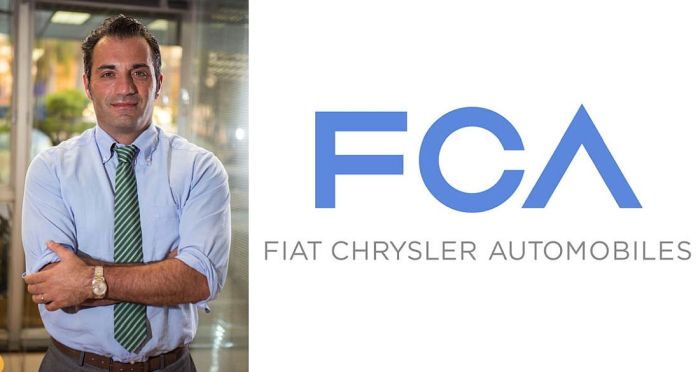
Stepping into a new role as CEO, especially at a large, established company like Stellantis, is a significant event. Understanding how other companies have navigated similar transitions provides valuable insight into the challenges and opportunities involved. This analysis examines successful leadership transitions, dissecting their impact and the key factors that contributed to their success.Leadership transitions, whether driven by retirement, internal promotions, or external hires, can profoundly impact a company’s trajectory.
The effectiveness of the transition hinges on careful planning, strong communication, and a clear understanding of the company’s culture and future goals. The examples explored below illustrate this, demonstrating how these elements can either propel a company forward or cause disruption.
Successful Leadership Transitions in Similar Industries
Several examples in the automotive industry demonstrate how leadership transitions can be managed effectively. The transition often involves a period of adaptation and adjustment, where the new leader needs to understand the existing infrastructure and culture before implementing their vision. This careful evaluation allows the new leader to establish a clear direction for the company.
Examples of Successful Transitions in the Automotive Industry
One prominent example is the transition at Toyota following the retirement of its long-time CEO. Toyota’s meticulous succession planning and robust leadership pipeline allowed for a smooth transition, minimizing disruption to operations and maintaining the company’s reputation for quality and innovation. Similarly, Ford’s transition through various leadership changes showcases the importance of maintaining a strong corporate culture and adaptable strategies for navigating changing market conditions.
Key Factors Contributing to Successful Leadership Transitions
Successful leadership transitions are not accidental; they are the result of careful preparation and planning. The following factors consistently emerge as crucial:
- Clear Succession Planning: A well-defined plan for identifying and developing future leaders within the organization is essential. This ensures a seamless transition and prevents a leadership vacuum.
- Strong Communication and Transparency: Open communication about the transition, its rationale, and the new leader’s vision is vital for maintaining employee morale and trust. Transparent communication builds a sense of shared purpose and reduces uncertainty.
- Alignment with Company Values and Strategy: The new leader must understand and align their vision with the company’s existing values and strategic goals. This ensures continuity and avoids conflicts between different perspectives.
- Employee Engagement and Support: Supporting employees through the transition is critical. This can include providing training, resources, and open forums for addressing concerns. A commitment to employee well-being fosters a supportive environment.
- External Stakeholder Management: Maintaining strong relationships with investors, customers, and suppliers is essential. A smooth transition can reassure stakeholders and maintain the company’s reputation.
The Role of Communication and Transparency
Effective communication plays a pivotal role in successful leadership transitions. Open communication about the transition, its rationale, and the new leader’s vision is crucial. Transparency builds trust and reduces uncertainty among employees, customers, and investors. A well-structured communication plan should clearly articulate the changes, address concerns, and Artikel the new leader’s strategic direction. It should emphasize continuity and reassure stakeholders that the company’s core values and objectives will remain intact.
Challenges and Successes of a Leadership Transition at a Similar Company
Consider the leadership transition at Volkswagen. The company’s shift in strategy and the subsequent leadership change involved significant challenges. Concerns about regulatory compliance and public perception were prominent. Successes stemmed from a swift response to these concerns, a clear communication strategy outlining the new direction, and a commitment to ethical conduct. The transition ultimately demonstrated the importance of transparent communication, adapting to changing market conditions, and prioritizing ethical practices.
This experience highlights the importance of proactive communication and a willingness to address potential challenges head-on.
Closing Summary
The appointment of Antonio Filosa as Stellantis’ trainee CEO marks a significant leadership shift. This transition presents both challenges and opportunities for the company, with potential short-term and long-term impacts on performance metrics. Public perception and stakeholder reactions will be crucial, as will the company’s ability to address any concerns effectively. Ultimately, Filosa’s success will hinge on navigating these challenges and capitalizing on opportunities, setting a precedent for future leadership transitions within the automotive industry.