
Trump says US retain oversight guarantees Fannie Mae Freddie Mac spinoff sets the stage for a crucial discussion about the future of the US housing market. This proposed spinoff, coupled with the government’s commitment to maintaining oversight, promises significant implications for housing affordability, mortgage rates, and the broader financial landscape. Understanding the historical context of Fannie Mae and Freddie Mac, the motivations behind this move, and the potential impacts on various stakeholders is paramount.
The proposed spinoff of Fannie Mae and Freddie Mac, under the stated conditions of maintained government oversight, could have a ripple effect across the economy. This action will require a deep dive into the current regulatory environment surrounding housing finance and its potential impact on various financial institutions. We’ll explore the potential short-term and long-term effects on housing affordability, market stability, and mortgage rates.
The implications for government policy and alternative perspectives will also be examined.
Background and Context

Fannie Mae and Freddie Mac, two government-sponsored enterprises (GSEs), have played a crucial role in the U.S. housing market for decades. They were created to increase homeownership opportunities by purchasing mortgages from lenders, thereby lowering the risk for lenders and making credit more readily available. Their activities, however, have been subject to significant government oversight, which has evolved over time in response to market conditions and economic events.The creation of these entities reflected a policy decision to stimulate the housing market and support homeownership.
Oversight evolved over time, influenced by events like the 2008 financial crisis, leading to a reassessment of the regulatory framework. The current regulatory environment, including the potential for spin-offs, seeks to balance market efficiency with the need for government stability and oversight.
Historical Overview of Fannie Mae and Freddie Mac
Fannie Mae (Federal National Mortgage Association) and Freddie Mac (Federal Home Loan Mortgage Corporation) were established in the mid-20th century to support the U.S. housing market. Their initial role was to purchase mortgages from lenders, bundling them into mortgage-backed securities (MBS) and selling them to investors. This process lowered the risk for lenders, making home loans more readily available and affordable.
Their activities significantly expanded the housing market, but they were also subject to government regulation and oversight from the start.
Evolution of Government Oversight
The government’s oversight of Fannie Mae and Freddie Mac has evolved considerably over the years. Initially, oversight was focused on ensuring these entities operated within a regulatory framework designed to support their mission of increasing homeownership opportunities. However, the 2008 financial crisis exposed vulnerabilities in the system, prompting a substantial increase in regulatory scrutiny and interventions. The crisis revealed gaps in the oversight of mortgage lending practices and the risks associated with complex financial instruments.
This led to stricter regulations and oversight to prevent future crises.
Potential Motivations Behind Trump’s Statement
Trump’s statement regarding oversight guarantees likely stems from a desire to reduce government involvement in the housing market while maintaining a level of regulatory assurance. The spin-off could be seen as a way to streamline operations and reduce potential government liabilities. A potential motivation could be to alleviate some of the burdens associated with government oversight.
Potential Economic Implications of the Spinoff
The economic implications of the spinoff are multifaceted. Increased competition in the mortgage market could lead to greater efficiency and potentially lower costs for consumers. However, it could also lead to increased risk and uncertainty, particularly if the oversight framework is not robust enough to manage potential market disruptions. The spinoff could also affect the supply of mortgage financing and the availability of home loans, depending on the market response.
A lack of sufficient oversight could create uncertainty for investors and disrupt the financial markets.
Current Regulatory Environment Surrounding Housing Finance
The current regulatory environment surrounding housing finance is characterized by a complex interplay of government oversight and market forces. Regulations aim to balance the need for affordable housing and stable financial markets with the desire for a competitive and efficient housing sector. The current regulatory framework seeks to address the risks identified during the 2008 financial crisis. Regulatory changes and initiatives address vulnerabilities in the system, such as improved risk management practices and enhanced oversight of mortgage lending.
Analysis of Trump’s Statement
Trump’s assertion that oversight guarantees for the Fannie Mae and Freddie Mac spinoff have been prepared is a significant development. This statement suggests a degree of confidence in the process, but also raises questions about the specifics of these guarantees and their potential effectiveness. The statement likely aims to assuage market concerns and potentially bolster investor confidence, particularly if the spinoff is perceived as beneficial to the financial system.The statement, while seemingly straightforward, warrants careful scrutiny.
The devil, as they say, is in the details. Understanding the nature of these “oversight guarantees” and how they address potential risks is crucial for assessing the statement’s true meaning and impact.
Key Arguments and Assertions
Trump’s statement emphasizes the preparedness of oversight guarantees related to the Fannie Mae and Freddie Mac spinoff. This implies a belief that adequate mechanisms are in place to mitigate potential risks and ensure the stability of the financial system following the separation. Implicitly, this suggests a confidence in the regulatory framework surrounding the spinoff.
Comparison to Previous Statements and Policies
A comparison to Trump’s past statements and policies regarding Fannie Mae and Freddie Mac reveals a mixed record. At times, he has advocated for deregulation or changes in the role of government in the housing market. This suggests a potential conflict between the need for oversight and his stated preferences. Reconciling these past positions with the current assertion about oversight guarantees will be key to evaluating the sincerity and consistency of the current approach.
Trump’s announcement about the US retaining oversight of Fannie Mae and Freddie Mac’s spinoff is interesting, but I’m more intrigued by the ending credits scene in the show “Sinners”. It’s a really cool little detail that adds another layer to the story, and you can find out more about it by checking out this explanation: sinners ending credits scene explained.
Ultimately, though, the financial implications of this spinoff are likely to be significant, and the US government’s continued oversight is a crucial element in the long-term success of these institutions.
Potential Impact on Market Confidence
The impact of Trump’s statement on market confidence is uncertain. While the promise of oversight guarantees might calm some fears, the specifics of these guarantees will determine the overall response. Previous instances where government intervention in the housing market has resulted in uncertainty offer useful comparisons. For example, the 2008 financial crisis, where government interventions had unforeseen consequences, can serve as a cautionary tale.
The effectiveness of these guarantees in reassuring investors and stabilizing the market will be a critical test.
Political Implications
Politically, Trump’s statement could be seen as an attempt to position himself as a proponent of financial stability. This is especially relevant given the ongoing political climate and his potential influence on public opinion. The statement’s impact on his political standing, particularly with potential supporters, is also worth considering. Such political implications can affect the degree of support for the spinoff, potentially influencing legislative or regulatory decisions.
Potential Legal Ramifications
The legal ramifications of the proposed spinoff, particularly regarding the nature and enforceability of the oversight guarantees, are complex. Legal precedents and existing regulations must be carefully considered. Potential legal challenges and interpretations of existing laws, including the extent to which the guarantees can protect against future problems, should be examined. The statement needs to be interpreted through the lens of applicable laws, regulations, and legal precedent.
Potential Impacts on the Housing Market
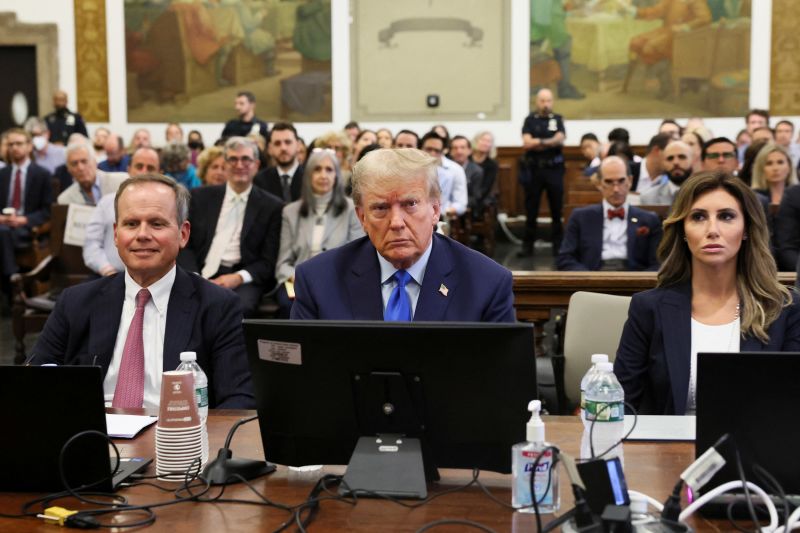
The spinoff of Fannie Mae and Freddie Mac, as guaranteed by the Trump administration, promises significant changes in the housing market. While the long-term ramifications are uncertain, the short-term effects could be substantial, particularly on affordability and mortgage rates. This analysis explores the potential impacts, considering both the immediate and future implications for the sector.
Short-Term Effects on Housing Affordability
The immediate impact on housing affordability following the spinoff hinges on how quickly the new entities can adjust to the changed market dynamics. If the new entities successfully maintain similar lending practices to their predecessors, affordability could remain relatively consistent in the short term. However, the transition period could see fluctuations in availability and pricing, potentially leading to increased competition among lenders.
Trump’s statement about the US retaining oversight of Fannie Mae and Freddie Mac’s spinoff is interesting, but it’s also worth considering the parallel situation with Airbus. Their CEO recently said they can still meet their delivery targets despite production delays, highlighting how companies can adapt to challenges. This suggests that, even with oversight guarantees for Fannie Mae and Freddie Mac, the market might still need some flexibility and adaptability, mirroring the resilience of companies like Airbus.
This whole situation is definitely something to keep an eye on. airbus can hit delivery goal despite delays jetmaking ceo says Ultimately, the US government’s oversight strategy for these mortgage giants will be crucial.
The competition could result in either more accessible or less accessible mortgage products, depending on the strategies of the new entities.
Potential Long-Term Effects on Housing Market Stability
Long-term stability is closely tied to the effectiveness of the new entities in mitigating risks. If the new entities effectively manage risk and maintain a healthy capital structure, the housing market should remain stable. However, if they fail to adapt to market changes or face unexpected challenges, the long-term implications could include increased volatility and potentially, a decreased level of stability.
The successful operation of these entities will rely on their ability to adapt to new regulatory frameworks and competitive pressures.
Evaluation of Potential Impact on Mortgage Rates, Trump says us retain oversight guarantees fannie mae freddie mac spinoff
The impact on mortgage rates will depend on several factors, including the supply and demand of mortgages, the risk appetite of lenders, and the regulatory environment. A decrease in the government’s involvement in mortgage lending could potentially lead to fluctuations in mortgage rates, as the new entities would be independent actors, rather than being influenced by government guidelines. A transition period could lead to a temporary increase in rates as lenders assess the new market conditions.
The long-term effect, however, depends on how well these entities manage their operations.
Table Comparing Potential Scenarios for Housing Market Conditions
| Scenario | Housing Affordability | Market Stability | Mortgage Rates |
|---|---|---|---|
| Scenario 1: Smooth Transition | Relatively consistent, with slight fluctuations during the transition. | Stable, with minimal disruption to market equilibrium. | Potential for short-term fluctuation, followed by a return to market-driven levels. |
| Scenario 2: Increased Competition | Potentially more accessible or less accessible mortgage products, depending on the strategies of the new entities. | Potential for temporary volatility, but eventually should stabilize if the entities can manage risk. | Fluctuations likely, potentially downward pressure on rates due to increased competition, or upward if risk assessment changes. |
| Scenario 3: Unexpected Challenges | Reduced access to mortgage products or significant increases in prices. | Increased volatility and uncertainty, with potential for a housing market downturn. | Significant upward pressure on rates due to increased risk perception. |
Potential Impacts on Financial Institutions
The potential spinoff of Fannie Mae and Freddie Mac, as guaranteed by the Trump administration, could ripple through the financial sector, impacting various institutions and investor confidence. Understanding these potential effects is crucial for assessing the overall health and stability of the financial system.
Potential Effects on Other Financial Institutions
The spinoff will likely alter the landscape of mortgage-backed securities (MBS) and the role of government-sponsored enterprises (GSEs) in the market. Other financial institutions, including banks, mortgage lenders, and investment firms, will face adjustments as they adapt to the new market dynamics. The impact will vary depending on the specific institution’s involvement in the MBS market and its overall business strategy.
Changes in the regulatory environment surrounding the GSEs will directly affect these institutions’ operations.
Impact on Investor Confidence
The spinoff’s impact on investor confidence is a critical concern. A positive outcome would be perceived as a return to market stability and reduced risk. However, uncertainties surrounding the long-term implications and the practical implementation of the spinoff could lead to investor hesitation and a decline in confidence. Historical precedents of similar market events, like the 2008 financial crisis, illustrate the potential for investor anxiety and market volatility.
Comparison of Potential Effects on Different Types of Financial Institutions
The impact on financial institutions will vary significantly based on their involvement in the MBS market and their business model. Banks that heavily rely on MBS as collateral will likely face increased scrutiny of their risk profiles. Mortgage lenders will need to adjust their lending practices to accommodate the new market structure. Investment firms involved in MBS trading and investment strategies will require significant adjustments to their portfolios.
A nuanced approach is needed to address the different effects on various institutions.
Trump’s statement about the US retaining oversight of Fannie Mae and Freddie Mac’s spinoff is interesting, but it reminds me of the struggles often hidden behind seemingly simple financial decisions, like in the fascinating true story of “The Quiet Ones” the quiet ones true story. While the specifics of the housing market restructuring are important, it’s easy to overlook the human stories that often intertwine with these economic shifts.
Ultimately, the long-term impact of these changes on average Americans is still a major concern, regardless of oversight guarantees.
Impact on the Investment Sector
The changes in the housing market, coupled with the potential spinoff of Fannie Mae and Freddie Mac, are anticipated to influence investor sentiment in the investment sector. This includes both direct and indirect investors. Direct investors holding MBS could experience shifts in their investment portfolios. Indirect investors, such as mutual funds and pension funds, may adjust their holdings based on the potential market volatility.
These adjustments may lead to re-allocations of capital and changes in investment strategies.
Potential Impacts on Financial Sectors – A Summary
| Financial Sector | Potential Impact |
|---|---|
| Banks | Increased scrutiny of risk profiles, potential need for portfolio adjustments |
| Mortgage Lenders | Need to adapt lending practices to new market structure |
| Investment Firms | Significant adjustments to portfolios and investment strategies |
| Mutual Funds/Pension Funds | Potential adjustments to holdings and investment strategies, potentially impacted by market volatility |
| Insurance Companies | Potential changes in investment portfolios and risk management strategies, depending on their exposure to the MBS market |
Implications for Government Policy
The potential spinoff of Fannie Mae and Freddie Mac, as mandated by the Trump administration, will undoubtedly reshape government policy regarding housing finance. This restructuring will force a reevaluation of the government’s role in supporting the housing market and the implications for future policy are considerable. The potential for changes in regulatory oversight is equally significant, demanding a careful consideration of the long-term effects on both the housing market and the financial institutions involved.
Potential Changes in Government Policy Regarding Housing Finance
The spinoff of Fannie Mae and Freddie Mac will likely necessitate a shift in government policy regarding housing finance. The current role of these entities in guaranteeing mortgages and influencing market liquidity will be significantly altered. This will compel the government to explore alternative mechanisms for supporting affordable housing and maintaining market stability. The government will need to reassess its involvement in the mortgage market, possibly through the creation of new programs or the strengthening of existing ones.
Examples of potential changes include the expansion of government-backed loan programs or the development of innovative financing models.
Potential Implications for Future Housing Policy
The long-term implications for housing policy are far-reaching. The spinoff will likely influence the design of future housing programs. This could lead to policies that incentivize private sector participation in mortgage lending and risk-sharing, thereby lessening the government’s direct involvement. However, the need for a robust regulatory framework to prevent future financial crises cannot be overlooked. The government may be forced to strengthen oversight and monitoring procedures for other financial institutions operating in the housing sector.
Potential Need for Additional Regulatory Oversight
Given the inherent risks associated with the spinoff, additional regulatory oversight is likely necessary. The diminished role of Fannie Mae and Freddie Mac will require a new approach to regulating the mortgage market. This includes potentially creating new regulatory bodies or adapting existing ones to address the unique challenges of a market where government backing is lessened. The government will need to monitor and evaluate the financial stability of private mortgage companies, ensuring that they can adequately manage risks and maintain market liquidity.
Comparison of Government Responses to the Spinoff
| Government Response | Focus | Potential Outcomes |
|---|---|---|
| Maintaining Significant Oversight | Direct involvement in the housing market through robust regulatory measures and oversight of private sector actors. | Preservation of government influence in the housing market, but potentially higher administrative costs and regulatory burden on the private sector. |
| Reduced Oversight and Reliance on Market Forces | Minimizing government involvement in the mortgage market and relying on market mechanisms for risk management and liquidity. | Potential for greater market efficiency and dynamism, but with the risk of increased instability and financial vulnerability in the housing market. |
| Hybrid Approach | A combination of reduced government involvement and targeted regulatory interventions. | Balancing market efficiency with financial stability, potentially requiring new regulatory frameworks and ongoing assessment to ensure effectiveness. |
The table above illustrates the different potential government responses to the spinoff. The optimal strategy will likely depend on the specific regulatory frameworks put in place and the long-term performance of the housing market. Different countries and jurisdictions might adopt different approaches depending on their own economic conditions and regulatory environments.
Alternative Perspectives and Counterarguments: Trump Says Us Retain Oversight Guarantees Fannie Mae Freddie Mac Spinoff
Trump’s assertion of retained oversight guarantees for Fannie Mae and Freddie Mac following their spinoff carries significant implications, yet it’s crucial to examine alternative perspectives and counterarguments to fully understand the potential ramifications. A critical analysis of these counterarguments reveals potential pitfalls and highlights the complexities of the situation. These alternative perspectives offer a broader view of the situation, beyond the initial statement.Alternative perspectives on the spinoff’s design and implementation, as well as potential consequences, need thorough examination.
Different viewpoints regarding the optimal structure and oversight of these entities, as well as their future roles in the housing market, will need to be considered.
Counterarguments to Oversight Guarantees
The notion of guaranteed oversight presents a complex issue. While proponents argue for stability and protection of the financial system, critics question the practical implementation and potential for unintended consequences. Some argue that the government’s continued oversight might stifle innovation and competition in the mortgage market. These critics suggest that a less intrusive approach, allowing for greater autonomy and market-based solutions, could ultimately foster a more dynamic and responsive system.
Alternative Perspectives on the Spinoff
The spinoff itself is subject to varied interpretations. One perspective suggests that a complete separation, with minimal government intervention, could lead to a more competitive and efficient mortgage market. Conversely, another perspective argues for a more nuanced approach, maintaining some degree of regulatory oversight to mitigate systemic risk.
Potential Benefits and Drawbacks of Alternative Policies
Examining alternative policies is essential for a complete understanding of the spinoff’s potential impacts.
- Reduced Government Intervention: A policy that reduces government involvement in the mortgage market might stimulate competition and innovation, potentially leading to lower costs and more choices for consumers. However, this could also increase market volatility and raise the risk of financial instability if not carefully managed.
- Targeted Oversight: Policies focused on targeted oversight, rather than broad guarantees, could ensure the safety and soundness of the entities while allowing for greater flexibility. However, this could be more complex to implement and might not be sufficient to address all potential risks.
- Market-Based Solutions: Utilizing market-based solutions, such as robust risk management tools and transparent pricing mechanisms, could enhance market stability. This approach could potentially reduce the burden on taxpayers but may not be effective in preventing systemic risk if not combined with other measures.
Comparative Analysis of Approaches
A comprehensive analysis of the various approaches requires a structured comparison.
| Approach | Strengths | Weaknesses |
|---|---|---|
| Reduced Government Intervention | Increased competition, innovation, lower costs | Increased market volatility, potential for systemic risk |
| Targeted Oversight | Balance between safety and flexibility | Complexity of implementation, potential for gaps in oversight |
| Market-Based Solutions | Reduced reliance on government, potentially lower costs | Ineffective in preventing systemic risk without appropriate safeguards, potential for information asymmetry |
Visual Representation
Visual representations are crucial for understanding complex financial and market dynamics. They transform abstract concepts into tangible, relatable images, enabling us to grasp potential impacts and trajectories more easily. The following visual representations aim to depict the evolution of Fannie Mae and Freddie Mac’s role, potential mortgage rate shifts, financial institution effects, and housing market implications.
Evolution of Fannie Mae and Freddie Mac’s Role
The evolution of Fannie Mae and Freddie Mac’s role in the housing market can be visually represented as a timeline graph. The x-axis would represent years, and the y-axis would represent their market share in the mortgage-backed securities market. The graph would start with a relatively small market share, representing their initial role as government-sponsored enterprises (GSEs). Over time, their market share would gradually increase as they expanded their operations, reaching a peak during the housing bubble.
A subsequent decline would be shown during the 2008 financial crisis, reflecting the resulting government intervention. The timeline would then illustrate their ongoing role in the market after the crisis. This visual would provide a clear picture of the historical development of these institutions.
Potential Impact on Mortgage Rates
A bar graph would effectively represent the potential impact on mortgage rates. The x-axis would list different scenarios (e.g., spin-off, no spin-off, and alternative government intervention). The y-axis would represent mortgage rates (e.g., 30-year fixed-rate mortgages). Each bar would represent the predicted mortgage rate for each scenario, allowing a direct comparison of the potential impact. For example, a bar graph showing a potential 0.5% increase in mortgage rates following the spin-off, contrasted with a relatively stable rate in the ‘no spin-off’ scenario, would clearly illustrate the potential difference.
Potential Effects on Different Financial Institutions
A network diagram would effectively illustrate the interconnectedness of financial institutions and the potential effects of the spin-off. Each node in the network would represent a financial institution (e.g., banks, investment firms, mortgage lenders). Connections between nodes would signify relationships (e.g., lending, investment, and other financial transactions). The thickness of the lines could represent the volume of transactions.
A visualization of the potential impact would demonstrate how the spin-off might affect the relationships between these institutions, potentially creating new connections or weakening existing ones.
Potential Implications of the Spinoff for the Housing Market
A series of pie charts could visually represent the potential implications for the housing market. Each pie chart would represent a different aspect of the market (e.g., affordability, availability of mortgages, and interest rates). The charts would be separated by different scenarios (spin-off, no spin-off, and alternative government intervention). Each slice of the pie would represent the percentage contribution of each factor to the overall market condition.
This visualization would highlight the potential changes in each aspect of the housing market.
Final Wrap-Up
In conclusion, Trump’s statement regarding oversight guarantees for the Fannie Mae/Freddie Mac spinoff presents a complex issue with significant potential ramifications. Understanding the historical context, potential economic impacts, and alternative perspectives is essential for comprehending the full scope of this policy change. The long-term effects on housing markets, financial institutions, and government policy remain to be seen. The future of housing finance in the US is undoubtedly intertwined with this decision.


