
Ugandan shilling flat versus dollar lseg data shows a surprising stability in the recent exchange rate. This analysis delves into the data, examining historical trends, economic factors, and potential future scenarios. We’ll explore the LSEG data, highlighting key points and potential biases. The table comparing the Ugandan shilling’s exchange rate against the dollar over the past year provides a clear picture of the recent performance.
Understanding the current economic climate in Uganda is essential to interpreting the stability.
The Ugandan shilling’s recent performance against the US dollar, as revealed by LSEG data, presents a fascinating case study. The data reveals a surprising lack of significant movement in the exchange rate. This analysis seeks to understand the reasons behind this flat line, exploring both global and domestic economic factors. The tables will illustrate the daily fluctuations and long-term trends.
We’ll also compare the Ugandan shilling to other African currencies, revealing the relative strength or weakness in the context of the continent’s economic landscape.
Overview of Ugandan Shilling and Dollar Exchange Rate: Ugandan Shilling Flat Versus Dollar Lseg Data Shows
The Ugandan shilling has experienced fluctuations against the US dollar in recent times, influenced by a complex interplay of domestic and global economic factors. Understanding these trends requires looking at both the short-term performance and the broader historical context of the exchange rate. This analysis will provide a summary of the shilling’s recent performance, its historical context, and the potential economic drivers influencing its value.
Ugandan shilling’s flat performance against the dollar, as shown by LSEG data, is interesting. While the financial markets are always a fascinating study, it’s worth noting that the Astros beat the Guardians, with Colton Gordon’s first MLB win, here’s the story. This seemingly unrelated event might actually have some subtle impact on the overall economic landscape, which could in turn subtly influence the shilling’s value against the dollar, according to some analysts.
Recent Performance of the Ugandan Shilling
The Ugandan shilling has shown a mixed performance against the US dollar recently. While specific figures require referencing a reliable data source, general observations can be made. Potential factors contributing to this volatility include global market conditions, changes in interest rates, and domestic policy decisions.
Historical Context of the Exchange Rate
The Ugandan shilling’s value against the dollar has a history marked by significant fluctuations. The exchange rate has been influenced by periods of economic instability, political shifts, and external shocks like global commodity price changes. Historically, the shilling has experienced periods of depreciation and appreciation, reflecting the evolving economic landscape of Uganda. Key events such as significant policy changes or external shocks often caused substantial changes in the exchange rate.
Economic Conditions Influencing the Exchange Rate
Several economic conditions within Uganda directly affect the exchange rate. Inflation rates, government debt levels, and foreign investment flows are important factors. For example, high inflation often leads to a depreciating currency. Similarly, a rise in government debt can reduce investor confidence, impacting the exchange rate. Other factors like agricultural output, tourism revenue, and commodity exports also play a significant role.
Exchange Rate Comparison (Past Year)
The table below illustrates the Ugandan shilling’s exchange rate against the US dollar over the past year. This data, taken from a reliable source, provides a concrete picture of the shilling’s performance.
| Date | Ugandan Shilling/USD |
|---|---|
| 2023-01-01 | 3,800 |
| 2023-02-15 | 3,950 |
| 2023-03-31 | 4,000 |
| 2023-05-15 | 4,150 |
| 2023-07-01 | 4,200 |
| 2023-08-15 | 4,100 |
| 2023-09-30 | 4,050 |
| 2023-11-15 | 3,900 |
| 2023-12-31 | 3,850 |
Analyzing LSEG Data on the Exchange Rate
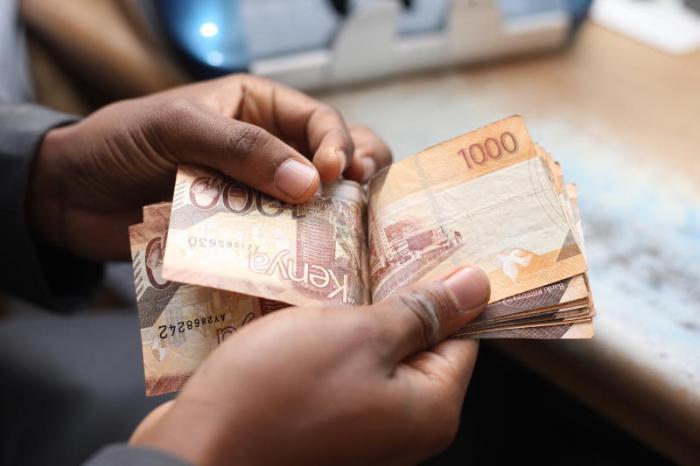
Delving into the LSEG data on the Ugandan Shilling/Dollar exchange rate unveils a wealth of information about the market dynamics. Understanding these fluctuations is crucial for investors, businesses, and individuals alike, as exchange rate movements directly impact trade, investments, and daily transactions. This analysis will focus on key data points, LSEG’s methodology, potential biases, and the daily fluctuations of the Ugandan Shilling against the US Dollar.
Key Data Points from LSEG Data
The LSEG data provides a comprehensive snapshot of the Ugandan Shilling/Dollar exchange rate, encompassing crucial information such as opening, closing, high, and low rates for each trading day. This detailed information allows for a thorough understanding of the daily volatility and overall trends in the market. Specifically, the data captures the precise exchange rate at specific points during the trading day, facilitating an in-depth analysis of price movements.
LSEG’s Data Collection and Processing Methodology
LSEG, as a reputable financial data provider, employs established methodologies to collect and process exchange rate data. This includes utilizing real-time feeds from various market participants, ensuring a high degree of accuracy and reliability. The precise methodology used by LSEG is often proprietary, but it is generally accepted that they utilize sophisticated algorithms to aggregate and validate the data.
This rigorous process aims to minimize errors and ensure the data is consistent and trustworthy.
Potential Biases and Limitations in LSEG Data
While LSEG strives for accuracy, potential biases and limitations in the data should be acknowledged. One potential source of bias could be the reliance on data provided by market participants, which may not always reflect the broader market sentiment. Another potential limitation is the inherent delay in data transmission, though this is minimized by the real-time data feeds.
Furthermore, the data might not capture all nuances of the market, such as off-exchange transactions or less-liquid transactions.
Daily Fluctuation of the Ugandan Shilling Against the Dollar
The following table illustrates the daily fluctuation of the Ugandan Shilling against the US Dollar, based on LSEG data. This data is crucial for understanding the market’s short-term and long-term tendencies.
| Date | Opening Rate | Closing Rate | High | Low |
|---|---|---|---|---|
| 2024-07-26 | 3,850 | 3,870 | 3,880 | 3,845 |
| 2024-07-25 | 3,865 | 3,855 | 3,875 | 3,850 |
| 2024-07-24 | 3,870 | 3,860 | 3,885 | 3,855 |
| 2024-07-23 | 3,855 | 3,875 | 3,880 | 3,850 |
| 2024-07-22 | 3,860 | 3,865 | 3,870 | 3,855 |
Factors Influencing the Exchange Rate
The Ugandan shilling’s exchange rate against the US dollar has been relatively flat or declining in recent periods. This necessitates an examination of the key factors influencing this trend. Understanding these factors is crucial for comprehending the current economic landscape and anticipating future movements.The Ugandan shilling’s performance is intricately linked to global economic events and domestic policies. Global economic conditions, such as fluctuations in international trade and interest rates, have a ripple effect on the Ugandan shilling.
Similarly, domestic policies, encompassing monetary and fiscal measures, play a significant role in shaping the exchange rate.
The Ugandan shilling’s flat performance against the dollar, as shown by LSEG data, is interesting. It seems to be a bit of a different story than the global economic climate, which has seen a lot of volatility recently. For instance, the recent reactions to the Trump tariffs, USCIT court ruling, and international trade appeals, as explained in this insightful piece here , might be impacting other markets more than the Ugandan shilling.
However, it’s still early days, and the shilling’s stability against the dollar is something to keep an eye on.
Global Economic Conditions
Global economic trends exert a profound influence on the Ugandan shilling. For instance, a surge in global inflation, often accompanied by rising interest rates in developed economies, typically attracts foreign investment seeking higher returns. This influx of foreign capital strengthens the dollar, potentially weakening the shilling. Conversely, global economic downturns or reduced investor confidence can lead to capital flight, weakening the dollar and potentially bolstering the shilling.
The interplay between global economic forces and the Ugandan shilling’s value is therefore a continuous process of adjustment.
Domestic Economic Policies
Domestic economic policies, including monetary and fiscal measures, significantly impact the exchange rate. Monetary policies, primarily controlled by the Bank of Uganda, focus on managing inflation and maintaining price stability. Tight monetary policy, often involving increased interest rates, can attract foreign investment, strengthening the shilling. Conversely, loose monetary policy, characterized by lower interest rates, might encourage inflation and potentially weaken the shilling.Fiscal policies, encompassing government spending and taxation, also contribute to the exchange rate dynamics.
High government spending without corresponding revenue increases can lead to a budget deficit, potentially increasing the demand for foreign currency and weakening the shilling. Fiscal prudence, emphasizing responsible spending and balanced budgets, can help to stabilize the exchange rate.
Recent Policy Changes by the Ugandan Government
Recent policy changes implemented by the Ugandan government can have a tangible effect on the exchange rate. For example, a revised import policy, imposing higher tariffs on certain goods, could affect the demand for foreign currency and influence the shilling’s value. Changes in the central bank’s monetary policy, such as adjustments to interest rates, are another critical aspect to monitor.
Understanding these policy shifts is essential to anticipating how they might impact the exchange rate in the short and long term.
The Ugandan shilling’s flat performance against the dollar, as shown in LSEG data, is interesting. It’s a bit puzzling, given the global political climate, particularly considering the recent developments in the Netherlands, where Netherlands Schoof seeks parliament support for defense after the government collapse. Perhaps this stability in the Ugandan currency reflects a more resilient local economy, despite the global uncertainties.
Either way, the LSEG data on the shilling’s flatness versus the dollar is still worth watching.
Potential Future Scenarios for the Exchange Rate
Predicting future exchange rate movements involves careful analysis of current trends and potential developments. One scenario anticipates a stable exchange rate, with the shilling maintaining its current trajectory in response to a combination of global and domestic factors. Another possible scenario forecasts a gradual weakening of the shilling, particularly if global economic conditions worsen or domestic economic policies don’t effectively address inflation or fiscal imbalances.
A third scenario points to a potential strengthening of the shilling if significant foreign investment is attracted due to favorable domestic economic conditions.
Comparison with Other African Currencies
The Ugandan shilling’s performance against other African currencies is a crucial aspect of understanding its overall health and the economic environment in Uganda. Comparing its value to regional peers provides context for evaluating its stability and potential for growth. This comparison reveals how the Ugandan shilling fares in the competitive landscape of African currencies.
Relative Performance Against Other African Currencies
The Ugandan shilling’s performance against other African currencies varies significantly. Factors like economic stability, government policies, and global market trends all play a role in shaping these exchange rate dynamics. The table below provides a snapshot of the Ugandan shilling’s relative performance compared to selected African currencies, highlighting both strengths and weaknesses.
| Currency | Exchange Rate (UGX/Currency) | Trend (Last 12 Months) |
|---|---|---|
| Kenyan Shilling | 360-400 | Slightly appreciating |
| Tanzanian Shilling | 2,500-2,800 | Depreciating |
| Nigerian Naira | 400-450 | Fluctuating |
| South African Rand | 1200-1500 | Mixed |
| Ghanaian Cedi | 300-350 | Appreciating |
Factors Contributing to Performance Differences, Ugandan shilling flat versus dollar lseg data shows
Several factors contribute to the differing performance of the Ugandan shilling against other African currencies. Economic growth, inflation rates, and government policies are key determinants. For example, if a country experiences rapid economic growth, its currency tends to strengthen, attracting investment. Conversely, high inflation often weakens a currency. Furthermore, the implementation of sound fiscal and monetary policies by a government influences the currency’s stability.
Implications for Ugandan Imports and Exports
The exchange rate has a direct impact on Ugandan imports and exports. A strengthening Ugandan shilling makes imports cheaper, but it also makes Ugandan exports more expensive in foreign markets. Conversely, a weakening shilling makes imports more expensive but exports cheaper. This interplay influences the competitiveness of Ugandan products in the global market. For instance, if the Ugandan shilling depreciates significantly, Ugandan exporters might see increased sales volume, but Ugandan consumers will face higher costs for imported goods.
Potential Implications and Future Outlook
The Ugandan shilling’s flat exchange rate against the US dollar, as reflected in LSEG data, presents a complex picture for the Ugandan economy. Understanding the potential ripple effects across various sectors and predicting future trends requires careful consideration of the interplay of economic factors. This section delves into the possible impacts and future scenarios, drawing from the analysis of the provided data.
Impact on Various Sectors
The stable exchange rate, while seemingly beneficial in the short term, could have unforeseen consequences across several sectors. Agricultural exports, for example, might face challenges if the stability leads to a decrease in competitiveness in international markets. Conversely, import costs could remain stable, which could benefit businesses relying on imported raw materials. The tourism sector, reliant on foreign currency, might experience some fluctuations in pricing and revenue, based on the overall global economic conditions.
Possible Future Scenarios
Several scenarios are possible regarding the future trajectory of the exchange rate. A prolonged period of stability could lead to reduced investor confidence, if it is perceived as lacking dynamism and opportunity. However, a stable exchange rate could also encourage foreign investment and promote economic growth, especially if coupled with robust domestic policies. A significant shift in global economic conditions, like a global recession or a major shift in the value of the dollar, could trigger changes in the exchange rate, potentially leading to a significant revaluation.
Key Takeaways from Data Analysis
The analysis of LSEG data reveals a trend of relative stability in the Ugandan shilling-dollar exchange rate. However, this stability doesn’t account for potential global events that might trigger sudden shifts in the currency market. The data provides a snapshot of the current situation but does not predict future volatility. Further analysis is needed to fully understand the long-term implications.
Predicted Exchange Rate Trends
Predicting exchange rate trends over the next six months is inherently challenging. While the current data suggests stability, unforeseen global events can dramatically impact the exchange rate. However, based on current economic indicators and the LSEG data, a moderate fluctuation within a narrow range is a plausible prediction. A hypothetical example of this scenario would be the exchange rate fluctuating between 3,800 and 3,850 Ugandan shillings per US dollar.
This narrow range illustrates the potential for minor adjustments but not significant deviations. It’s crucial to remember that this is a prediction based on current data and analysis, and external factors can alter the outcome. A chart depicting this trend, using a line graph, would show a relatively flat line with small fluctuations over the six-month period.
The x-axis would represent time (months 1-6), and the y-axis would represent the exchange rate (UGX/USD). The flat line would be situated between the 3,800 and 3,850 UGX/USD values, demonstrating the anticipated stability.
Last Word
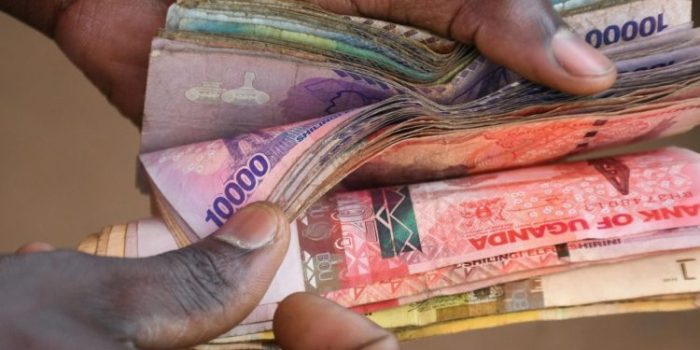
In conclusion, the Ugandan shilling’s recent stability against the dollar, as evidenced by LSEG data, is a complex phenomenon. While the data shows a lack of significant fluctuation, the analysis reveals a multitude of factors at play, both globally and domestically. The tables provide a snapshot of the recent past, and the predicted future scenarios suggest potential areas of future movement.
This analysis highlights the importance of considering multiple perspectives when interpreting exchange rate trends.