
Wfp says hordes hungry people broke into gaza warehouse deadly incident – WFP says hordes hungry people broke into a Gaza warehouse, a deadly incident highlighting the desperate situation in the region. This tragic event underscores the dire need for humanitarian aid and the fragility of the peace process. Reports detail the chaos and violence that erupted, as well as the significant loss of life. The incident also raises critical questions about the future of aid delivery in Gaza and the security of those involved.
The World Food Programme (WFP) plays a vital role in delivering essential supplies to the besieged population of Gaza. This incident directly impacts their ability to provide vital food and other necessities. The underlying causes of the incident, including political and social factors, must be explored to prevent similar tragedies in the future. The international community must act swiftly and decisively to address the root causes of this crisis and ensure the safety and well-being of the people of Gaza.
Background of the Gaza Warehouse Incident
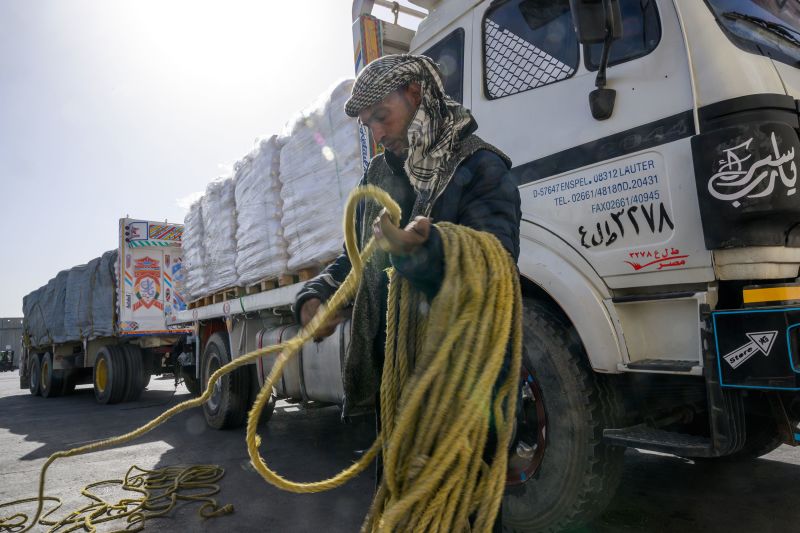
The recent incident at a World Food Programme (WFP) warehouse in Gaza highlights the complex humanitarian challenges facing the region. Reports indicate a concerning security breach, potentially involving hungry individuals. Understanding the circumstances and the WFP’s role is crucial to assessing the situation and potential solutions.
Summary of the Incident
The WFP warehouse in Gaza experienced a security breach. Reports suggest that a large number of people, potentially driven by extreme hunger, gained unauthorized access to the warehouse. The incident resulted in an immediate disruption of food distribution and raised significant concerns about the stability of the region.
Reported Circumstances Leading to the Incident
Several factors contributed to the reported circumstances. The escalating humanitarian crisis in Gaza, compounded by ongoing conflict and economic hardship, created an environment where desperation and hunger are widespread. This extreme need likely pushed individuals to desperate measures. Reports also suggest a possible breakdown in security protocols within the warehouse itself.
Role of the WFP in the Context of the Situation
The World Food Programme (WFP) plays a critical role in providing essential food aid to vulnerable populations in Gaza. Their operations are vital to mitigating the effects of food insecurity and hunger. The incident at the warehouse directly impacts the WFP’s ability to deliver vital aid to those in need. The WFP’s immediate response and ongoing efforts to prevent similar incidents in the future are crucial to maintaining aid delivery and addressing the underlying causes of the crisis.
Immediate Aftermath of the Incident
Initial reports indicated significant disruption to WFP operations. Reactions from humanitarian organizations and international bodies highlighted the urgency of addressing the root causes of the crisis. The security of WFP warehouses and the safety of personnel became paramount concerns in the immediate aftermath. Reports suggest that the WFP has implemented measures to address the situation.
Impact and Consequences
The brazen attack on a World Food Programme (WFP) warehouse in Gaza highlights the devastating consequences of violence on humanitarian efforts. This incident jeopardizes the very lifeline for millions already facing extreme hunger and instability. The potential for escalation is clear, and the long-term effects on aid distribution and the safety of those providing aid are deeply concerning.The incident underscores the precarious nature of humanitarian work in conflict zones.
The deliberate targeting of essential supplies exposes the vulnerable population to further suffering and the systemic failures that hinder the delivery of vital aid. Understanding the ripple effects of this act is critical to ensuring the future safety and well-being of the affected population.
Humanitarian Consequences
The immediate consequence of the incident is a substantial reduction in the availability of food and essential supplies for the already vulnerable population in Gaza. This disruption will directly impact the health and well-being of thousands, potentially leading to increased malnutrition, disease outbreaks, and further displacement. The loss of crucial aid items, such as medicine and sanitation supplies, compounds the already critical health crisis.
A similar situation unfolded in Yemen, where a blockade disrupted aid delivery, leading to a devastating surge in preventable deaths.
Long-Term Effects on Aid Distribution
The attack on the WFP warehouse will undoubtedly deter future aid organizations from operating in Gaza. This could create a dangerous cycle, where aid is more difficult to access, and the needs of the population are not met. The fear of similar attacks will inevitably lead to a reassessment of risk, potentially leading to the redirection of aid resources to safer regions.
The prolonged closure of the Suez Canal in 2021, while not directly an attack, highlighted the disruption aid organizations face when major transport routes are disrupted.
The tragic incident of hungry people storming a Gaza warehouse, as reported by the WFP, is deeply concerning. It highlights the dire humanitarian crisis in the region. Meanwhile, Poland’s new president’s stance is creating some interesting tension in EU-Ukraine relations, as detailed in this article on polands new president poses challenge eu ukraine ties. This political dynamic adds another layer of complexity to the already challenging situation facing those in Gaza, making the need for international aid even more crucial.
Security Implications for Humanitarian Workers
The attack on the WFP warehouse directly threatens the safety of humanitarian workers in Gaza. It sends a clear message that aid workers are vulnerable targets in a conflict zone, which will likely deter future volunteers and staff. Such incidents have led to a reduction in humanitarian personnel in other conflict zones, creating a critical shortage in essential services.
The situation in Afghanistan following the withdrawal of international forces saw a significant decrease in humanitarian workers, with devastating consequences for the population.
Comparison to Other Similar Incidents
The attack on the WFP warehouse bears striking similarities to other attacks on humanitarian aid infrastructure in the region. Such incidents often occur during periods of heightened conflict, demonstrating the disregard for the basic human need for aid and the devastating impact on civilians. The deliberate targeting of essential supplies is a pattern that demands greater international attention and a concerted effort to hold perpetrators accountable.
The 2014 Gaza conflict saw a series of attacks on humanitarian infrastructure, highlighting the vulnerability of these facilities and the profound impact on aid distribution.
Impact Analysis Table, Wfp says hordes hungry people broke into gaza warehouse deadly incident
| Impact | Short Description | Severity | Potential Solutions |
|---|---|---|---|
| Loss of Aid | Destruction or theft of essential supplies like food, medicine, and sanitation materials. | Critical | Increased security measures for warehouses, alternative supply routes, international pressure on perpetrators. |
| Public Perception | Damage to the reputation of humanitarian organizations and the international community’s ability to deliver aid effectively. | Moderate | Transparency in aid delivery, stronger accountability mechanisms, public awareness campaigns. |
| Security Concerns | Increased fear and risk for humanitarian workers, deterring future volunteers and staff. | High | Enhanced security protocols, diplomatic efforts to ensure safe passage for aid, international condemnation of attacks. |
| Long-Term Impact on Aid Delivery | Reduced access to aid, hindering the delivery of essential services and impacting the well-being of the population. | Severe | International pressure for de-escalation of conflict, investment in conflict resolution mechanisms, creation of secure aid delivery channels. |
Possible Causes and Motivations
The brazen raid on the WFP warehouse in Gaza, resulting in a deadly incident, demands a thorough examination of potential motivations and contributing factors. Beyond the immediate tragedy, the incident highlights the complex interplay of social, political, and economic pressures in the region. Understanding these underlying causes is crucial for preventing similar events and fostering a more peaceful resolution.The incident is deeply disturbing, not just for the loss of life, but also for the implications it holds for humanitarian aid and the future of Gaza.
Examining the potential motivations and contributing factors can provide insights into the systemic issues that need addressing to prevent future tragedies.
Potential Motivations Behind the Actions
The motivations behind the actions of those involved in the incident are likely multifaceted and complex. A range of factors, from desperation and frustration to opportunistic violence, might have played a role. Hunger and poverty, exacerbated by ongoing conflicts and political instability, could have fueled a sense of desperation among some individuals, pushing them to desperate measures. Furthermore, the potential for opportunistic violence or criminal activity cannot be discounted.
Underlying Social and Political Factors
The social and political context in Gaza is deeply intertwined with the incident. Prolonged conflict, economic hardship, and political instability create a fertile ground for unrest and violence. The blockade imposed on Gaza has significantly impacted the lives of residents, leading to widespread poverty, unemployment, and food insecurity. These conditions can create a climate of desperation, increasing the likelihood of such incidents.
Furthermore, political tensions and the presence of armed groups could also play a role in escalating conflicts.
Different Theories Regarding the Causes
Various theories exist regarding the incident, ranging from accusations of pre-meditated attacks to claims of desperation and hunger. Some observers suggest the incident was a deliberate act to disrupt humanitarian aid, while others contend it stemmed from a desperate desire for food and resources. Distinguishing between these theories requires careful analysis of available evidence and the broader context. The complexity of the situation makes it challenging to definitively determine the primary motivation.
Comparison of Theories and Potential Solutions
| Potential Causes | Contributing Factors | Potential Solutions |
|---|---|---|
| Desperation due to poverty and hunger | Prolonged conflict, economic hardship, blockade | Increase humanitarian aid, improve economic conditions, lift blockade (if appropriate and justifiable), create more sustainable employment opportunities |
| Opportunistic violence or criminal activity | Weakened security, political instability | Strengthen security measures, address political tensions, improve governance, and foster economic opportunities |
| Disruption of humanitarian aid | Political motivations, grievances | Dialogue between stakeholders, ensure the safety and security of humanitarian workers, strengthen international oversight of aid delivery, promote transparency and accountability |
This table provides a concise overview of potential causes, factors, and solutions. A comprehensive approach to resolving the underlying issues is crucial to prevent similar incidents from occurring again.
Humanitarian Aid Response
The devastating incident at the Gaza warehouse, disrupting vital humanitarian aid supplies, underscored the critical need for swift and effective responses from international organizations. The immediate aftermath demanded a coordinated effort to assess the damage, mitigate the impact on vulnerable populations, and ultimately restore the flow of essential resources. The scale of the crisis and the interconnected nature of the response highlight the complexity of such situations.The initial response involved rapid assessments of the damage and the immediate needs of the affected population.
Humanitarian organizations, working in tandem with local partners, focused on providing emergency aid, including food, water, and medical supplies. The primary goal was to prevent a further escalation of the crisis and to ensure the most vulnerable were supported. This required immediate action to assess the situation, identify gaps, and coordinate resources.
Initial Humanitarian Response
Humanitarian organizations quickly mobilized their resources, sending teams to the affected area to assess the situation and determine immediate needs. Emergency aid was dispatched, including food, water, and basic medical supplies, to address the most urgent needs of the population. These initial efforts focused on preventing further suffering and ensuring the basic needs of the affected population were met.
The speed and coordination of the initial response was crucial in mitigating the immediate impact of the incident.
Resumption of Aid Delivery
Resuming aid delivery after the incident required careful planning and security considerations. Organizations worked closely with local authorities to establish safe and secure routes for aid distribution. A thorough security assessment was crucial to ensure the safety of aid workers and the smooth delivery of aid to the intended recipients. This process was multifaceted, requiring logistical planning, security protocols, and ongoing communication with local authorities.
The WFP reports a tragic incident in Gaza, where hordes of hungry people reportedly broke into a warehouse, resulting in a deadly outcome. It’s a stark reminder of the dire humanitarian crisis gripping the region. Meanwhile, some might find it interesting to contrast this with the situation surrounding the Tiananmen Square crackdown, where figures like Rubio praised the bravery of those who lost their lives in that horrific event.
This complex situation highlights the stark differences in how the world views and reacts to similar situations of desperate people, especially when considering political motivations, as in the case of the Tiananmen Square incident, rubio praises bravery chinese people killed tiananmen square crackdown , and the ongoing crisis in Gaza.
Role of International Actors
International actors, including the United Nations and other international organizations, played a critical role in coordinating the response to the crisis. They facilitated the delivery of aid, provided logistical support, and coordinated efforts among various humanitarian organizations. Their involvement was essential in ensuring the efficient and effective delivery of aid to the affected population. This included advocating for a peaceful resolution and ensuring the safety of humanitarian workers.
Organizational Roles in the Response
| Organization | Role | Actions Taken |
|---|---|---|
| World Food Programme (WFP) | Primary provider of food aid | Suspended operations in the wake of the incident; assessed damage and security concerns; worked with partners to establish safe delivery routes. |
| United Nations High Commissioner for Refugees (UNHCR) | Supporting displaced populations | Assessed the impact on refugees; provided emergency shelter and assistance to those affected; worked with other agencies to ensure a coordinated response. |
| International Committee of the Red Cross (ICRC) | Providing medical and humanitarian aid | Delivered medical supplies and assistance; provided support to local hospitals; ensured access to healthcare for affected populations. |
| Doctors Without Borders (Médecins Sans Frontières – MSF) | Providing medical care | Deployed medical teams to assess needs; provided urgent medical treatment; supported local healthcare facilities. |
| Local NGOs | Community-based aid | Provided essential supplies and support to communities; assisted in the distribution of aid; worked closely with international organizations. |
Security Concerns and Implications
The recent incident at the Gaza warehouse, tragically highlighting the vulnerability of humanitarian aid delivery, underscores the critical security challenges facing organizations working in conflict zones. These challenges extend beyond simple physical risks, encompassing political complexities and the potential for deliberate targeting of aid convoys. Understanding these risks is paramount to ensuring the safety of aid workers and the uninterrupted flow of essential supplies to those in need.The security landscape in Gaza, characterized by ongoing conflict and political tensions, presents a complex and volatile environment for humanitarian organizations.
This environment necessitates a multi-faceted approach to security planning and execution. Simply relying on security personnel alone is insufficient. A comprehensive strategy must involve collaboration with local authorities, community engagement, and rigorous risk assessments. This requires a thorough understanding of the specific security threats in the region, as well as the evolving dynamics that might influence future incidents.
Security Challenges Faced by Humanitarian Organizations
Humanitarian organizations face a multitude of security challenges in Gaza, including armed conflict, political instability, and the potential for deliberate attacks on aid convoys. The presence of armed groups, the risk of misidentification, and the complex web of relationships between factions add further layers of complexity. Furthermore, logistical constraints and the lack of secure transportation routes can hinder the efficient delivery of aid.
The inherent risks associated with operating in conflict zones, coupled with the specific challenges of Gaza, necessitate a proactive and robust security strategy.
The WFP reports a tragic incident in Gaza, where hordes of hungry people reportedly broke into a warehouse. It’s a stark reminder of the desperate conditions facing many. Meanwhile, the tennis world is buzzing with excitement over the French Open, particularly on day eight, french open day eight , and the ongoing drama of the tournament. But these headlines unfortunately serve as a grim reminder of the serious issues still plaguing the region.
Measures to Enhance Security for Aid Workers
Implementing comprehensive security protocols is essential for protecting aid workers in Gaza. This includes conducting thorough security assessments, utilizing advanced security technologies, and maintaining close communication with local authorities. Building trust with local communities is equally crucial. Transparent communication and cooperation can significantly reduce the risk of misidentification and promote a more secure operating environment. Regular security briefings, comprehensive training programs, and clear protocols for responding to security incidents can greatly enhance the resilience of aid workers in high-risk situations.
Moreover, the development of strong relationships with local authorities can help ensure safe passage and facilitate logistical support.
Potential for Future Incidents
The potential for future incidents involving humanitarian aid delivery in Gaza is significant. The complex political climate, the presence of armed factions, and the ongoing conflict create a fertile ground for misunderstandings and mishaps. The deliberate targeting of aid convoys, as tragically witnessed in the past, is a clear threat. To mitigate the risk, aid organizations need to prioritize preemptive measures, such as enhancing security protocols, developing contingency plans, and building stronger relationships with local communities.
Learning from past experiences and adapting security strategies to the evolving dynamics of the region is crucial.
Comparison of Security Protocols and Measures
| Organization | Protocol | Effectiveness |
|---|---|---|
| World Food Programme (WFP) | Robust security assessments, convoy escort services, and close communication with local authorities. | Mixed results, with some successes but also instances of vulnerability, indicating the need for continuous improvement and adaptation to evolving threats. |
| Doctors Without Borders (Médecins Sans Frontières) | Highly developed security protocols including advanced security technology, secure communication channels, and community engagement strategies. | Generally considered effective, evidenced by the organization’s continued presence and operation in high-risk zones. |
| Save the Children | Multi-layered security protocols that include risk assessment, contingency planning, and training programs for aid workers. | Demonstrates a comprehensive approach, often resulting in reduced risks, though specific data on effectiveness is often not publicly available. |
The effectiveness of security protocols can vary depending on the specific context and the evolving nature of the security environment. Organizations often need to adapt their protocols to specific local conditions.
Potential Solutions and Mitigation Strategies
The Gaza warehouse incident highlights critical vulnerabilities in humanitarian aid delivery and underscores the urgent need for comprehensive security measures. Preventing future tragedies demands a multi-faceted approach encompassing improved security protocols, enhanced coordination, and unwavering commitment to the safety of aid workers and the vulnerable populations they serve.
Strengthening Security Protocols for Humanitarian Aid Operations
Robust security protocols are crucial to deterring criminal acts and ensuring the safety of humanitarian workers and the delivery of aid. This includes pre-emptive risk assessments, security training for personnel, and the implementation of advanced surveillance technologies. Adequate security personnel, strategically positioned, are also essential to maintain safe passage for aid convoys. The need for collaboration with local authorities, as well as international security forces, cannot be overstated.
- Implementing comprehensive security assessments of all potential aid delivery points, incorporating intelligence on potential threats, is essential. This proactive approach allows for the identification and mitigation of risks in advance. Past incidents, such as attacks on humanitarian convoys in other conflict zones, demonstrate the importance of thorough planning and preparation.
- Mandating specialized security training for all aid workers, covering threat identification, risk management, and personal safety procedures, is vital. The training should equip aid workers with the knowledge and skills to recognize and respond to potential threats in a timely and effective manner. Examples of successful security training programs in other conflict zones can provide valuable lessons and best practices.
- Utilizing advanced surveillance technologies, such as drones and advanced sensor networks, alongside traditional security measures, can significantly enhance the monitoring and protection of aid operations. This technology can be used to detect and deter potential threats, enabling aid workers to react swiftly to any emerging security concerns.
Improving Coordination and Communication Among Stakeholders
Effective communication and collaboration between humanitarian organizations, local authorities, and international actors are critical for maintaining the smooth flow of aid. This includes establishing clear communication channels, coordinating response strategies, and sharing intelligence on potential threats. Shared situational awareness, in real-time, is paramount to rapid response mechanisms.
- Establishing clear communication protocols and channels among all stakeholders, including humanitarian organizations, local authorities, and international actors, is crucial. This facilitates the sharing of information, enhances coordination, and ensures a unified approach to aid delivery.
- Developing a centralized database of information on aid needs, routes, and security risks can aid in the efficient management and coordination of aid operations. This consolidated data helps optimize resources and ensures a more efficient and effective response.
- Regular meetings and joint exercises between humanitarian organizations and local authorities can build trust, enhance coordination, and foster a shared understanding of security concerns. This collaborative approach promotes the establishment of joint security plans, enabling a more proactive approach to preventing future incidents.
Ensuring Continued Humanitarian Aid Flow
Maintaining the flow of humanitarian aid to the region is paramount to alleviating suffering and supporting the recovery of vulnerable populations. This necessitates finding alternative routes, diversifying aid delivery mechanisms, and fostering partnerships with local organizations. Furthermore, exploring innovative financing models and fundraising strategies can contribute to the resilience of humanitarian efforts.
- Diversifying aid delivery mechanisms, including using alternative routes and transportation modes, can mitigate the risk of future incidents. Utilizing a range of delivery methods can enhance the resilience of aid operations and reduce dependence on single points of entry.
- Collaborating with local organizations and empowering local communities can strengthen the delivery of humanitarian aid, promoting the sustainability of aid efforts and ensuring aid reaches those who need it most.
- Exploring alternative financing models and fundraising strategies can help sustain the humanitarian efforts and ensure long-term support for the region.
Table of Potential Solutions
| Solution | Feasibility | Potential Impact |
|---|---|---|
| Strengthening security protocols for humanitarian aid operations | High | Reduced risk of future attacks and improved safety for aid workers and beneficiaries |
| Improving coordination and communication among stakeholders | Medium | Enhanced efficiency of aid delivery and quicker response to crises |
| Ensuring continued humanitarian aid flow | Medium-High | Sustained support for vulnerable populations and accelerated recovery efforts |
Illustrative Examples: Wfp Says Hordes Hungry People Broke Into Gaza Warehouse Deadly Incident
The Gaza warehouse incident, a stark reminder of the fragility of humanitarian aid delivery, resonates with historical and contemporary events. Examining similar situations allows us to understand the underlying dynamics and potential solutions. These examples underscore the crucial need for improved security protocols, conflict resolution, and the preservation of civilian life in conflict zones.Understanding the complexities of aid delivery in conflict zones requires a comparative analysis.
Examining historical precedents and recent events provides context, highlighting recurring patterns and offering potential strategies for mitigating future crises.
Historical Parallels
The 1990s Bosnian War saw significant humanitarian crises, including the siege of Sarajevo and the displacement of hundreds of thousands of people. Aid convoys faced significant challenges, with attacks and blockades disrupting essential supplies. The Srebrenica massacre, a horrifying episode of violence against civilians, exemplifies the tragic consequences of failing to protect vulnerable populations and the inadequacy of humanitarian aid in the face of unchecked violence.
The targeting of aid workers and supplies in Bosnia parallels the current situation in Gaza, emphasizing the need for robust security measures to protect humanitarian efforts.
Recent Analogies
The 2022 war in Ukraine brought forth a different kind of challenge. The conflict’s impact on humanitarian aid delivery included the disruption of supply chains and the targeting of civilian infrastructure. The destruction of hospitals and the displacement of millions of people highlight the severe consequences of conflict on vulnerable populations. The targeting of essential infrastructure, in both cases, underscores the urgent need for international cooperation and humanitarian intervention to ensure the continued delivery of vital aid.
Comparative Analysis Table
| Date | Location | Key Actors | Outcomes |
|---|---|---|---|
| 1990s | Bosnia and Herzegovina | Bosnian Army, various factions, UN peacekeeping forces, international aid organizations | Significant humanitarian crisis, widespread displacement, targeting of aid convoys, Srebrenica massacre, limited aid delivery due to violence. |
| 2022-present | Ukraine | Russian Federation, Ukrainian forces, international aid organizations, refugees | Mass displacement, significant damage to infrastructure, including hospitals and schools, disruption of aid delivery, numerous civilian casualties. |
| Present | Gaza Strip | Palestinian factions, Israeli forces, international aid organizations, civilians | Breach of warehouse, potential disruptions to food supply, security concerns, humanitarian crisis, need for immediate assistance. |
Visual Representation
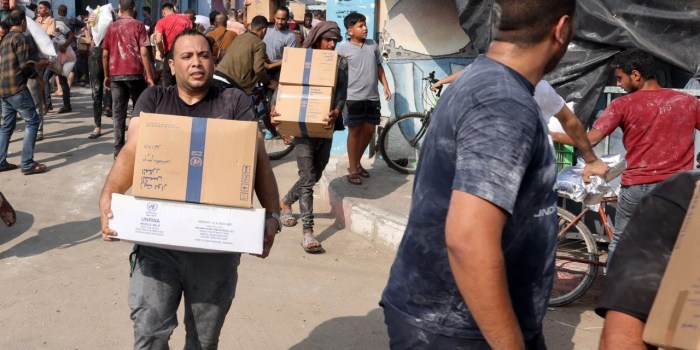
Visual representations are crucial for understanding complex situations like the Gaza warehouse incident. They allow us to grasp the geographical context, the impact on aid delivery, and potential solutions in a more accessible and impactful way than words alone. These visuals can be powerful tools for advocacy and informing the public.
Geographical Location of the Incident
A map highlighting the Gaza Strip would be essential. The map should clearly mark the specific location of the warehouse where the incident occurred, along with the surrounding areas and major roadways. This visualization allows for a quick understanding of the immediate surroundings and the potential implications of the event. Overlaying population density data could further emphasize the impact on the affected community.
Impact on Humanitarian Aid Flow
A flow chart depicting the typical humanitarian aid delivery routes and the points of entry into Gaza would be helpful. A second chart could be overlaid, showing the disruption to these routes and the consequent delays or blockages in the supply chain following the incident. This visual representation would make clear the immediate and long-term consequences for the vulnerable population.
For example, the visual could show a comparison of the usual daily delivery amounts versus the amount delivered after the incident.
Potential Solutions
A mind map, or a series of interconnected diagrams, could illustrate potential solutions to the issue. Different solutions, like increased security measures at aid warehouses, alternative delivery routes, or diplomatic efforts, can be visually linked to their anticipated effects, demonstrating the connections between actions and consequences. For example, the mind map could show how increased security can improve confidence in the aid delivery system, which can in turn improve the humanitarian response.
Timeline of Events
A timeline, presented as a horizontal bar graph, would be highly informative. Each significant event, from the initial reports of the incident to the current state of the response, should be clearly marked with dates and brief descriptions. Key actors, such as governmental bodies, aid organizations, and affected populations, should also be identified on the timeline. For instance, a timeline could display the dates of the warehouse breach, the initial response from humanitarian groups, and subsequent investigations, demonstrating the flow of events leading to and following the incident.
Final Wrap-Up
The WFP warehouse raid in Gaza serves as a stark reminder of the complex humanitarian challenges facing the region. The loss of life and the disruption of aid delivery underscore the urgent need for long-term solutions, encompassing political stability, improved security, and sustained humanitarian assistance. The international community must work together to address the underlying causes and find lasting solutions for the people of Gaza.