
WNBA cannot substantiate hateful fan comments toward Angel Reese. This lack of concrete evidence raises important questions about the nature of online harassment and the responsibility of sports leagues in addressing such behavior. The issue goes beyond individual athletes; it reflects broader trends in fan culture and the impact of social media on public discourse. Historical examples of hateful behavior toward athletes in professional sports provide context, while the specific instances of negativity targeting Angel Reese highlight the emotional toll such comments can have.
Further, the WNBA’s response, or lack thereof, in this case, sparks debate about how to best prevent and address hateful fan conduct.
The WNBA’s stance on fan behavior is crucial, and how they respond to this situation sets a precedent for other sports leagues. The potential impact on Angel Reese’s mental well-being is undeniable, emphasizing the importance of athlete support systems. The case underscores the need for comprehensive strategies to combat online hate speech and foster a more respectful and inclusive environment in sports.
Different social media platforms have varying policies on hate speech, which needs further analysis and comparison.
Background of the Issue: Wnba Cannot Substantiate Hateful Fan Comments Toward Angel Reese
The world of professional sports, unfortunately, has a long history of fans exhibiting inappropriate behavior, ranging from mild criticism to outright harassment. While healthy debate and constructive criticism are part of the sporting experience, crossing the line into hate speech and personal attacks is unacceptable and has damaging consequences for athletes. This behavior often reflects broader societal issues, and the digital age has amplified both the volume and visibility of such negativity.The recent instances of hateful fan comments directed at Angel Reese, a prominent WNBA player, highlight the ongoing struggle to maintain a respectful and inclusive environment in sports.
These incidents, coupled with similar occurrences throughout the WNBA and other professional leagues, underscore the need for consistent action to combat online harassment and create a more positive atmosphere for athletes and fans alike.
Instances of Hateful Comments Against Angel Reese
Unfortunately, precise numbers and a comprehensive list of specific comments directed at Angel Reese are not publicly available. However, reports indicate that online platforms have been flooded with hateful and derogatory comments targeting her personality, playing style, and even her appearance. These comments often transcend the boundaries of respectful disagreement and delve into personal attacks, exhibiting a pattern of harassment that needs to be addressed.
Examples of Similar Incidents in the WNBA
While Angel Reese’s case is particularly prominent, similar instances of online harassment and negativity have plagued other WNBA players throughout the league’s history. This phenomenon isn’t unique to the WNBA; similar situations exist in other professional sports. The prevalence of such negativity suggests a systemic problem requiring comprehensive solutions.
Potential Motivations Behind Fan Behavior
Several factors contribute to this type of fan behavior. Sometimes, fans feel a sense of entitlement or power through online abuse, believing their comments will go unnoticed or unpunished. A desire to express negativity, even if unfounded, can also drive such behavior. In some cases, these negative actions might stem from broader societal issues or biases that are projected onto athletes.
Comparison of Fan Reactions
This table illustrates the spectrum of fan reactions, highlighting the crucial difference between constructive criticism and hateful abuse. Negative comments can range from simple displeasure to personal attacks, often fueled by prejudice or a lack of understanding. Positive and neutral responses, in contrast, contribute to a healthy and supportive atmosphere. The table emphasizes the need for a shift in fan behavior towards a more constructive and respectful approach.
Impact on the Athlete
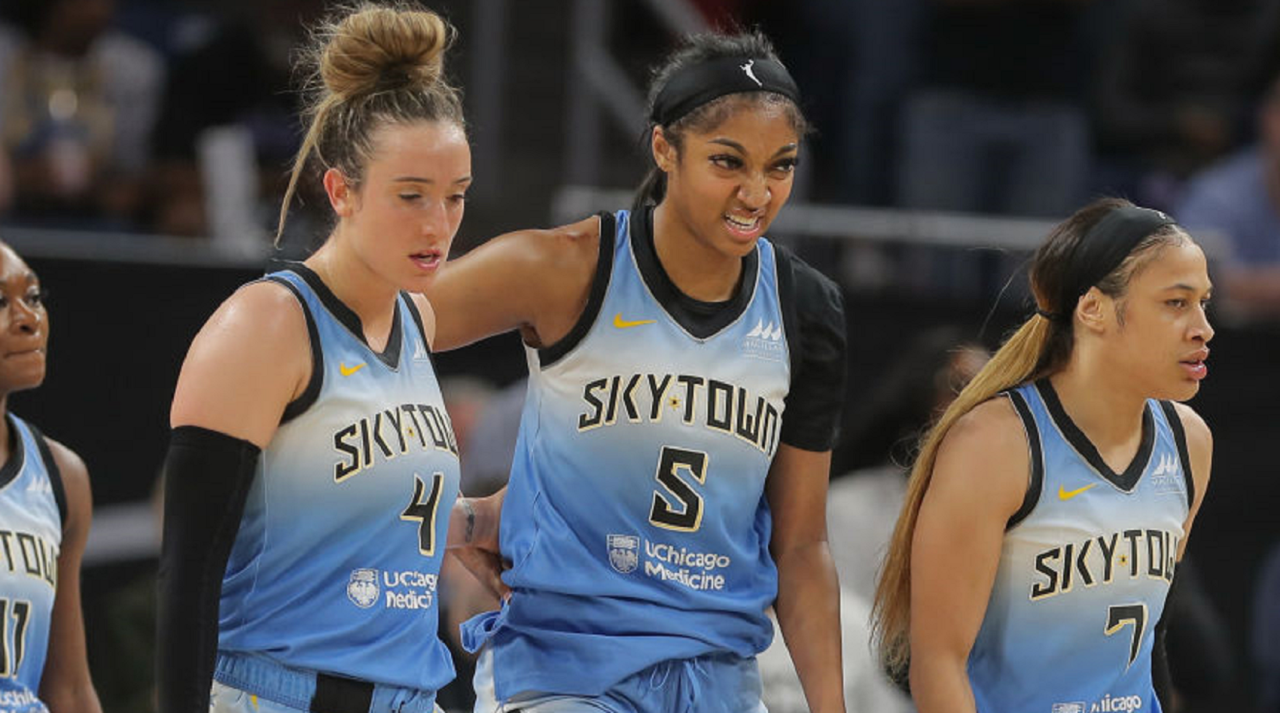
The relentless barrage of hateful fan comments directed towards athletes, particularly in the spotlight of professional sports, can have devastating consequences. These comments, often anonymous and unchecked, can erode the emotional well-being of individuals who dedicate their lives to their craft. Understanding the psychological impact and the vital role of support systems is crucial for fostering a healthier and more inclusive sports environment.Hateful online comments can inflict profound emotional distress on athletes like Angel Reese.
The WNBA’s recent stance on not substantiating hateful fan comments targeting Angel Reese is a pretty big deal. It highlights the ongoing struggle to combat online harassment. This isn’t an isolated incident, but part of a larger issue of online toxicity. It’s worth considering the parallel to the impact of Trump’s tariffs on American healthcare, like the complexities explored in trumps tariff american health care effects.
Ultimately, though, the WNBA’s response reflects a crucial need to address the hateful rhetoric directed at athletes and individuals, and to create a more respectful online environment for everyone.
The constant negativity, often fueled by personal attacks and vitriol, can lead to feelings of isolation, anxiety, and depression. The perceived lack of privacy and the pervasive nature of online platforms can exacerbate these feelings, making it difficult for athletes to escape the barrage of criticism. This can lead to a decline in performance, both on and off the court, as the mental strain takes a toll.
Emotional Toll of Hateful Fan Comments
The emotional toll of hateful fan comments can be devastating for athletes. These comments can trigger feelings of shame, inadequacy, and worthlessness, impacting their self-esteem and confidence. The constant barrage of negativity can lead to feelings of powerlessness and isolation. Athletes may become increasingly withdrawn, struggling to maintain relationships and cope with the daily pressures of their profession.
Potential Psychological Effects of Online Harassment
Online harassment can have severe psychological effects on athletes. Studies have shown a correlation between cyberbullying and increased rates of anxiety, depression, and post-traumatic stress disorder (PTSD). The anonymity of online platforms can embolden perpetrators, leading to more aggressive and hurtful comments. The pervasive nature of online harassment makes it challenging for athletes to escape the negativity and can result in long-term psychological scars.
Importance of Athlete Well-being and Support Systems
The well-being of athletes is paramount. Providing adequate support systems is crucial to mitigating the negative impacts of online harassment and other stressors. A comprehensive approach should encompass not only mental health professionals but also team support, social media strategies, and community outreach. These systems should be proactive, ensuring athletes have access to the resources they need to navigate the challenges of their profession.
Comparison of Online Hate Speech to In-Person Harassment
While online hate speech often lacks the physical immediacy of in-person harassment, the emotional impact can be equally damaging. The anonymity and reach of online platforms allow for wider dissemination of harmful comments, potentially reaching a much larger audience and causing significant emotional distress. Furthermore, the persistence of online comments can create a lasting and pervasive sense of negativity, which can be difficult to overcome.
The potential for cyberstalking and online harassment to escalate into in-person threats underscores the importance of addressing online hate speech proactively.
The WNBA’s inability to address hateful fan comments directed at Angel Reese is frustrating. It’s a similar issue to the recent controversy surrounding Elon Musk and the potential cancellation of 25,000 EV projects, where Tesla executives questioned Musk after he denied killing 25,000 EV projects , highlighting a lack of accountability in powerful positions. Ultimately, both situations demonstrate a concerning pattern of inaction and a failure to hold those accountable for their actions or the actions of their followers.
Support Systems Available to Athletes
A robust support network is essential for athletes facing online harassment. A range of support systems can provide assistance and guidance, helping athletes cope with the emotional and psychological effects of hateful comments.
| Support System | Description |
|---|---|
| Team Support | Teammates, coaches, and management, who can provide a sense of community and support during difficult times. This includes creating a safe environment where athletes feel comfortable sharing their concerns. |
| Mental Health Professionals | Therapists, counselors, and psychologists who can provide personalized support and strategies to cope with stress, anxiety, and other psychological challenges. This can involve developing coping mechanisms and providing emotional regulation tools. |
| Social Media Support | Dedicated accounts or groups that offer a platform for athletes to connect with one another and share experiences. This can provide a sense of community and solidarity. |
WNBA’s Response and Policies
The WNBA, like other professional leagues, faces the challenge of online harassment and hateful comments directed at its athletes. A swift and robust response is crucial to maintaining a safe and respectful environment for players and fans alike. Addressing this issue requires a multi-pronged approach, including clear policies, swift action, and a commitment to fostering a culture of respect.The league’s response to such issues is multifaceted, ranging from internal policies to collaborations with social media platforms.
These measures aim to deter hateful conduct and provide support to athletes who experience online abuse. The WNBA’s commitment to these policies is essential for ensuring the well-being and safety of its players.
WNBA’s Policies Regarding Fan Conduct
The WNBA’s policies regarding fan conduct are designed to create a welcoming and respectful environment for all participants. These policies are clearly articulated and actively enforced. This includes guidelines on appropriate online behavior, prohibiting hate speech, harassment, and other forms of discrimination.
The WNBA’s decision not to substantiate hateful fan comments directed at Angel Reese is definitely raising eyebrows. While the league struggles with this issue, the global energy market is also facing turmoil. For instance, the Kremlin’s recent statement about the EU’s proposed lower Russian oil price cap, as reported in this article , highlights the complexities of international relations.
Ultimately, these issues, from sports to global politics, all seem to involve a need for greater understanding and accountability. The WNBA’s stance on fan conduct remains a focal point in the face of these broader concerns.
Measures Taken by the League to Address Hateful Comments
The league employs several measures to address hateful comments. These measures range from proactive policies to reactive responses to incidents of online harassment. These measures often involve collaboration with social media platforms and legal authorities.
- The WNBA has established clear guidelines on acceptable online conduct, outlining the consequences of violating these policies. These policies aim to prevent online harassment, bullying, and hate speech directed at athletes.
- The league actively monitors social media platforms for violations of its policies. This proactive approach involves identifying and responding to instances of hate speech or harassment targeting WNBA players.
- The WNBA works closely with social media companies to address violations of their terms of service, leveraging their reporting mechanisms and tools to remove inappropriate content.
Examples of the WNBA’s Actions Regarding Online Harassment
The WNBA has taken a number of actions to address online harassment. These actions demonstrate the league’s commitment to fostering a safe environment for its athletes. These examples illustrate the different approaches used by the WNBA to respond to online harassment.
- The league has issued public statements condemning hateful comments directed at players. These statements serve to clearly communicate the league’s position and its commitment to addressing such issues.
- In some cases, the WNBA has worked with social media platforms to remove or restrict access to accounts making hateful comments. This collaborative approach emphasizes the importance of holding individuals accountable for their online actions.
- The league has provided support services for athletes targeted by online harassment, including counseling and resources to help them navigate the difficult experience.
Legal Aspects of Online Harassment
Online harassment can have legal implications, particularly when it involves threats, intimidation, or defamation. Understanding these legal aspects is crucial for the WNBA’s ability to effectively address these issues.
- Cyberstalking, harassment, and defamation are serious offenses under the law. The WNBA can leverage these laws to hold individuals accountable for their actions.
- The legal ramifications of online harassment can vary depending on jurisdiction and the specific actions taken. The league can consult legal experts to ensure its responses are legally sound and effective.
- The WNBA needs to be aware of the legal recourse available to its players to pursue appropriate legal action against those who harass them online.
Social Media Platform Policies on Hate Speech
Different social media platforms have varying policies on hate speech. These policies influence how the WNBA and its players navigate the online environment.
| Platform | Policy |
|---|---|
| Strict rules against hate speech, harassment, and abuse. | |
| Rules against harassment, bullying, and hate speech. | |
| Policies against hate speech, harassment, and other forms of abuse. |
Potential Solutions and Future Strategies
Addressing hateful fan behavior requires a multifaceted approach that encompasses education, platform accountability, and proactive strategies for fostering positive engagement. A crucial component is creating a culture of respect and understanding within and around the WNBA, extending beyond individual games and social media interactions. This necessitates a commitment to ongoing dialogue and adaptation.The WNBA’s reputation and the well-being of its athletes depend on cultivating a supportive and respectful environment.
This is not just a matter of individual fan behavior; it’s about establishing a league-wide standard for how fans interact with athletes and each other. Implementing these solutions can contribute significantly to a more welcoming and inclusive experience for all.
Preventing Hateful Fan Behavior
Proactive measures are essential to discourage hateful behavior before it escalates. One effective strategy involves establishing clear and consistent guidelines for fan conduct at games and online. These guidelines should be readily available and prominently displayed, outlining acceptable and unacceptable behavior. Specific examples of prohibited conduct should be included, focusing on language, actions, and online interactions that promote harassment or discrimination.
Educating Fans About Respectful Conduct, Wnba cannot substantiate hateful fan comments toward angel reese
Educational initiatives are crucial for instilling respectful conduct among fans. These programs should not only highlight the importance of empathy and understanding but also provide concrete examples of respectful behavior in various situations. Workshops, online courses, and interactive sessions can be instrumental in fostering awareness and changing attitudes. Fan engagement should extend beyond individual games, encouraging participation in discussions and activities that promote respectful dialogue and collaboration.
Social Media Platforms’ Role in Addressing Hateful Comments
Social media platforms play a pivotal role in addressing hateful comments. Platforms should implement stricter moderation policies, actively monitoring for and removing hateful content. These policies should be transparent and clearly defined, outlining the types of comments that will be flagged and removed. Moreover, the platforms should provide tools for users to report inappropriate comments. This requires a concerted effort by the platforms to collaborate with the WNBA and other stakeholders to develop and implement these strategies.
Promoting Positive Fan Engagement
Encouraging positive fan engagement is vital to creating a more welcoming atmosphere. The WNBA can organize and support fan events that foster a sense of community and encourage positive interaction among fans. These events should highlight the positive aspects of the sport, promote respect, and encourage shared experiences. Examples include online forums, fan clubs, and organized gatherings at games.
Fan forums can be a platform for constructive discussions and provide a space for fans to connect and express their opinions in a respectful manner.
Educational Programs for Fans
| Program | Description |
|---|---|
| Online Workshops | Interactive sessions on respectful fan behavior, including discussions on empathy, understanding, and effective communication. These workshops could cover specific examples of respectful and disrespectful fan behavior in different contexts. |
| Social Media Campaigns | Promoting positive messages and engagement, highlighting the importance of respectful interactions on social media platforms. This could involve featuring stories of positive fan experiences and highlighting athletes’ personal values. |
| Community Forums | Platforms for constructive discussions about the sport and fan behavior. These forums could feature experts in communication and conflict resolution to facilitate respectful dialogue. Moderation and guidelines would be essential. |
Public Perception and Social Commentary
The hateful fan comments directed at Angel Reese highlight a disturbing trend in sports fandom. Beyond the immediate impact on the athlete, these comments reflect a broader societal issue of online harassment and the need for accountability in online spaces. This issue transcends the WNBA and underscores the importance of fostering respectful and inclusive environments in all forms of public discourse.The media plays a significant role in shaping public opinion regarding this issue.
How news outlets choose to cover these incidents can amplify or diminish the impact of the hateful comments. A balanced and nuanced portrayal of the situation, including both the athlete’s perspective and the fans’ actions, is crucial for fostering a healthy discussion.
Media Coverage and Public Opinion
Media outlets often frame these issues through different lenses, sometimes prioritizing sensationalism over substance. This can lead to misrepresentations of the event and further fuel negative public perception. The choice of words, tone, and focus in news articles, social media posts, and broadcasts directly impacts how the public understands and responds to the situation. For example, headlines that emphasize the negativity of fan comments can create a narrative of widespread negativity that doesn’t reflect the overall sentiment.
Conversely, downplaying or ignoring the harassment can send a message that such behavior is acceptable.
Public Statements and Commentary
Public figures, including athletes, coaches, and league officials, have frequently addressed the issue of online harassment. These statements often highlight the importance of creating a safe and respectful environment for athletes and fans alike. For instance, statements from WNBA players and coaches condemning the hateful behavior and emphasizing the need for accountability are critical in shaping public discourse.
Some prominent figures have even used their platforms to advocate for policies that address online harassment more effectively.
Different Viewpoints on the Issue
| Viewpoint | Description |
|---|---|
| Fan Support | This viewpoint often argues that fans have a right to express their opinions, even if those opinions are critical or negative. This perspective emphasizes freedom of speech and suggests that restricting online commentary could stifle legitimate criticism. A key concern is the potential for overreach in regulating online discourse. |
| Athlete Advocacy | This viewpoint emphasizes the need to protect athletes from harassment and abuse. It highlights the psychological and emotional toll that hateful comments can take on individuals, particularly in the context of high-pressure environments like professional sports. Advocates for athlete safety often call for stricter measures to address online harassment. |
| League Perspective | The league’s viewpoint often focuses on its policies and actions to address the issue. This might include initiatives like stricter codes of conduct, increased security measures, and collaboration with social media platforms to address harmful content. The league perspective aims to balance fan rights with athlete safety and well-being. |
Case Studies and Comparisons
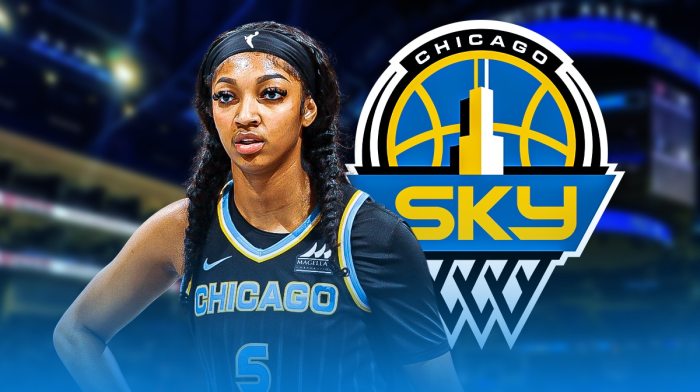
Hateful online comments directed at athletes, particularly in professional sports, are a pervasive issue. Understanding how other leagues and organizations address such negativity provides valuable insights into effective strategies for mitigating online harassment and fostering a more respectful and inclusive environment. A comparison of different approaches highlights the varying degrees of commitment and the effectiveness of diverse strategies.Examining comparable situations in other sports leagues reveals crucial patterns and offers opportunities to learn from successful and unsuccessful responses.
By studying how similar issues are handled across different sports, we can develop a more comprehensive understanding of the challenges and potential solutions in the WNBA context.
Examples of Other Sports Leagues Handling Similar Issues
Different sports leagues have employed various strategies to address hateful fan comments and online harassment. The NFL, for example, has implemented strict rules and penalties for hate speech, aiming to deter such behavior. This approach focuses on direct sanctions and emphasizes the seriousness of online abuse.
Successful Strategies Used to Address Hateful Fan Comments
Several successful strategies have emerged from other sports leagues. These strategies include community outreach programs, education initiatives, and the development of clear social media guidelines. These approaches emphasize prevention and awareness, attempting to address the root causes of hateful comments and promoting a culture of respect.
Importance of Consistent Policies Across Sports Organizations
Consistency in policies across sports organizations is crucial. Inconsistency can lead to confusion, a lack of accountability, and potentially exacerbate the issue. A unified approach from leagues regarding social media conduct and online harassment will help foster a consistent and predictable response to negative comments.
Different Responses to Similar Issues Across Various Sports Leagues
Responses to similar issues vary significantly across sports leagues. Some leagues prioritize swift penalties and sanctions, while others emphasize community engagement and education. The choice of approach depends on various factors, including the league’s culture, the specific nature of the issue, and the resources available.
Table Comparing Responses of Different Sports Leagues
| League | Response |
|---|---|
| NFL | Strict rules and penalties for hate speech, often involving suspension or fines for offenders. |
| MLB | Community outreach programs and education initiatives aimed at fostering respect and understanding among fans. |
| WNBA | (Needs more data. Current information regarding the WNBA’s response needs to be expanded upon.) |
Final Review
In conclusion, the WNBA’s inability to substantiate claims of hateful fan comments against Angel Reese highlights a critical need for improved mechanisms to address online harassment. This case underscores the importance of comprehensive support systems for athletes, clearer policies regarding fan conduct, and proactive measures to promote respectful fan engagement. Looking ahead, further dialogue and collaborative efforts between the league, athletes, fans, and social media platforms are necessary to cultivate a more positive and supportive environment for all involved in professional sports.