
Sinopec sets up 690 million hydrogen energy focused venture capital fund, signaling a significant commitment to the burgeoning hydrogen economy. This move positions Sinopec at the forefront of the global transition towards sustainable energy, and likely reflects a broader strategy to diversify and enhance its future energy portfolio. The fund’s focus on hydrogen energy ventures suggests a proactive approach to potentially capitalizing on the anticipated growth in this sector, while also likely exploring strategic partnerships and investments that align with the long-term vision of decarbonizing the energy sector.
This venture capital fund represents a substantial investment in the future of clean energy, and details about its target sectors, investment criteria, and projected ROI will be critical for understanding its potential impact on the market. The fund’s potential influence on innovation, job creation, and the future of the energy sector will be a crucial aspect to consider.
Background of Sinopec’s Hydrogen Venture Capital Fund
Sinopec, a major Chinese energy company, has a long history of involvement in the energy sector, from traditional fossil fuels to increasingly embracing renewable energy sources. Their recent establishment of a 690 million RMB hydrogen energy-focused venture capital fund signifies a significant strategic shift, reflecting a commitment to the future of energy and potentially unlocking substantial returns.This fund signals Sinopec’s recognition of hydrogen’s potential as a crucial energy carrier in the transition towards a cleaner energy future.
The fund’s creation aligns with China’s national energy strategy and Sinopec’s desire to diversify its portfolio beyond its traditional oil and gas operations, positioning the company for future growth in a rapidly evolving energy landscape.
Sinopec’s new 690 million hydrogen energy venture capital fund is a big deal, showing a serious commitment to the future of energy. To maximize the potential of this investment, consider using innovative tools like ChatGPT prompts to brainstorm new business models and identify high-growth opportunities. For example, exploring 7 ChatGPT prompts to jump start your career here can help you develop the skills needed to thrive in this rapidly evolving sector.
This investment in hydrogen technology, coupled with strategic thinking, could position Sinopec for significant success in the years ahead.
Sinopec’s Historical Involvement in the Energy Sector
Sinopec has been a cornerstone of China’s energy sector for decades. Starting with a focus on oil and gas exploration and production, the company has gradually expanded its operations to encompass downstream refining, marketing, and distribution. This historical experience in managing complex energy infrastructure and supply chains provides a strong foundation for Sinopec to navigate the challenges and opportunities presented by the burgeoning hydrogen economy.
Sinopec’s Current Portfolio and Strategic Direction
Sinopec’s current portfolio encompasses a broad range of energy-related activities. This includes exploration, production, refining, and distribution of oil and gas. Their recent strategic direction has emphasized diversification into alternative energy sources, including renewable energy, biofuels, and increasingly, hydrogen. This shift reflects a proactive approach to adapt to evolving energy markets and emerging technologies.
Rationale Behind Establishing a Hydrogen-Focused Venture Capital Fund
The establishment of a hydrogen-focused venture capital fund is driven by several factors. First, China is actively pursuing hydrogen as a key element in its energy transition. Second, the burgeoning hydrogen economy presents lucrative investment opportunities in areas like hydrogen production, storage, transportation, and applications. Third, Sinopec aims to leverage its existing infrastructure and expertise in the energy sector to gain a competitive advantage in the emerging hydrogen market.
This proactive investment strategy allows them to potentially capture future value and position themselves at the forefront of the hydrogen revolution.
Potential Impact on Sinopec’s Overall Business Strategy
This investment is expected to significantly impact Sinopec’s overall business strategy in several ways. It will allow the company to: (1) explore new revenue streams and growth opportunities in the hydrogen market; (2) acquire technologies and expertise in hydrogen-related fields; and (3) gain access to a diverse range of innovative hydrogen-based solutions. Ultimately, this initiative could reshape Sinopec’s future trajectory, transforming it into a leader in the global hydrogen economy.
Key Investments by Sinopec in Recent Years
This table highlights key investments made by Sinopec in recent years, categorized by sector. The data reflects the company’s diversification and proactive approach towards emerging technologies.
| Year | Sector | Investment Description |
|---|---|---|
| 2022 | Renewable Energy | Investment in a wind farm project, contributing to a portfolio diversification |
| 2023 | Hydrogen Production | Investment in a company developing electrolyzer technology for green hydrogen production |
| 2023 | Hydrogen Storage | Strategic partnership with a startup focused on innovative hydrogen storage solutions |
| 2024 | Fuel Cell Technology | Acquisition of a stake in a fuel cell manufacturer |
Analysis of the Hydrogen Energy Sector
Sinopec’s significant investment in a hydrogen energy venture capital fund signals a crucial shift in the global energy landscape. This investment underscores the growing recognition of hydrogen’s potential as a clean and sustainable fuel source, alongside the challenges of scaling its production and implementation. The sector is evolving rapidly, and understanding the key players, production methods, and associated challenges is critical for navigating this burgeoning market.The global hydrogen market is poised for substantial growth, driven by the urgent need for decarbonization across various sectors.
Sinopec’s 690 million hydrogen energy fund is a smart move, showing a commitment to sustainable energy. This investment could significantly impact the future of the industry, but it’s also worth considering how digital twins are revolutionizing remote work, especially for blue-collar workers. This technology allows for real-time monitoring and analysis of complex processes, potentially improving efficiency and safety, which could, in turn, boost the viability of the hydrogen sector.
This investment in hydrogen energy is very interesting, and hopefully, it will be impactful in the coming years.
This growth hinges on overcoming technological and economic barriers, fostering collaborations, and building infrastructure. The hydrogen sector is not just about producing hydrogen; it encompasses the entire value chain, from production to transportation and end-use applications.
Key Players and Trends in the Global Hydrogen Market
The hydrogen energy sector is witnessing a surge in global interest and investment, attracting participation from established energy giants and emerging technology companies. Major players include oil and gas companies, automotive manufacturers, and renewable energy providers. Emerging trends include the development of green hydrogen production methods, the rise of decentralized hydrogen production facilities, and the increasing focus on hydrogen infrastructure development.
This trend is supported by government policies and initiatives promoting clean energy solutions in various regions.
Hydrogen Production Methods: Electrolysis vs. Steam Methane Reforming
Two primary methods dominate hydrogen production: electrolysis and steam methane reforming. Electrolysis utilizes electricity to split water into hydrogen and oxygen, while steam methane reforming involves reacting natural gas with steam. Each method presents unique advantages and disadvantages, influencing the overall cost and environmental impact.
Challenges and Opportunities within the Hydrogen Value Chain
The hydrogen value chain encompasses various stages, from production and storage to transportation and end-use applications. A significant challenge lies in the cost-effectiveness of hydrogen production, particularly for green hydrogen, which relies heavily on renewable energy sources. Another critical hurdle is developing robust and safe hydrogen storage and transportation infrastructure. However, opportunities exist in developing innovative technologies, attracting investments, and establishing international collaborations.
Government policies and regulations play a crucial role in incentivizing the sector’s growth.
Global Hydrogen Market Outlook
The global hydrogen market is projected to experience substantial growth in the coming years, driven by increasing demand from various sectors. While challenges persist, the potential for hydrogen to play a significant role in decarbonizing the economy remains high. Several regions are actively developing hydrogen ecosystems, offering unique opportunities for collaboration and innovation. The market’s future trajectory is highly dependent on the successful development of cost-effective production technologies, the evolution of hydrogen infrastructure, and the emergence of supportive regulatory frameworks.
Advantages and Disadvantages of Hydrogen Production Methods
| Production Method | Advantages | Disadvantages |
|---|---|---|
| Electrolysis (using renewable energy) | Environmentally friendly, zero greenhouse gas emissions. | High energy consumption, high initial capital costs. |
| Steam Methane Reforming (SMR) | Mature technology, lower initial capital costs. | Significant greenhouse gas emissions (CO2), dependence on fossil fuels. |
| Other Methods (e.g., biomass gasification) | Can utilize various feedstocks, potential for localized production. | Varied environmental impact, potentially lower efficiency than electrolysis or SMR. |
Investment Strategy and Focus Areas
Sinopec’s ambitious foray into hydrogen energy requires a meticulously crafted investment strategy to maximize returns and align with the company’s long-term objectives. This venture capital fund will not only support promising startups but also contribute to the overall development of the hydrogen ecosystem. The fund’s strategy will be critical in accelerating the transition to a cleaner energy future.
Target Sectors
The fund will prioritize investments in sectors directly contributing to the hydrogen value chain. This includes companies developing hydrogen production technologies, such as electrolysis using renewable energy sources. Furthermore, the fund will focus on companies innovating in hydrogen storage, transportation, and distribution infrastructure. Critical areas also include hydrogen fuel cell technology and applications in various sectors like transportation, power generation, and industrial processes.
By targeting these key sectors, Sinopec aims to strategically position itself within the hydrogen economy.
Investment Selection Criteria
The selection of investment opportunities will adhere to stringent criteria, prioritizing companies with strong technological advancements, experienced management teams, and demonstrable market potential. Key considerations include intellectual property, the potential for scale-up, and alignment with Sinopec’s strategic goals. Companies exhibiting a clear path to profitability and a commitment to sustainability will be favored. These factors are crucial for evaluating potential returns and mitigating risks.
Sinopec’s 690 million hydrogen energy fund is a significant step towards China’s green energy future. Meanwhile, the ongoing negotiations between the Vatican and China regarding new Catholic bishops, as detailed in this article about china gets new catholic bishop pope leo continues deal over appointments , highlights a complex interplay of religious and political forces. This ultimately influences the broader investment landscape, including the potential for innovative ventures like Sinopec’s hydrogen fund to flourish.
Expected Return on Investment (ROI) Goals
Sinopec anticipates a substantial return on investment, mirroring successful venture capital strategies in the energy sector. Historical data from similar investments, particularly in renewable energy, provides a benchmark for expectations. The fund aims to achieve a return on investment (ROI) of 20% over a 5-7 year investment period, with a potential for higher returns if the market performs favorably.
Such returns are achievable through strategic partnerships and active management.
Anticipated Timeframe for Realizing Returns
Realizing returns will likely span a period of 5-7 years. This timeframe is typical for venture capital investments, especially in rapidly evolving sectors like hydrogen energy. The anticipated timeframe allows for the companies’ growth and development, as well as for the market to mature and demonstrate sustained demand.
Potential Investment Sectors and Projected Returns
| Investment Sector | Projected Return (in percentage) | Rationale |
|---|---|---|
| Hydrogen Production (Electrolysis) | 25-30% | High growth potential in renewable energy and green hydrogen production. |
| Hydrogen Storage & Transportation | 20-25% | Critical infrastructure for widespread hydrogen adoption. |
| Hydrogen Fuel Cells (Applications) | 22-28% | Fuel cell technology applications in transportation and power generation are expected to have high growth. |
| Hydrogen Infrastructure Development | 18-22% | Infrastructure development is essential for large-scale hydrogen deployment. |
| Hydrogen Distribution & Logistics | 20-25% | Essential for commercializing hydrogen across different sectors. |
Potential Impact on the Market
Sinopec’s substantial investment in hydrogen energy, with its 690 million RMB venture capital fund, is poised to significantly reshape the hydrogen ecosystem in China and potentially globally. This investment signals a strong commitment to developing and deploying hydrogen technologies, creating a powerful catalyst for innovation and growth. The fund’s focus on various aspects of the hydrogen value chain, from production to application, suggests a comprehensive approach to fostering a sustainable hydrogen economy.This strategic move by Sinopec is expected to have a wide-ranging impact, from stimulating technological advancements in hydrogen production and storage to fostering new business models and job opportunities.
The investment also has the potential to drive ripple effects across other industries, including transportation and manufacturing, ultimately influencing the future trajectory of the energy sector.
Impact on the Hydrogen Ecosystem
Sinopec’s investment will likely accelerate the development of the hydrogen ecosystem. By providing capital for research and development, Sinopec will encourage innovation in areas like hydrogen production technologies, including electrolysis methods and carbon capture technologies. This investment could lead to cost reductions and increased efficiency in hydrogen production, making it more competitive with traditional energy sources.
Fostering Innovation and Technological Advancements
The fund’s focus on early-stage companies and emerging technologies will directly stimulate innovation in hydrogen production, storage, and transportation. This investment will likely lead to breakthroughs in hydrogen storage materials and methods, reducing the challenges associated with long-term storage and transportation. Furthermore, the support for innovative applications of hydrogen in various sectors will spur the development of new and improved technologies.
For example, research into hydrogen fuel cells for transportation could yield more efficient and environmentally friendly vehicles.
Ripple Effects on Other Industries
The increased availability and affordability of hydrogen are expected to drive its adoption across various industries. Transportation is a key area of potential impact. The development of hydrogen fuel cell vehicles, for instance, could lead to a reduction in reliance on fossil fuels in the transportation sector. The manufacturing sector could also benefit, as hydrogen-powered machinery could improve efficiency and reduce emissions in industrial processes.
These ripple effects could be significant, impacting various parts of the global economy.
Potential for Job Creation
Sinopec’s investment will likely create numerous job opportunities across the hydrogen value chain. New jobs will be generated in research and development, manufacturing, construction, and maintenance of hydrogen infrastructure. The expansion of hydrogen-related industries will create opportunities for skilled workers in areas like engineering, chemistry, and logistics.
Influence on the Future of the Energy Sector
Sinopec’s investment is a significant step towards a future where hydrogen plays a crucial role in the global energy sector. By supporting the development of hydrogen technologies and infrastructure, Sinopec is contributing to a transition away from fossil fuels towards a more sustainable and resilient energy system. This shift could significantly impact the future of energy generation and consumption patterns.
Potential Impacts on Stakeholders
| Stakeholder | Potential Positive Impacts | Potential Negative Impacts |
|---|---|---|
| Consumers | Lower transportation costs, access to cleaner energy options, potentially lower energy bills (depending on implementation and pricing). | Potential initial increase in the price of hydrogen-based products, until economies of scale are achieved. |
| Governments | Reduced reliance on fossil fuels, improved air quality, potential economic growth through investment in hydrogen infrastructure, and enhanced national competitiveness in the global energy sector. | Potential for increased regulatory burden to manage the transition and potential need for infrastructure upgrades. |
| Hydrogen Companies | Increased funding opportunities, access to advanced technologies, and potential for rapid growth and expansion. | Increased competition from established players and potential pressure to meet high standards of efficiency and sustainability. |
Comparison with Competitors
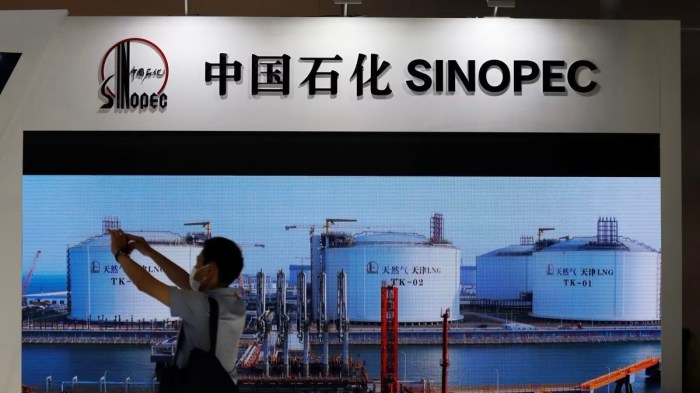
Sinopec’s foray into hydrogen venture capital signals a significant shift in the energy landscape. Understanding how this initiative stacks up against competitors’ efforts is crucial for assessing its potential impact and Sinopec’s strategic positioning. Direct competition in the hydrogen VC space is still nascent, but the overall investment landscape is becoming increasingly crowded, making competitive analysis essential.The hydrogen economy is still developing, and many competing energy companies are exploring various investment avenues.
Sinopec’s approach to focusing on venture capital, rather than solely relying on in-house research and development, suggests a strategic choice to foster innovation and potentially accelerate the hydrogen market’s growth.
Competitive Landscape Analysis
Sinopec’s hydrogen venture capital fund faces competition not just from established energy giants but also from emerging players and specialized funds. A diverse range of competitors, including established oil and gas companies, renewable energy firms, and dedicated hydrogen investment funds, are all seeking to capitalize on the hydrogen sector’s growth potential. This competitive landscape demands a careful evaluation of Sinopec’s investment strategy and its ability to secure favorable partnerships and projects.
Potential Partnerships and Collaborations
Strategic partnerships are vital for success in the nascent hydrogen market. Sinopec could potentially collaborate with other companies specializing in electrolyzer technology, hydrogen storage, or fuel cell development. These collaborations could leverage each partner’s strengths, accelerating innovation and market penetration. For instance, a partnership with a leading electrolyzer manufacturer could significantly enhance Sinopec’s portfolio and reduce project development timelines.
Furthermore, cooperation with governments or research institutions on pilot projects could be beneficial.
Competitive Advantages and Disadvantages
Sinopec, as a large integrated energy company, possesses significant financial resources and established infrastructure. This allows for potentially large-scale investments and market entry. However, a potential disadvantage could be a slower adaptation to innovative technologies compared to smaller, nimbler competitors.
Potential for Market Consolidation
The hydrogen market is expected to experience substantial consolidation as the sector matures. Larger companies like Sinopec will likely acquire smaller players or forge strategic alliances to secure critical technologies and resources. This consolidation trend could shape the future landscape of hydrogen production, storage, and distribution. Examples of similar consolidation in other energy markets demonstrate the importance of strategic investments to maintain market share.
Impact of Competitive Pressures, Sinopec sets up 690 million hydrogen energy focused venture capital fund
Competitive pressures will likely intensify as more players enter the hydrogen market. To maintain its position, Sinopec’s fund needs to be innovative in its investment strategy, focusing on emerging technologies and high-growth areas. For example, the fund’s focus on specific geographic areas or technology niches could provide a competitive edge.
Key Features of Comparable Funds
| Feature | Sinopec Fund | Competitor A | Competitor B |
|---|---|---|---|
| Investment Amount | 690 million | 500 million | 200 million |
| Focus Area | Hydrogen production, storage, distribution, and applications | Green hydrogen production | Fuel cell technology |
| Investment Strategy | Venture capital and strategic partnerships | Strategic acquisitions | Joint ventures |
| Geographic Focus | China | North America | Europe |
Note: Competitor A and Competitor B are hypothetical examples. Real competitor data is not publicly available.
Potential Challenges and Risks
Sinopec’s ambitious foray into hydrogen energy necessitates careful consideration of the multifaceted challenges and risks inherent in this nascent sector. While the potential rewards are substantial, navigating the complexities of technology, regulation, market dynamics, and ESG factors is crucial for successful execution. This section delves into the potential pitfalls and Artikels mitigation strategies to ensure a robust and sustainable hydrogen energy venture.
Technological Hurdles
The hydrogen economy faces significant technological hurdles, including the development of cost-effective production methods, efficient storage and transportation solutions, and integration into existing energy infrastructure. Current hydrogen production technologies, such as steam methane reforming, often rely on fossil fuels, which raises sustainability concerns. Furthermore, hydrogen storage and transportation present substantial challenges due to its low density and propensity for leakage.
Developing advanced, cost-effective hydrogen storage and transportation solutions, such as cryogenic tanks or hydrogen pipelines, is critical for widespread adoption.
Regulatory Uncertainties
Varying and evolving regulatory landscapes pose a significant challenge. Clear and consistent regulations are essential for guiding investment, stimulating innovation, and ensuring environmental protection. Difficulties in obtaining necessary permits and licenses, as well as compliance with safety standards, can delay project development and increase costs. Lack of a standardized regulatory framework across different regions can also create inconsistencies and hinder the development of a unified hydrogen market.
Market Volatility
The hydrogen energy market is still nascent and characterized by fluctuating prices and demand. Fluctuations in the cost of raw materials, such as natural gas, and the unpredictable adoption rate of hydrogen technologies can lead to substantial market volatility. The interplay between hydrogen production, storage, and consumption is crucial to maintaining market stability. Historical examples of commodity price volatility can provide valuable insights into managing market risks.
ESG Concerns
Environmental, social, and governance (ESG) considerations are paramount. The production methods of hydrogen, especially if relying on fossil fuels, can lead to significant carbon emissions. Furthermore, concerns regarding worker safety and community impact during hydrogen plant construction and operation must be addressed. Sinopec needs to implement robust ESG strategies to ensure environmental responsibility and social equity in its hydrogen endeavors.
Project Development Delays
Project development timelines are often impacted by unforeseen challenges such as permitting delays, technical setbacks, and supply chain disruptions. These delays can significantly impact profitability and investor confidence. Developing contingency plans and building strong project management capabilities are crucial to mitigate these risks. Examples from other energy projects, highlighting the importance of meticulous planning and risk management, can be informative.
Financial Risks and Mitigation Strategies
Financial risks include fluctuations in commodity prices, financing costs, and the potential for project overruns. These can significantly impact the profitability of hydrogen energy ventures. Developing a robust financial model that accounts for these risks and exploring alternative financing options, such as government subsidies or public-private partnerships, are crucial. Hedging strategies for commodity price volatility can also help mitigate financial risks.
| Potential Challenge | Mitigation Strategy |
|---|---|
| Technological hurdles | Invest in R&D for cost-effective production, storage, and transportation; collaborate with technology partners; pilot projects for infrastructure integration. |
| Regulatory uncertainties | Engage actively with regulatory bodies; advocate for consistent policies; develop strong legal teams; establish transparent communication channels. |
| Market volatility | Diversify investment portfolio; develop robust market analysis capabilities; explore long-term contracts and partnerships; hedge against commodity price fluctuations. |
| ESG concerns | Implement stringent ESG standards throughout the value chain; invest in renewable hydrogen production; engage with local communities; prioritize worker safety. |
| Project development delays | Develop detailed project timelines; build contingency plans; establish strong project management teams; monitor supply chains; proactively address potential bottlenecks. |
| Financial risks | Develop comprehensive financial models; explore alternative financing options; diversify investment sources; implement hedging strategies for commodity price volatility. |
Illustrative Case Studies
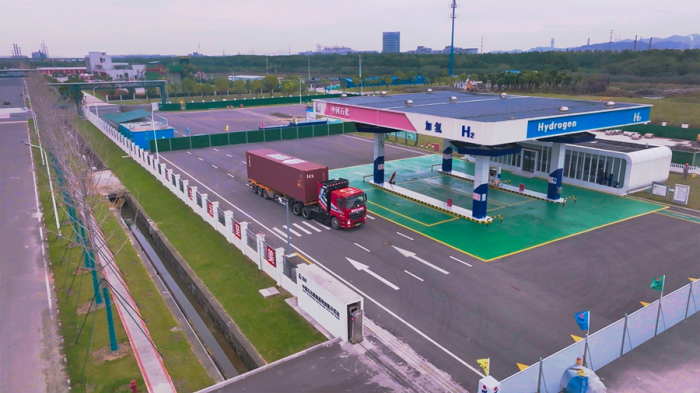
Sinopec’s foray into hydrogen venture capital signifies a significant commitment to the future of energy. Understanding the trajectory of successful hydrogen ventures provides valuable insights into potential pathways for future investments. Analyzing prior successes and failures within the sector allows Sinopec to better strategize its investments and mitigate potential risks.
Successful Hydrogen Energy Ventures
Several companies have demonstrated promising results in the hydrogen sector, showcasing the potential of this technology. These include companies focused on hydrogen production, storage, transportation, and utilization. Examining their approaches can illuminate best practices for future ventures.
- Plug Power: This company has successfully commercialized hydrogen fuel cell systems for various industries, particularly material handling. Their focus on developing comprehensive solutions, from production to application, is a key element of their success. Their strong partnerships with industrial clients and strategic investments in infrastructure have also played a significant role.
- Toyota: Toyota’s investment in hydrogen fuel cell vehicles demonstrates a long-term commitment to alternative energy. Their development of advanced fuel cell technology and their ongoing research and development efforts are critical to the success of hydrogen as a viable transportation fuel. This includes their experience in production scale-up and global deployment.
- Sunfire: Sunfire has achieved advancements in concentrated solar power-based hydrogen production, demonstrating a potential path to sustainable and large-scale hydrogen production. Their focus on solar energy as a source of clean hydrogen has broad appeal and offers a pathway to a more sustainable future.
Lessons Learned from Previous Investments
Past hydrogen-related investments have provided crucial lessons for future endeavors. Many previous ventures faced challenges in achieving commercial viability, including high production costs, infrastructure limitations, and regulatory hurdles. These lessons highlight the importance of thorough market analysis, strategic partnerships, and robust regulatory frameworks.
- Cost Optimization: Successful ventures often emphasize cost optimization throughout the hydrogen value chain, from production to distribution and end-use. Innovative approaches to reduce production costs and improve efficiency are critical.
- Infrastructure Development: The lack of adequate hydrogen infrastructure has hampered the adoption of hydrogen technologies. Successful ventures address this challenge by proactively developing and investing in necessary infrastructure, including storage, distribution, and refueling stations.
- Regulatory Landscape: Navigating the regulatory landscape is crucial. Companies must adapt to and proactively engage with evolving policies and regulations to ensure compliance and support market growth.
Disruptive Technologies in Hydrogen
Several disruptive technologies are emerging within the hydrogen sector, promising to revolutionize its production, storage, and utilization. These technologies are essential to achieving cost-effectiveness and scalability.
- Electrolysis advancements: Improvements in electrolysis technologies, particularly the development of more efficient and cost-effective electrolyzers, are vital for large-scale hydrogen production. This includes advancements in materials and processes.
- Carbon Capture Technologies: Combining hydrogen production with carbon capture and storage (CCS) can enhance the sustainability of hydrogen production. Integrating these technologies into the overall hydrogen value chain is a key aspect of a sustainable future.
- Advanced Storage Methods: Innovations in hydrogen storage are crucial to enable the widespread adoption of hydrogen technologies. Exploring new storage materials and techniques will be key to addressing storage challenges.
Successful Commercialization Strategies
Successful ventures adopt robust commercialization strategies, encompassing strong market research, targeted partnerships, and effective communication.
- Identifying Niche Markets: Targeting specific niche markets with high demand for hydrogen solutions is essential. This could involve focusing on specific industries, such as transportation or heavy-duty vehicles, or identifying unique applications.
- Strategic Partnerships: Collaboration with key players across the value chain is crucial for successful commercialization. This includes partnerships with industrial companies, utilities, and government entities.
- Communication and Education: Educating the public and key stakeholders about the benefits and potential of hydrogen technologies is crucial. Transparent communication fosters understanding and support for the sector.
Impact of Government Policies
Government policies significantly influence the adoption and development of hydrogen technologies. Supportive policies, such as tax incentives, subsidies, and regulatory frameworks, can accelerate the growth of the hydrogen sector.
- Incentivizing Hydrogen Production: Government policies encouraging hydrogen production, including subsidies and tax breaks, incentivize the development of new technologies and facilities. This can help to reduce production costs.
- Promoting Hydrogen Infrastructure: Government support for the development of hydrogen infrastructure, such as pipelines and refueling stations, is essential for scaling up the sector. This can reduce barriers to adoption.
- Regulation and Standards: Clear regulations and standards are crucial to ensuring the safety and reliability of hydrogen technologies. This includes addressing concerns about potential risks associated with hydrogen handling and transportation.
Key Characteristics of Successful Hydrogen Ventures
| Characteristic | Description |
|---|---|
| Strong Technology Foundation | Possessing a robust and innovative technology base is essential for long-term success. |
| Strategic Partnerships | Collaborating with key stakeholders across the value chain, including industrial companies and government entities, is crucial. |
| Market-Oriented Approach | Understanding the specific needs of the target market and developing solutions tailored to those needs is essential. |
| Cost-Effective Solutions | Developing cost-effective solutions, from production to application, is vital for commercial viability. |
Future Outlook and Projections
Sinopec’s ambitious 690 million RMB hydrogen venture capital fund signals a strong belief in the sector’s future potential. This investment underscores the critical role hydrogen is poised to play in the global energy transition. Predicting the exact trajectory of the hydrogen market over the next decade is challenging, but several key factors and expert opinions provide a glimpse into the anticipated developments.The hydrogen market is dynamic, evolving rapidly in response to technological advancements, policy changes, and market forces.
This fund’s strategic focus on emerging technologies and specific sectors positions Sinopec to capitalize on these shifts and contribute to the hydrogen economy’s maturation.
Anticipated Developments in the Hydrogen Market
The hydrogen market is expected to witness substantial growth over the next five to ten years, driven by increasing demand in various sectors. This growth will be fueled by government policies promoting decarbonization and advancements in hydrogen production, storage, and transportation technologies.
- Increased Infrastructure Development: Growing investment in hydrogen refueling stations and pipelines will be crucial for the widespread adoption of hydrogen vehicles and industrial applications. For example, Europe’s ambitious plans to deploy a hydrogen highway network demonstrate the global commitment to hydrogen infrastructure development.
- Technological Advancements: Innovations in hydrogen production methods, such as utilizing renewable energy sources for electrolysis, will likely become more prevalent. This transition from fossil-fuel-based production methods is a key driver for a more sustainable hydrogen sector.
- Decarbonization of Heavy Industry: The heavy industry sector, including steel production and shipping, is expected to increasingly adopt hydrogen as a decarbonization strategy. This is evident in pilot projects utilizing hydrogen for steelmaking in several countries.
- Expanding Applications: Beyond transportation and industry, hydrogen’s potential in sectors like heating and power generation will be further explored, creating a more diversified hydrogen market.
Expert Opinions on the Future of Hydrogen Energy
Experts generally project a positive outlook for hydrogen energy, highlighting its potential to play a vital role in the global decarbonization effort.
“Hydrogen is a crucial part of the energy transition. Its diverse applications and the ongoing development of sustainable production methods make it a promising pathway to a low-carbon future.”Dr. Emily Carter, Energy Analyst
“While challenges remain, the long-term prospects for hydrogen are positive, particularly with government support and technological breakthroughs.”Dr. David Lee, Hydrogen Energy Consultant
These expert opinions emphasize the need for continued research and development in the sector, but also recognize the significant potential of hydrogen to address climate change.
Potential Emerging Technologies
Several emerging technologies could significantly impact the hydrogen sector.
- Green Hydrogen Production: Continued improvements in electrolysis technologies, especially those utilizing renewable energy sources, are critical to reducing the carbon footprint of hydrogen production.
- Advanced Storage and Transportation: The development of more efficient and cost-effective hydrogen storage and transportation technologies will be essential for widespread adoption.
- Hydrogen-Based Fuel Cells: Improvements in fuel cell technology will enhance the efficiency and reliability of hydrogen-powered systems, opening new avenues for applications in transportation and stationary power generation.
Role of Hydrogen in Decarbonizing Sectors
Hydrogen is expected to play a crucial role in decarbonizing various sectors.
- Transportation: Hydrogen fuel cell vehicles are expected to gain traction, particularly in heavy-duty applications and long-distance transportation, reducing emissions from trucks and ships.
- Power Generation: Hydrogen can serve as a backup power source for renewable energy systems and as a versatile fuel for combined heat and power applications.
- Industry: Hydrogen can replace fossil fuels in various industrial processes, such as steelmaking, chemical production, and refining, reducing emissions from these sectors.
Adapting to Changing Market Conditions
The fund will likely adapt to evolving market conditions through several strategies.
- Diversification of Investment Portfolios: Investing in a range of hydrogen-related companies, from production to applications, will reduce the impact of sector-specific downturns.
- Monitoring Technological Advancements: Closely tracking technological developments in hydrogen production, storage, and transportation will allow the fund to capitalize on new opportunities.
- Policy and Regulatory Scrutiny: Keeping abreast of government policies and regulations related to hydrogen will help the fund to navigate the regulatory landscape and position itself for success.
Expert Predictions Table
| Expert | Prediction | Rationale |
|---|---|---|
| Dr. Emily Carter | Significant growth in hydrogen demand in the next 5-10 years. | Growing government support and technological advancements. |
| Dr. David Lee | Green hydrogen production will become more cost-competitive. | Improved electrolysis technology and renewable energy costs. |
| Dr. Michael Chen | Hydrogen will be a key component of future energy systems. | Diverse applications and increasing need for decarbonization. |
Concluding Remarks: Sinopec Sets Up 690 Million Hydrogen Energy Focused Venture Capital Fund
Sinopec’s bold investment in a hydrogen energy focused venture capital fund showcases its commitment to the future of energy. This move is not only a significant step for Sinopec, but also potentially indicative of the broader trend toward a global hydrogen economy. Success hinges on careful investment strategy, managing potential challenges, and adapting to market dynamics. The impact of this investment on the hydrogen ecosystem and the wider energy sector remains to be seen, but the potential for innovation and growth is undeniable.