
China Gets New Catholic Bishop Pope Leo Continues Deal Over Appointments
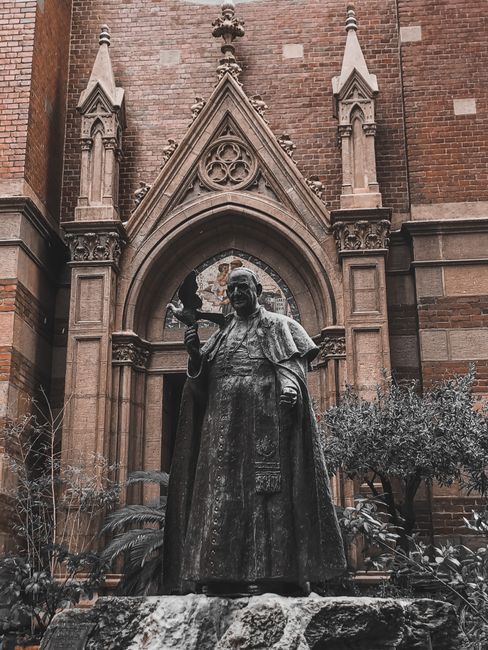
China Appoints New Catholic Bishop Amidst Ongoing Vatican Deal
The Holy See’s agreement with Beijing regarding the appointment of bishops in China has once again taken center stage with the recent consecration of a new bishop in the Chinese Catholic Patriotic Association (CCPA). This development, while ostensibly a procedural matter within the framework of the Sino-Vatican Provisional Agreement, underscores the delicate and complex nature of the relationship between the Vatican and the People’s Republic of China, particularly concerning the leadership of the Catholic Church on the mainland. Pope Francis, as the ultimate arbiter of Catholic doctrine and governance, continues to navigate this intricate diplomatic landscape, seeking to balance the spiritual needs of Chinese Catholics with the political realities imposed by the Chinese government. The appointment process, a focal point of the 2018 Provisional Agreement, aims to integrate the state-sanctioned church with the underground Catholic community, fostering a semblance of unity under the purview of both Beijing and Rome. However, the specifics of this agreement and its ongoing implementation remain a subject of intense scrutiny and debate, both within the Catholic hierarchy and among international observers concerned with religious freedom in China.
The Provisional Agreement, initially hailed by some as a pragmatic step towards reconciliation, grants the Chinese government a role in the selection of bishops, a concession that has drawn criticism from hardline elements within the Church who view it as an unacceptable compromise of papal authority. The Vatican’s justification for this arrangement rests on the principle of episcopal collegiality and the belief that by engaging with the Chinese authorities, the Pope can ultimately exert a positive influence on the appointment process, ensuring that those chosen are spiritually sound and loyal to the Catholic faith. The process, as outlined by the agreement, typically involves a period of consultation and nomination, followed by a vetting process by the Chinese government. Ultimately, the final appointment requires the approval of both the Pope and the Chinese authorities. This dual approval mechanism is intended to ensure that bishops are acceptable to both the spiritual head of the Catholic Church and the political leadership of China. The consecration of the new bishop represents a tangible outcome of this ongoing dialogue, showcasing the continued, albeit often tacit, cooperation between the Vatican and Beijing on this sensitive issue.
The appointment of a new bishop in China is not merely a local ecclesiastical event; it is a potent symbol of the broader geopolitical considerations at play. For Pope Francis, the continued existence and flourishing of the Catholic Church in China, a nation with the world’s largest population and a growing global influence, is a paramount concern. The Pope’s approach is rooted in a pastoral strategy that prioritizes dialogue and engagement over confrontation. He has consistently emphasized the importance of reaching out to all people, including those in challenging political environments, with the message of the Gospel. The Provisional Agreement, therefore, can be seen as an instrument of this pastoral outreach, designed to facilitate the work of bishops and priests within China, even if it entails navigating a complex web of government regulations and expectations. The consecration of a new bishop, in this context, signifies a continuation of this strategy, a testament to the Pope’s commitment to fostering the Catholic faith within the unique circumstances of China.
The specific details surrounding the latest bishop’s appointment, while not always made public by the Vatican or Chinese authorities due to the sensitive nature of the agreement, are indicative of the established protocols. The process likely involved the nomination of candidates by local Catholic communities, followed by deliberations within the CCPA. These nominations would then be forwarded to the relevant governmental bodies for approval, before ultimately being presented to the Vatican for papal confirmation. The consecration ceremony itself, performed by other bishops, marks the formal installation of the new shepherd for his flock. Each such appointment is a delicate balancing act, requiring careful consideration of the individual’s pastoral qualifications, their perceived compatibility with government expectations, and the ultimate desire of the Holy See to ensure the spiritual integrity of the Church in China. The fact that this process is continuing, even with the inherent challenges and controversies, suggests a mutual, albeit complex, understanding between the Vatican and Beijing to keep the channels of communication open regarding episcopal appointments.
The Provisional Agreement, first signed in 2018 and renewed in 2020, has been the bedrock of the Vatican’s engagement with the Chinese government on the issue of bishop appointments. While the full text of the agreement remains confidential, its core tenets are understood to involve a degree of shared authority in the selection and installation of bishops. This has been a departure from the historical reality where China’s officially recognized Catholic Church operated under the direct control of the CCPA, often independent of papal authority, while a clandestine "underground" church remained loyal to Rome, often facing persecution. The Provisional Agreement seeks to bridge this divide, aiming to bring as many Catholics as possible under unified governance, even if that governance involves a degree of state oversight. The renewal of the agreement, a significant development in itself, signals a continued willingness on both sides to maintain this delicate equilibrium.
The implications of each new bishop appointment extend beyond the immediate diocese. They represent the Vatican’s ongoing efforts to nurture and guide the Catholic community in China, ensuring that leadership is in the hands of individuals who can effectively minister to their congregations while also navigating the often-challenging sociopolitical environment. For the faithful in China, the consecration of a new bishop provides a sense of continuity and reassurance, affirming their connection to the universal Church and its hierarchy. It signifies that the Holy See has not abandoned them and continues to work towards ensuring their spiritual well-being. The Pope’s steadfastness in this regard, even in the face of external pressures and internal dissent, highlights his unwavering commitment to the global Catholic mission.
However, it is crucial to acknowledge the persistent criticisms and concerns surrounding the Provisional Agreement and its implementation. Critics, particularly human rights advocates and some segments of the Catholic faithful, argue that the agreement legitimizes the Chinese government’s interference in religious affairs and potentially compromises the Church’s independence and prophetic voice. They point to instances of religious persecution and restrictions on religious freedom that continue to occur in China, despite the agreement. The Vatican’s response to these concerns often emphasizes a long-term vision, arguing that incremental progress and dialogue are more effective than outright confrontation. The Pope’s personal diplomacy, characterized by a pragmatic and pastoral approach, aims to foster a more conducive environment for religious freedom over time, rather than seeking immediate, dramatic changes.
The renewal of the Provisional Agreement, which occurred in late 2020, was met with mixed reactions. While the Vatican presented it as a necessary step to continue the process of reconciliation and improve the situation of Catholics in China, some expressed disappointment that it did not appear to lead to significant improvements in religious freedom. The ongoing appointment of bishops, therefore, serves as a continuous test case for the effectiveness and ethical implications of this agreement. Each new appointment is scrutinized for signs of genuine cooperation and respect for Church autonomy, or for evidence of undue government influence. The Vatican’s continued engagement with the appointment process suggests a belief that, despite the challenges, this is the most viable path forward for the Catholic Church in China.
The role of Pope Francis in this complex dynamic cannot be overstated. His personal conviction that dialogue and engagement are the most effective tools for fostering religious freedom and humanitarian progress in authoritarian contexts heavily shapes the Vatican’s China policy. He has consistently advocated for a pastoral approach that prioritizes the well-being of believers and seeks to build bridges rather than walls. The appointment of new bishops, while an ecclesiastical matter, is deeply intertwined with his overarching diplomatic strategy. His continued efforts to maintain the agreement and facilitate these appointments demonstrate his enduring hope for a future where the Catholic Church in China can thrive with both spiritual freedom and a measure of state recognition, however imperfect. The consecration of a new bishop is a concrete manifestation of this ongoing, often challenging, endeavor.
In conclusion, the recent consecration of a new Catholic bishop in China, occurring under the auspices of the Sino-Vatican Provisional Agreement, highlights the continued commitment of Pope Francis to navigating the complex relationship between the Holy See and the People’s Republic of China. This agreement, aimed at unifying the Catholic Church in China by facilitating the appointment of bishops with dual approval from both the Vatican and Beijing, remains a subject of intense scrutiny and debate. While proponents argue for its pragmatic approach to fostering the Church’s presence, critics voice concerns about the compromise of religious freedom. Nevertheless, the ongoing process of bishop appointments signifies a persistent dialogue and a strategic endeavor by the Vatican to ensure the spiritual guidance and continuity of the Catholic faithful in China, underscoring Pope Francis’s enduring commitment to a pastoral and diplomatic approach in challenging geopolitical landscapes.
