Oasis have reportedly sued an auction house over a planned sale of unheard and rare recordings

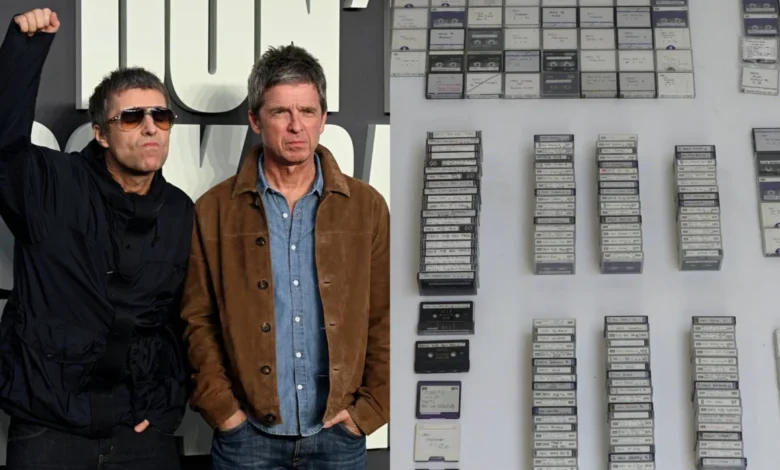
The legal battle over a significant cache of Oasis memorabilia has reached a critical juncture, with the band successfully securing an injunction to halt the sale of a collection of master recordings. The archive, which contains over 100 hours of rehearsal audio, raw soundcheck captures, and candid, unfiltered dialogue between brothers Noel and Liam Gallagher, was slated for auction on October 3. With a valuation between £1.2 million and £1.6 million, the collection—dubbed "The Desk Tapes"—has become the focal point of a high-stakes ownership dispute that pits the band’s intellectual property rights against the private possession of legacy memorabilia.
The Origins of The Desk Tapes
The collection was amassed by Huw Richards, a long-serving sound engineer for the band who provided technical support from the era of their 1994 debut album, Definitely Maybe, through 2001. During this period, Richards recorded these sessions directly from the sound desk, capturing the intimate, unpolished development of some of the biggest anthems in Britpop history.
Among the 63 individual concert recordings included in the lot is what experts believe to be the only existing master recording of the band’s legendary 1996 performance on the banks of Loch Lomond in Scotland. This specific concert remains a touchstone of the band’s mid-90s cultural dominance, making the recording an item of immense historical value for music archivists and collectors alike.
Chronology of the Dispute
The escalation from a private archive to a public auction house listing triggered an immediate response from the Gallagher brothers, who have long maintained a rigorous stance regarding the control of their professional output.
- 1994–2001: Huw Richards serves as the band’s sound engineer, recording live sets and rehearsals directly from the desk.
- Early 2024: The archive is prepared for consignment with Littleton Auctions, with a public listing established for an October 3, 2024, sale date.
- September 2024: Reports emerge that the Gallagher brothers are actively opposing the sale, citing ownership concerns.
- October 2024: Following an injunction filed by the band’s legal representatives, the auction house confirms the withdrawal of the tapes.
- Post-Injunction: Both parties agree to a legal pause, moving the dispute into a formal process of litigation or private arbitration.
Perspectives from the Parties Involved
The situation remains delicate, with both sides acknowledging the severity of the legal action. Ben Homer, managing director of Littleton Auctions, confirmed the withdrawal of the tapes in a statement that underscored the auction house’s disappointment. "Littleton Auctions confirms that the Oasis recordings known as The Desk Tapes have been withdrawn from our October 3 auction in light of legal proceedings," Homer stated. He emphasized that the auction house remains committed to respecting the legal process, noting that the remainder of the scheduled memorabilia sale—which includes setlists, tour itineraries, and signature stage gear like an Epiphone guitar—would proceed as planned.
Owain Richards, representing his father’s interests, acknowledged the conflict, confirming that the legal action has effectively frozen the sale. "It is true that Oasis have sued me and my father to try to prevent the auction of the tapes," Richards stated. "We have agreed to postpone the auction to enable the legal dispute to be resolved either by litigation or otherwise in an orderly way."
Representatives for the Gallagher brothers have maintained a policy of silence, declining to provide specific commentary on the ongoing legal proceedings. This silence is consistent with the band’s historical approach to managing their intellectual property, where legal protections are often handled behind closed doors.
Intellectual Property and Musical Legacy
The legal implications of this case are significant within the music industry. The question of whether a sound engineer retains the right to sell "desk tapes" made during their employment touches on complex aspects of copyright law and employment contracts. Generally, master recordings made during the course of professional duties are considered the property of the recording artist or their label. However, the grey area of "personal archival" items often creates friction between former crew members and the artists they once served.

Should this case reach a court ruling, it could set a precedent for how rare, non-commercial recordings are treated in the secondary market. For collectors, these tapes represent the "holy grail" of the Oasis discography, offering a glimpse into the creative chemistry of the brothers during their most productive decade. For the band, the primary concern is almost certainly the prevention of these recordings being leaked, bootlegged, or monetized by third parties without the band’s explicit oversight.
Contextualizing the Band’s Current Status
The timing of this legal clash is particularly noteworthy, occurring as Oasis navigates a massive, high-profile reunion. The "Live ’27" tour, announced in September 2024 following the success of their "Live ’25" dates, has become a global phenomenon. With all 42 scheduled dates—spanning iconic venues like Glasgow’s Celtic Park, Manchester’s Etihad Stadium, and Knebworth—selling out in record time, the band is currently experiencing a peak of public interest not seen since the 1990s.
The band’s renewed momentum is also supported by broader multimedia projects, including the upcoming Disney+ documentary, Oasis: Don’t Look Back In Anger. Scheduled for release on October 9, the documentary promises "exclusive unseen footage," suggesting that the band is currently in the process of curating their own historical narrative. This, in turn, makes the unauthorized sale of "The Desk Tapes" a strategic threat to the band’s carefully managed legacy.
Furthermore, Liam Gallagher’s recent suggestions that the band may return to the studio to record new material after the conclusion of their upcoming tour cycle indicate that the Oasis brand is shifting from a nostalgic entity to an active, forward-looking musical force. By preventing the auction of the desk tapes, the Gallaghers are protecting not just their past, but the integrity of their ongoing brand identity.
Broader Market Implications
While the specific tapes have been pulled, the wider memorabilia market continues to flourish. The fact that items such as an original Kangol Oasis tour parka and various internal tour documents are still being auctioned speaks to the enduring commercial value of the band’s history. However, the distinction between a piece of clothing and a master recording is vast. Recordings represent the core intellectual property of a musician, and their sale often triggers deeper contractual clauses regarding performance rights and distribution.
The resolution of this dispute will likely hinge on the specific terms of the agreements in place between Huw Richards and the band during the 1990s. If the band can prove that the recordings were made under a "work-for-hire" arrangement, or that they were strictly confidential professional records, the court is highly likely to favor the band’s request for permanent ownership.
As the industry watches this legal drama unfold, it serves as a stark reminder of the complexities inherent in the digital age. In an era where any recording can be digitized and shared globally in seconds, the protection of raw, behind-the-scenes audio is more critical than ever for major artists. The Oasis injunction acts as a clear signal that the band remains vigilant in guarding the sanctity of their work, ensuring that when their history is presented to the public, it is done on their terms.
For now, "The Desk Tapes" remain in legal limbo, a silent archive of a pivotal chapter in rock history, waiting for the courts to decide whether they belong in a private collection or within the band’s own curated vault. For the fans who have followed the band’s tumultuous and brilliant trajectory, this legal battle is merely the latest chapter in the long, storied, and often contentious life of Oasis.