Unlocking the Metabolic Potential of Mulberry: How Gut Microbiota Interactions Could Redefine Nutritional Science

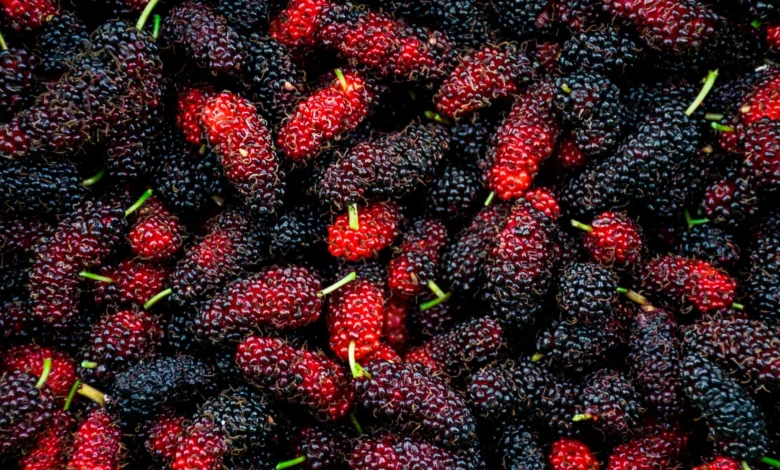
Mulberry has been a cornerstone of traditional medicine and culinary practice for centuries, yet modern science is only now beginning to decode the complex biochemical mechanisms that make this plant a potential game-changer for metabolic health. A comprehensive new review, spearheaded by researchers at Wroclaw Medical University, suggests that the secret to mulberry’s efficacy lies in its intricate interaction with the human gut microbiota. This study highlights a significant shift in nutritional research: moving away from viewing individual nutrients in isolation and toward understanding how specific plant-based compounds, when processed in precise ways, can fundamentally alter the bacterial landscape of the digestive tract to improve metabolic outcomes.
The research, which integrates perspectives from dietetics and pharmacy, underscores that the biological impact of mulberry is not a "one-size-fits-all" phenomenon. Instead, it is a variable equation defined by the species of the mulberry, the specific part of the plant utilized, and the sophisticated processing techniques employed to extract its bioactive components.
The Science of the Gut-Metabolic Axis
The human gut microbiota is no longer viewed merely as a passive participant in digestion; it is increasingly recognized as a metabolic organ in its own right. The bacteria residing in the gastrointestinal tract play a critical role in systemic health, influencing everything from insulin sensitivity to lipid regulation. Mulberry is of particular interest to researchers because it serves as a rich source of polyphenols and polysaccharides—compounds known to act as substrates for these gut microorganisms.
"The gut microbiota not only contributes to the functioning of the gastrointestinal tract but may also influence metabolism throughout the body," explains Dr. Anna Prescha, a professor at Wroclaw Medical University’s Department of Dietetics and Bromatology. "Mulberry is particularly interesting in this respect because it contains numerous bioactive compounds that may interact with gut microorganisms to modulate these systemic processes."
When these compounds are fermented by gut bacteria, they often yield short-chain fatty acids (SCFAs) such as acetate, propionate, and butyrate. These metabolites are essential for maintaining intestinal barrier integrity and suppressing inflammation, providing a plausible mechanism for how mulberry consumption might mitigate metabolic syndrome.
A Tale of Two Species: White vs. Black Mulberry
To understand the diversity of mulberry’s effects, one must distinguish between the most studied varieties: Morus alba (white mulberry) and Morus nigra (black mulberry). While clinical and experimental interest has traditionally centered on white mulberry, the black variety is gaining traction due to its distinct chemical profile.
The leaves of the white mulberry are prized for 1-deoxynojirimycin (DNJ), a potent iminosugar that has demonstrated an ability to inhibit alpha-glucosidase, thereby slowing the breakdown of carbohydrates and blunting the post-prandial glucose spike. In contrast, the fruit of the black mulberry is a powerhouse of anthocyanins—the pigments responsible for its deep color—which are highly effective antioxidants.
The structural variance in these compounds dictates how gut microbes utilize them. For instance, research has shown that polysaccharides extracted from black mulberry fruit via water extraction and enzymatic treatment with pectate lyase exhibit significantly higher prebiotic potential than those obtained through harsher, less refined methods. This suggests that the "bioavailability" of these compounds is not just about the plant itself, but about the "molecular architecture" preserved during the extraction process.
Chronology of an Interdisciplinary Inquiry
The current investigation into mulberry began as an academic initiative under the Nutri-Sfera Student Research Group at Wroclaw Medical University. The project was conceived by two students, Marta Miszczak (Dietetics) and Karolina Kłosowska-Buryło (Pharmacy), who sought to bridge the gap between nutritional science and pharmacology.
Their collaboration, which began in the late 2010s, served as a pilot for the current systemic review. By combining a nutritional focus on the consumption of fruit and leaves with a pharmaceutical focus on the chemical composition of plant extracts, the team was able to provide a holistic overview that few single-discipline studies have managed to replicate. This interdisciplinary approach allowed the researchers to identify that the most profound metabolic improvements in animal models occurred when complex combinations of polyphenols and polysaccharides were administered together, rather than in isolation.
Experimental Evidence and the "Synergy Effect"
Perhaps the most compelling findings from the research involve the synergy between different compounds within the mulberry plant. In mouse models fed a high-fat diet, those treated with a combined fraction of white mulberry polyphenols and polysaccharides showed superior markers of metabolic health compared to mice treated with either fraction alone.
Furthermore, the team conducted a microbiota transplantation experiment, a gold-standard technique for proving causality in microbiome studies. By transferring the gut bacteria from the "mulberry-treated" mice into other subjects, the researchers observed a corresponding improvement in metabolic disturbances in the recipient animals. This provided clear evidence that the mulberry preparations were not just coincidentally associated with health benefits; rather, they were actively reshaping the microbial ecology of the host to promote a more favorable metabolic profile.
Implications and the Path to Clinical Trials
Despite these promising results, the research team remains cautious. The primary limitation of current literature is the absence of human clinical trials. While animal models and in vitro studies provide a solid foundational framework, they cannot fully replicate the complexity of human dietary habits, genetic diversity, or the influence of the Western diet on the gut environment.
"The available findings are promising, but at this stage, they do not allow us to determine whether the relationships observed in experimental models between mulberry preparations, the microbiota, and metabolism also occur in humans," says Prof. Prescha.
The scientific community is now calling for standardized clinical trials that use well-characterized mulberry preparations. A major hurdle in previous studies has been the inconsistency of plant extracts; without rigorous chemical analysis, it is nearly impossible to determine exactly which ratio of polysaccharides to polyphenols is responsible for specific therapeutic effects.
Future Outlook: Beyond the "Superfood" Label
The implications of this research are vast. If specific, standardized mulberry extracts can be developed to target the gut microbiome, they could offer a non-pharmaceutical intervention for pre-diabetes, obesity, and other metabolic disorders. This moves the discussion of mulberry away from the nebulous category of "superfoods" and into the realm of precision nutrition.
Moving forward, the focus must be on three pillars:
- Standardization: Ensuring that commercial mulberry supplements are processed to retain the specific bioactive structures identified as effective.
- Clinical Validation: Launching human-centric trials that track changes in the microbiome composition alongside metabolic health markers.
- Synergistic Formulation: Exploring how mulberry can be paired with other dietary components to maximize its prebiotic and metabolic potential.
The journey of the Wroclaw Medical University team highlights the importance of asking fundamental questions about plant-based compounds. By viewing the mulberry not as a simple fruit or leaf, but as a complex biological package capable of interacting with the trillions of bacteria within us, scientists are opening a new frontier in metabolic health. While the path from laboratory to pharmacy shelf remains long, the evidence suggests that the answer to modern metabolic crises may have been growing in our gardens all along.