Family row breaks out over George Michael items up for auction including the Faith guitar

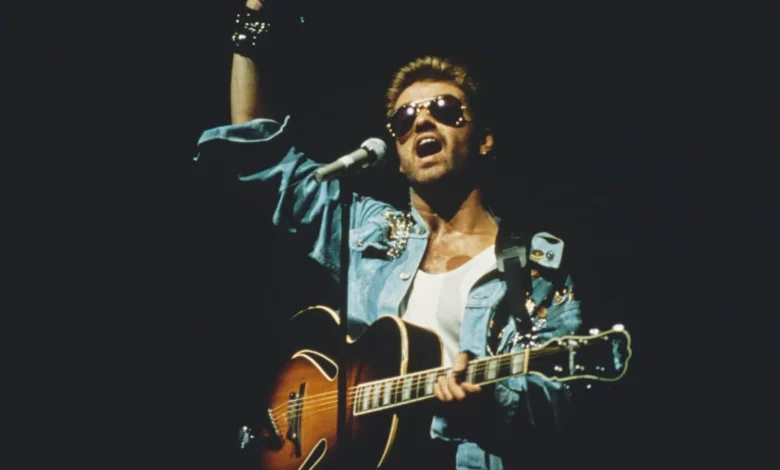
A high-profile auction of personal memorabilia belonging to the late pop icon George Michael has ignited a bitter legal and emotional dispute between his former personal assistant’s family and her estranged husband. The sale, held on October 29 at Sworders Fine Art Auctioneers, featured an array of historical artifacts from the singer’s career, most notably the iconic guitar featured in the 1987 "Faith" music video. The event, which should have served as a celebration of Michael’s cultural legacy, instead became the stage for a public confrontation regarding ownership, ethics, and the preservation of musical history.
The Provenance of the Collection
The items offered at auction originated from the private collection of Siobhan Bailey, who served as George Michael’s personal assistant for two decades, beginning in 1984. During her tenure, Bailey was a constant presence in the star’s inner circle, collecting various tokens of his meteoric rise to fame, including gold and platinum records, tour programs, and intimate correspondence.
The controversy stems from the circumstances surrounding Bailey’s death in 2014. Having died intestate—without a valid will—her estate, including the George Michael memorabilia, fell to her estranged husband, Ian Belcher. At the time of her passing, the couple was in the midst of divorce proceedings, but because their marriage had not been legally dissolved, Belcher was identified as the legal next of kin. This legal technicality transferred ownership of the items to a man whom Bailey’s family argues was not intended to be the custodian of such significant cultural assets.
Chronology of the Dispute
The tension between the Bailey family and Belcher reached a breaking point in the weeks leading up to the auction. Gerard Bailey, Siobhan’s brother, spearheaded a campaign to halt the sale, arguing that the items were deeply personal and that his sister would have been "horrified" to see her private collection commodified.
In a formal letter to Sworders, Gerard Bailey characterized the auction as a "breach of privacy" and a "misuse of my sister’s name," explicitly requesting that her name be removed from the promotional materials and replaced with that of her husband. He maintained that, had his sister been given the opportunity to formalize her affairs before her unexpected death, she would have bequeathed the collection to her nieces and nephews, ensuring the items remained within the family rather than being sold to the highest bidder.
Despite these efforts, the auction proceeded as scheduled. Sworders auctioneer Guy Schooling offered a practical justification for the sale, suggesting that the items could not remain in storage indefinitely. According to Schooling, the memorabilia risked physical deterioration if left in a garage, and the decision to auction them was presented as a form of preservation through circulation, allowing the items to reach collectors who would curate and protect them.
Market Performance and Auction Data
The centerpiece of the collection, the guitar used in the "Faith" music video, served as a lightning rod for both sentimental and commercial value. Prior to the event, experts estimated the instrument would fetch between £60,000 and £120,000. When the hammer finally fell, the guitar sold for an impressive £180,000, significantly exceeding the high-end estimate.
Other items from the collection also saw robust interest from bidders, reflecting the enduring market appeal of George Michael memorabilia:
- Wham! "Wake Me Up Before You Go-Go" Gold Disc: Sold for £4,500.
- Signed Queen "Five Live" EP: Sold for £7,000.
- Malaga City Council Commemorative Award: Sold for £1,300.
The disparity between the family’s emotional valuation and the market’s financial valuation highlights a recurring theme in the world of high-end memorabilia: the friction between private history and public commerce.
The Legacy of George Michael
George Michael’s death on Christmas Day 2016 at the age of 53 left a void in the music industry, but his influence has remained constant. In recent years, there has been a resurgence of interest in his catalog. Andrew Ridgeley, Michael’s former Wham! bandmate, has remained a prominent guardian of this legacy. Speaking at the 2026 Ivor Novello Awards, where he accepted an Academy Fellowship on Michael’s behalf, Ridgeley remarked on the "enduring" nature of the songs, noting that they resonate because they speak to core human emotions.
"It’s fundamentally about how we feel," Ridgeley stated. "Whether it’s the type of vibrant vitality that Wham! represented, or the rather more deep, soulful songwriting and the questions that he asked as a more mature songwriter, it is timeless."
This sentiment is echoed by the industry’s continued efforts to surface "lost" content. For example, recent reports suggest that Michael’s former management team is exploring the release of an unfinished duet between the pop icon and Elton John. Furthermore, a new generation of artists, including Raye, Adam Lambert, and Teddy Swims, recently performed a collaborative tribute to Michael at the 2026 MTV VMAs, signaling his continued relevance to contemporary music.
Broader Implications and Industry Ethics
The dispute over Siobhan Bailey’s collection raises important questions regarding the ethics of the memorabilia trade. When items of immense personal value are caught in the transition between legal inheritance and family intent, the auction house often finds itself in the middle of a moral minefield.
While Sworders acted within the legal parameters provided by the law of intestacy, the public outcry from the Bailey family highlights a growing demand for transparency in the provenance of celebrity memorabilia. Critics of the auction argue that for items with such a high emotional and cultural quotient, the legal right to sell does not necessarily equate to the moral right to do so.
Furthermore, the "Faith" guitar represents more than just a piece of equipment; it is a symbol of a specific era in pop history. By moving these items from the private sphere into the hands of anonymous collectors, the auction has effectively dispersed a private archive that might have otherwise served as a window into the professional life of one of the 20th century’s most significant artists.
Future Outlook
As the dust settles on the Sworders auction, the focus now shifts toward the broader management of George Michael’s estate and legacy. With the upcoming release of George Michael: The Faith Tour—a documentary film featuring restored, previously unseen footage of his 1988 Paris concert—fans have a more constructive outlet for their engagement with his work.
The film, which arrives alongside an 18-track live album, aims to offer a definitive look at the peak of Michael’s performing career. By centering the conversation on his artistry rather than the legal squabbles surrounding his former personal assistant’s estate, representatives of his legacy hope to refocus public attention on the music itself.
Ultimately, the incident serves as a cautionary tale for those in possession of significant personal histories. It underscores the necessity of clear, written legal directives in ensuring that cherished items—whether of historical or emotional significance—are handled in accordance with the wishes of their original owners. For the Bailey family, the sale represents a painful conclusion to a long-standing grievance, while for the wider music community, it stands as a reminder of the complex and often contentious intersection between private life and public celebrity.