As the international community prepares for the COP31 climate summit in Turkey, global observers are closely monitoring Beijing’s diplomatic maneuvers. China, which currently stands as the world’s largest emitter of greenhouse gases and simultaneously its leading manufacturer of clean-energy technologies, occupies a paradoxical position in climate negotiations. With the summit approaching, Beijing is signaling a firm intent to leverage its industrial prowess while championing a vision of multilateralism that prioritizes the removal of trade barriers on low-carbon exports.
A Shifting Diplomatic Landscape
The trajectory leading to COP31 has been marked by a transition from the foundational mechanics of the Paris Agreement toward the complex realities of implementation and geopolitical friction. At COP30 in Belém, China played a pivotal role in securing a formal dialogue on unilateral trade measures—a direct nod to its frustration with Western tariffs on Chinese-made electric vehicles (EVs), batteries, and solar components. Furthermore, the establishment of a two-year work program on climate finance highlighted China’s desire to maintain its leadership position among developing nations, known as the "Global South," while balancing its own domestic economic constraints.
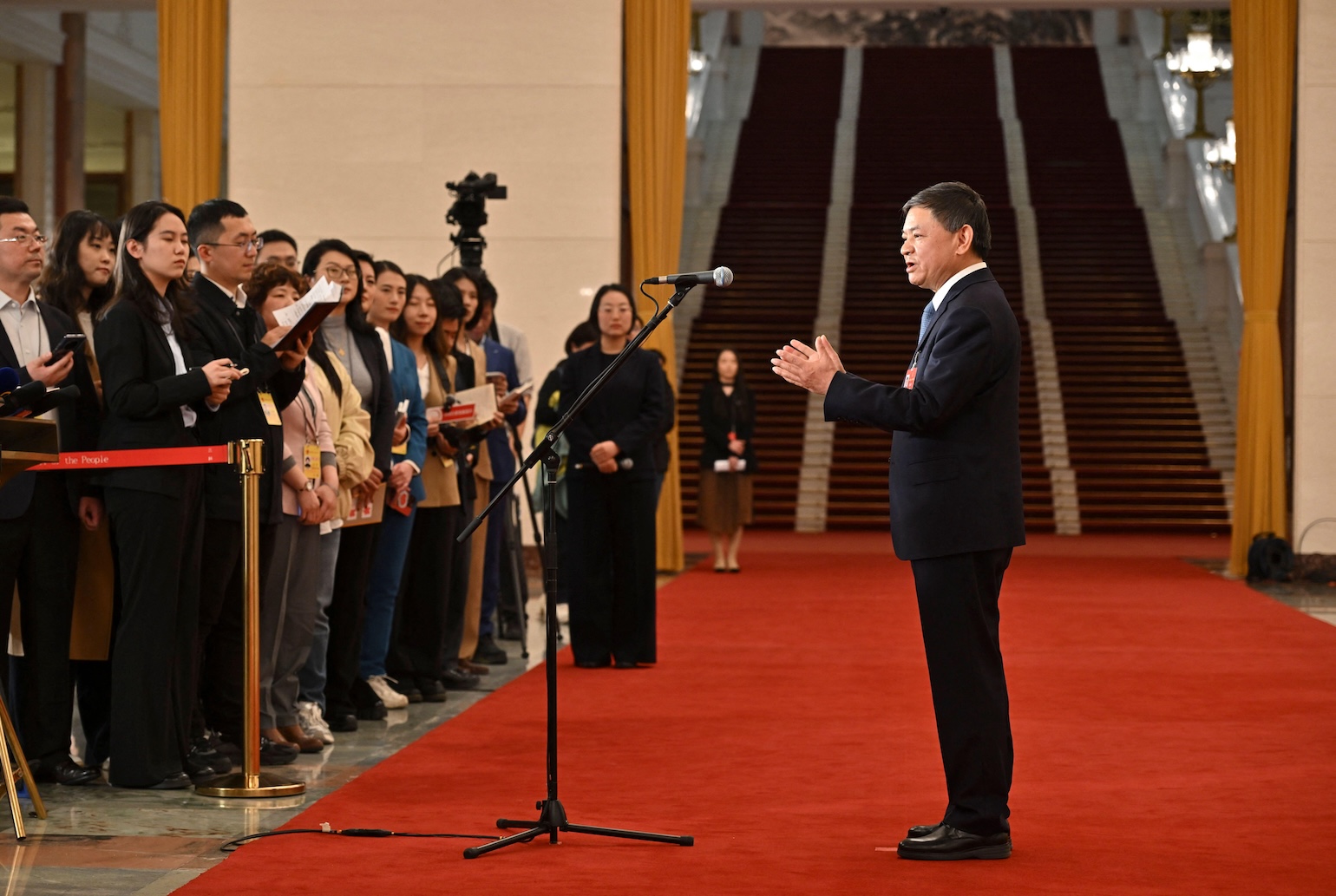
The current diplomatic climate is defined by an era of "climate-trade" linkage. Beijing’s vice-minister for the environment, Li Gao, recently emphasized the need for an "open and efficient" trade system that facilitates, rather than hinders, the global adoption of clean-energy solutions. This rhetoric is expected to dominate the Chinese delegation’s agenda in Turkey, as the nation seeks to position itself as the indispensable partner in the global energy transition.

The Evolution of China’s Climate Strategy
To understand China’s current posture, one must examine the timeline of its recent international engagements:
- 2024 (COP29): China underscored its commitment by disclosing that it had mobilized over 177 billion yuan ($26.5 billion) in climate finance for developing countries since 2016. This move was intended to signal its active support for global climate objectives while deflecting pressure to increase its contributions amid domestic fiscal tightening.
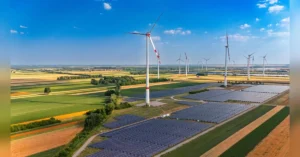
- 2025: Beijing released its updated five-year plan for climate action, which explicitly integrated the management of climate-trade issues as a core pillar of its diplomatic strategy. This period also saw the peak of Chinese investment in solar capacity, cementing its dominance in global supply chains.
- 2026: Throughout the year, China saw a shift in its domestic energy landscape, with solar power capacity surpassing coal, and a record-breaking two-thirds of all domestic vehicle sales consisting of electric models. However, this progress was tempered by a slowing of the overall renewables buildout and the continued construction of coal-fired power plants.
- 2027 (Pre-COP31): The current pre-summit phase is characterized by a "wait-and-see" approach regarding the United States’ role in international climate frameworks, particularly following reports of potential shifts in US policy regarding the UN Framework Convention on Climate Change (UNFCCC).
Expert Perspectives on Beijing’s Ambitions
Leading analysts suggest that China’s strategy for COP31 is a calculated attempt to maintain influence while navigating a fractured global order. Kate Logan of the Asia Society Policy Institute suggests that China’s primary goal is the preservation of multilateralism, as it offers a stable framework for the country’s global expansion. "With most big-ticket items under the Paris Agreement now complete," Logan notes, "China may be satisfied with a conference that produces no major drama, provided it can successfully push back against unilateralism."

Conversely, experts like Yao Zhe of Greenpeace East Asia observe that Beijing is increasingly viewing climate diplomacy through the lens of industrial policy. The shift toward "clean-energy diplomacy" allows China to leverage its manufacturing dominance. By positioning its exports as essential for global decarbonization, China attempts to reframe trade disputes as obstacles to the world’s climate goals.
Data-Driven Realities: The Domestic Balancing Act
Despite its international advocacy for green technology, China faces a complicated internal reality. Data from the second quarter of 2026 shows a decline in carbon dioxide emissions, largely driven by a sharp drop in oil consumption. However, the reliance on coal-based energy persists, and the government’s recent move to restrict the export of certain manufacturing technologies indicates a protective stance toward its industrial secrets.

Professor Ryna Cui of the University of Maryland notes that while formal negotiations might remain stagnant, the real progress may occur through bilateral engagements. As China hits its peak for coal and oil usage, the opportunity arises for the nation to lead on non-CO2 abatement, including the reduction of methane and industrial nitrous oxide. This would allow China to show leadership in areas that do not immediately threaten its fossil-fuel-dependent industrial base.
Trade Barriers and the Clean-Tech Value Chain
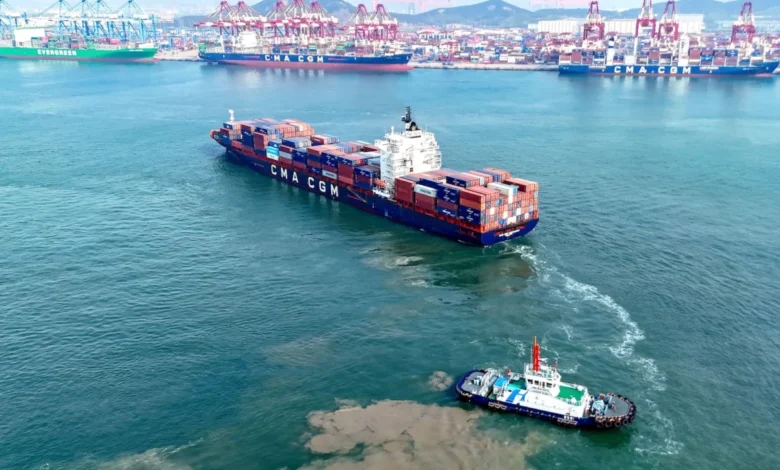
The central point of contention for China at COP31 will be the "unilateral trade measures" imposed by other nations. Beijing argues that tariffs on Chinese EVs and solar panels are protectionist policies that drive up the cost of the global energy transition. Dr. Joseph Dellatte of the Institut Montaigne argues that the coming negotiations will test whether China is willing to move beyond mere rhetoric. "The question is whether Beijing will discuss genuine cooperation—sharing industrial benefits through joint ventures and technology transfers—or if it will continue to prioritize the export of finished goods," he explains.

Implications for the Global South
China continues to position itself as a bridge for developing nations. By championing "South-South" cooperation, China provides an alternative to Western-led financial mechanisms. However, as the world nears the 1.5C warming threshold, the pressure on China to provide more substantial financial support grows. While Beijing has historically preferred to act as a broker rather than a primary financier, the demands of the Global South for adaptation funding and technology transfer will be impossible to ignore at COP31.
Challenges to Leadership
Professor Jeremy Wallace of the Johns Hopkins School of Advanced International Studies offers a critical view: "Climate leadership is up for grabs, but China’s actions are contradictory." He points to the paradox of China leading the world in solar and battery deployment while simultaneously slowing its own domestic renewables buildout and continuing to approve new coal-based facilities. For China to truly secure the mantle of global climate leader at COP31, it must reconcile its role as a mass exporter of green tech with the necessity of a faster, more transparent domestic transition.

The Road to Istanbul: A Summary of Objectives
As delegates arrive in Turkey, the Chinese delegation is expected to focus on three primary objectives:
- Defending Trade Equity: Challenging tariffs that limit the reach of its renewable energy exports, framing them as a global detriment to 1.5C targets.
- Maintaining Financial Flexibility: Avoiding binding, quantitative commitments on climate finance while positioning itself as a reliable partner to developing nations.
- Reframing the Transition: Pushing for a focus on electrification, which plays to China’s comparative advantage in grid infrastructure and battery technology, while remaining cautious about agreeing to stringent, universal fossil-fuel phase-out timelines.
The outcome of COP31 will not only shape the next decade of climate policy but will also reveal the extent to which the world’s major economies can resolve trade tensions in the service of a shared survival goal. For Beijing, the summit represents a high-stakes opportunity to demonstrate that its industrial growth and the world’s climate needs are not just compatible, but fundamentally intertwined. Whether the rest of the world accepts this narrative, or continues to view China’s green-tech surge with skepticism, will be the defining theme of the upcoming negotiations.
Related posts: