The landscape of Formula 1 is undergoing a period of profound expansion, marked by a recent agreement to bring the sport to Rwanda. Amidst the excitement surrounding this new frontier, seven-time world champion Lewis Hamilton has addressed the prospect of extending his legendary career into the 2030s to participate in the inaugural African Grand Prix. While his comments were delivered with a characteristic touch of humor, they underscore a deeper professional conviction regarding his longevity, physical conditioning, and sustained performance levels in the highest echelon of motorsport.
The Rwanda Expansion: A New Chapter for Formula 1
Formula 1’s pursuit of a truly global calendar has long included the ambition of returning to the African continent. The sport has not hosted an African Grand Prix since the 1993 event at Kyalami in South Africa. The announcement of a 10-year deal with the government of Rwanda to host a race at a purpose-built facility near Kigali marks a significant strategic milestone for Liberty Media and the FIA.
The selection of Rwanda represents a shift toward emerging markets, aligning with the sport’s sustainability goals and the desire to diversify its footprint. The circuit, expected to be completed in the early 2030s, is designed to meet Grade 1 FIA standards. This development has been met with broad approval from the paddock, particularly from Hamilton, who has been one of the most vocal advocates for a return to Africa, frequently citing the continent’s cultural richness and the untapped potential for new generations of motorsport fans.
Defying the Biological Clock: The Hamilton Philosophy
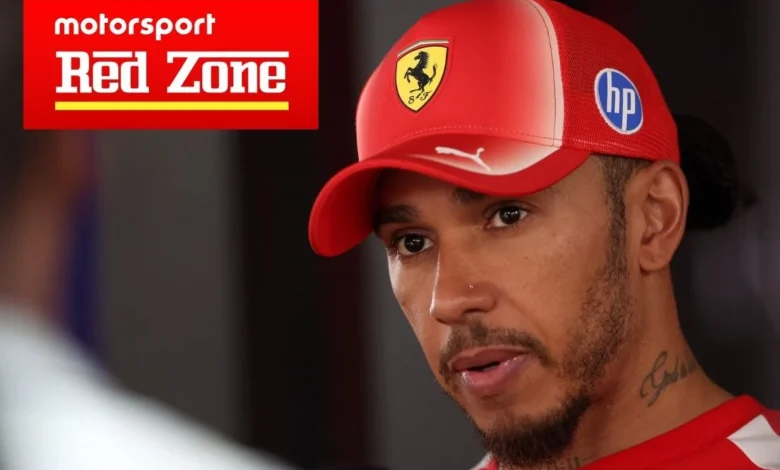
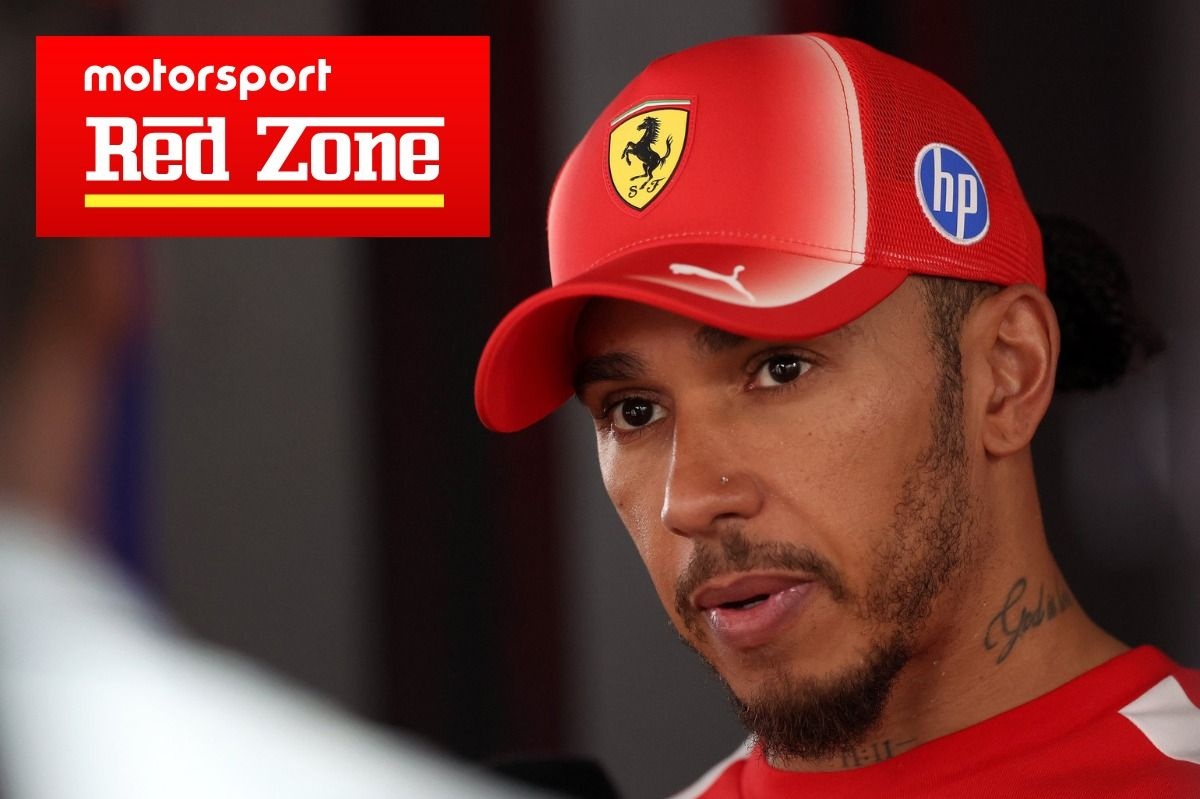
At the center of the discourse surrounding his potential longevity is Hamilton’s refusal to accept the conventional narrative regarding age-related performance decline in professional athletes. At 39, Hamilton continues to perform at an elite level, and he firmly maintains that his physical and mental acuity remain sharp enough to challenge drivers nearly two decades his junior.
"Firstly, you’ve never had anyone like me here in the last 10 years. So I feel that I’m built differently," Hamilton stated during a recent media session. His assertion is not merely a reflection of confidence but a testament to a rigorous, data-driven approach to athlete maintenance. Modern Formula 1 drivers utilize advanced biometric monitoring, specialized nutrition, and cognitive training to counteract the physical toll of high-G-force environments.
Hamilton’s argument rests on observable data. He pointed to his reaction times during recent Grand Prix weekends, noting that his metrics remain competitive with, and in some cases superior to, those of the youngest members of the grid. He suggests that the assumption of an inevitable "drop off" in talent or focus is a misconception that ignores the evolution of human performance science.
Chronology of Career Longevity and Motivation
To understand Hamilton’s perspective, one must look at his career arc, which spans nearly two decades of consistent excellence:
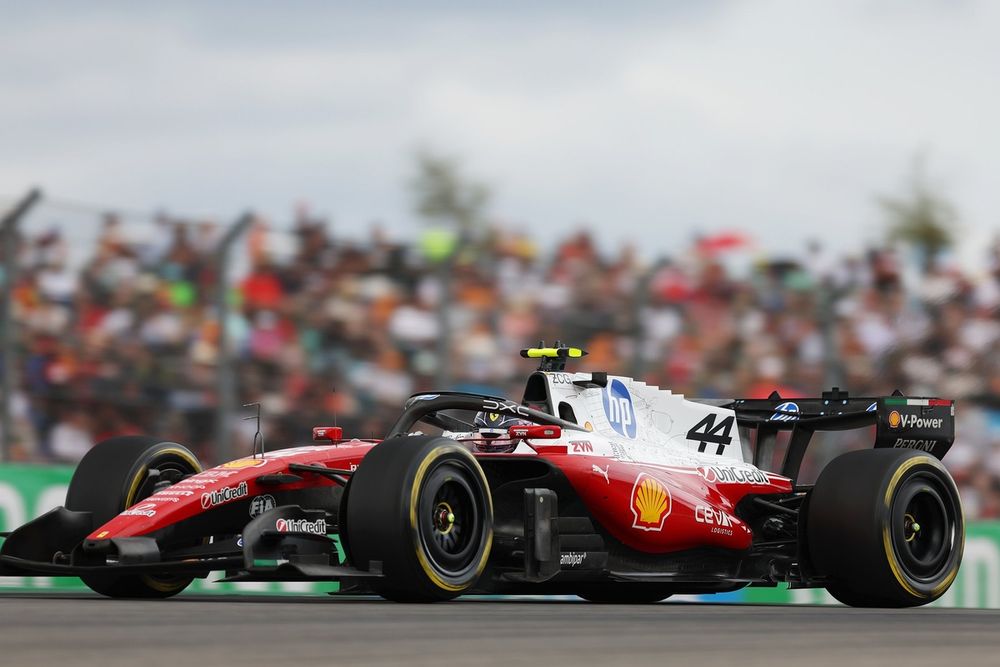
- 2007: Hamilton makes his debut with McLaren, setting a record for the most consecutive podium finishes by a debutant.
- 2008: Secures his first World Championship, signaling the start of a dominant era.
- 2013: Joins Mercedes-AMG Petronas, a move that would eventually yield six additional world titles.
- 2020-2021: Engages in one of the most intense title battles in the history of the sport against Max Verstappen.
- 2024: Announcing his future move to Ferrari, signaling a new chapter in his legacy.
- 2030s: The projected timeline for the Rwandan Grand Prix, a milestone that would require Hamilton to compete in his mid-40s.
Hamilton acknowledges that the decision to continue is not solely about physical capability, but about the willingness to make the necessary sacrifices. Competing at 44 requires a level of discipline that often necessitates the exclusion of other lifestyle elements. He is currently "all in," though he remains pragmatic about the future. "I can’t say in four years whether I want to continue to do what I’m doing, but I love what I’m doing still now," he admitted.
The Test Bench: Strategy for the Final Races
While the prospect of racing in Africa remains a distant horizon, Hamilton’s immediate focus is the conclusion of the current season. Currently sitting third in the Drivers’ Championship, he is engaged in a narrow battle for second place, currently trailing his teammate George Russell by a single point.
However, Hamilton has clarified that his priorities have shifted toward the broader goals of the team. "I’m not going to say it doesn’t mean anything, but it’s not something I focus on," he explained. "I think winning the championship is the only thing anybody must really care about."
Instead, Hamilton is utilizing the remaining races of the season as a "test bench" for the development of future iterations of the car. He is working closely with the team’s head of aerodynamics and vehicle dynamics engineers to refine the chassis. The objective is to retain the positive characteristics of this year’s car while addressing the aerodynamic deficiencies that have hindered progress in previous seasons. This technical feedback loop is crucial for Ferrari, his future team, and for his own development as he looks to ensure his competitive edge does not erode.
Analysis: Can F1 Drivers Sustain Performance Past 40?
The history of Formula 1 has seen several drivers perform at a high level well into their late 30s and early 40s. Drivers such as Juan Manuel Fangio, who won his fifth title at 46, and more recently, Fernando Alonso, who continues to compete with vigor at 43, suggest that the "peak" age for a racing driver has moved significantly.
The implications of a 40-plus driver staying on the grid are twofold:
- Technical Value: Experienced drivers provide invaluable feedback regarding car setup and development. For a team like Ferrari, having a driver who understands the nuances of chassis behavior over a long career is a strategic asset.
- Commercial Impact: A driver of Hamilton’s stature acts as a significant draw for global audiences and commercial partners. His presence on the grid, particularly at historic or brand-new venues like the proposed Kigali circuit, provides a narrative anchor that drives fan engagement.
However, the physical requirements remain strenuous. Drivers are subjected to extreme heat, high heart rates, and significant neck strain during races that last nearly two hours. The ability to maintain concentration at such speeds is a cognitive challenge that typically degrades with age; however, elite athletes are increasingly finding ways to delay this degradation through specialized training.
The Road Ahead
Hamilton’s insistence that he will not "overstay his welcome" is a critical caveat. He is acutely aware of the optics of a champion experiencing a decline in performance. His public statements are a preemptive defense against critics who assume his pace has dropped off—a narrative he believes he effectively dismantled during the previous season.
As the sport prepares for the addition of the Rwandan Grand Prix, the conversation around Hamilton’s future will likely intensify. Whether he reaches that milestone remains to be seen, but his approach to the twilight of his career is characterized by the same analytical rigor that defined his early years.
For the sport of Formula 1, the prospect of having a driver of Hamilton’s experience active in the 2030s represents a bridge between eras. As the calendar expands to new territories and the technical regulations continue to evolve, the human element—the driver’s ability to adapt, maintain, and conquer—remains the sport’s most compelling variable. Hamilton’s willingness to continue pushing his own limits suggests that, for him, the drive to compete is not dictated by the calendar, but by his internal capacity for challenge.
In the coming years, as the details of the Kigali circuit become concrete and the 2030 season approaches, the focus will inevitably shift from speculation to reality. Until then, Hamilton remains committed to his current role, treating every session, every race, and every technical feedback meeting as a building block for his future—whether that involves racing in Kigali or simply ensuring his legacy remains untarnished by the passage of time.
Related posts: