Earl Barret, Prolific Television Comedy Writer and Creator of Too Close for Comfort, Dies at 94

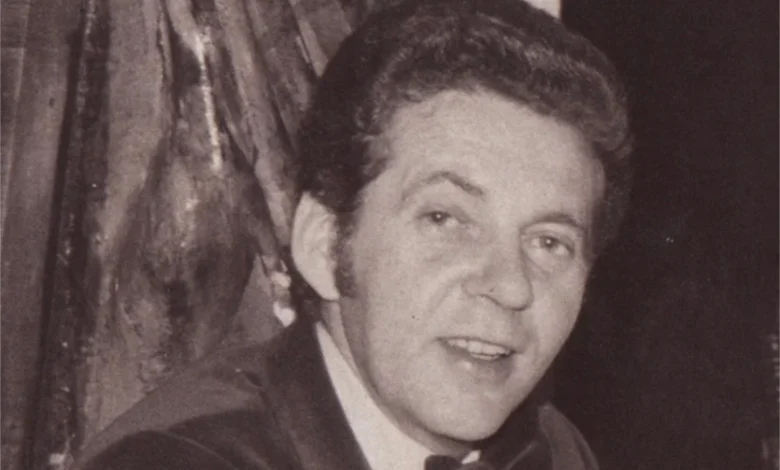
The television and entertainment industry is mourning the loss of Earl Barret, a foundational architect of American sitcom history whose career spanned more than three decades, numerous classic television programs, and generations of laughter. Barret passed away peacefully at his home in Sherman Oaks, California, on October 22, at the age of 94.
Known for his sharp wit, meticulous plotting, and innate understanding of comedic timing, Barret was a consummate professional in an era when television writing transitioned from early live broadcasts to the sophisticated multi-cam sitcoms of the 1970s and 1980s. Throughout a career that officially commenced in 1961, Barret contributed to more than 30 television series, shaping the comedic landscape of American households. His crowning achievement came as the co-creator, executive producer, and writer of the hit sitcom Too Close for Comfort, a project that solidified his legacy in the annals of television production.
Early Life, Artistic Beginnings, and the Transition to Writing
Before establishing himself as a formidable force in television writers’ rooms, Barret’s artistic journey began far from Hollywood. Born and raised with a deep-seated passion for the performing arts, Barret’s early years were characterized by a rigorous engagement with music and performance. Growing up in Canton, Ohio, he took tap dancing and violin lessons as a child, instilling in him a lifelong appreciation for rhythm, cadence, and theatrical presentation—elements that would heavily influence his later comedic writing.
Barret’s education laid the foundation for his creative pursuits. He attended Hollywood High School and subsequently graduated from Los Angeles City College, immersing himself in the vibrant cultural milieu of Southern California. Initially, Barret harbored aspirations of becoming an actor. He successfully pursued this path to the extent of earning a Screen Actors Guild (SAG) card, gaining firsthand experience in front of the camera. This background as a performer provided him with a distinct advantage when transitioning to the page; Barret understood the actor’s perspective, knowing instinctively how to craft dialogue that rolled off the tongue and allowed performers to maximize their comedic potential.
The turning point in Barret’s career occurred in 1961 when he enrolled in a weekly free television writing class taught by Robert C. Dennis, a respected writer known for his work across numerous television anthologies and dramas. Under Dennis’s mentorship, Barret honed the technical aspects of script formatting, narrative pacing, and structure. The professional relationship between Barret and Dennis quickly blossomed into a fruitful partnership, with the two collaborating on scripts for several television shows of the era. This vital educational opportunity served as the launchpad for a prolific career that would see Barret write for the small screen across four distinct decades.
A Prolific Television Resume: From The Golden Age of Sitcoms to Cult Classics
During the 1960s, 1970s, and 1980s, Barret’s typewriter was a fixture of the Hollywood television machine. His name appeared on the credits of more than 30 diverse television programs, demonstrating an impressive versatility that allowed him to transition seamlessly between sci-fi comedy, traditional domestic sitcoms, slapstick, and socially conscious humor.
Among his early credits were iconic series that defined 1960s television. Barret contributed scripts to the beloved fantasy sitcom Bewitched, the campy and culturally ubiquitous Batman, the spy-fi adventure series I Spy, and the classic rural comedy The Andy Griffith Show. His ability to adapt his writing voice to fit established series premises made him a sought-after freelance writer for showrunners looking for reliable, high-quality comedic scripts.
As television entered the 1970s, Barret continued to find steady work across a shifting television landscape. He wrote for the classic sci-fi sitcom My Favorite Martian, the short-lived comedy series The Partners starring Don Adams and Rupert Crosse, and contributed to seminal urban sitcoms including Sanford and Son. His knack for dialogue and character dynamics also led him to write for Welcome Back, Kotter, helping to shape the comedic beats of the show’s memorable ensemble cast.
Through these decades of writing, Barret developed a reputation among peers and studio executives as a dependable craftsman who could consistently deliver sharp jokes, maintain narrative momentum, and rescue troubled scripts. However, despite his extensive freelance contributions, Barret’s most enduring legacy would be forged in the role of creator and showrunner.
The Creation of Too Close for Comfort
Barret’s career reached its zenith with the creation of Too Close for Comfort, a sitcom he developed, wrote, and executive produced alongside his longtime and most trusted writing partner, Arne Sultan. The series premiered on ABC in 1980, anchoring the network’s comedy block during an era of significant cultural and political shifts in the United States.
Too Close for Comfort centered around Henry Rush, a conservative newspaper cartoonist living in liberal San Francisco, played with acerbic charm by veteran actor Ted Knight. The premise derived its comedic tension from the domestic arrangements: Rush’s two adult daughters rented the apartment directly beneath his family home, leading to constant paternal anxiety, boundary-pushing antics, and generational clashes. Nancy Dussault co-starred as Muriel Rush, the sensible and grounding wife, while Jim J. Bullock delivered a breakout, fan-favorite performance as Monroe Ficus, the quirky, high-pitched neighbor who perpetually exasperated the titular cartoonist.
The show’s logline—"In liberal San Francisco, a conservative cartoonist tries to keep his two daughters, who rent an apartment below him, safe"—provided fertile ground for exploring the shifting cultural norms of the early 1980s, balancing traditional family values with modern urban realities.
Too Close for Comfort originally ran on ABC from 1980 to 1983. Following its network run, the series demonstrated strong syndication potential, being broadcast across various independent and local stations from 1984 to 1987 under the retitled banner The Ted Knight Show during its final season. In addition to his duties as creator, writer, and executive producer, Barret took on the responsibility of directing 13 episodes of the series, showcasing his comprehensive command of television production from conception to final edit.
Beyond Television: Film and Theater Collaborations
While television remained his primary medium, Barret’s creative output extended beyond the small screen. Collaborating extensively with his creative partner Arne Sultan, Barret expanded his portfolio into feature films and the stage.
Their most notable cinematic collaboration was the 1989 comedy film See No Evil, Hear No Evil, directed by Arthur Hiller and starring the iconic comedic duo Gene Wilder and Richard Pryor. The film paired Wilder, who played a blind man, with Pryor, who played a deaf man, as they witness a murder and must work together to evade authorities and capture the real killers. The screenplay required a delicate balance of slapstick, situational comedy, and warmth—elements that Barret had spent decades perfecting in television writers’ rooms. The film became a notable box-office success and remains a beloved entry in the comedic filmographies of both Wilder and Pryor.
In addition to film, Barret and Sultan penned numerous theatrical plays, continuing their exploration of character-driven comedy and farce for live audiences. Their ability to construct tight, joke-laden narratives translated naturally from the television soundstage to the proscenium arch.
Reflections on a Life in Entertainment
Following the news of his passing, family members, friends, and colleagues shared reflections on Barret’s remarkable life and enduring artistic spirit.
His daughter, J.K. Barret, painted a vivid picture of a man whose curiosity and dedication to the arts remained undiminished across nearly a century of life. Describing him as a "lifelong learner with a keen, curious mind and a gift for impeccable comic timing," she emphasized that his passion for entertainment was not merely professional, but foundational to his identity. "He spent nine decades cultivating his passion for the performing arts, music, and entertainment that began with the tap dancing and violin lessons he took in childhood in Canton, Ohio," she noted.
Industry colleagues have similarly lauded Barret for his professionalism, generosity as a collaborator, and his role in shaping the craft of television writing during its formative decades. Writers who worked alongside Barret often recalled his steady demeanor under the intense pressure of weekly television production schedules, noting that his encyclopedic knowledge of joke structures and character arcs made him an invaluable asset to any writers’ room.
Legacy and Survivors
Earl Barret’s passing marks the end of an era for a specific generation of television artisans—writers who learned their trade through grueling weekly output, mentorship, and a deep respect for the mechanics of live-action comedy. From his early days navigating the Los Angeles acting scene to his decades-long tenure writing for the most popular shows on American television, Barret left an indelible mark on popular culture. Millions of viewers grew up laughing at the punchlines he crafted for Batman, Bewitched, Sanford and Son, and Too Close for Comfort, ensuring that his comedic voice will continue to resonate through reruns and streaming platforms for decades to come.
Barret is survived by his wife, Barbara Barnett Barret; his daughter, J.K. Barret; his son, John Nelson; and five grandsons. He was preceded in death by his daughter, Lisa Nelson. Memorial arrangements are private, but tributes from the entertainment community continue to pour in, celebrating the life and career of a man who dedicated his ninety-four years to making the world laugh.
Related posts: