As the calendar approaches the end of the year, millions of Americans face a pressing financial deadline: the expiration of funds held in Flexible Spending Accounts (FSAs). Unlike Health Savings Accounts (HSAs), which are portable and roll over indefinitely, most standard FSAs operate on a “use it or lose it” basis. With the December 31 deadline looming, taxpayers are increasingly looking beyond traditional medical copays and pharmacy staples to utilize their pre-tax benefits. In recent years, a burgeoning marketplace has emerged, allowing consumers to apply these funds toward sophisticated health and fitness technology—provided they navigate the specific requirements set forth by the Internal Revenue Service (IRS).
The landscape of eligible expenses has expanded significantly, shifting from basic bandages and prescription medications to high-end wearables and home gym equipment. However, the intersection of lifestyle technology and medical necessity remains a complex regulatory gray area. Understanding the nuance between a general wellness gadget and a medically necessary diagnostic tool is the key to successfully leveraging these funds without triggering an audit or a rejected claim.
The Evolution of Health Benefits and Wearable Tech
The core principle governing FSA/HSA eligibility is established by Section 213(d) of the Internal Revenue Code, which defines "medical care" as amounts paid for the diagnosis, cure, mitigation, treatment, or prevention of disease. For decades, this definition was interpreted narrowly. However, the rise of digital health monitoring has forced a reevaluation of how technology functions in a clinical context.
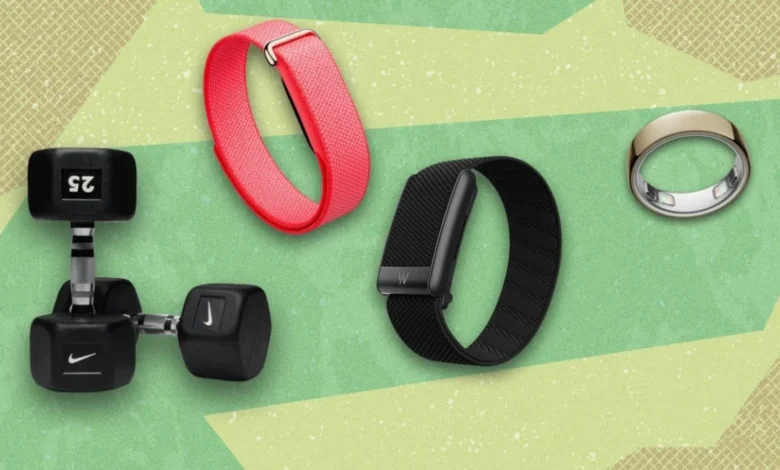
Wearables such as the Oura Ring, Whoop, and various smartwatches have transitioned from hobbyist fitness trackers to data-gathering devices capable of monitoring heart rate variability (HRV), blood oxygen levels, and sleep disturbances—all of which provide actionable data for managing chronic conditions. While these devices are frequently marketed for performance optimization, their clinical utility in tracking cardiovascular health, sleep apnea, or metabolic markers has opened the door for their classification as medical expenses.
The Role of the Letter of Medical Necessity (LMN)
The most critical mechanism for unlocking these funds is the Letter of Medical Necessity (LMN). An LMN is a formal document provided by a licensed healthcare professional that certifies a specific product is necessary to treat or mitigate a diagnosed medical condition.
Historically, obtaining an LMN required an in-office visit with a primary care physician, a process that many found cumbersome. This barrier to entry spurred the growth of third-party platforms like Truemed. These services streamline the process by connecting consumers with licensed clinicians who review a patient’s self-reported health history. If the information provided—such as a history of high blood pressure, obesity, or sleep disorders—aligns with clinical guidelines for using a specific tool, the clinician issues an LMN.
According to industry data, these platforms have revolutionized the approval pipeline. By pre-screening applicants against established medical standards, companies like Truemed report high success rates for LMN issuance. This process does not bypass medical oversight; rather, it formalizes the patient’s health needs into a document that insurance administrators accept as proof of eligibility.
Chronology and Regulatory Landscape
The shift toward “health-adjacent” spending has been building for several years, accelerated by the COVID-19 pandemic, which saw an unprecedented focus on home-based health monitoring. In 2020 and 2021, the CARES Act further expanded the list of eligible expenses, permanently including menstrual products and over-the-counter medications without a prescription. While fitness tech was not explicitly added to the list of "automatic" approvals, the precedent set by these changes emboldened consumers to seek reimbursement for devices that monitor their vitals.
Throughout 2025 and 2026, the retail sector has aggressively integrated this process. Major brands now embed "Pay with FSA/HSA" options directly into their digital checkout flows. This integration typically involves a secondary transaction where the consumer pays for the device, and the third-party service provides the necessary documentation to justify the expense to the account administrator.

Categorizing Eligible Hardware
Not all devices are treated equally by plan administrators. The eligibility of a product is highly dependent on the "standard of care" associated with the user’s reported condition.
Recovery and Diagnostic Wearables
Devices that focus on recovery, such as the Whoop band or Oura Ring, are frequently scrutinized. Because they lack traditional "medical" displays, they are often categorized as wellness tools. However, when paired with an LMN that specifies a need for sleep tracking due to diagnosed sleep apnea or cardiovascular monitoring due to arrhythmia, they become eligible medical expenses.
Cardiovascular and Activity Monitors
Smartwatches and heart rate monitors are among the most common items purchased with pre-tax dollars. Devices that offer continuous heart rate monitoring are generally easier to justify for individuals with documented hypertension or obesity. It is important to note, however, that some major manufacturers, such as Garmin, do not currently participate in these third-party eligibility programs, meaning consumers must be discerning about which brands offer the necessary documentation support at the point of sale.
Home Fitness Equipment
The logic applied to wearables extends to stationary bikes, rowing machines, and adjustable dumbbells. If a doctor prescribes structured exercise as a treatment for conditions like Type 2 diabetes or high cholesterol, the equipment required to perform that exercise may qualify. Brands like Nike Strength have begun aligning their product lines with these requirements, allowing consumers to utilize funds for equipment that serves as a direct intervention for a chronic health issue.
Broader Implications and Risks
While the ability to use pre-tax funds for high-end fitness equipment is a boon for many, there are risks associated with aggressive interpretation of these rules. The IRS places the burden of proof on the taxpayer. If an account holder is audited, they must be able to produce the LMN and show that the device was directly linked to a specific medical condition.
Furthermore, employer-sponsored FSA administrators hold the final authority. Even with a legitimate LMN, a specific plan administrator may choose to deny a claim if they deem the product excessive or unrelated to the stated medical need. Consumers are advised to check their specific plan’s summary of benefits before making large purchases.
From a macroeconomic perspective, this trend represents a broader shift in American healthcare: the democratization of health data. By allowing individuals to invest in their own diagnostic and monitoring tools, the healthcare system is theoretically encouraging preventative care. Proponents argue that if a $300 wearable helps a patient monitor their blood pressure and avoid a $10,000 emergency room visit, the policy is inherently sound. Critics, however, caution that this could lead to the over-utilization of tax-advantaged accounts for lifestyle purchases that provide minimal clinical benefit.
Strategic Recommendations for the Year-End Deadline
For those looking to spend remaining funds before the year concludes, the following steps are recommended:
- Audit Your Balance: Log into your FSA/HSA provider portal to confirm the exact amount of funds that will expire at year-end.
- Review Eligible Items: Consult the official list of eligible expenses provided by your plan administrator. Many portals now include an "Eligible Products" search tool.
- Check for LMN Requirements: If you are eyeing a device that is not on the "automatically eligible" list, check if the retailer offers an integrated LMN application process.
- Maintain Documentation: Keep a digital and physical copy of your LMN for at least three to five years, should the IRS or your plan administrator request verification of the expense.
- Prioritize Necessity: Focus on items that have a clear link to your personal health history. The stronger the connection between the device’s function and your medical needs, the lower the risk of a rejected claim.
As the retail sector continues to blur the lines between consumer electronics and medical devices, the responsibility of the consumer grows. Utilizing FSA funds for fitness technology is an effective way to improve personal health outcomes while maximizing tax benefits, provided the process is approached with transparency and an understanding of the underlying medical necessity requirements. Whether through a new heart rate monitor or a piece of home gym equipment, the goal remains the same: transforming static, expiring funds into active investments in one’s long-term physical well-being.