BMW iX Sells Out in the United States as the Revolutionary Neue Klasse iX5 Prepares for Early 2027 Launch

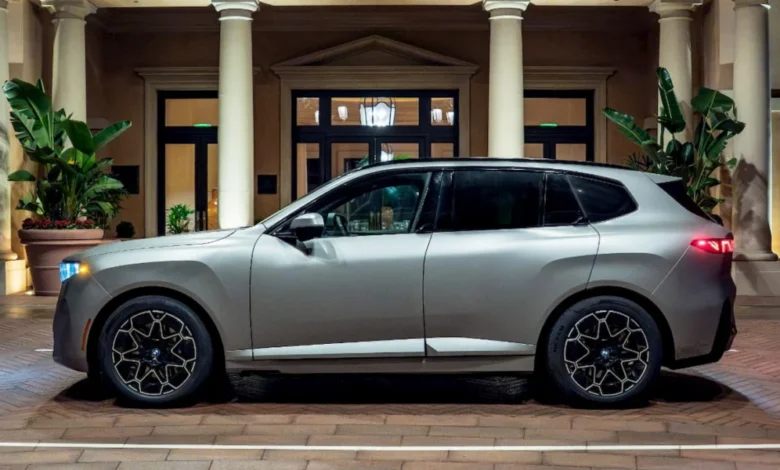
The era of BMW’s pioneering dedicated electric SUV has officially drawn to a close in the United States. Following a relatively brief four-year run that began with its market introduction in 2022, the BMW iX has effectively sold out across the country. According to recent data from automotive research firm CarsDirect, only a microscopic handful of roughly 10 new iX models remain scattered across nationwide dealer inventories. Online shoppers visiting the official BMW configurator page are now automatically redirected to explore the traditional internal combustion engine and hybrid variants of the BMW X5.
This swift clearance of inventory is not merely a routine model-year phaseout; it represents a deliberate and aggressive strategic pivot by the German luxury automaker. Earlier this year, BMW leadership confirmed that the iX would be permanently discontinued following the 2026 model year. The rationale behind this decision is the rapid deployment of BMW’s highly anticipated "Neue Klasse" vehicle architecture—a foundational overhaul that promises to redefine the brand’s entire electric vehicle (EV) lineup. Stepping into the void left by the iX is a dual strategy featuring the smaller iX3 and, more importantly, the highly capable, American-built iX5.
A Retrospective on the BMW iX Era

When the BMW iX first debuted in the US market for the 2022 model year, it served as a technological flagship and a bold statement of intent for the brand’s electrification strategy. Built upon a bespoke aluminum space-frame architecture with a carbon-fiber-reinforced plastic (CFRP) safety cell, the iX carved out a distinct niche in the luxury EV landscape. It offered early adopters avant-garde styling, a remarkably plush and minimalist interior lounge, and competitive long-distance cruising capabilities, epitomized by variants like the 2026 iX xDrive60, which boasted an EPA-estimated driving range of up to 364 miles.
However, the fast-paced evolution of battery technology and electrical architecture rendered the first-generation platform ripe for replacement sooner rather than later. While the iX succeeded in proving that BMW could build a high-performance, premium electric utility vehicle from the ground up, the automotive landscape has shifted dramatically toward 800-volt systems, ultra-fast charging capabilities, and highly integrated software-defined vehicle platforms. Rather than heavily facelift the existing iX, BMW opted for a clean-sheet approach, choosing to sunset the nameplate and transition consumer interest directly toward the Neue Klasse-derived successors.
The Genesis of Neue Klasse: A Quantum Leap in EV Engineering
The transition from the iX to the upcoming Neue Klasse generation marks what industry analysts describe as a generational quantum leap for the Munich-based manufacturer. At the core of this transformation is the Neue Klasse platform, a modular vehicle architecture engineered exclusively for battery-electric vehicles, breaking away from the shared-platform strategies of the past.

Central to this new architecture is BMW’s sixth-generation (Gen6) eDrive technology. This next-generation propulsion system introduces entirely newly formulated cylindrical battery cells, replacing the prismatic cells used in prior models, alongside a transition to a native 800-volt electrical architecture. According to official technical disclosures from BMW, the Gen6 eDrive system delivers a staggering 30% improvement in both charging speeds and overall driving range compared to the preceding technology generation.
The first commercial manifestation of this platform is the 2027 iX3 50 xDrive, a compact electric SUV that opened for pre-orders starting at $61,500. The iX3 sets a high benchmark for the brand, offering an astonishing EPA-estimated driving range of up to 434 miles on a single charge—a massive leap forward that directly challenges legacy range anxiety.
The iX5 Steps In: Performance, Range, and Fast-Charging Breakthroughs
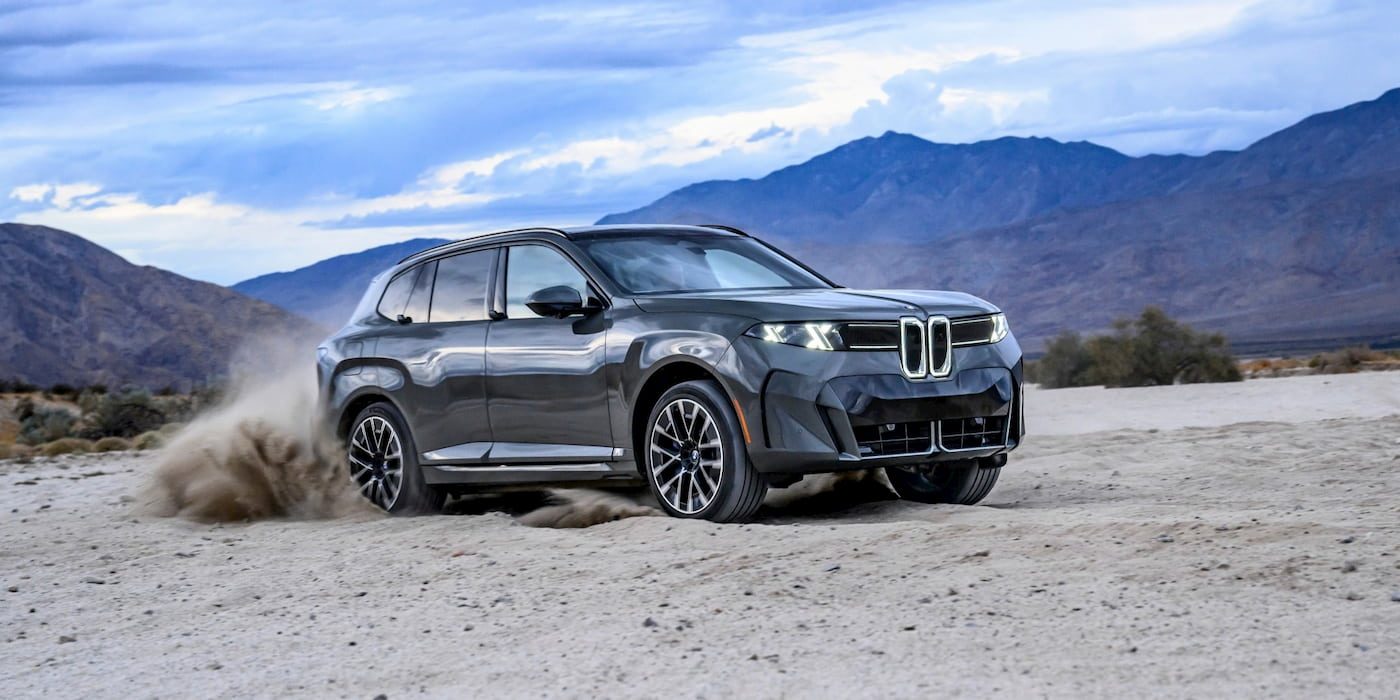
While the iX3 caters to the compact luxury segment, the true spiritual and dimensional successor to the outgoing iX is the forthcoming BMW iX5. Measuring 197.2 inches in length, 78.7 inches in width, and 68.9 inches in height, the iX5 is slightly longer and taller than the original iX, adopting a more commanding, traditional SUV silhouette.
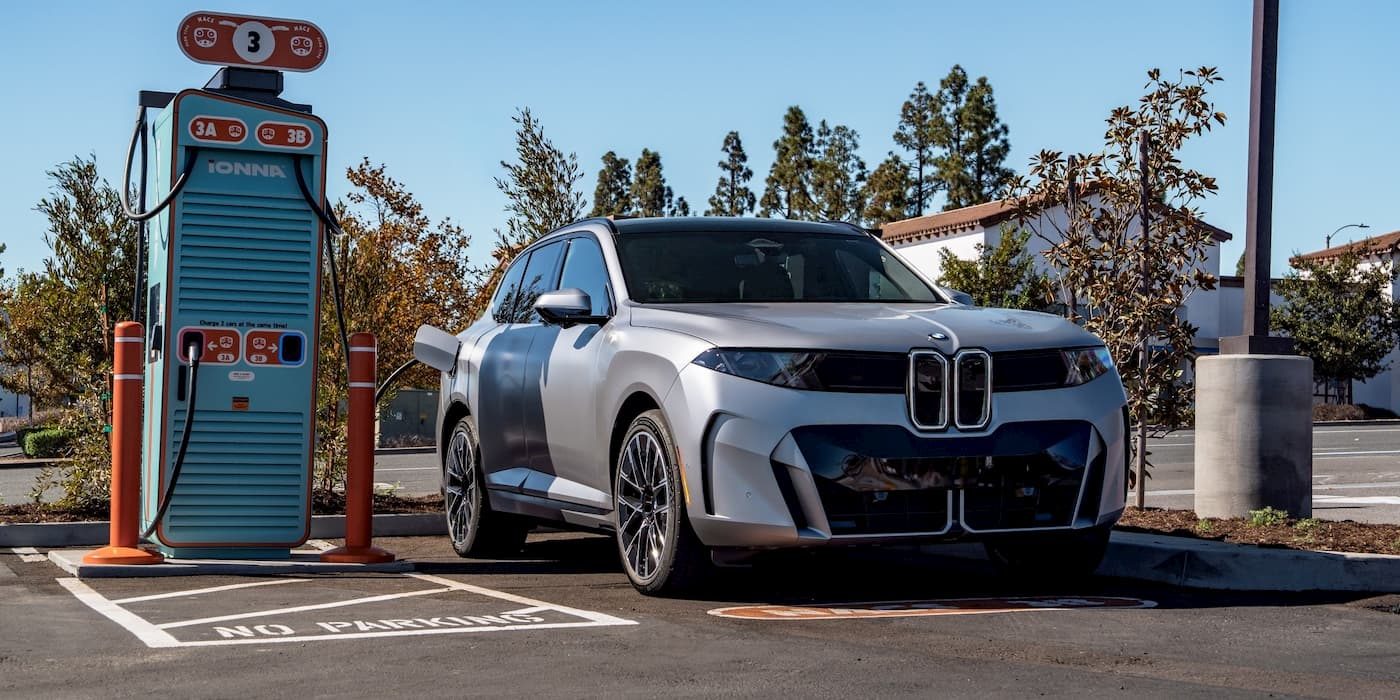
BMW has meticulously engineered the iX5 to dominate its segment, showcasing its engineering prowess during a recent international media testing event in Southern California. At this event, the iX5 60 xDrive put on a public fast-charging demonstration that left automotive journalists stunned, hitting a remarkable peak charging rate of 464 kW.
Thanks to the robust 800-volt system architecture, the iX5 60 xDrive can add up to 170 miles of driving range in a mere 10 minutes under optimal conditions. Furthermore, replenishing the battery from 10% to 80% requires just 22 minutes. Equipped with a substantial 144 kWh battery pack, the electric SUV is projected to achieve an EPA-estimated driving range of up to 435 miles per charge, placing it among the elite long-distance tourers in the global EV market.
Underneath its sculpted exterior, the iX5 utilizes a high-performance dual-motor, all-wheel-drive powertrain. The system generates a combined 578 horsepower (425 kW) and 593 lb-ft of torque, propelling the hefty luxury SUV from 0 to 60 mph in a blistering 4.4 seconds. True to its utilitarian roots as an X5 derivative, the vehicle also boasts a robust towing capacity of up to 6,000 pounds, ensuring that performance does not come at the expense of everyday practicality.
Interior Innovation and the Neue Klasse Cabin Experience
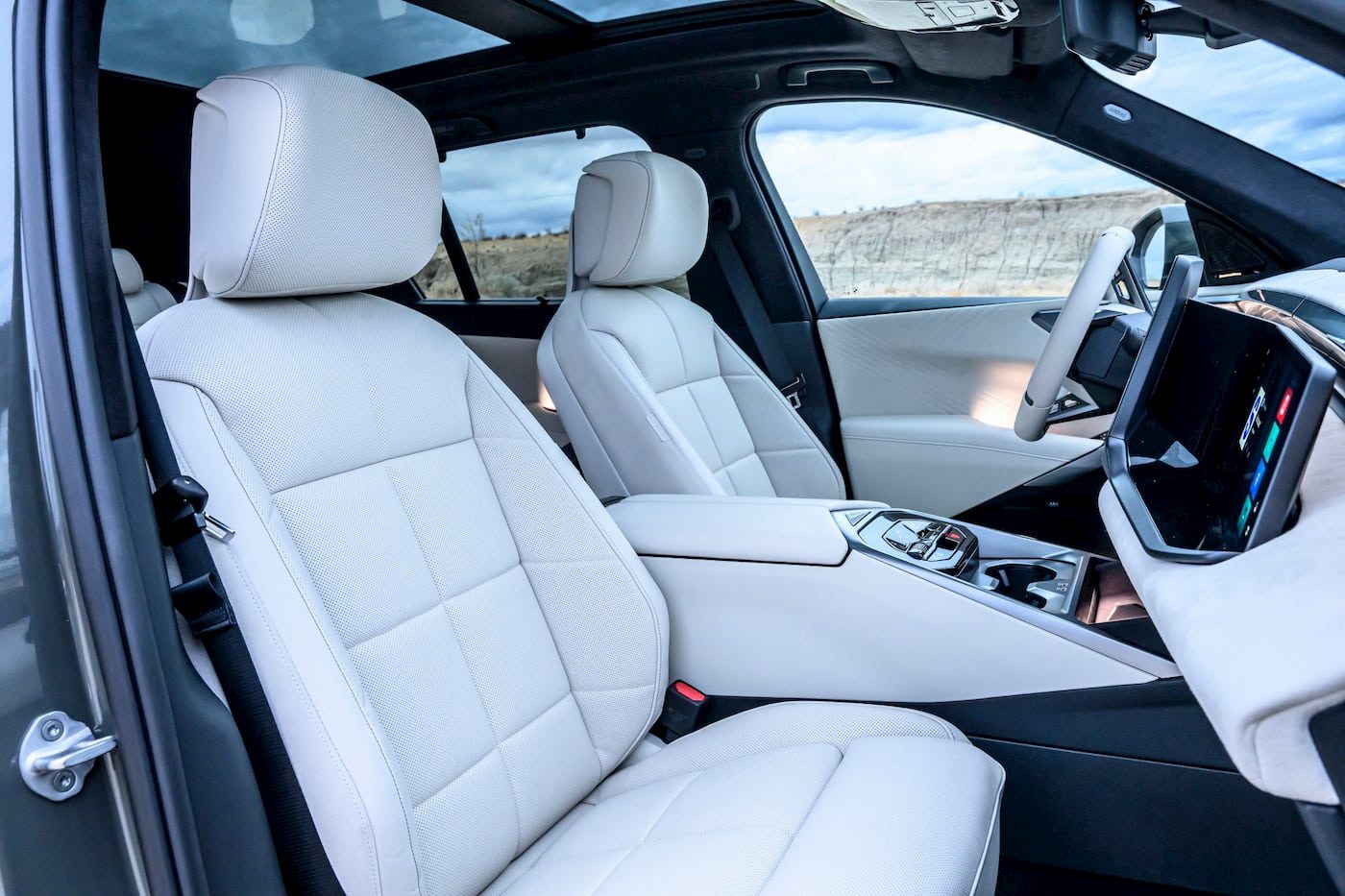
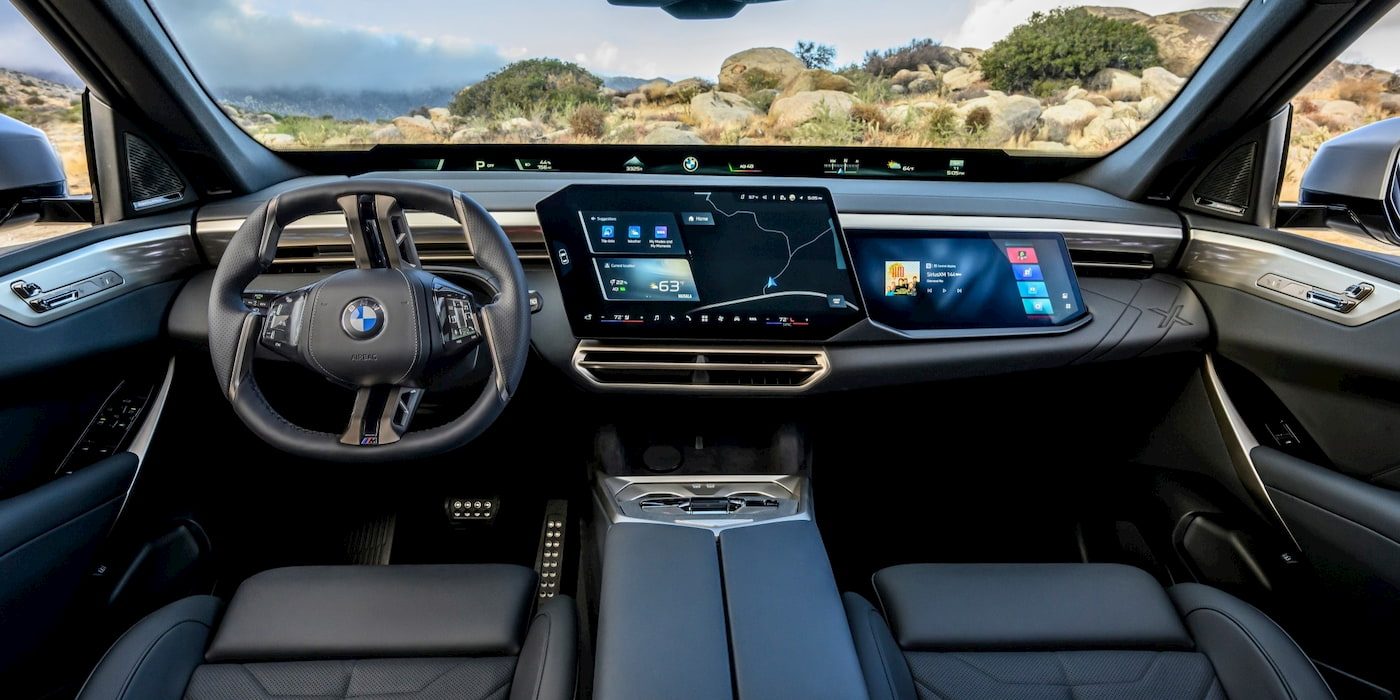
Inside the cabin, the iX5 represents a radical departure from both the outgoing iX and traditional BMW layouts, fully embracing the minimalist and highly digitalized Neue Klasse design ethos.
The focal point of the dashboard is a sprawling 17.9-inch central navigation touchscreen powered by the latest iteration of BMW’s operating software. Complementing this is the newly introduced BMW Panoramic Vision system, a high-tech head-up display interface that projects critical driving information across the entire lower section of the windshield, putting data directly in the driver’s natural line of sight. For front-seat passengers, BMW offers an optional 14.6-inch dedicated touchscreen display, creating an immersive, multi-screen digital environment that rivals any competitor in the luxury segment.
Materials throughout the interior lean heavily into sustainability, featuring recycled plastics, sustainably sourced textiles, and minimalist trim pieces that reduce manufacturing waste while maintaining an uncompromisingly high-end tactile experience.
Domestic Production at Plant Spartanburg
One of the most significant strategic elements surrounding the launch of the iX5 is its manufacturing provenance. The iX5 will stand as BMW’s very first fully electric vehicle to be manufactured directly in the United States.
Production is slated to officially commence at BMW’s sprawling Plant Spartanburg in South Carolina by the end of the year. This local manufacturing footprint not only insulates the supply chain from potential international logistics bottlenecks but also positions the vehicle favorably regarding regional manufacturing incentives and trade policies.
Order books for the iX5 60 xDrive are expected to open this month, with an entry-level starting price of $79,800. Following the late-year production rollout in South Carolina, the first customer deliveries are officially anticipated to begin in early 2027.
Implications for the Luxury EV Market
The transition from the iX to the iX5 via the Neue Klasse platform carries profound implications for the upper tier of the global electric vehicle market. By achieving charging speeds exceeding 460 kW and pushing real-world driving ranges past the 430-mile threshold, BMW is directly addressing two of the most persistent consumer hesitations regarding electric mobility: charging infrastructure wait times and limited range.
Industry analysts note that by phasing out the first-generation iX cleanly and without lingering inventory overhang, BMW has cleared a pristine runway for its next-generation products. The success of Plant Spartanburg in executing this massive manufacturing pivot will serve as a critical bellwether for traditional legacy automakers attempting to outpace native EV startups. As the iX5 prepares to hit showrooms in early 2027, BMW is signaling to the market that the second wave of luxury electrification will be defined by uncompromising performance, ultra-rapid charging, and deeply integrated digital ecosystems.