Franklin Templeton Expands Crypto ETF Filings to Include Hyperliquid (HYPE), Solana, and XRP Amid Rising Institutional Demand


The landscape of institutional cryptocurrency investment vehicles continues to evolve at a rapid pace, marked by a recent filing from global asset management giant Franklin Templeton. The firm has updated its registration statement with the U.S. Securities and Exchange Commission (SEC) to introduce a broad multi-crypto exchange-traded fund (ETF), trading under the ticker EZPZ. Filed on December 1, this updated regulatory submission officially incorporates exposure to Hyperliquid’s native token, HYPE, alongside several major digital assets including Bitcoin, Ethereum, XRP, Solana, Cardano, and Stellar. This move highlights an accelerating trend of traditional financial institutions seeking to package decentralized finance (DeFi) protocols and layer-1 blockchain assets into familiar, regulated investment products for mainstream investors.
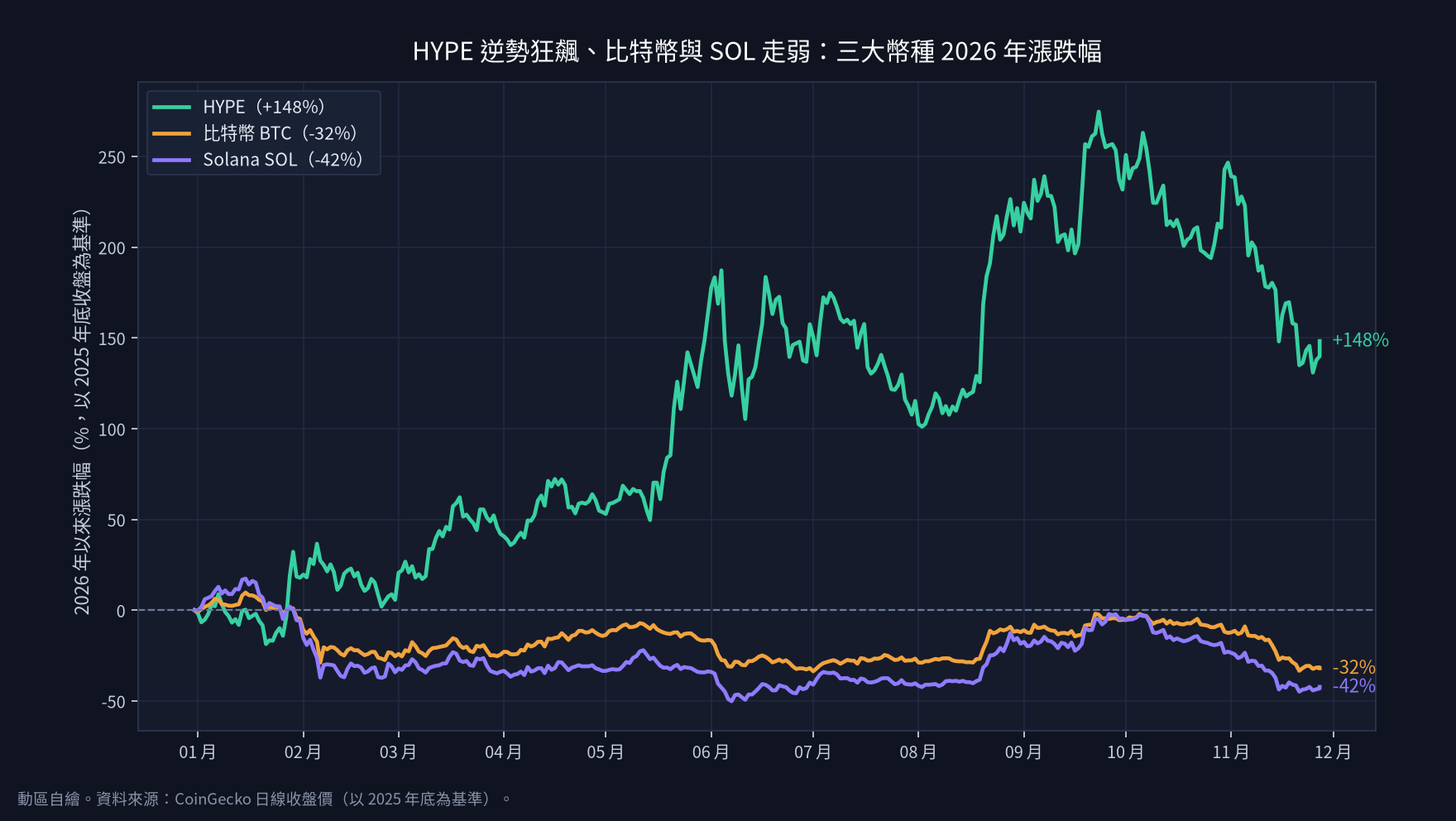
The inclusion of HYPE in Franklin Templeton’s filing underscores the explosive growth and rising market dominance of the Hyperliquid ecosystem. Over the past year, HYPE has emerged as one of the standout performers in the digital asset sector, boasting a year-to-date return of approximately 148%. This performance significantly outpaces traditional crypto bellwethers and prominent altcoins over the same period, capturing the attention of institutional asset managers looking for high-yield, high-growth alternatives.

Institutional Inflows and Regulatory Shifts
The evolving relationship between traditional finance (TradFi) and decentralized infrastructure is further evidenced by shifting regulatory stances in major global jurisdictions. Earlier this year, regulatory bodies such as the U.S. Commodity Futures Trading Commission (CFTC) began signaling a more accommodating framework for on-chain venues and derivative products. Michael Selig, counsel at the CFTC, noted during the Capitol Crypto Forum that regulatory pathways for derivatives and perpetual markets are gradually finding structural clarity. This shift has alleviated some of the historical hesitations that previously deterred institutional market makers from engaging deeply with decentralized order books and high-performance layer-1 networks.
Despite these positive developments, the road to launching diverse crypto ETFs is not without friction. Regulatory review periods remain stringent, and market participants have experienced varied outcomes. While multi-asset funds like EZPZ aim to streamline exposure to complex baskets of digital assets, other financial institutions have recalibrated their strategies. For instance, ARK Invest withdrew two of its crypto ETF applications, reflecting a strategic pivot in response to shifting macroeconomic pressures, high compliance costs, and evolving SEC review priorities. Nonetheless, the continued commitment by giants like Franklin Templeton indicates that the long-term trajectory toward institutional adoption of multi-token baskets remains firmly intact.
Market Performance and Comparative Asset Metrics
The momentum behind HYPE and other prominent layer-1 tokens is reinforced by comprehensive data from tracking platforms such as CoinGecko. Since the beginning of the 2025-2026 market cycle, HYPE’s 148% surge has positioned it ahead of major competitors. For comparison, Bitcoin recorded a more modest year-to-date trajectory, while Solana saw gains of roughly 42%. This relative outperformance reflects a broader market rotation where capital is increasingly flowing into high-utility, application-specific blockchain ecosystems that boast high transaction throughput and robust user adoption.

Furthermore, institutional custody reports and Form 13F filings have revealed that prominent market-making firms and financial heavyweights, including Jane Street and UBS, have quietly established substantial holdings in emerging crypto exchange products. These entities are laying the groundwork for secondary market liquidity, ensuring that once products like EZPZ receive final regulatory clearance, there will be adequate depth to support institutional-scale trading volumes without causing excessive market slippage.
Chronology of the EZPZ Filing and Broader Industry Context
The path toward Franklin Templeton’s comprehensive multi-asset ETF filing began earlier in the year as the asset manager sought to diversify beyond standard single-asset products like spot Bitcoin and Ethereum funds. The timeline of key events highlights the accelerating pace of institutional crypto product development:
- Mid-2025: Regulatory discussions surrounding decentralized derivatives and on-chain perpetual exchanges gain momentum, spearheaded by regulatory panels and industry working groups.
- August 2025: Institutional engagement with high-performance layer-1 protocols like Hyperliquid deepens, prompting asset managers to evaluate structural inclusion in traditional portfolios.
- November 2025: Asset managers experience shifting review timelines, leading to strategic adjustments such as ARK Invest’s withdrawal of specific crypto ETF applications to focus on core offerings.
- December 1, 2026: Franklin Templeton officially updates its EZPZ ETF registration statement with the SEC, adding HYPE, XRP, Solana, Cardano, and Stellar to the proposed multi-token basket.
Analysis of Implications for the Broader Financial Ecosystem
The integration of assets like HYPE into mainstream institutional products like the EZPZ ETF carries significant implications for both the cryptocurrency market and the traditional asset management industry. By bridging the gap between decentralized protocols and regulated financial instruments, asset managers are lowering the barrier to entry for institutional investors who are legally or operationally restricted from holding native tokens directly on-chain.
At the same time, this trend raises important questions regarding market dynamics, token liquidity, and regulatory oversight. As more capital flows from TradFi into digital asset baskets, the correlation between traditional macroeconomic indicators and crypto market cycles is likely to strengthen. Furthermore, the inclusion of governance and utility tokens from decentralized exchanges introduces new models of value accrual, where protocol revenue and on-chain activity directly influence the valuation of assets held within regulated institutional funds.
As the SEC continues its review of Franklin Templeton’s updated filing, market participants will be closely watching for any regulatory feedback that could set a precedent for future multi-asset crypto ETFs. The outcome of these reviews will likely shape the strategic roadmap for institutional crypto adoption well into the next decade, determining whether complex baskets of decentralized assets can successfully coexist within the strict compliance frameworks of global financial markets.