Gerald R. Molen, Oscar-Winning Producer of Schindler’s List and Jurassic Park, Dies at 91

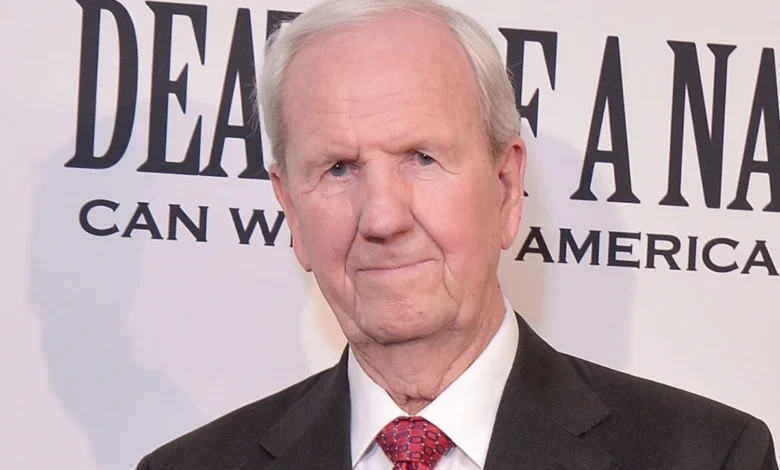
Gerald R. Molen, the celebrated Hollywood producer whose remarkable career spanned decades and included some of the most commercially successful and critically acclaimed films in cinematic history, has passed away at the age of 91. Best known for his enduring creative partnership with visionary director Steven Spielberg, Molen’s definitive contribution to the film industry culminated in an Academy Award for Best Picture for the haunting Holocaust drama Schindler’s List in 1994.
Molen’s death was formally communicated to the public by his great-niece, Rachel Lorraine Pullan, through a statement published on Instagram. Reflecting on his passing, Pullan noted that he transitioned to be reunited with his late wife, Pat, and his mother. She fondly remembered her great-uncle as a man defined by extraordinary moral character and deep-rooted professional integrity, highlighting an inspiring Hollywood trajectory that saw him rise from humble studio beginnings—moving set pieces and driving trucks—to the upper echelons of film production.
From Studio Lot Neighbor to Legendary Producer
Born in Montana in 1935, Molen’s lifelong connection to the motion picture industry was established early in his life. In 1947, his family relocated to North Hollywood, where his parents, Gerald Sr. and Edith, operated a local cafe situated directly adjacent to the Republic Pictures lot in Studio City. Growing up in the literal shadow of a major movie studio instilled in Molen an early fascination with filmmaking logistics and studio operations.
Rather than entering the industry through prestigious film schools or creative writing programs, Molen learned the craft from the ground up. He absorbed the rigorous operational mechanics of physical production by working hands-on jobs across various studio lots. This pragmatic, blue-collar approach to filmmaking earned him a reputation among directors, studio executives, and crew members as a dependable producer who could manage sprawling budgets, complex special effects, and intense shooting schedules without compromising artistic vision.
The Definitive Collaboration with Steven Spielberg
Molen’s career reached its zenith through his prolific collaboration with Steven Spielberg, a partnership that forever altered the landscape of modern blockbuster and prestige cinema. Their professional relationship officially commenced in 1985 when Molen served as a unit production manager on Spielberg’s critically lauded period drama The Color Purple.
Demonstrating exceptional organizational acumen and leadership on set, Molen quickly earned the trust of the director and the broader Amblin Entertainment team. This success led to an associate producer credit on the 1987 science-fiction family film *batteries not included, for which Spielberg served as executive producer.
The late 1980s and 1990s marked a golden era for Molen, who transitioned into a lead producer role for some of the most iconic cinematic achievements of the twentieth century. In 1993, Molen orchestrated the physical production of two vastly different monumental films: Jurassic Park, a technological marvel that revolutionized computer-generated imagery in cinema, and Schindler’s List, an emotionally harrowing black-and-white masterpiece documenting the Holocaust.
For Schindler’s List, Molen shared the Academy Award for Best Picture at the 66th Academy Awards in 1994 alongside Spielberg and fellow producer Branko Lustig. The film was both a critical triumph and a commercial success, cementing Molen’s reputation as a producer capable of handling sensitive historical subject matter with profound gravity and respect.
His extensive filmography with Spielberg also includes major blockbusters and fan favorites such as Hook (1991), The Lost World: Jurassic Park (1997), and Minority Report (2002). Furthermore, Molen served as a key producer on numerous projects under the Amblin Entertainment banner, contributing significantly to commercial hits such as The Flintstones (1994), The Little Rascals (1994), Little Giants (1994), Casper (1995), and the natural disaster epic Twister (1996).
Expanding Horizons Beyond Amblin
While widely celebrated for his work alongside Spielberg, Molen’s production credits extended far beyond the Amblin ecosystem, encompassing a diverse array of critically acclaimed dramas, action thrillers, and family-oriented features.
In 1988, Molen served as an associate producer on Barry Levinson’s Rain Man, starring Dustin Hoffman and Tom Cruise. The film was an overwhelming critical and commercial success, sweeping the Academy Awards by winning Best Picture, Best Director, Best Original Screenplay, and Best Actor for Hoffman. This early achievement further validated Molen’s ability to navigate high-stakes dramatic productions.
Molen continued to demonstrate his versatility by producing Tony Scott’s high-octane racing drama Days of Thunder (1990), starring Tom Cruise, as well as romantic fantasy features like Just Like Heaven (2005). Demonstrating that his career longevity remained robust well into the twenty-first century, Molen maintained an active presence in film production, lending his expertise to modern blockbusters including The Meg (2018) and its sequel, Meg 2: The Trench (2023). One of his final producing credits was the family-friendly holiday feature The Best Christmas Pageant Ever, showcasing a career that spanned nearly half a century of shifting cinematic trends.
Personal Life and Legacy
Outside of his high-profile career on Hollywood soundstages, Molen maintained a steadfast and deeply committed personal life. He was married to his wife, Pat, for nearly seventy years. The couple shared a long and enduring partnership until Pat’s passing in January 2024 at the age of 86. Family members noted that Molen’s grief following the loss of his wife deeply affected his final months, with relatives expressing solace that the couple are now reunited.
The passing of Gerald R. Molen marks the conclusion of a remarkable chapter in Hollywood history. He belonged to a generation of studio veterans who valued discipline, logistical precision, and practical execution above all else. His journey from driving set transport vehicles at Republic Pictures to accepting the Academy Award for Best Picture serves as an enduring testament to the classic Hollywood ideal of merit-based upward mobility.
Industry peers, film historians, and fans worldwide continue to pay tribute to a man whose behind-the-scenes leadership directly enabled some of the most cherished visual stories of the modern era. Molen’s professional footprint remains permanently etched into the fabric of American cinema, ensuring that his legacy will endure through the timeless films he helped bring to the silver screen.