The Best Tech Deals and Shopping Strategies for July 2026: A Comprehensive Live Tracking Report

As mid-summer 2026 approaches, the consumer electronics market has entered a period of unprecedented volatility and competitive pricing, driven by a convergence of back-to-school demand and the mid-year inventory clearing cycles of major retailers. Lifehacker, a primary source for tech guidance and consumer advocacy since 2005, has launched its definitive live tracking initiative to navigate this landscape. Under the direction of Shopping Editor Daniel Oropeza, the publication is utilizing advanced algorithmic price-tracking tools to distinguish genuine value from artificial "hype" designed to exploit consumer urgency. This initiative comes at a critical juncture where global supply chains have stabilized, yet inflationary pressures continue to influence the discretionary spending habits of tech enthusiasts and general consumers alike.
The Landscape of Summer 2026 E-Commerce
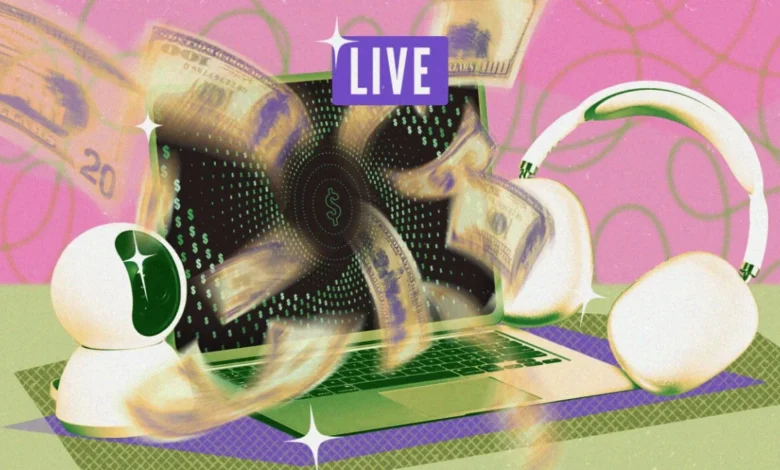
The month of July has historically evolved from a quiet mid-year period into a secondary "Black Friday" ecosystem. In 2026, this trend has intensified. Major players, including Amazon, Walmart, and Best Buy, have synchronized their promotional calendars, creating a "vortex" of discounts that can often overwhelm the average shopper. The primary challenge for consumers in this environment is not the lack of deals, but the difficulty in identifying which discounts represent a true historical low.
Daniel Oropeza, a veteran journalist with a background from Columbia University and the Miami Herald, spearheads the effort to curate these opportunities. The focus remains steadfast on high-demand categories: high-definition televisions, noise-canceling headphones, high-fidelity speakers, and home cinema projectors. By monitoring these specific sectors, the Lifehacker team aims to provide a filtered, high-signal feed of information that bypasses the "false urgency" often generated by countdown timers and limited-stock banners.
Chronology of the July 2026 Sales Cycle
The current sales environment did not emerge in a vacuum but is the result of a month-long escalation of retail maneuvers.
- July 1–July 5: The Early Access Phase. Retailers began the month with "Early Bird" specials aimed at capturing the initial wave of back-to-school shoppers. These deals focused primarily on laptops and basic productivity tools.
- July 6–July 12: The Competitive Posturing. As rumors of major mid-month events solidified, competitors began matching prices on legacy inventory, particularly 2025 model-year televisions and audio equipment.
- July 13–July 16: The Peak Promotional Window. This period saw the launch of several "Member Only" sales events across major platforms. It was during this window that Lifehacker’s tracking tools identified significant price drops in the premium audio sector.
- July 17 (Present Day): The Live Tracking Consolidation. With the market at its most active, the live blog serves as a real-time repository for vetted deals. The focus has shifted toward high-end projectors and home theater components, which often see the most significant percentage-based discounts during the final 48 hours of mid-summer events.
Supporting Data: Market Trends and Pricing Analysis
Data gathered from leading price-tracking APIs indicates that while the volume of "sale" items has increased by 14% compared to July 2025, the depth of the discounts varies significantly by category.
Television and Display Technology
In the TV sector, 2026 has seen a rapid democratization of Mini-LED and OLED technologies. Data shows that 65-inch OLED panels, which commanded a premium of $2,000 two years ago, are now frequently appearing in the $1,100 to $1,300 range during these July events. However, analysts warn that "entry-level" 4K sets often see the least actual movement, with many "sale" prices merely reflecting a $10–$20 drop from their standard MSRP.
Audio and Wearables
The headphone market remains the most saturated. With the release of several flagship models in the spring of 2026, older but still high-performing iterations from brands like Sony, Bose, and Sennheiser have seen price reductions of up to 40%. Lifehacker’s internal data suggests that the "sweet spot" for noise-canceling headphones currently sits between $249 and $299, representing the best balance of performance and value.
Projectors and Home Cinema
Portable 4K projectors have emerged as a high-growth category in 2026. As remote work and flexible living spaces remain prevalent, the demand for "theater-in-a-box" solutions has spiked. Tracking data reveals that July 2026 is the first time high-lumen laser projectors have dropped below the $1,000 threshold, marking a significant milestone for home theater enthusiasts.

The Methodology of Consumer Advocacy
A central pillar of the Lifehacker mission is the debunking of "hype." Retailers frequently use "anchor pricing"—a tactic where an item is listed at a high "original" price to make a standard sale price seem like a massive bargain.
"We use price-tracking tools to suss out the deals that are actually worth paying attention to," the Lifehacker team noted in their latest update. These tools allow editors to view the price history of an item over 365 days. If a product was cheaper during the previous holiday season than it is during a "massive" July sale, it is flagged as a "false deal." This rigorous verification process is essential in an era where dynamic pricing algorithms can change the cost of an item multiple times within a single hour.
Industry Responses and Retailer Strategies
Market analysts suggest that the transparency provided by outlets like Lifehacker has forced retailers to adjust their strategies. A spokesperson for a major national electronics chain, speaking on the condition of anonymity, noted that "consumers are more informed than ever. They aren’t just looking at the ‘percent off’ sticker; they are checking the price history on their phones while standing in our aisles."
In response, retailers have shifted toward "Value-Add" bundles—including extended warranties, subscriptions, or accessory kits—to maintain profit margins while still appearing competitive on the base price of the hardware. This shift requires even more vigilance from shopping editors to ensure that these bundles actually provide utility to the end-user rather than just fluffing the perceived value.
Broader Implications: The Future of Affiliate Journalism
The role of the "Shopping Editor" has evolved from a simple curator to a specialized data analyst. As Ziff Davis, the parent company of Lifehacker, continues to navigate the digital landscape, the emphasis on "science-based life advice" extends to the financial health of the reader.
The integration of affiliate links remains a standard revenue model for modern journalism. However, the ethical framework described by the Lifehacker team emphasizes that the commission earned does not dictate the recommendation. The commitment to "reliable tech help and credible, practical advice" serves as a safeguard against the conflict of interest that often plagues "top 10" lists on less reputable sites. In 2026, the credibility of a publication is its most valuable currency, especially as AI-generated content threatens to clutter the information space with unvetted recommendations.
Practical Advice for the July 2026 Shopper
As the live blog continues to update, the Lifehacker team offers several evergreen strategies for consumers looking to maximize their savings:
- Browser Extensions are Essential: Tools like CamelCamelCamel (for Amazon) or Keepa provide an immediate visual representation of whether a price is a true low or a temporary dip.
- Avoid the "Lightning Deal" Trap: Limited-time offers are designed to trigger the amygdala and bypass rational decision-making. If you didn’t need the item five minutes before the sale started, you likely don’t need it now.
- Check for Refurbished Options: In 2026, "Certified Refurbished" programs have reached a high level of reliability. Often, a flagship product from the previous year, refurbished by the manufacturer, offers better performance than a brand-new mid-range product at the same price point.
- Monitor the Return Window: With the volatility of July pricing, a better deal may appear 48 hours after a purchase. Savvy shoppers should ensure they are buying from retailers with robust price-matching or easy return policies.
Conclusion
The July 2026 tech sales cycle is more than just a shopping event; it is a testament to the ongoing battle between sophisticated retail algorithms and the informed consumer. Through the efforts of Daniel Oropeza and the Lifehacker team, the goal is to level the playing field. By combining journalistic integrity with data-driven analysis, the live blog provides a necessary service in a marketplace designed to confuse. As the month progresses, the focus will remain on the intersection of quality and cost, ensuring that when a reader decides to click "buy," they are doing so with the full weight of historical data and expert insight behind them. The vortex of dollar bills and marketing hype may be swirling, but with the right tools and guidance, consumers can navigate the storm and find genuine value in the digital age.