The automotive industry is facing a critical inflection point as the prestige traditionally associated with high-end vehicle ownership begins to erode in the eyes of the American consumer. According to the newly released 2026 American Customer Satisfaction Index (ACSI) study, the long-standing dominance of luxury car brands over their mass-market counterparts has effectively evaporated. For the first time in several years, the premium segment has seen its commanding lead vanish, resulting in a statistical tie that signals a burgeoning crisis of confidence among the nation’s most affluent drivers.
Throughout 2023, 2024, and 2025, luxury nameplates consistently outpaced high-volume manufacturers in terms of customer delight, service quality, and product reliability. However, the 2026 data indicates a sharp reversal of this trend. While mass-market vehicles saw a negligible 1% dip in satisfaction, the luxury segment suffered a more pronounced 3% decline. This downward trajectory has brought both sectors to an identical aggregate score of 78 on the ACSI’s 100-point scale. This parity suggests that the "premium experience" for which buyers pay a significant surcharge is no longer distinguishing itself from the standard ownership experience provided by more affordable brands.
A Comparative Analysis of Market Benchmarks
To understand the gravity of the automotive industry’s current standing, one must look toward other consumer sectors. An aggregate score of 78 places the automotive industry in an unenviable position, trailing behind several everyday service and product categories. For the 2026 reporting period, consumer satisfaction with automobiles now falls one point short of the cell phone market, fast-food establishments, and even household appliances like vacuum cleaners.
While the automotive sector managed to stay ahead of the airline industry, which landed at a score of 76, the gap is narrowing. Analysts suggest that the frustrations previously reserved for budget airlines—such as hidden fees, deteriorating service quality, and mechanical delays—are beginning to mirror the grievances voiced by luxury car owners. The "black eye" received by the luxury segment this year is particularly notable because it reflects a failure to meet the elevated expectations of a demographic that is increasingly sensitive to the value-to-price ratio during an era of fluctuating economic stability.
The Volatility of Brand Loyalty: Lexus and Cadillac Lead the Decline
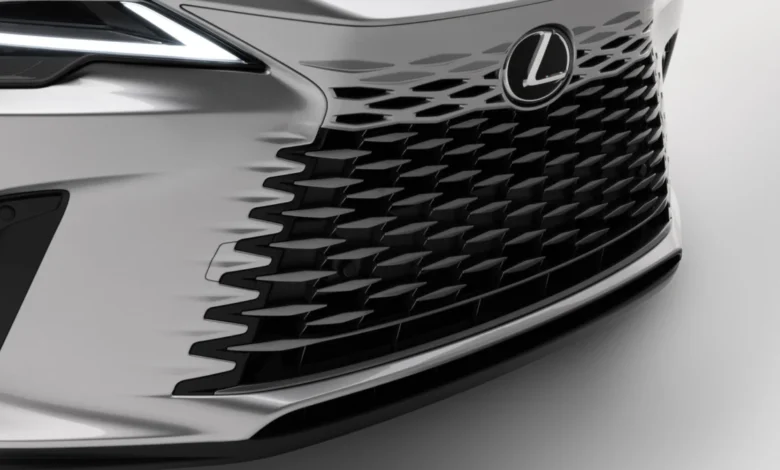
The most startling revelation in the 2026 ACSI study is the dramatic fall of Lexus, a brand that has historically served as the gold standard for reliability and customer care. In the 2025 survey, Lexus held a commanding lead with a score of 87 out of 100, dwarfing competitors like Mercedes-Benz, which sat at 82. In just twelve months, Lexus has seen its satisfaction rating plummet by a staggering 10%, landing at 78. This decline has pushed the Japanese luxury stalwart into the number-three spot, trailing behind Mercedes-Benz and Audi.
However, the struggles of Lexus pale in comparison to the collapse of sentiment surrounding Cadillac. Once the undisputed king of American "luxe land yachts," Cadillac has struggled to maintain its identity in the modern era. Between 2025 and 2026, Cadillac shed 15% of its customer satisfaction score, plummeting to a score of 69. This puts General Motors’ flagship luxury brand in last place among its peers. The data suggests that while Cadillac has attempted to pivot toward a more high-tech, performance-oriented lineup, its traditional fan base is no longer enamored with the brand’s current trajectory, and new adopters are finding the experience lacking compared to European rivals.
Buick, another General Motors entity, suffered even more acutely, recording a 16% drop in satisfaction—the largest single-year decline for any automaker in the 2026 study. These figures highlight a broader struggle within the domestic luxury market to retain consumer interest as the industry shifts toward electrification and software-defined vehicles.
The European Ascent and Tesla’s Strategic Pivot
Amidst the general decline, a few European manufacturers managed to buck the trend. Audi enjoyed a modest but significant 4% increase in overall satisfaction, reaching a score of 80 and securing the second-place position. Mercedes-Benz, despite a slight adjustment in its own internal metrics, claimed the top spot in the luxury segment with a score of 81. BMW also saw a marginal gain of 1%, ending the year with a score of 79. These brands appear to have successfully navigated the complexities of modern infotainment integration and powertrain transitions more effectively than their American and Japanese counterparts.
Tesla, the dominant force in the electric vehicle (EV) market, faced its own set of challenges in 2026. The Texas-based manufacturer saw a 4% decline in satisfaction, leaving it with a score of 78 and placing it in a fourth-place tie. Industry observers attribute some of this decline to Elon Musk’s strategic decision to "axe" the brand’s original halo products. By effectively killing the Model S and Model X to reallocate resources toward robotics and artificial intelligence, Tesla has alienated a segment of its prestige-seeking customer base. The move to prioritize "robots" over the luxury sedans and SUVs that built the brand’s reputation has seemingly diminished Tesla’s standing as a traditional luxury automaker, even as it pursues a more futuristic technological identity.
Quantifying the Decline: Fuel Economy, Apps, and Comfort
The 2026 ACSI study did not just measure general sentiment; it tracked specific performance metrics that provide a roadmap of where luxury brands are failing their customers. Across the board, the luxury segment faltered in every measured category.
One of the primary drivers of dissatisfaction is the quality of mobile applications. As vehicles become more integrated with digital ecosystems, owners expect seamless connectivity. However, luxury buyers reported increased frustration with buggy interfaces, slow load times, and paywalled features within brand-specific apps.
Furthermore, despite the industry’s push toward hybrid and electric powertrains, satisfaction with fuel economy continued to slip. This suggests that the real-world efficiency of modern luxury vehicles is failing to meet the marketing promises made to consumers. Perhaps most concerning for the segment is the 1% drop in overall comfort. For a category defined by leather-appointed cabins, noise insulation, and ride quality, any decline in comfort represents a fundamental failure to deliver on the core premise of luxury.
Historical Context and Economic Implications
To understand why 2026 has become a "year of parity" between luxury and mass-market cars, one must look at the narrowing gap in features. Ten years ago, technologies like adaptive cruise control, heated seats, and high-definition touchscreens were the exclusive domain of the elite. Today, these features are standard on a $25,000 Toyota or Honda.
As Toyota managed to pick up a percentage point in satisfaction this year, it serves as a testament to the "trickle-down" of technology. When a mass-market vehicle offers 90% of the utility and 80% of the luxury of a premium vehicle at 50% of the price, the satisfaction of the luxury buyer naturally wanes. The 2026 ACSI data confirms that the value proposition of high-end brands is being squeezed from both ends: rising costs of ownership (insurance, maintenance, and interest rates) and the increasing competence of affordable alternatives.
Official Reactions and Industry Outlook
While official statements from the automakers have been guarded, industry analysts suggest that the 2026 results will trigger a "back-to-basics" movement in the luxury sector. A spokesperson for the ACSI noted that "the data indicates a fatigue with over-complexity. Luxury buyers are no longer impressed by technology that doesn’t work perfectly every time. They are paying for a frictionless experience, and currently, they feel they are paying for a headache."
General Motors has not commented directly on Cadillac’s last-place finish, but internal reports suggest a renewed focus on dealership service standards to combat the 15% drop. Lexus, meanwhile, is expected to fast-track updates to its infotainment systems, which have been a recurring point of contention in owner surveys.
The broader impact of this study could be felt in the resale market. As customer satisfaction drops, brand loyalty typically follows, leading to higher churn and lower residual values. If luxury brands cannot find a way to reclaim their 80+ scores, the very definition of a "premium vehicle" may need to be redefined for the 2030s.
In conclusion, the 2026 American Customer Satisfaction Index serves as a stark warning to the automotive elite. The era of resting on brand heritage is over. Whether it is the 16% collapse of Buick or the 10% slide of Lexus, the message from American drivers is clear: prestige is no longer a substitute for performance, comfort, and reliability. As luxury cars now sit on equal footing with vacuum cleaners and fast food in the eyes of the public, the road to redemption will require more than just "robots" and marketing—it will require a fundamental reinvestment in the customer experience.
Related posts: