Abandon All Hope For A Free And Open Strait Of Hormuz Until Late 2027, Energy Analysts Say

The Strategic Importance of the Strait of Hormuz
The Strait of Hormuz is a narrow waterway linking the Persian Gulf with the Gulf of Oman and the Arabian Sea. It serves as the primary artery for the global energy trade, with approximately 20 to 21 million barrels of oil passing through it daily—representing roughly 21% of the world’s total petroleum liquid consumption. Unlike other maritime routes, there are few viable alternatives for the massive volumes of crude oil and liquefied natural gas (LNG) exported by Saudi Arabia, the United Arab Emirates, Kuwait, Iraq, and Iran.
Historically, any threat to the "freedom of navigation" in this passage has sent shockwaves through international markets. While previous decades saw intermittent "Tanker Wars" and localized skirmishes, the current geopolitical climate has evolved into what some analysts are now characterizing as a "Third Gulf War." The breakdown of temporary ceasefire agreements and the failure of recent diplomatic efforts to secure a lasting peace have forced analysts to abandon the "near-term return to status quo" narrative that had previously stabilized price expectations.
Revised Forecasts and Inventory Draws
Rapidan Energy Group’s latest statement underscores a grim reality for energy consumers and a potentially lucrative, albeit volatile, environment for traders. The firm noted that it can no longer assume a return to normalcy in the strait, citing the failure of political negotiations to de-escalate the conflict. "Expect ongoing military risks to constrain vessel transits through the Strait well into next year, keeping Arab Gulf production below pre-conflict levels through 4Q27," the group stated. This represents a one-year extension of their previous risk assessment.
Furthermore, the firm’s upcoming July oil market report is expected to show significant global inventory draws through the end of the year. In economic terms, an inventory draw occurs when demand exceeds supply, forcing the market to dip into stored reserves. This trend is traditionally "bullish" for crude prices, meaning it exerts upward pressure on the cost of a barrel. For investors and hedge funds, this suggests a period of sustained profitability; however, for the broader global economy, it signals a period of sustained inflationary pressure driven by energy costs.
The Trajectory Toward $200 Oil
Bob McNally, the CEO of Rapidan Energy Group and a former senior White House energy advisor, has been vocal about the potential for extreme price spikes. In recent interviews, McNally outlined three potential scenarios for the current conflict. With the collapse of ceasefire options, the most likely path involves a sustained military effort by the United States and its allies to "degrade Iran’s ability to disrupt traffic." The goal of such a campaign would be to reduce attacks to a "reasonable level," allowing military assets to escort commercial tankers through the narrow passage.
However, if military intervention fails to secure the waterway, McNally warns that the market will enter a period of "price discovery," where oil prices climb until they reach a level that triggers a global economic downturn. While the historical record for oil prices stands at approximately $147 per barrel—set during the summer of 2008—McNally suggests that the current geopolitical risk premium could push prices into the $200 range. Such an escalation would represent uncharted territory for the modern global economy, potentially leading to widespread stagflation and a collapse in consumer spending power.
Impact on Domestic Fuel Prices
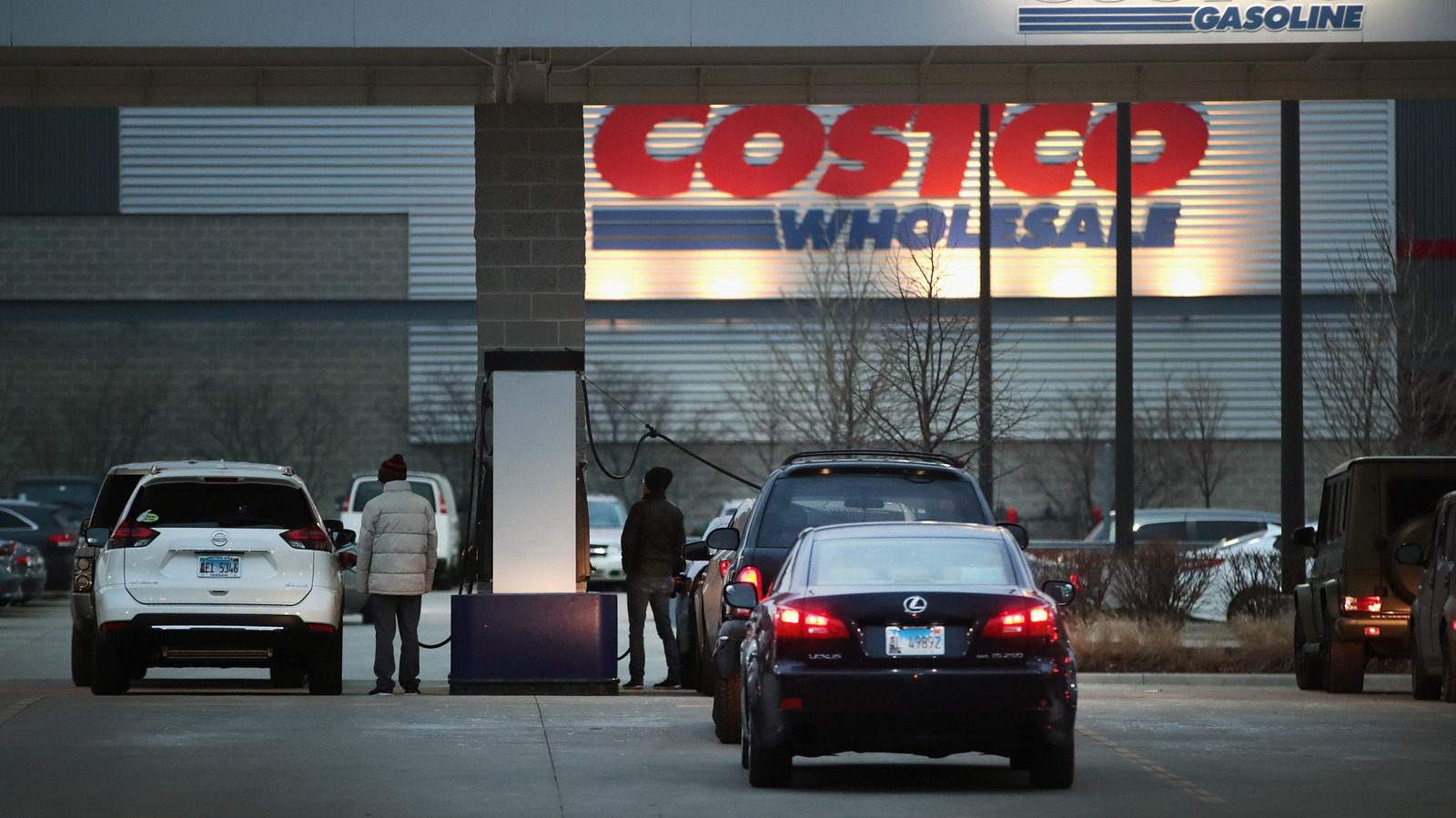
The domestic implications of $200-per-barrel oil are severe. Financial experts and energy analysts predict that if crude oil reaches these levels, the average price of gasoline in the United States would likely climb to between $6.50 and $7.00 per gallon. This would represent a nearly 100% increase from the historical norms seen over the last decade.
Recent data suggests the trend is already moving in a concerning direction. Despite fluctuations, national average gas prices have returned to over $4.00 a gallon, with diesel—the lifeblood of the logistics and shipping industry—exceeding $5.00 a gallon for the second time this year. Patrick De Haan, an analyst at GasBuddy, noted that this volatility is unprecedented. The U.S. has never before seen gas prices cross the $4.00 threshold, retreat into the $3.00 range, and سپس surge back over $4.00 within the same calendar year. This "yo-yo" effect creates significant uncertainty for both household budgeting and corporate supply chain planning.
A Chronology of Escalation
The current crisis is the culmination of years of deteriorating relations and strategic shifts in the Middle East. To understand the 2027 projection, one must look at the timeline of events that led to the current maritime insecurity:
- 2018: The U.S. withdrawal from the Joint Comprehensive Plan of Action (JCPOA) and the re-imposition of "maximum pressure" sanctions on Iran. This marked the end of the era where cargo ships moved through the strait without significant military oversight or excessive insurance premiums.
- 2022: The Russian invasion of Ukraine caused an initial global energy shock, pushing gas prices to record highs and forcing Western nations to pivot their energy dependencies.
- 2023-2024: The outbreak of open hostilities and the failure of the "Republican-enabled" diplomatic strategies (as described by some critics) led to the collapse of temporary ceasefires. Military risks began to directly impact the commercial shipping lanes in the Strait of Hormuz and the Red Sea.
- 2025-2027 (Projected): Analysts expect a period of "military-constrained" transit. Shipping companies will face massive tolls, increased insurance "war risk" premiums, and the necessity of naval escorts, all of which add to the landed cost of crude oil.
Broader Economic and Geopolitical Implications
The persistence of high energy costs through 2027 has implications that extend far beyond the gas pump. High diesel prices directly correlate with increased costs for food and consumer goods, as transportation remains a primary overhead expense for retailers. If the Strait of Hormuz remains "closed" or highly restricted, the global supply chain will have to rely on longer, more expensive routes around the Cape of Good Hope, further straining the global logistics network.
Furthermore, the shift in energy market attitudes suggests a long-term "de-risking" from Middle Eastern oil, which could accelerate the transition to electric vehicles and renewable energy in some regions while causing economic devastation in developing nations that cannot afford the $200-per-barrel price tag.
The political fallout is also expected to be significant. Energy prices are often a deciding factor in national elections, and a three-year window of "high and rising" prices could influence the political landscape in the U.S. and Europe well into the late 2020s. As the Rapidan Energy Group analysis suggests, the hope for a "quick return to the status quo" was a miscalculation. The world must now prepare for a protracted period where the free and open movement of energy through the Strait of Hormuz is the exception, rather than the rule.
In summary, the energy market’s optimism has been replaced by a sober realization: the geopolitical complexities of the Middle East, combined with a return to open military conflict, have created a structural deficit in the global oil supply that may not be resolved until 2028 or beyond. For the average consumer, this means that the era of cheap, stable energy prices is, for the foreseeable future, a thing of the past.