Panamint Capital Breaks Ground on Big Rooter Power as North America’s Largest Coal-Site Solar Project in Texas.

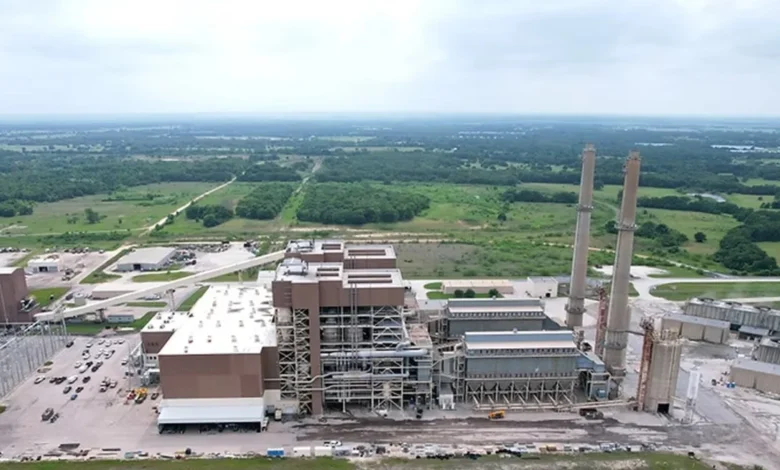
In a move that underscores the complex transition of the American energy landscape, Panamint Capital has officially commenced construction on Big Rooter Power, a massive $1.7 billion solar energy installation situated at the existing Twin Oaks power station in Robertson County, Texas. Spanning a vast 10,000-acre complex located strategically between the metropolitan hubs of Dallas and Houston, the 1.2-gigawatt direct current (GWdc) project is set to become the largest solar farm ever constructed at an active or former coal mining site in North America. However, unlike many contemporary renewable energy transitions that involve the decommissioning of fossil fuel assets, Big Rooter Power represents a unique "all-of-the-above" approach where solar capacity will coexist with existing coal-fired generation.
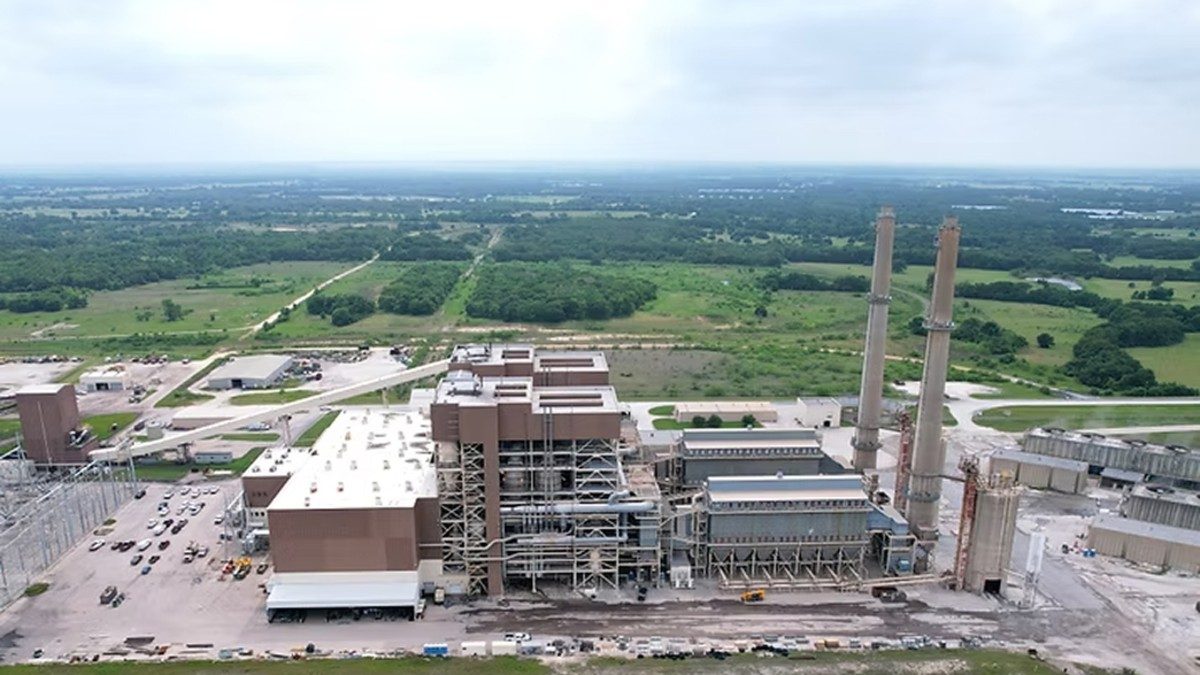
The Twin Oaks site currently houses a 310-megawatt (MW) lignite-fired power plant near the town of Bremond. Despite the massive influx of renewable capital, Panamint Capital has indicated no immediate plans to retire the coal facility. Instead, the developer is transforming the site into a multi-generational energy hub that integrates traditional thermal power, large-scale photovoltaics, battery storage, and high-intensity data center operations. This hybrid model reflects the growing tension in the Texas energy market: a desperate need for decarbonization balanced against an insatiable and rapidly growing demand for 24/7 grid reliability.
Project Phases and Developmental Timeline
The realization of Big Rooter Power is structured into two distinct phases, designed to manage the logistical complexities of such a massive infrastructure undertaking. Construction has officially begun on the first phase, known as Big Rooter West. This segment of the project will boast a capacity of 491 MWdc and is currently projected to reach commercial operation by August 2028.

The second phase, Big Rooter East, is significantly larger at 658 MWdc. Groundbreaking for this eastern segment is scheduled for December 2026, with an anticipated completion date of August 2029. By the turn of the decade, the combined solar output, paired with the existing coal generation, will bring the total nameplate capacity of the Twin Oaks complex to approximately 1.5 gigawatts.
The timeline also includes the integration of advanced grid-balancing technologies. Panamint is developing 1.6 gigawatt-hours (GWh) of battery energy storage systems (BESS) on-site. These batteries will be crucial for mitigating the intermittency of solar power, allowing the facility to discharge stored energy during peak evening hours when solar production drops but demand on the Electric Reliability Council of Texas (ERCOT) grid remains high. To facilitate this massive energy throughput, the project includes the construction of more than 20 miles of new 345 kV high-voltage transmission lines.
Technical Specifications and Domestic Supply Chain
The Big Rooter Power project is notable not only for its scale but for its heavy reliance on domestic manufacturing, a trend bolstered by the incentives provided under the U.S. Inflation Reduction Act (IRA). The project will utilize approximately 2 million solar panels supplied by First Solar. These modules are expected to be sourced from First Solar’s expanding manufacturing footprint in Ohio, Louisiana, and Alabama, highlighting a commitment to a "Made in America" supply chain.
To maximize energy harvest, the arrays will utilize NX Horizon smart solar tracking systems provided by Nextracker. These systems allow the panels to follow the sun’s trajectory throughout the day, significantly increasing the capacity factor of the installation compared to fixed-tilt systems. Furthermore, the structural integrity of the site will be supported by more than 34,000 tons of U.S.-manufactured steel.
SOLV Energy has been contracted to lead the engineering, procurement, and construction (EPC) efforts. Their mandate includes the installation of the solar arrays, the construction of dedicated substations, and the integration of the transmission infrastructure. The scale of the build is expected to generate significant labor demand, with Panamint estimating the creation of more than 800 construction jobs during the peak of the two-phase build-out.
The Economic and Industrial Context of Robertson County
The location of the Twin Oaks complex in Robertson County is highly strategic. Positioned roughly halfway between two of the fastest-growing metropolitan areas in the United States—Dallas and Houston—the site sits at a nexus of high electricity demand. Panamint estimates that the first phase of the project alone will contribute upwards of $66 million to the local economy over its operational lifespan. This economic infusion is expected to come through direct tax revenues, local hiring initiatives, and the use of regional vendors for maintenance and security services.
Beyond power generation, the site is being prepared for a massive industrial load: 790 MW of dedicated data center capacity. As artificial intelligence (AI) and cloud computing continue to expand, Texas has emerged as a primary destination for data center developers seeking land and relatively lower energy costs. According to market insights from JLL, the Dallas-Fort Worth region is one of the tightest and fastest-growing data center markets in the world. By co-locating data centers with 1.5 GW of generation and 1.6 GWh of storage, Panamint is creating a "behind-the-meter" or near-site solution that could insulate data center operators from some of the volatility of the broader ERCOT market.
Strategic Rationale: Why Coal and Solar Coexist
The decision to keep the 310 MW Twin Oaks coal plant operational while building a $1.7 billion solar farm may seem counterintuitive to environmental advocates, but it aligns with the current operational realities of the Texas power grid. ERCOT has faced several years of extreme weather events, from winter storms to record-breaking summer heatwaves, which have pushed the grid to its limits.

Lignite-fired plants, while carbon-intensive, provide "firm" baseload power—generation that can be dispatched regardless of whether the sun is shining or the wind is blowing. By maintaining the coal plant, Panamint ensures that the site remains a reliable contributor to grid stability. This "all-of-the-above" strategy was echoed by Panamint CEO Apolka Totth, who stated that the project represents a vision for "ensuring America’s energy dominance" by maximizing the utility of existing infrastructure.
Furthermore, the site’s history as a coal mine provides a unique "brownfield" advantage. These sites already possess much of the heavy industrial zoning and transmission interconnection points required for large-scale energy projects. Utilizing a coal site for solar avoids the "greenfield" challenges of converting pristine agricultural land or wildlife habitats into industrial zones, which often faces local opposition.
Market Implications and Offtake Agreements
Panamint Capital has secured the financial viability of Big Rooter Power through a long-term power purchase agreement (PPA) with what it describes as a "single investment-grade offtaker." While the specific identity of the buyer has not been disclosed, the contract is set to run into the 2050s, providing the long-term price certainty required to finance a $1.7 billion investment.
Industry analysts speculate that the offtaker is likely a major technology corporation or a large industrial entity with significant sustainability goals. Given the planned 790 MW of data center capacity on-site, it is highly probable that the power will be used to offset the massive carbon footprint of high-performance computing clusters. Such "bundled" deals—where a company buys both the land for a data center and the renewable energy to power it—are becoming the gold standard for Big Tech’s expansion into the energy-rich Sun Belt.

Broader Impact on the Texas Energy Transition
The Big Rooter Power project serves as a microcosm of the broader energy transition occurring in Texas. The state currently leads the nation in both wind and solar installations, yet it remains one of the largest consumers and producers of fossil fuels. The coexistence of a lignite plant and a massive solar farm at Twin Oaks illustrates a transition period where renewable energy is added to meet soaring demand rather than immediately replacing existing thermal assets.
As data center growth continues to outpace grid upgrades, the "energy hub" model seen at Twin Oaks—combining generation, storage, and high-load consumers in one location—is likely to be replicated. For Robertson County, the project represents a shift from being a traditional mining community to becoming a high-tech energy corridor.
In the long term, the success of Big Rooter Power will be measured not just by its gigawatts, but by its ability to provide reliable power to the ERCOT grid. As the project moves toward its 2028 and 2029 completion dates, it will stand as a landmark example of how the United States is attempting to bridge the gap between its industrial past and its renewable future, all while navigating the relentless demand of the digital age.