Groundbreaking AI Application: AlphaFold Pinpoints Gene-Editing Protein Flaws to Enhance Safety and Specificity

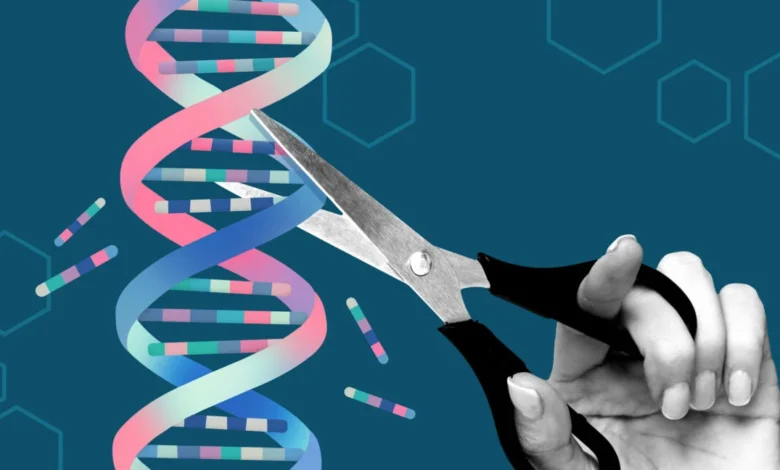
The landscape of genetic medicine is undergoing a profound transformation, with gene-editing technologies poised to revolutionize the treatment of countless diseases. However, a significant hurdle in their clinical application has been ensuring their absolute precision and safety. A recent study, published in Nature, marks a critical leap forward, demonstrating how an advanced version of Google’s AlphaFold artificial intelligence (AI) protein-folding software can be leveraged to identify and rectify the specific structural elements within gene-editing proteins responsible for unintended modifications, known as off-target effects. This innovative approach offers a generalizable methodology for rationally designing safer and more specific gene-editing tools, potentially accelerating the translation of these therapies from bench to bedside.
The Quest for Precision: Gene Editing and Its Inherent Challenges
The journey towards precise gene editing began decades ago with the discovery of systems capable of selectively targeting and modifying DNA sequences. Early platforms, such as Zinc Finger Nucleases (ZFNs) and Transcription Activator-Like Effector Nucleases (TALENs), laid foundational groundwork but were complex and often challenging to engineer for specific applications. The advent of CRISPR-Cas9 (Clustered Regularly Interspaced Short Palindromic Repeats-CRISPR associated protein 9) in the early 2010s, however, sparked a revolution. This bacterial immune system, repurposed for genome engineering, offered unprecedented ease, efficiency, and flexibility in modifying DNA, rapidly becoming the cornerstone of modern gene editing.
CRISPR-Cas9 systems operate with three key components:
- Guide RNA (gRNA): A short RNA molecule designed to be complementary to a specific target DNA sequence in the genome. It directs the Cas protein to the desired location.
- Cas Protein: Typically Cas9, an enzyme that binds to both the guide RNA and the genomic DNA. Its primary role is to enforce the specificity of the interaction and catalyze the DNA modification.
- Effector Protein/Domain: In the original CRISPR-Cas9 system, the Cas9 protein itself contained nuclease activity, cutting both strands of the DNA double helix. More advanced systems now employ modified Cas proteins or additional effector proteins that catalyze more subtle changes, such as single-base edits or chemical modifications, offering greater control over the outcome.
Despite their power, all gene-editing systems, including CRISPR-Cas9, face a critical safety challenge: off-target effects. The human genome is vast, comprising approximately 3 billion base pairs. While guide RNAs are designed to be highly specific—typically 18 to 20 bases long, a sequence that statistically should appear only once in about 70 billion bases—the reality is more complex. Cas9, or other Cas family members, can tolerate a small number of mismatches between the guide RNA and the genomic DNA without losing its ability to bind and effect a change. These permissible mismatches, which can vary in number and location, make it exceedingly difficult to predict all potential off-target sites in advance.
The consequences of off-target edits can range from benign to severely problematic, potentially leading to unintended gene disruptions, activation of oncogenes, or the inactivation of tumor suppressor genes, thereby increasing the risk of cancer. Moreover, the immune system can react to cells with unintended edits, complicating therapeutic outcomes. Therefore, minimizing or eliminating these errors is paramount for the safe and effective development of gene therapies. Extensive research has been dedicated to improving the specificity of gene-editing tools through various strategies, including optimizing guide RNA design to avoid sequences with high genomic homology and engineering Cas proteins with enhanced fidelity through methods like directed evolution.
AlphaFold: Reshaping Structural Biology and Beyond
The recent breakthrough hinges on the application of AlphaFold, an AI system developed by DeepMind (now Google DeepMind). AlphaFold made headlines in 2020 by largely solving the "protein folding problem," a grand challenge in biology that had puzzled scientists for 50 years. It accurately predicts the 3D structure of proteins from their amino acid sequences, a task previously requiring laborious and costly experimental methods like X-ray crystallography or cryo-electron microscopy. This capability has profoundly impacted drug discovery, enzyme engineering, and fundamental biological research, providing unprecedented insights into molecular mechanisms.
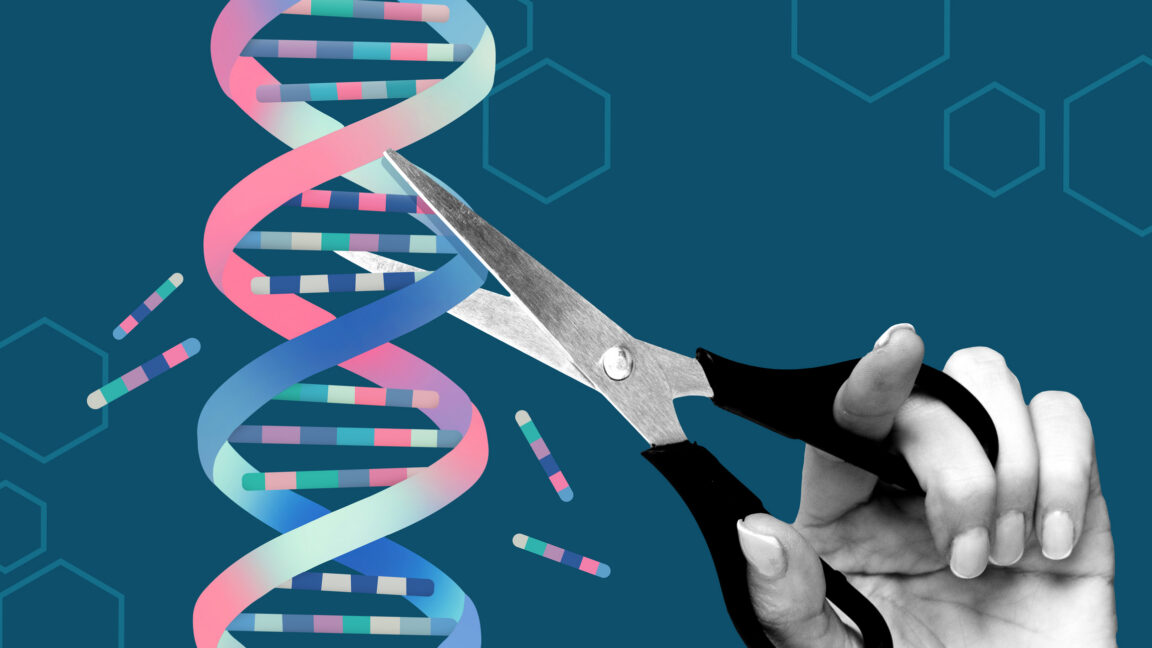
Crucially, AlphaFold has continued to evolve. While initially focused on single proteins, updated versions have gained the capacity to predict the structures of multi-protein complexes and, more recently, interactions between proteins and nucleic acids (DNA or RNA). This expansion of capabilities is what made its application to the complex molecular machinery of gene editing possible. By offering accurate structural predictions, AlphaFold provides a detailed blueprint of how these molecular components interact, enabling researchers to understand not just what happens, but how at an atomic level.
The Research Journey: From Off-Target Identification to Rational Redesign
The international research team, based at several institutions in China, embarked on this ambitious project with a clear hypothesis: off-target interactions are not random events but are mediated by specific structural conformations within the Cas protein that accommodate mismatches. If these problematic regions could be identified, they could be rationally modified to enhance specificity.
The methodology unfolded in several distinct phases:
-
Comprehensive Off-Target Site Mapping: The first critical step involved generating a vast library of off-target editing sites. The researchers employed a modified CRISPR system that converts the DNA base adenine to inosine. This system was used with ten different guide RNAs, allowing them to survey a broad range of potential off-target interactions. By isolating and analyzing DNA fragments containing these adenine-to-inosine conversions, they amassed a rich dataset illustrating the diverse types of sequences where off-target editing could occur. This empirical data provided the necessary "ground truth" for subsequent computational analysis.
-
AlphaFold’s Structural Insights – Overcoming Hurdles: With the experimental data in hand, the team turned to AlphaFold. Their initial attempt involved feeding AlphaFold the full complex: the target DNA sequence, the guide RNA, the Cas9 sequence, and the enzyme responsible for chemically modifying bases. However, AlphaFold struggled with this complex assembly, producing a structure where one of the proteins was clearly misplaced. Undeterred, the researchers simplified the input, focusing on the core components directly involved in sequence recognition: the DNA, the guide RNA, and the Cas9 protein. This strategic simplification proved successful, generating structures that closely matched those determined by traditional experimental methods.
-
Developing ContactSeek: Pinpointing Mismatch-Induced Changes: By comparing AlphaFold-generated structures of Cas9 bound to perfectly matched (on-target) DNA sequences versus those with mismatches (off-target sites), a clear pattern emerged. The team observed that approximately two-thirds of the off-target sites caused Cas9 to adopt a subtly different overall structure. More significantly, nearly all (over 95 percent) of the off-target interactions resulted in altered amino acid contacts between Cas9 and the guide RNA/DNA hybrid. This indicated that even when the overall protein structure remained largely stable, specific amino acids within Cas9 were flexing or reorienting to accommodate the mispaired bases.
This observation was crucial because AlphaFold is inherently capable of calculating "contact probability"—the likelihood that any two atoms (e.g., amino acids in the protein, nucleotides in the DNA/RNA) are within a very small, defined distance (eight Angstroms). The researchers capitalized on this feature, developing a computational analysis pipeline they named "ContactSeek." ContactSeek systematically compared the contact probabilities for on-target versus off-target binding events, precisely identifying which amino acids in Cas9 exhibited altered interactions when a mismatch was present. These amino acids, particularly those clustering together, were flagged as critical mediators of off-target activity.
-
Rational Design and Experimental Validation: ContactSeek initially produced a substantial list of amino acids. To make the design process tractable, the researchers focused on regions where these amino acids clustered, interpreting these clusters as "hotspots" of adaptive flexibility that accommodated mismatches. They then proceeded to experimentally test modified versions of Cas9.

In a rigorous validation process, the team introduced 23 different amino acid swaps into 10 key positions identified by ContactSeek. The results were compelling: they successfully engineered a Cas9 variant that maintained its high activity at desired on-target sites but saw its off-target activity plummet from 28 percent to a mere 5 percent. This significant improvement in specificity was reproducible with different guide RNAs and, importantly, the approach also proved effective for Cas12, another widely used Cas protein, demonstrating the generalizability of the ContactSeek method across different gene-editing systems.
Comparing Approaches and Future Outlook
The development of high-fidelity Cas proteins is not new. Other research teams have successfully employed methods like directed evolution, a technique that mimics natural selection in the laboratory, to screen for and select Cas9 variants with reduced off-target editing. When tested against these previously developed high-fidelity variants, the Cas9 versions designed using ContactSeek showed comparable or even slightly superior activity and specificity.
The key distinction, however, lies in the underlying methodology. Directed evolution is largely an empirical, trial-and-error process, albeit a powerful one. ContactSeek, by contrast, represents a rational design approach. It provides a mechanistic understanding of why off-target events occur at a molecular level, allowing researchers to precisely target and modify specific amino acids. This rational design capability means that the modifications identified by ContactSeek can be tailored more specifically to particular guide RNA/mismatch combinations, addressing highly nuanced off-target challenges.
The potential for synergy is also high. The specific amino acid changes identified through ContactSeek could conceivably be combined with beneficial modifications discovered through directed evolution, potentially leading to even greater improvements in safety and specificity. While this combinatorial approach was not tested in the current study, it represents a promising avenue for future research.
Broader Impact and Implications for Gene Therapy and Beyond
This work holds profound implications, particularly for the burgeoning field of gene therapy:
- Accelerated Therapeutic Development: By providing a systematic and rational method for reducing off-target effects, ContactSeek could significantly accelerate the development pipeline for gene therapies. Ensuring the safety of gene-editing tools is a major bottleneck in preclinical and clinical development, requiring extensive and often time-consuming validation. This AI-driven approach offers a streamlined path to engineering highly precise tools, potentially reducing the time and cost associated with bringing new therapies to patients suffering from genetic diseases like sickle cell anemia, cystic fibrosis, and Huntington’s disease.
- Enhanced Precision Medicine: The ability to tailor gene-editing systems to prevent specific known off-target events opens doors for truly personalized medicine. For individual patients, it may be possible to design a gene-editing regimen that is optimally safe, minimizing unique risks based on their genomic background.
- A New Era of Rational Biological Design: Beyond gene editing, the researchers suggest that ContactSeek’s underlying principle—fine-tuning protein-DNA interactions—has much broader applications. This could revolutionize the design of other biotechnologies, from novel diagnostics and biosensors to advanced synthetic biology tools and enzymes for industrial processes. It underscores a paradigm shift in molecular biology, where AI moves beyond prediction to become a powerful engine for design and engineering.
- Validation of AI in Scientific Discovery: This study serves as a compelling testament to the transformative power of AI in fundamental scientific research. AlphaFold, initially celebrated for solving a prediction problem, is now demonstrating its utility as a design tool, enabling breakthroughs that would be far more challenging, if not impossible, with traditional methods. It highlights the growing symbiotic relationship between AI and experimental biology.
In conclusion, the integration of AlphaFold’s structural prediction capabilities with experimental validation has yielded a powerful new methodology for enhancing the safety and specificity of gene-editing systems. By rationally identifying and modifying the molecular determinants of off-target activity, ContactSeek ushers in a new era of precision genome engineering. This breakthrough not only promises to accelerate the delivery of life-changing gene therapies but also establishes a blueprint for AI-driven rational design across the vast landscape of molecular biology, paving the way for innovations far beyond our current imagination.
Nature, 2026. DOI: 10.1038/s41586-026-10794-z.