EIB Global and WHO Announce €10 Million Grant to Rebuild Lebanon’s Central Public Health Laboratory and Support Vulnerable Patients Amid Crisis

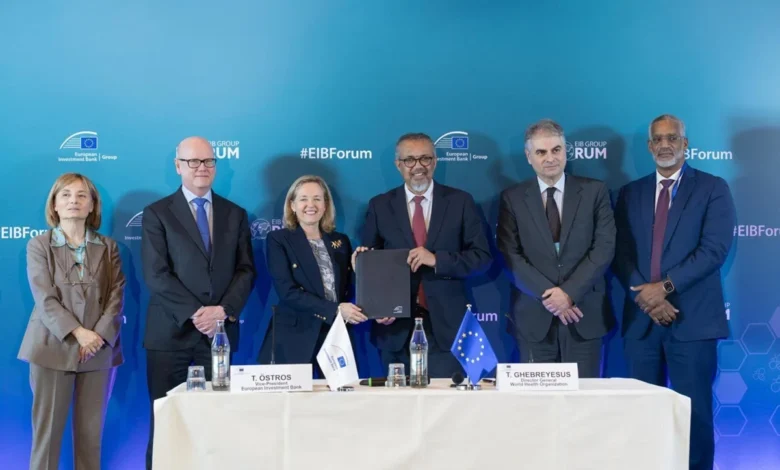
On March 6, 2025, a significant step toward healthcare stabilization in the Middle East was formally codified at the European Investment Bank Group Forum in Luxembourg. Dr. Tedros Adhanom Ghebreyesus, Director-General of the World Health Organization (WHO), met with Thomas Östros, Vice-President of the European Investment Bank (EIB Global), to sign a landmark financing agreement. The accord unlocks a €10 million grant dedicated entirely to overhauling and fortifying public health infrastructure across Lebanon, a nation currently grappling with unprecedented socioeconomic and humanitarian pressures.
This strategic partnership is designed to tackle two critical pillars of the Lebanese health crisis: the complete re-establishment of the nation’s shattered Central Public Health Laboratory and the uninterrupted delivery of life-saving medications and medical care to more than 50,000 vulnerable individuals suffering from severe chronic illnesses, including diabetes, cardiovascular diseases, and various forms of cancer. As Lebanon continues to navigate the cascading effects of economic collapse, regional instability, and infrastructure decay, this injection of international capital represents a vital lifeline for a healthcare system on the brink of collapse.
Main Facts and Core Objectives of the Initiative
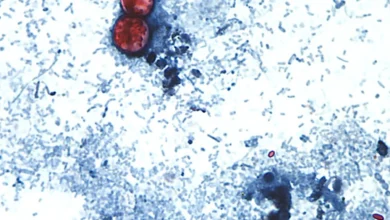
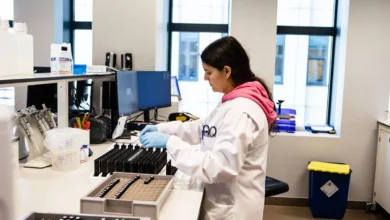
The €10 million grant is structured to yield immediate humanitarian relief while simultaneously laying the groundwork for long-term health security. At the heart of the initiative is the physical and operational resurrection of Lebanon’s Central Public Health Laboratory (CPHL). Prior to its degradation, the CPHL served as the cornerstone of the country’s disease surveillance, food safety verification, water quality testing, and national outbreak response. Without a functioning central laboratory, health authorities have operated largely in the dark, struggling to accurately track infectious diseases, monitor antimicrobial resistance, or verify the safety of imported pharmaceuticals and consumables.
Beyond laboratory infrastructure, the funding addresses a desperate human need: the provision of chronic disease medications. In a country where hyperinflation has rendered basic imports unaffordable for a vast majority of the population, patients requiring continuous treatment for non-communicable diseases (NCDs) have faced agonizing choices between purchasing food and securing medication. The EIB Global and WHO initiative directly targets over 50,000 high-risk patients, ensuring a reliable, sustained supply chain of essential therapeutics for conditions that are fatal if left untreated. By subsidizing and distributing these medicines through established networks, the program aims to prevent thousands of preventable hospitalizations and premature deaths.
Chronology of a Healthcare Collapse: Background Context
To understand the profound weight of the March 2025 agreement, one must examine the cascading timeline of crises that brought Lebanon’s healthcare sector to its current vulnerable state.
The decline began in earnest in late 2019, when Lebanon plunged into one of the worst economic depressions globally recognized in modern history, characterized by the collapse of the banking sector and the devaluation of the Lebanese pound by more than 90 percent. As the local currency lost its purchasing power, the central bank gradually phased out subsidies on essential goods, including fuel and imported pharmaceutical products.
By 2020, the situation was catastrophically compounded by the August 4 Beirut Port explosion. The devastating blast destroyed or severely damaged numerous healthcare facilities, warehouses containing medical supplies, and critical infrastructure in the capital, while simultaneously injuring thousands of citizens. Major hospitals were forced to function at reduced capacities precisely when casualty numbers peaked.
The years 2021 through 2023 witnessed a massive brain drain within the medical community. Thousands of specialist physicians, surgeons, nurses, and laboratory technicians emigrated in search of stable livelihoods abroad, leaving Lebanese hospitals chronically understaffed. Concurrently, medicine shortages became a daily reality. Pharmacies struggled to stock basic antibiotics, insulin, hypertension drugs, and chemotherapy treatments. The public health sector, which traditionally absorbed the influx of patients who could no longer afford private healthcare, found itself entirely unequipped to manage the demand.
By late 2023 and throughout 2024, renewed regional conflict along Lebanon’s southern border triggered mass internal displacement, placing an additional, unbearable strain on public clinics and regional hospitals. Displaced populations, often living in crowded temporary shelters, faced heightened risks of communicable disease outbreaks amid compromised sanitation infrastructure. The absence of a functioning Central Public Health Laboratory during this period severely hampered the Ministry of Public Health’s ability to conduct genomic sequencing, monitor waterborne pathogens like cholera, and ensure rigorous epidemiological oversight.
The intervention signed on March 6, 2025, therefore arrives at a critical juncture—bridging the gap between emergency humanitarian triage and the systematic rebuilding of national health resilience.
Supporting Data: The Scale of Need in Lebanon
The urgency of the €10 million EIB Global-WHO partnership is underscored by stark epidemiological and socioeconomic data compiled by United Nations agencies and international humanitarian organizations operating in the region.
According to WHO assessments, over 80 percent of the Lebanese population currently lives below the multidimensional poverty line. The cost of healthcare has skyrocketed relative to median household incomes, making out-of-pocket medical expenditures impossible for the average family. Non-communicable diseases account for approximately 90 percent of all deaths in Lebanon, with cardiovascular diseases and cancer leading the mortality statistics. For the 50,000-plus chronic disease patients targeted by this new grant, a disruption in treatment translates directly to acute medical emergencies, organ failure, or mortality.
Furthermore, public health spending by the Lebanese government, which once constituted a significant portion of the national budget, dwindled to fractional percentages following the financial collapse. The reliance on external developmental aid and multilateral grants has become the sole mechanism keeping public clinics operational. The rebuilding of the Central Public Health Laboratory addresses a macroeconomic vulnerability as well: without certified national laboratory testing, Lebanon has faced immense hurdles in exporting local agricultural and food products, and has been entirely dependent on costly external laboratories for verification processes. Restoring the CPHL will restore regulatory sovereignty and reduce long-term diagnostic costs.
Official Responses and Statements from Partner Leadership
The signing ceremony in Luxembourg drew notable remarks from the leadership of both institutions, highlighting the collaborative spirit and moral imperative driving the project.
Dr. Tedros Adhanom Ghebreyesus, Director-General of the WHO, emphasized the human cost of the crisis and the necessity of safeguarding health systems during turbulent times. "Health is a fundamental human right, yet millions of people in Lebanon have been forced to go without the most basic care and life-saving medicines due to circumstances entirely beyond their control," Dr. Tedros stated following the signing. "This vital contribution from EIB Global allows the World Health Organization to restore critical diagnostic capabilities through the Central Public Health Laboratory while delivering tangible, life-saving medicines to tens of thousands of individuals who are suffering from chronic illnesses. We are deeply committed to ensuring that no vulnerable patient is left behind."
Echoing these sentiments, Thomas Östros, Vice-President of the European Investment Bank, pointed to the broader strategic goals of EIB Global in fostering sustainable development and human security in neighboring regions. "As the EU’s climate and development bank, EIB Global recognizes that economic stability cannot be achieved without a resilient social fabric, of which public health is an absolute pillar," Östros remarked. "Our partnership with the WHO in Lebanon is a direct expression of European solidarity. By investing €10 million into public health infrastructure and patient care, we are helping to restore dignity, operational capacity, and essential services to communities facing extraordinary hardship. This is an investment in stability, recovery, and the future wellbeing of the Lebanese people."
Fact-Based Analysis: Broader Implications and Long-Term Impact
The implementation of the €10 million grant carries profound implications for the future trajectory of Lebanon’s health sector. Analysts tracking the region have identified several key areas where this funding will alter the current operational landscape.
First, the decentralization of risk management will improve significantly. By restoring the Central Public Health Laboratory, Lebanon regains its independent diagnostic backbone. In the event of future epidemiological threats—whether zoonotic outbreaks, food safety contaminations, or antimicrobial-resistant strains—the Ministry of Public Health will no longer have to rely exclusively on ad-hoc international sample processing. This fosters national self-reliance and speeds up public health decision-making timelines from weeks to hours.
Second, targeting chronic disease patients directly relieves the immense financial pressure currently placed on tertiary care hospitals. When patients with diabetes or cardiovascular complications lose access to routine maintenance medications, their conditions inevitably deteriorate into costly, emergency-room-level crises. By maintaining a steady supply of outpatient therapeutics for over 50,000 individuals, the initiative acts as a shock absorber for emergency departments, preventing them from being completely overwhelmed and preserving scarce intensive care resources for acute trauma and surgical needs.
Third, the partnership sets a precedent for effective multilateral collaboration between financial institutions and specialized UN agencies. Traditionally, financial banks like the EIB focus on large-scale infrastructure projects such as roads, energy grids, and water treatment plants. Direct intervention in public health pharmaceuticals and laboratory rebuilding demonstrates an evolution toward human-centric development finance, recognizing that human capital is the foundational asset of any functioning economy.
However, experts caution that while the €10 million grant is a monumental and timely intervention, it remains a stabilizing measure rather than a permanent fix. Sustained recovery will ultimately depend on broader structural reforms within Lebanon’s political and financial spheres, including the transparent governance of public procurement, the stabilization of national currency values, and the retention of medical professionals.
Conclusion and Next Steps
As the administrative mechanisms of the agreement take effect in the spring of 2025, teams from WHO and local Lebanese health authorities will begin the phased procurement of laboratory equipment, the structural rehabilitation of the CPHL facility, and the procurement and distribution pipelines for chronic disease medications.
For the thousands of Lebanese citizens struggling daily against the compounding weights of economic despair and chronic illness, the Luxembourg agreement translates into a renewed promise of survival and care. Through the concerted efforts of EIB Global and the World Health Organization, Lebanon’s public health sector takes a crucial, evidence-based step away from systemic collapse and toward sustainable recovery.