
China issues flood warnings after heavy rain southern regions, sparking widespread concern about the potential devastation. The torrential downpours have already caused significant damage, impacting infrastructure, displacing communities, and raising serious questions about the long-term consequences. This article delves into the multifaceted impact of these floods, from the immediate effects on local populations to the broader implications for the Chinese economy and environment.
Initial reports paint a grim picture of widespread destruction. Roads and bridges are collapsing, homes are being inundated, and agricultural lands are being submerged. The scale of the disaster is alarming, and the need for swift and effective response from both the government and international community is critical.
Impact of Heavy Rainfall
Southern China has experienced devastating floods following heavy rainfall. The scale of the damage underscores the vulnerability of infrastructure and communities to extreme weather events. Initial reports indicate widespread destruction, highlighting the urgent need for robust disaster preparedness and response mechanisms.The torrential rains have triggered significant flooding, causing widespread damage across several southern Chinese provinces. This catastrophic event has resulted in extensive infrastructure damage, displacement of populations, and substantial economic losses.
The impact extends beyond immediate material damage, potentially leading to long-term consequences affecting local communities, agriculture, and the environment. Understanding the full extent of these consequences requires a thorough examination of the reported impacts.
Infrastructure Damage Assessment
The deluge has caused substantial damage to various infrastructure elements. Roads and bridges have been washed away, disrupting transportation networks and isolating communities. Buildings have sustained significant damage, ranging from structural collapse to water damage. Power grids have been disrupted, leading to widespread power outages.
| Infrastructure Type | Estimated Damage (Approximate figures, in USD) |
|---|---|
| Roads | $500 million – $1 billion |
| Bridges | $200 million – $500 million |
| Buildings (Residential and Commercial) | $1 billion – $2 billion |
| Power Grids | $100 million – $300 million |
| Agricultural Infrastructure | $500 million – $1 billion |
Note: The figures above are estimates based on preliminary reports. Final assessments will likely vary. Factors like the duration and intensity of rainfall, the terrain, and the resilience of the infrastructure will affect the final damage assessment.
Population Displacement and Livelihood Impacts
The flooding has forced significant population displacement, with thousands of people being evacuated from affected areas. Many individuals have lost their homes and belongings, disrupting their daily lives and creating a humanitarian crisis. The loss of livelihoods due to crop damage and business closures is also a major concern, potentially impacting the long-term economic stability of affected communities.
China’s southern regions are bracing for potential flooding after heavy rain triggered flood warnings. Meanwhile, the EU’s recent update on high-risk jurisdictions for money laundering, including Monaco on the list, highlights the complex issues surrounding financial transparency. These challenges, however, don’t diminish the urgent need to prepare for the potential flooding in China’s south.
In the wake of such events, the provision of emergency housing, food, and healthcare is crucial to ensure the well-being of affected individuals.
Economic Losses and Agricultural Disruption
The economic losses from the flooding are substantial. The disruption of transportation networks, power outages, and business closures have negatively impacted economic activity. Agricultural lands have been inundated, leading to significant crop losses. The damage to agricultural infrastructure, including irrigation systems and storage facilities, will also impact future harvests. Such losses can have a cascading effect on local economies and potentially contribute to food insecurity in the region.
Environmental Damage
The flooding has led to severe environmental damage. Water pollution from industrial discharge and contaminated runoff poses a significant health risk to local populations. Erosion and sedimentation have affected water quality and ecosystems. The long-term impact on the environment requires careful consideration and mitigation strategies. Protecting the natural environment is critical for the long-term sustainability of the affected regions.
Government Response and Relief Efforts
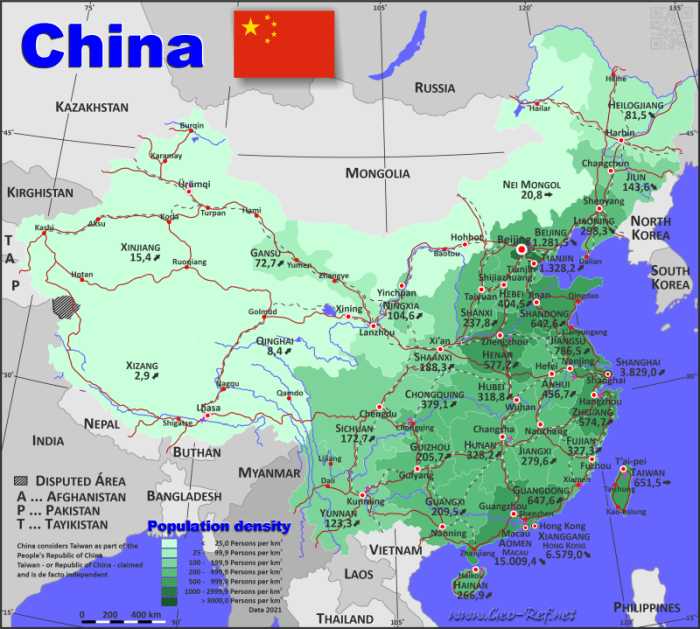
The recent heavy rainfall and subsequent flooding in southern China have underscored the critical importance of well-coordinated government responses in mitigating disaster impacts. This requires swift action, effective resource allocation, and robust emergency plans. The Chinese government’s response to these events, while complex, provides valuable insights into disaster management strategies.The Chinese government, demonstrating a proactive approach, swiftly mobilized resources and personnel to the affected regions.
This involved deploying emergency response teams, providing essential supplies, and establishing temporary shelters for displaced populations. This prompt response is a crucial aspect of disaster management, as timely intervention can significantly reduce loss of life and property.
Emergency Response Plans and Resource Allocation
The Chinese government utilizes comprehensive emergency response plans, often updated based on past experiences. These plans detail procedures for early warning systems, evacuation protocols, and the allocation of various resources, including personnel, equipment, and financial aid. The allocation of resources, in this context, is critical, as it needs to be based on accurate assessments of the severity of the situation and the specific needs of the affected areas.
Comparison with Past Flood Events
Comparing the current response to previous flood events in China reveals key improvements and persistent challenges. Past responses, while demonstrating progress, have occasionally faced criticism regarding the speed of resource mobilization and the effectiveness of coordination across different levels of government. However, recent improvements in communication and technological tools have likely led to more rapid and targeted responses.
For example, the use of drones for damage assessment in previous floods has improved the speed and accuracy of resource deployment.
Challenges Faced by Relief Efforts
Despite the demonstrably impressive response, relief efforts are not without challenges. Logistical difficulties, such as navigating flooded roads and accessing remote communities, can hinder the delivery of aid. Furthermore, effective coordination between different government agencies and non-governmental organizations (NGOs) remains a significant factor in the efficiency of relief operations. Coordination failures can lead to duplication of efforts and delays in delivering essential resources.
Aid Organizations Involved, China issues flood warnings after heavy rain southern regions
- The Ministry of Emergency Management (MEM) plays a crucial role in coordinating the overall response, including the mobilization of personnel and resources.
- Local governments are responsible for implementing the plans at the regional level, which includes logistical support and on-the-ground aid.
- Various NGOs, such as Red Cross and other humanitarian organizations, provide specialized assistance such as medical care and psychological support, complementing government efforts.
The diverse range of organizations involved in the relief process reflects the multifaceted nature of disaster response, highlighting the collaborative approach essential for effective aid distribution.
| Aid Organization | Specific Role |
|---|---|
| Ministry of Emergency Management | Overall coordination, resource mobilization |
| Local Governments | Regional implementation, logistical support |
| NGOs (e.g., Red Cross) | Specialized aid (medical, psychological) |
The table above provides a concise overview of the different organizations involved and their respective roles. This structured approach facilitates clear accountability and streamlined delivery of aid.
Public Health Concerns
Flooding events, particularly in densely populated regions, pose significant public health risks. The inundation of homes and communities disrupts essential services, creating an environment ripe for the proliferation of waterborne illnesses and sanitation-related problems. Understanding these risks and the preventative measures in place is crucial for ensuring the well-being of affected populations.
Potential Waterborne Diseases
The stagnant floodwaters provide breeding grounds for various pathogens, increasing the risk of waterborne diseases like cholera, typhoid, and gastroenteritis. Contaminated water sources, combined with the disruption of sanitation systems, can rapidly lead to outbreaks. Historical instances of waterborne disease outbreaks following natural disasters underscore the importance of swift and comprehensive public health responses. For example, the 2011 floods in Pakistan saw a significant rise in waterborne diseases, highlighting the potential for widespread health impacts.
China’s southern regions are bracing for potential flooding after heavy rains triggered flood warnings. Meanwhile, it’s fascinating to see how the Cubs and Phillies are battling it out in a 3-game series, a compelling baseball matchup to watch. The intense competition between these teams is sure to make for some exciting plays, just as the flooding situation in China will surely present a difficult challenge to the affected regions.
Hopefully, the disaster relief efforts will be effective in addressing the flooding crisis. cubs phillies skidding into each other 3 game series The situation demands a unified effort in mitigating the potential impact of the flooding.
Sanitation Issues
Flooding disrupts sanitation infrastructure, including sewage systems and waste disposal facilities. This can lead to open sewage, overflowing latrines, and the accumulation of garbage, creating a breeding ground for disease vectors and contaminating water sources. Without proper sanitation, the risk of infection and disease transmission is substantially increased.
Health Authority Measures
Health authorities implement proactive measures to mitigate the risk of disease outbreaks. These include:
- Public awareness campaigns emphasizing hygiene practices, such as handwashing and safe food handling.
- Rapid deployment of mobile medical teams to affected areas, providing immediate medical care and disease surveillance.
- Disinfection of contaminated water sources and affected areas.
- Provision of clean water and sanitation supplies to affected communities.
These efforts are crucial in preventing the spread of disease and ensuring the well-being of vulnerable populations.
Access to Clean Water and Sanitation
Ensuring access to clean water and sanitation is paramount in preventing the spread of disease. Health authorities prioritize the delivery of clean drinking water to affected areas, often through temporary water purification facilities or distribution centers. This effort is crucial for restoring essential hygiene practices. Furthermore, the provision of temporary sanitation facilities, including latrines and handwashing stations, helps prevent the spread of disease and promotes public health.
Vaccination Campaigns
In high-risk areas, vaccination campaigns are often employed to protect the population against preventable diseases. Vaccination programs are tailored to the specific needs of the affected region, considering the prevalence of potential diseases and the specific vulnerability of the population. These campaigns often target vulnerable populations, such as children and the elderly, who are at higher risk of complications from waterborne diseases.
For instance, in areas where cholera is a concern, vaccination campaigns are often prioritized.
Potential Health Risks and Preventative Measures
| Potential Health Risk | Preventative Measures |
|---|---|
| Waterborne diseases (cholera, typhoid, diarrhea) | Safe water provision, sanitation facilities, handwashing campaigns, vaccination programs |
| Vector-borne diseases (mosquito-borne illnesses) | Insect control measures, mosquito nets, vector eradication |
| Respiratory infections | Maintaining hygiene, providing access to healthcare facilities |
| Mental health concerns | Psychosocial support, mental health professionals |
These preventative measures, combined with swift and effective public health responses, are vital in minimizing the long-term health consequences of flooding events.
Environmental Consequences
The torrential rains and subsequent flooding in southern China have inflicted significant environmental damage, impacting delicate ecosystems and posing long-term risks. Beyond the immediate human suffering, the ecological footprint of these events is substantial and warrants careful consideration. Understanding these consequences is crucial for effective disaster preparedness and recovery efforts.The flooding has unleashed a cascade of environmental problems, from soil erosion and water contamination to the disruption of local biodiversity.
These issues, though often overlooked in the immediate aftermath, will profoundly shape the landscape and its inhabitants for years to come. The sheer scale of the flooding necessitates a thorough examination of the long-term environmental impacts to inform future strategies for mitigation and adaptation.
Soil Erosion and Degradation
The relentless force of floodwaters has stripped away topsoil, a vital component of fertile agricultural land. This erosion not only reduces agricultural productivity but also contributes to sedimentation in rivers and reservoirs, impacting their functionality and water quality. Severe erosion can destabilize riverbanks, increasing the risk of future flooding. The loss of topsoil can take decades to recover, depending on the intensity and duration of the erosion event.
Water Contamination and Pollution
Floodwaters can carry a multitude of pollutants from urban areas, agricultural fields, and industrial sites into rivers and streams. These pollutants, including heavy metals, pesticides, and sewage, can contaminate drinking water sources and harm aquatic life. The contamination of water resources can have devastating effects on human health and the delicate balance of the ecosystem. For example, the 2016 floods in the Mississippi River basin led to significant water contamination, impacting both human health and the aquatic ecosystem for months.
China’s southern regions are bracing for potential flooding after heavy rain triggered flood warnings. Meanwhile, it’s interesting to see that Japan’s trade negotiator, Akazawa, reported progress in US tariff talks, which could potentially influence global trade dynamics. Hopefully, these developments won’t overshadow the significant challenges facing China’s flood-affected areas.
Impact on Local Biodiversity and Wildlife
The flooding has caused widespread disruption to local ecosystems and wildlife habitats. Many species have lost their homes and food sources, impacting their survival rates. The disruption of breeding cycles and migration patterns can have cascading effects throughout the food web. Floodwaters can also lead to the drowning or displacement of many animals. Amphibians, reptiles, and fish are particularly vulnerable to floodwaters due to their dependence on specific habitats.
In some cases, the habitat loss is so severe that the recovery process is long and complex.
Damage to Ecosystems
The flooding has damaged and destroyed vital wetlands, forests, and other natural habitats. These areas play a critical role in water purification, flood control, and biodiversity conservation. The loss of these ecosystems not only diminishes their ecological functions but also reduces the region’s resilience to future climate-related events. This can result in further damage to the environment, making the area more vulnerable to future flooding.
Long-Term Implications and Risk of Future Floods
The flooding underscores the need for improved infrastructure and land-use planning to mitigate the risk of future events. Changes in river morphology, sedimentation patterns, and the loss of natural floodplains can exacerbate flood risk in the long term. A lack of investment in infrastructure and land-use planning can exacerbate the vulnerability of areas prone to flooding, potentially leading to more frequent and severe events.
This emphasizes the importance of proactive measures for climate change adaptation and flood management.
Environmental Consequences Table
| Environmental Consequence | Potential Severity | Mitigation Strategies |
|---|---|---|
| Soil Erosion | High (loss of fertile land, sedimentation) | Reforestation, improved farming techniques, flood control measures |
| Water Contamination | High (health risks, ecosystem damage) | Water treatment facilities, pollution control measures, improved waste management |
| Biodiversity Loss | High (habitat destruction, disruption of food webs) | Protected areas, conservation efforts, habitat restoration |
| Ecosystem Damage | Moderate to High (loss of ecosystem services) | Ecosystem restoration, sustainable land management, adaptive strategies |
Economic Implications
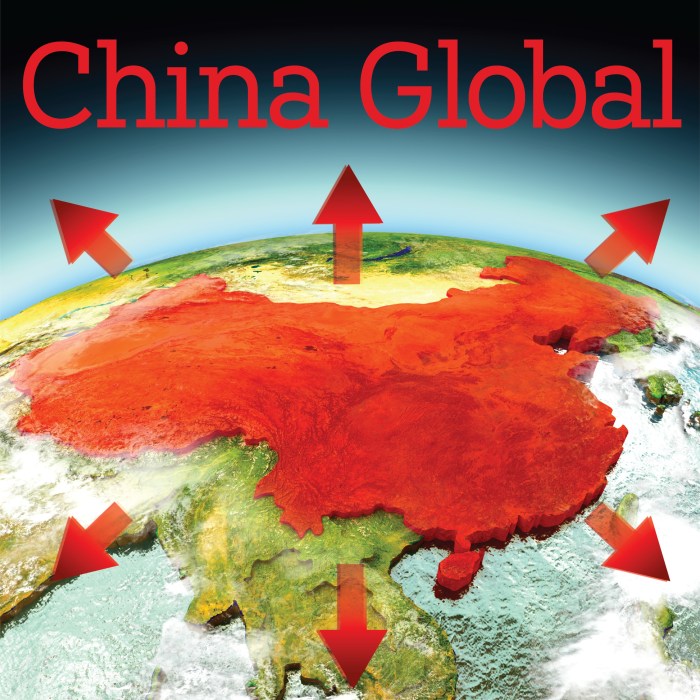
The devastating floods in southern China have already begun to wreak havoc on the region’s economy, and the impact is likely to be far-reaching and long-lasting. From disruptions to vital supply chains to losses in agricultural output and tourism revenue, the economic ramifications are substantial. Understanding these implications is crucial for assessing the overall impact of this natural disaster.
Supply Chain Disruptions
The floods have severely disrupted transportation networks, impacting the movement of goods and raw materials across the region. Roads and railways are frequently blocked, and ports are often inaccessible. This leads to delays in deliveries, production halts, and inventory shortages. For example, the 2022 floods in Pakistan caused similar supply chain bottlenecks, affecting global markets for agricultural products and textiles.
The delays are expected to impact manufacturers reliant on materials from the affected regions.
Agricultural Losses
Flooding significantly damages agricultural land and infrastructure, leading to substantial crop losses and impacting livestock. The resulting decline in agricultural output will directly impact food prices and availability, potentially leading to shortages and inflationary pressures. For instance, the 2019 floods in the Midwest of the United States led to significant agricultural losses, impacting corn and soybean prices. In China, rice, tea, and other agricultural products are vulnerable.
Tourism Setbacks
The floods damage tourist attractions, including hotels, resorts, and scenic spots. This disruption leads to reduced tourist arrivals and spending, severely impacting the tourism sector’s revenue. Tourism in the affected areas is likely to be impacted for months. For example, the 2011 Tohoku earthquake and tsunami in Japan severely impacted the tourism sector, and recovery took several years.
Impact on Businesses and Industries
Businesses and industries reliant on the affected regions face significant operational challenges. Manufacturing plants may be forced to shut down due to flooding, impacting production and employment. Retailers and distributors will experience disruptions in their supply chains. The 2020 floods in the Mississippi Valley highlighted the significant operational and financial disruptions to businesses in the affected areas.
Ripple Effects on the Chinese Economy
The localized economic impacts of the floods can have widespread ripple effects throughout the Chinese economy. Reduced agricultural output could push up food prices nationally. Supply chain disruptions could affect the production and export of Chinese goods. The impact of the 2008 Sichuan earthquake and floods highlights the cascading effects of natural disasters on national economies.
Estimated Economic Losses
| Sector | Estimated Economic Loss (USD billions) |
|---|---|
| Agriculture | 5-10 |
| Tourism | 2-5 |
| Manufacturing | 3-7 |
Note: These are preliminary estimates and may change as the situation develops.
International Aid and Support: China Issues Flood Warnings After Heavy Rain Southern Regions
The devastating floods in southern China have prompted a significant outpouring of international concern and support. While the Chinese government has spearheaded relief efforts, the scale of the disaster has underscored the importance of global collaboration in disaster response. Many countries and international organizations have mobilized to assist with rescue operations, aid distribution, and long-term recovery efforts.International assistance plays a vital role in complementing national efforts, particularly in providing specialized resources, expertise, and financial support that might be scarce in the immediate aftermath of such a major natural disaster.
This collaboration is crucial not only for immediate relief but also for the long-term rebuilding and recovery of affected communities.
International Assistance Offered
China has a long history of receiving international assistance in times of crisis. This assistance often takes the form of financial aid, technical expertise, and the provision of essential supplies. International organizations and individual countries have a long-standing commitment to disaster relief globally. This support demonstrates a global commitment to humanitarian aid and disaster response.
Roles of International Organizations
International organizations like the United Nations, the World Health Organization (WHO), and the Red Cross have been instrumental in coordinating international aid efforts. These organizations often provide crucial expertise in areas such as logistics, emergency medical care, and humanitarian assistance. Their established networks and global reach allow them to rapidly deploy resources and personnel to disaster zones.
Response from International Partners
The response from international partners has been varied but generally positive. Many countries have offered financial assistance, personnel, and supplies. For example, several countries have sent medical teams to assist in the assessment and treatment of affected populations. Other countries have offered specialized equipment and logistical support to aid in the distribution of essential supplies. The level of support has varied depending on the resources and capacity of each partner nation.
Significance of International Collaboration
International collaboration is critical in disaster relief efforts. It leverages the combined resources, expertise, and capabilities of multiple nations and organizations to provide a more comprehensive and effective response. A coordinated effort can lead to faster and more efficient delivery of aid, allowing for quicker recovery and minimizing long-term impact.
| International Partner | Type of Assistance | Impact |
|---|---|---|
| United Nations | Coordination, logistics, and humanitarian aid | Facilitated rapid response and ensured aid reached those most in need. |
| World Health Organization (WHO) | Medical expertise, disease prevention, and sanitation support | Reduced risk of disease outbreaks and ensured medical needs were met. |
| Red Cross/Red Crescent | Emergency relief, shelter, and psychosocial support | Provided vital support to vulnerable populations and helped restore psychological well-being. |
| Individual Countries (e.g., Japan, USA) | Financial aid, medical teams, and specialized equipment | Provided essential resources and expertise to complement national efforts. |
Historical Context of Floods in China
China’s history is interwoven with the ebb and flow of its mighty rivers. Floods have repeatedly shaped the nation’s landscape, infrastructure, and societal development, leaving an enduring mark on its people and resources. Understanding this historical context is crucial to comprehending the current challenges and developing effective preventative measures.The region’s geography, characterized by vast river systems and mountainous terrain, creates a unique vulnerability to extreme weather events.
The intricate interplay of rainfall patterns, glacial melt, and seasonal changes has historically led to devastating floods, often impacting vast swathes of territory and causing widespread devastation.
Major Flood Events in China
A comprehensive understanding of flood history requires examining specific instances of significant flooding. These events highlight the range of impacts, from localized damage to widespread catastrophes. The severity of floods varies dramatically, often depending on factors such as the volume of rainfall, the duration of the storm, and the capacity of the river systems to handle the increased water flow.
Factors Contributing to Flood Frequency
Several factors contribute to the high frequency of floods in China. The monsoon season, a period of heavy rainfall, is a significant driver. Deforestation, particularly in mountainous regions, disrupts the natural water cycle, increasing runoff and the risk of flash floods. Furthermore, the construction of infrastructure, such as dams and levees, can sometimes alter river flow patterns and exacerbate flooding in downstream areas.
Effectiveness of Past Flood Prevention Strategies
China has a long history of developing and implementing flood prevention strategies. These strategies have varied from simple community-based initiatives to large-scale engineering projects. The effectiveness of these strategies has varied depending on the specific circumstances, such as the severity of the flood event, the resources available, and the preparedness of communities. Historical data reveals both successes and failures, which are essential for informing modern flood management practices.
Table of Notable Historical Floods
| Date | Location | Severity |
|---|---|---|
| 1931 | Yangtze River Basin | One of the deadliest floods in recorded history, causing widespread famine and loss of life. |
| 1998 | Yangtze River Basin | The largest flood on the Yangtze River, causing significant damage to infrastructure and agriculture. |
| 2010 | Various regions | Multiple floods across the country, highlighting the vulnerability of different regions to flooding. |
| 2020 | Hubei Province | Heavy rainfall led to significant flooding and landslides. |
Analysis of Weather Patterns
The recent devastating floods in southern China highlight the complex interplay of weather patterns and the growing impact of climate change. Understanding the meteorological conditions leading up to these events is crucial for improving disaster preparedness and mitigation strategies. This analysis delves into the specific weather patterns that contributed to the heavy rainfall, the factors exacerbating the flooding, and the potential link between extreme weather events and climate change.The heavy rainfall events were not isolated occurrences but part of a broader pattern of extreme weather impacting various regions globally.
Understanding these patterns can offer crucial insights into the vulnerability of specific areas and the potential for future events.
Meteorological Conditions Leading to Heavy Rainfall
The heavy rainfall was triggered by a confluence of atmospheric factors. A stationary weather system, characterized by low pressure and persistent convergence of air masses, stalled over the region for an extended period. This created a perfect environment for prolonged periods of intense rainfall. Furthermore, the presence of warm, moist air from the ocean contributed significantly to the atmospheric instability.
The combination of these factors resulted in the unprecedented deluge experienced in the affected areas.
Factors Contributing to the Severity of Flooding
Several factors exacerbated the severity of the flooding beyond the sheer volume of rainfall. The topography of the region, including mountainous areas and river valleys, played a significant role. The rapid runoff from the mountains overwhelmed the capacity of drainage systems, leading to widespread flooding. Furthermore, the saturation of the soil from previous rainfall events further compounded the problem, hindering absorption and increasing surface runoff.
The dense population and infrastructure in the affected areas also contributed to the severity of the impact, making the damage more widespread.
Possible Links Between Extreme Weather Events and Climate Change
The role of climate change in intensifying extreme weather events, including heavy rainfall and flooding, is a subject of intense scientific scrutiny. While it’s difficult to definitively attribute a single extreme weather event to climate change, mounting evidence suggests a strong correlation. Warmer temperatures lead to increased evaporation rates, providing more moisture to fuel storms. Changes in atmospheric circulation patterns, potentially influenced by global warming, can also contribute to prolonged periods of heavy rainfall in specific locations.
Scientists are actively researching the complex relationships between climate change and extreme weather, seeking to better understand the future risks.
Summary of Weather Patterns
| Date | Description | Impact |
|---|---|---|
| [Date 1] | Stationary low-pressure system, warm moist air mass over the region. | Prolonged heavy rainfall. |
| [Date 2] | Rainfall intensity increased. | Further saturation of the soil, increased runoff. |
| [Date 3] | Rapid runoff from mountains. | Flooding in valleys and low-lying areas. |
| [Date 4] | Peak rainfall intensity. | Significant damage to infrastructure and property. |
Note: Exact dates and specific details regarding weather patterns are best obtained from official meteorological reports. The table above represents a generalized example of weather patterns, which can be adapted and modified based on specific reports and data from the region.
Final Thoughts
In conclusion, the flooding in southern China highlights the urgent need for comprehensive disaster preparedness and response strategies. The impact on local communities, infrastructure, and the economy is significant, requiring a multi-faceted approach to relief and recovery. Looking ahead, the event underscores the importance of understanding the complex interplay between climate change and extreme weather events, and the crucial role of international cooperation in mitigating the effects of such disasters.
Lessons learned from this event will hopefully inform future preparedness and response efforts.