
Sudan War Shatters Infrastructure Costly Rebuild Needed
Sudan War Shatters Infrastructure: A Costly Rebuild Needed
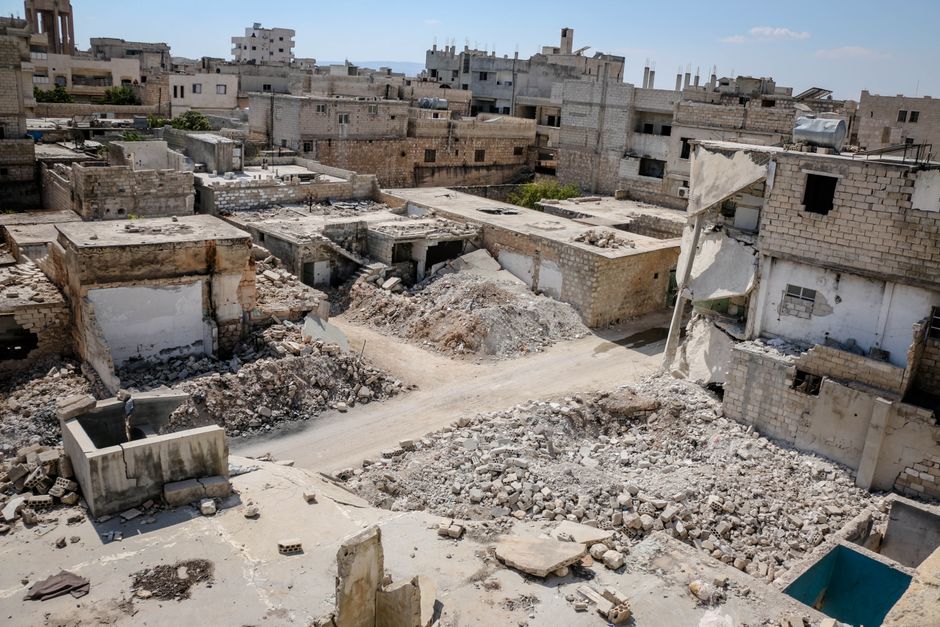
The ongoing conflict in Sudan, primarily between the Sudanese Armed Forces (SAF) and the Rapid Support Forces (RSF), has inflicted catastrophic damage on the nation’s already fragile infrastructure. Decades of underinvestment, coupled with the current intense hostilities, have systematically dismantled essential services, leaving millions without access to clean water, electricity, healthcare, and transportation. The economic and social ramifications of this widespread destruction are profound, necessitating an unprecedented and incredibly costly rebuilding effort once peace is established. The current war represents not merely a political or military crisis, but a profound humanitarian and developmental catastrophe, the scale of which is only beginning to be fully comprehended.
The destruction of Sudan’s energy infrastructure is particularly devastating. Power grids, substations, and fuel depots have been targeted and severely damaged across major cities and rural areas. Khartoum, the capital, has been a primary battleground, and its electricity network has been decimated. This loss of power extends far beyond mere inconvenience; it cripples hospitals, preventing the operation of life-saving equipment and refrigeration for medicines. It halts water treatment and pumping stations, exacerbating already critical water shortages. Businesses are unable to operate, further damaging an economy already struggling with hyperinflation and unemployment. The reliance on diesel generators, where they are even available, becomes the norm, adding an immense financial burden on individuals and institutions that can barely afford it. The interconnectedness of infrastructure means that the failure of one system has cascading effects on others, creating a vicious cycle of deprivation. Rebuilding this complex network will require massive investment in not only physical repairs but also in modernizing and securing it against future disruptions, a process that will likely take years and billions of dollars. This includes restoring power plants, repairing transmission lines, and ensuring the security of fuel supplies, all of which are complex and resource-intensive undertakings.
Water and sanitation infrastructure has also suffered immensely. Water treatment plants, pumping stations, and distribution networks have been damaged or destroyed, leading to widespread lack of access to safe drinking water. Many communities are now forced to rely on contaminated surface water sources, significantly increasing the risk of waterborne diseases such as cholera and typhoid. This is a particularly grave concern for vulnerable populations, including children and the elderly, who are more susceptible to these illnesses. The destruction of sewage systems further compounds the public health crisis, leading to the spread of diseases and creating unsanitary living conditions. Reestablishing these vital services will involve not only repairing physical damage but also implementing robust public health measures and investing in sustainable water management systems. The scale of this undertaking is immense, requiring not only technical expertise but also significant financial resources and a stable security environment for reconstruction to even begin. The immediate aftermath of conflict will likely see a surge in preventable diseases, placing an immense strain on an already overwhelmed healthcare system.
Transportation infrastructure, the arteries of any nation, has been systematically targeted. Roads, bridges, airports, and railways have been damaged or rendered impassable by fighting and shelling. This severely hampers humanitarian aid delivery, making it incredibly difficult for relief organizations to reach those in need. It also impedes the movement of essential goods, exacerbating food insecurity and driving up prices. The isolation of communities due to destroyed transport links further exacerbates the humanitarian crisis, trapping civilians and limiting their ability to flee conflict zones or access basic necessities. Rebuilding these networks is a monumental task, requiring extensive repairs and reconstruction of critical infrastructure like major highways and bridges, which are essential for national connectivity and economic recovery. The logistical challenges of moving construction materials and heavy equipment into a war-torn country are also substantial. The absence of functional transportation networks isolates populations, impedes economic activity, and makes the delivery of humanitarian assistance incredibly difficult, prolonging suffering and hindering recovery.
The healthcare sector, already struggling, has been pushed to its breaking point. Hospitals and clinics have been damaged, looted, or destroyed, and many medical personnel have fled or been displaced. Essential medical supplies are scarce, and access to even basic healthcare services is severely limited for millions. This creates a dire situation where preventable diseases can become life-threatening, and chronic conditions go untreated. The destruction of primary healthcare facilities means that routine vaccinations, maternal care, and basic medical consultations are no longer available, leading to long-term health consequences for the population. Rebuilding this sector will require not only the reconstruction of physical facilities but also significant investment in training and retaining medical professionals, replenishing medical supplies, and ensuring the safe and equitable distribution of healthcare services. The psychological trauma inflicted by the war will also require specialized mental health services, adding another layer of complexity to the rebuilding process.
The agricultural sector, a cornerstone of Sudan’s economy, has also been severely impacted. Farmland has been damaged by fighting, and agricultural infrastructure such as irrigation systems and storage facilities have been destroyed. Displacement of farmers and disruptions to supply chains have led to reduced food production and increased food insecurity, a crisis that was already present before the current hostilities escalated. The destruction of rural infrastructure further isolates farming communities, making it difficult for them to access markets or receive essential agricultural inputs. The long-term implications for food security and livelihoods are profound, requiring significant investment in agricultural rehabilitation, land restoration, and support for displaced farmers. The rebuilding effort must focus on not only restoring production but also on building resilience against future shocks, including climate change impacts and potential conflicts.
The economic implications of this widespread infrastructure destruction are staggering. Rebuilding will require an enormous influx of capital, likely in the billions of dollars, from international donors, financial institutions, and private investors. This will be a long-term endeavor, spanning decades, and will require a stable and secure political environment. Without sustained international commitment and effective governance, the reconstruction process will be severely hampered. The debt burden on Sudan will inevitably increase, and careful management of resources will be paramount. The loss of economic productivity due to damaged infrastructure, coupled with the ongoing costs of conflict and humanitarian relief, will further strain the nation’s finances. The informal economy, which often serves as a lifeline for many, is also severely disrupted by the breakdown of infrastructure.
Furthermore, the social impact of infrastructure destruction is deeply concerning. Displacement, loss of livelihoods, and lack of access to essential services create conditions ripe for social unrest and further instability. Rebuilding infrastructure is not just about physical reconstruction; it is about rebuilding communities, restoring hope, and fostering a sense of normalcy. This requires a holistic approach that addresses the immediate humanitarian needs while simultaneously laying the groundwork for long-term development and reconciliation. The psychological impact on the population, particularly children who have grown up amidst conflict and destruction, cannot be overstated and will require significant investment in psychosocial support and education.
The international community has a critical role to play in supporting Sudan’s recovery. This includes providing substantial financial assistance, technical expertise, and humanitarian aid. However, this aid must be coordinated effectively and delivered transparently to ensure it reaches those who need it most. The establishment of robust governance structures and a commitment to the rule of law will be essential to attract investment and ensure the sustainable development of Sudan. The rebuilding process must also prioritize local ownership and participation, ensuring that reconstruction efforts are aligned with the needs and priorities of the Sudanese people.
The challenges ahead are immense. The scale of destruction is unprecedented, and the road to recovery will be long and arduous. However, with sustained international support, effective leadership, and the resilience of the Sudanese people, it is possible to rebuild a more prosperous and stable future. The current conflict is a stark reminder of the devastating consequences of war on civilian populations and their essential infrastructure, underscoring the urgent need for a peaceful resolution and a long-term commitment to recovery and development. The destruction witnessed in Sudan is a humanitarian crisis of immense proportions, necessitating a global response of commensurate scale and urgency. The economic, social, and human costs are immeasurable, and the path to recovery will be one of the most significant reconstruction challenges of the 21st century.
