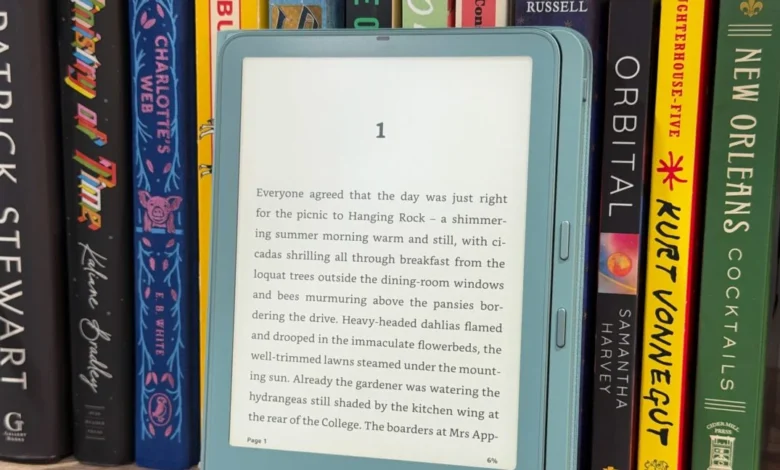
The landscape of consumer electronics has undergone a seismic shift over the last half-decade, defined by persistent supply chain volatility, inflationary pressures, and a fundamental realignment of pricing strategies across the tech industry. This economic environment has left no gadget segment untouched, including the e-reader market, where once-reliable price-to-performance ratios have been upended. In 2026, the cost of entry for a basic Amazon Kindle now exceeds what consumers paid for mid-range models just a few years ago, signaling an end to the era where iterative updates automatically equated to "more for the same money."
The 2026 Kindle lineup arrives as the most expensive iteration in the device’s nearly two-decade history. While Amazon has introduced functional hardware updates, the value proposition for the average reader has become increasingly strained. The 2024 Paperwhite, which retailed for $160, arguably offers a more compelling feature set than this year’s $150 entry-level Kindle, leading many analysts to suggest that the "value" tier of the e-reading market has effectively vanished.
A Chronology of Kindle Inflation and Evolution
To understand the current market position, one must look back at the trajectory of the Paperwhite series. Since its inception, the Paperwhite has been marketed as the sweet spot for dedicated readers. In 2018, the device set a standard for accessibility and utility. By 2021, the introduction of a larger 6.8-inch screen, USB-C connectivity, and warm light technology cemented its status as a premium yet attainable device.
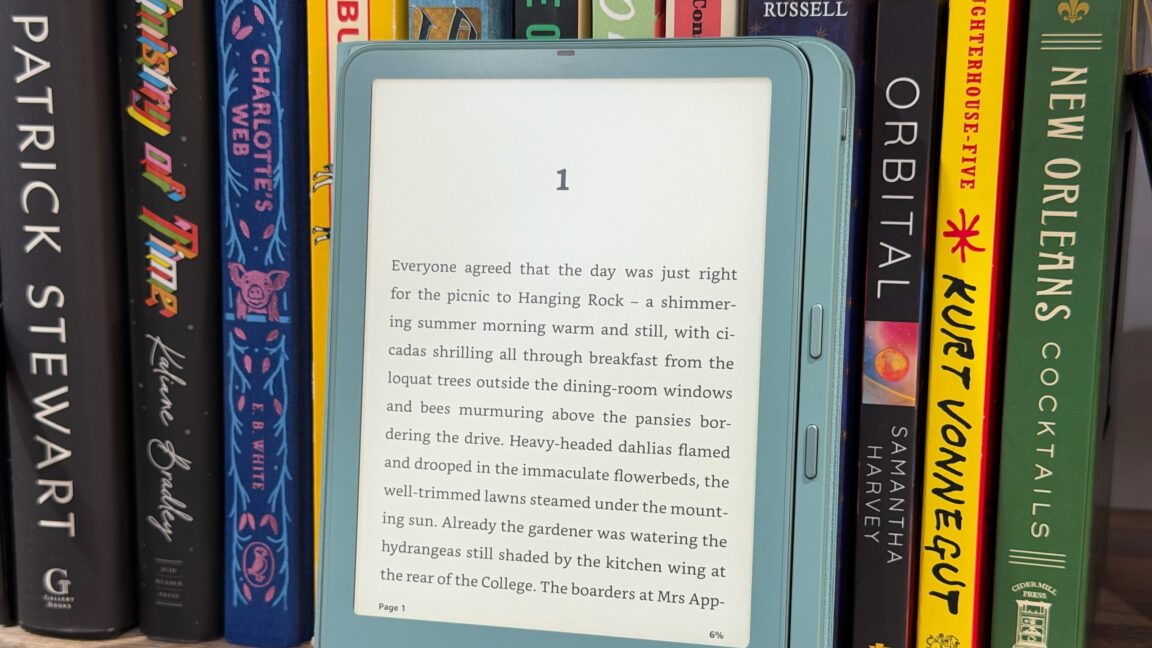
However, the trend lines shifted sharply between 2024 and 2026. The 2024 models, while slightly more expensive than their predecessors, were still viewed as reasonable upgrades. The 2026 refresh, however, sees the Paperwhite jumping to a $200 starting price for the base plastic model, with the Signature Edition climbing to $250. This pricing structure places these devices in direct competition with entry-level tablets, forcing a rigorous re-evaluation of what a dedicated e-ink device must provide to justify its cost.
Hardware Specifications and Technical Analysis
The 2026 Paperwhite Signature Edition represents the apex of Amazon’s current monochrome lineup. It features a 7-inch, 300 PPI display, flush-front industrial design, and an aluminum casing that mimics the premium feel of high-end tablets. Despite these refinements, the hardware update is iterative rather than revolutionary. There are no significant upgrades to the E-Ink panel or the core lighting system compared to the 2024 models.
Perhaps the most notable change—and one that reflects a broader industry trend toward sustainability—is the inclusion of user-replaceable batteries. This move aligns with impending "right-to-repair" legislation in various global jurisdictions, providing a tangible benefit to the product’s longevity. Additionally, the relocation of the power button to the top-right edge addresses a long-standing user complaint regarding accidental inputs when the device is resting on a surface.
Performance-wise, the 2026 models remain exceptionally fluid. While synthetic benchmarking—such as the Google Octane 2.0 test—has proven difficult to run on the latest Kindle OS, real-world usage confirms that the system is responsive, with page turns and interface navigation feeling instantaneous. Yet, for the average consumer, these performance gains are marginal compared to the 2024 hardware, raising questions about the necessity of the upgrade cycle for those who already own a device from the last three years.
The Return of Tactile Navigation: A Premium Add-on
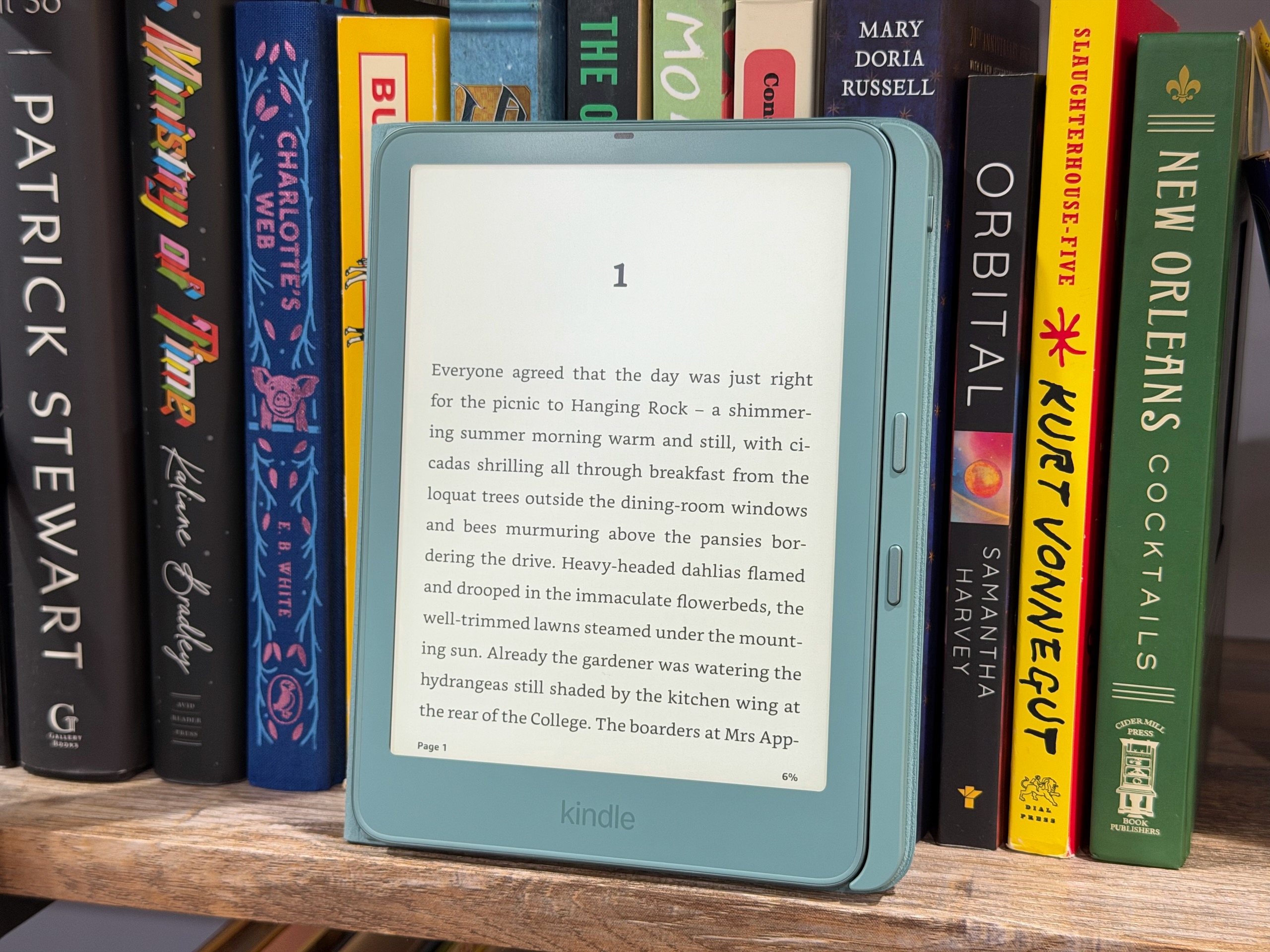
One of the most anticipated features of the 2026 cycle is the reintroduction of page-turn buttons, though not in the integrated form factor seen in the beloved, discontinued Kindle Oasis. Instead, Amazon has opted for a modular approach. The 2026 Paperwhite Signature Edition features copper contacts on the rear chassis, designed to interface with a proprietary "Kindle Page Turn Cover."
This modular design effectively turns the Kindle into a "Frankenstein" device, creating an asymmetrical profile reminiscent of older high-end e-readers. While the physical feedback of the buttons is highly satisfying and enhances the reading experience, the cost barrier is significant. Beyond the $250 base price of the device, users must shell out an additional $80 for the cover. This brings the total cost to $330—a figure that has prompted significant pushback from the enthusiast community.
Amazon has also introduced a $60 charging stand that utilizes these same pogo pins, replacing the wireless charging feature that was present in the 2024 Signature Edition. The removal of built-in wireless charging in favor of an external, paid accessory is a stark example of the current trend where "premium" features are being decoupled from the core device and monetized as distinct, add-on components.
Market Implications and Official Positioning
The shift toward higher pricing has not gone unnoticed by market researchers. Industry observers note that Amazon is increasingly positioning the Kindle not as a commodity item, but as a lifestyle accessory. By segmenting the lineup into five different models, the company is attempting to capture revenue across a broader spectrum of the market, from the casual reader to the professional bibliophile.
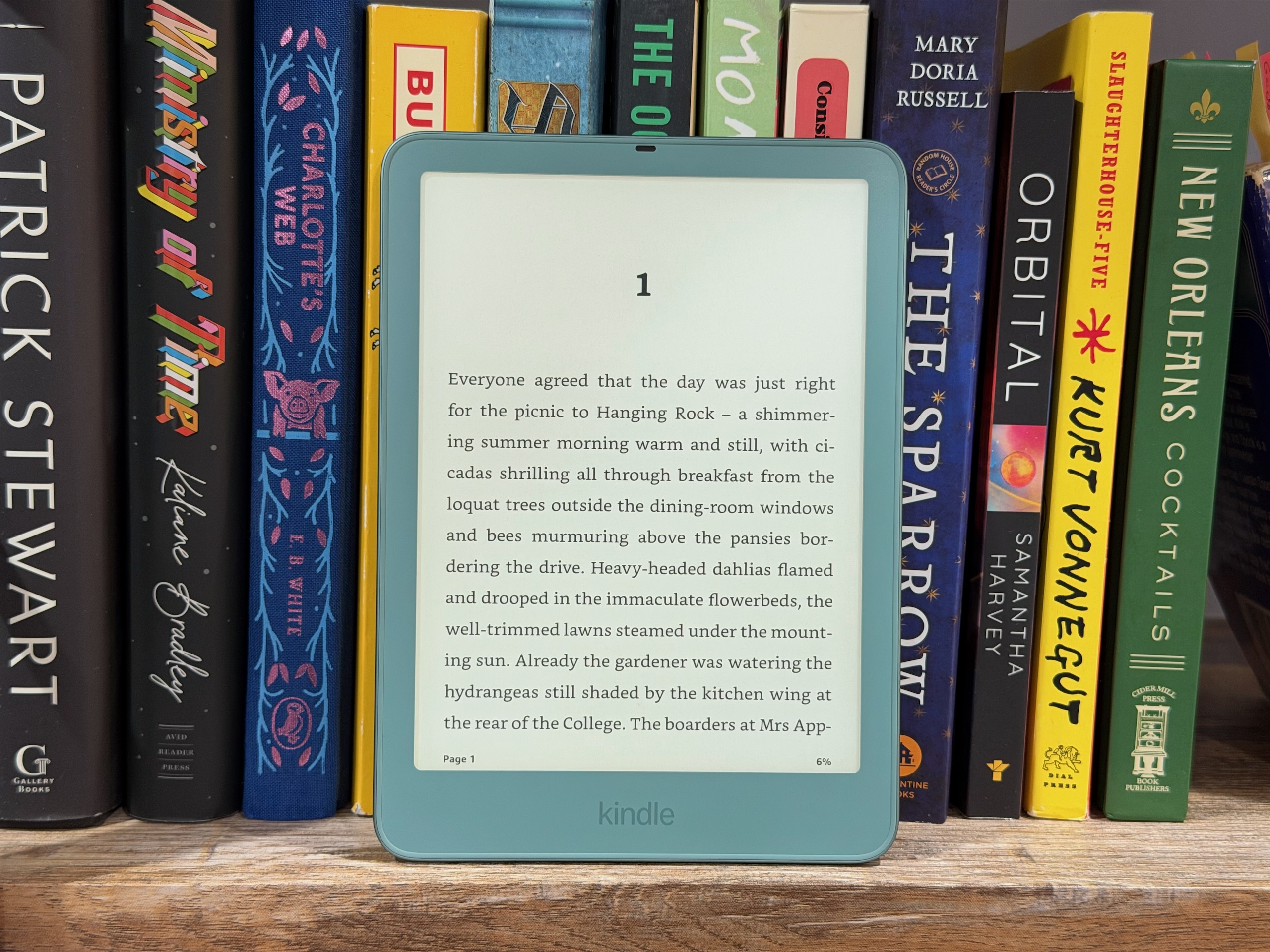
However, the "stinginess" of the current software update cycle is becoming a point of contention. While previous generations of Kindle software updates were often backward-compatible for years, the latest Kindle OS 5.20.1.0.2 is largely exclusive to the 2024 and 2026 hardware. This effectively forces users of older devices—even those from as recently as 2021—to upgrade if they wish to access new software features or utilize accessories like the "Kindle Click" remote.
The "Kindle Click" and Ecosystem Lock-in
As an alternative to the expensive Page Turn Cover, Amazon has launched the "Kindle Click," a remote control-style accessory retailing for $35. While this is more accessible than the $80 cover, it is a peripheral device that users must hold separately, failing to replicate the seamless experience of integrated page-turn buttons.
The existence of these accessories, combined with the removal of features like wireless charging from the base Signature unit, suggests a strategy of "unbundling" that prioritizes hardware margins over user convenience. This strategy places the burden of customization entirely on the consumer, who must now calculate the total cost of their ideal configuration rather than relying on a "one-and-done" purchase.
Broader Impact on the E-Reader Sector
The broader implication of this shift is the potential alienation of the core, budget-conscious user base. When the basic Kindle loses features like waterproofing—features that were standard in mid-range devices five years ago—it signals a degradation of the entry-level experience. For the consumer, this necessitates a more strategic approach to purchasing.

Refurbished markets and secondary sales of 2024-era hardware are likely to see a surge in demand. As the 2024 Paperwhite remains available, it represents a "sweet spot" for those who want modern conveniences like USB-C and warm lighting without the premium price tag of the 2026 generation.
Ultimately, while the 2026 Kindle lineup offers a high-quality reading experience, the value proposition is fundamentally diminished. For those currently holding an older Kindle, the incentive to upgrade is low, unless one is specifically seeking the new button-enabled ecosystem. The tech industry’s "more for the same money" philosophy has been replaced by a reality of higher costs and, in some cases, reduced functionality. For the dedicated reader, the best move may be to wait for the inevitable sales cycles or seek out previous-generation models while they remain in inventory, as the current market environment shows little sign of returning to the lower pricing tiers of the past.