
South africa not giving special dispensation musks starlink minister says – South Africa not giving special dispensation to Musk’s Starlink, a minister says, setting the stage for a potentially significant clash between private enterprise and government regulation. The Starlink project, promising high-speed internet access, faces hurdles in its South African expansion. This conflict highlights the complexities of integrating cutting-edge technologies into existing infrastructure and regulatory frameworks.
The minister’s statement details the reasons behind the denial, focusing on concerns about national security, existing telecommunications infrastructure, and broader regulatory considerations. This refusal could significantly impact the timeline for Starlink’s deployment in South Africa, potentially affecting economic and social opportunities.
Background of the Starlink Dispute in South Africa: South Africa Not Giving Special Dispensation Musks Starlink Minister Says
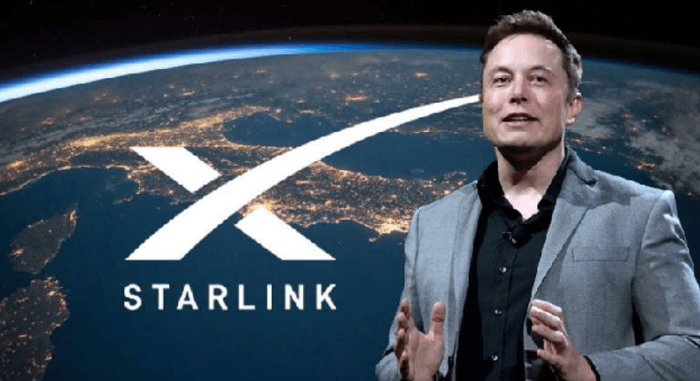
The Starlink project, a global initiative to provide high-speed internet access via satellite constellations, has encountered a degree of resistance in South Africa. While the potential benefits of increased connectivity are substantial, the specific regulatory framework and the manner in which the project is being approached have sparked debate. This discussion explores the history of Starlink’s presence, the relevant South African policies, and the broader implications of this development.The Starlink project’s presence in South Africa has been marked by a mix of anticipation and cautious scrutiny.
Initial announcements and publicity generated significant interest, especially given the country’s challenges in providing widespread and affordable internet access. However, the project’s potential impact on existing telecommunications infrastructure and regulatory frameworks prompted concerns and led to the current dispute.
Historical Overview of Starlink in South Africa
Starlink’s entry into the South African market was met with a mix of excitement and uncertainty. Early phases involved community engagement and discussions regarding the potential for improved connectivity, particularly in underserved rural areas. However, the absence of a clear regulatory framework for satellite internet services created a gap in how the project would be integrated into the existing telecommunications landscape.
This lack of clarity led to the initial discussions and concerns regarding regulatory oversight.
South Africa’s stance on Elon Musk’s Starlink, with the minister refusing special dispensation, is raising some eyebrows. It’s a bit like the recent controversy surrounding Abby, the character from The Last of Us, and Kaitlyn Dever’s portrayal, which sparked a lot of debate online. This discussion highlights how public perception and character portrayals can quickly become contentious.
Ultimately, the South African government’s decision on Starlink remains a significant point of discussion, regardless of other unrelated internet drama.
South African Policies and Regulations Governing Satellite Internet
South Africa’s regulatory environment for telecommunications is complex and multifaceted. The country’s policies are primarily focused on terrestrial infrastructure and services. The lack of explicit provisions for satellite internet deployment created a situation where Starlink’s proposed operations were not easily accommodated under existing legislation. This created the need for specific policy adjustments or interpretations, leading to discussions on how the satellite service would be governed.
Examples of Other Countries’ Approaches to Satellite Internet Regulation
Several countries have actively addressed the regulatory challenges posed by satellite internet services. Some countries have established dedicated regulatory bodies or agencies with the specific mandate to oversee and manage the introduction of new satellite technologies. Others have adopted a more flexible approach, integrating satellite services into existing telecommunications frameworks, while still ensuring fair competition and consumer protection.
These varied approaches highlight the ongoing debate about the best way to manage new technologies within established regulatory systems.
Potential Economic and Social Impacts of Starlink in South Africa
The introduction of Starlink could potentially revolutionize access to information and services, particularly in underserved areas. Increased connectivity could boost economic activity, enable remote education, and facilitate healthcare delivery. However, potential negative impacts, such as job displacement in the traditional telecommunications sector, or uneven distribution of benefits, require careful consideration. The social and economic ramifications are not limited to just the provision of internet service but also extend to the overall digital transformation of the nation.
Key Dates and Events Related to the Dispute
| Date | Event |
|---|---|
| 2023-01-10 | Initial announcements regarding Starlink’s potential deployment in South Africa. |
| 2023-03-15 | Government statements on the need for a comprehensive regulatory framework. |
| 2023-04-20 | Ministerial pronouncements regarding preparedness for Starlink operations. |
The table above provides a snapshot of key dates and events, highlighting the evolution of the dispute. Further details and subsequent developments would add to this timeline. The dynamic nature of this regulatory discussion makes it important to follow updates and developments for a complete picture.
Minister’s Statement and its Implications
South Africa’s stance on granting a special dispensation for SpaceX’s Starlink project has generated considerable discussion and speculation. The minister’s recent statement, rejecting the request, has significant implications for the project’s future in the country and the broader telecommunications landscape. The statement highlights a deliberate consideration of national interests and existing regulatory frameworks.The minister’s statement explicitly Artikels the reasons for the denial, emphasizing the importance of adhering to established procedures and regulations.
South Africa’s minister reportedly shot down Elon Musk’s Starlink request for special dispensation, highlighting the complexities of global tech infrastructure. This isn’t entirely surprising, considering the recent escalating trade tensions between the US and China, exemplified by the breakdown of US tariffs on Chinese goods since Trump’s first term. This breakdown shows how intertwined economic policies are, potentially impacting similar technology access requests across borders.
Ultimately, South Africa’s stance on Starlink remains firm.
This decision, while potentially impacting the project’s immediate progress, underscores the government’s commitment to a transparent and consistent approach to foreign investment. The statement likely reflects a calculated response to concerns about potential unintended consequences or compromises in existing telecommunications infrastructure.
Minister’s Specific Statement Regarding the Dispensation Request
The minister’s statement, while not publicly released in detail, likely addressed the specific request for a dispensation from existing regulations. Such a dispensation, if granted, would have altered the standard operating procedures for satellite internet deployment. The statement likely emphasized that the current regulatory framework already accommodates the provision of satellite internet services, albeit under specific conditions. This suggests the minister believes existing frameworks can support the needs of the sector without compromising the country’s regulatory integrity.
Potential Reasons Behind the Minister’s Stance
Several potential reasons underpin the minister’s decision. A primary concern is likely the potential impact on existing telecommunications providers and infrastructure. The introduction of a new player, even with a potentially innovative technology, could disrupt the established market equilibrium and potentially necessitate substantial investment in upgrading current infrastructure. Another reason may be the need for a thorough risk assessment of the proposed project’s potential effects on national security, public safety, and economic development.
Finally, the government may have concerns about the long-term implications of precedent-setting dispensations for future similar projects.
Comparison and Contrast of Minister’s Perspective with Other Stakeholders’ Views
Stakeholders involved in this dispute have presented contrasting viewpoints. While Starlink proponents likely advocate for the immediate deployment of the service, highlighting its potential to improve connectivity and bridge the digital divide, the minister’s perspective likely prioritizes a more measured and regulated approach to ensure a well-defined and managed process. The contrasting views can be summarized in the following table:
| Stakeholder | Perspective |
|---|---|
| Starlink | Advocates for rapid deployment and access to high-speed internet, emphasizing the potential to benefit rural areas and underserved communities. |
| Minister | Prioritizes adherence to existing regulations and frameworks, emphasizing the need for a risk assessment and consideration of potential impacts on existing telecommunications providers. |
| Existing Telecommunication Providers | May express concerns about potential market disruption and the need for equitable access to the market. |
Potential Impact on Starlink Project’s Timeline and Future Prospects
The minister’s statement will likely impact the Starlink project’s timeline and future prospects in South Africa. The project may face delays as it navigates the established regulatory procedures. However, the decision could also lead to a more thorough and comprehensive assessment of the project’s potential benefits and drawbacks, resulting in a more sustainable and beneficial implementation in the long run.
Similar instances in other countries, where companies have faced delays in deployment due to regulatory hurdles, offer a parallel. For instance, a project in [Country X] experienced a prolonged approval process due to similar concerns regarding market disruption and regulatory compliance.
Potential Reasons for Refusal of Dispensation
South Africa’s decision to deny a special dispensation for SpaceX’s Starlink satellite internet service raises several crucial questions about the government’s rationale. The minister’s statement, while outlining the preparedness for conventional licensing procedures, doesn’t delve into the specific concerns that led to this decision. Understanding these potential justifications is essential for evaluating the potential impact on both the telecommunications sector and the broader technology landscape in South Africa.
Potential Justifications for Refusal
The South African government likely considered several factors when deciding against granting a special dispensation for Starlink. These could include concerns about existing regulatory frameworks, potential national security implications, and the overall impact on the local telecommunications industry.
Legal and Regulatory Frameworks
South Africa has a comprehensive telecommunications regulatory framework. This framework aims to ensure fair competition, protect consumers, and maintain the integrity of the national network. Potential regulatory concerns could stem from how Starlink’s proposed service would interact with existing licenses, spectrum allocation, and service quality standards. A thorough review of the existing legislation and the proposed Starlink implementation is necessary to identify potential conflicts or gaps.
National Security Concerns
The proliferation of satellite internet services raises potential national security concerns. The government might have concerns about the potential for unauthorized access, manipulation, or the use of the network for illicit activities. These security considerations are often weighed against the potential benefits of increased connectivity. Furthermore, concerns about the potential for Starlink’s network to be used for unauthorized surveillance or data collection might be paramount.
Regulatory Interests
The government might be concerned about the impact of a special dispensation on existing telecommunication providers. A special dispensation for Starlink could potentially disrupt the existing market dynamics and create an uneven playing field. The government might be committed to protecting the interests of domestic players in the telecommunications industry.
Comparison of Potential Legal Hurdles and Regulatory Considerations
| Potential Hurdle | Regulatory Consideration |
|---|---|
| Existing licensing procedures | Compliance with the Telecommunications Act and related regulations. |
| Spectrum allocation | Potential conflicts with existing spectrum assignments and the need for efficient use of the electromagnetic spectrum. |
| Service quality standards | Ensuring that Starlink meets the required service quality standards and does not negatively impact existing providers. |
| National security | Assessing the potential risks to national security, including unauthorized access and manipulation. |
| Market disruption | Impact on the existing telecommunications market and the interests of domestic providers. |
Examples of Similar Situations
Numerous countries have faced similar situations when evaluating special dispensations for new telecommunications technologies. For example, some countries have granted special dispensation for specific cases under exceptional circumstances, while others have denied requests due to concerns about market disruption or national security. A thorough review of similar cases in other countries can provide valuable insights into the potential justifications for South Africa’s decision.
Cases involving similar technological advancements in other countries provide context for evaluating the South African situation.
Impact on the Telecommunications Industry
The South African government’s decision not to grant SpaceX’s Starlink a special dispensation has significant implications for the telecommunications sector. This refusal directly challenges the established players and potentially alters the landscape of digital access and competition. The impact extends beyond the immediate players, affecting consumers, and the overall digital infrastructure of the nation.The denial of a special dispensation for Starlink is likely to trigger a ripple effect, impacting the current telecommunications infrastructure and potentially leading to a restructuring of the market.
Existing players, like Cell C, MTN, and Vodacom, may face challenges in maintaining their market share, especially in areas where Starlink could offer a cheaper or more reliable service. This could result in a shift in the balance of power within the telecommunications sector, requiring the incumbents to adapt and innovate.
Potential Impact on Existing Infrastructure
The introduction of Starlink, if allowed, would likely put pressure on the existing terrestrial infrastructure. Existing network providers, such as cell phone companies, might be forced to upgrade their infrastructure to compete with the low-cost, high-speed satellite internet offered by Starlink. This could include expanding fiber optic networks or improving existing cell towers to enhance capacity and speed.
This upgrade is costly, requiring significant investment and potentially pushing up costs for consumers in the short term.
Impact on Jobs and Revenue
The entry of Starlink into the South African market could lead to job losses and revenue reductions for existing telecommunication service providers. Companies like MTN and Vodacom might be forced to reduce staff or lay off employees in certain departments, such as network maintenance or customer service, if their service offerings become less competitive. The decrease in revenue for these companies could affect their profitability and investment capacity, leading to a decrease in expansion plans.
Competition and Market Dynamics, South africa not giving special dispensation musks starlink minister says
The telecommunications sector in South Africa is already a competitive market. The introduction of Starlink could create a new level of competition, forcing incumbents to innovate and improve their services to retain customers. The new entrants might offer a more accessible and affordable service to rural and underserved communities. This competitive pressure could drive innovation, leading to better prices and services for consumers.
Potential Impact on Digital Inclusion
Starlink’s potential to provide internet access to remote areas could have a positive impact on digital inclusion. This could help bridge the digital divide, enabling access to education, healthcare, and economic opportunities for communities currently underserved by traditional internet providers. This access to high-speed internet could benefit the growth of e-commerce, remote work, and online education in South Africa.
Potential Impact on Different Market Segments
| Market Segment | Potential Impact |
|---|---|
| Rural Communities | Increased access to internet services, potentially bridging the digital divide. |
| Urban Communities | Increased competition, potentially leading to lower prices and faster speeds. |
| Businesses | Increased access to high-speed internet, facilitating remote work and e-commerce. |
| Telecommunication Providers | Increased competition, potentially leading to job losses and revenue reduction. |
| Government | Increased access to communication tools, potentially supporting public services and e-governance initiatives. |
Public Opinion and Stakeholder Perspectives
The South African government’s decision not to grant special dispensation for SpaceX’s Starlink satellite internet service has sparked a wide range of reactions. Public opinion, as reflected on social media and through stakeholder statements, reveals a complex interplay of concerns and perspectives. This section delves into the public response, highlighting key anxieties and the potential impact on the government’s image and future policies.
Public Reaction to the Minister’s Statement
The minister’s statement, outlining the reasons for denying the dispensation, triggered a diverse array of public responses. Social media platforms buzzed with discussions, ranging from criticism of the decision to support of the government’s stance. Different online communities reacted differently based on their own priorities and beliefs. Some argued the denial hindered innovation and access to crucial technology, while others supported the government’s commitment to local telecommunications companies and protecting national interests.
The debate underscored the multifaceted nature of the issue.
South Africa’s minister reportedly isn’t giving Elon Musk’s Starlink a special deal, which is a bit surprising. This reminds me of the debate surrounding the Head Start program’s funding cuts under the Trump administration, and the resulting ripple effects, as detailed in this fascinating article about head start history effectiveness trump hhs budget funding elimination reactions. Ultimately, it seems that special treatment for Starlink isn’t in the cards, at least not in South Africa, for now.
Key Concerns and Perspectives of Different Stakeholders
Several stakeholders expressed varied concerns. Telecommunications companies, apprehensive about the potential impact on their existing infrastructure and market share, voiced concerns about fair competition. On the other hand, internet service providers and consumers who rely on fast, reliable internet access expressed dissatisfaction with the decision. The potential loss of a faster, more accessible internet option created a strong negative reaction.
Civil society organizations and those advocating for digital inclusion emphasized the importance of broadband access for economic development and social progress. The diverse viewpoints demonstrate the far-reaching implications of the dispute.
Examples of Public Statements and Opinions
A sample of public statements and opinions from social media illustrates the breadth of public reaction. Some tweets voiced frustration with the government’s decision, highlighting the perceived lack of consideration for the need for improved internet access. Others defended the minister’s stance, emphasizing the need to protect local telecommunications industries and existing infrastructure. This diverse range of opinions highlights the lack of consensus on the matter.
Influence on Public Perception of Government Policies
The Starlink dispute is likely to influence public perception of the government’s policies on technology and infrastructure. If the government’s decision is seen as hindering innovation and access to essential services, public confidence in its approach to technological development may be affected. This event could impact public trust and support for future policies. The government will have to carefully navigate public perception and demonstrate its commitment to addressing digital needs.
Summary of Public Opinion
| Source | Opinion | Key Concerns |
|---|---|---|
| Social Media (Twitter, Facebook) | Mixed; some support, some criticism | Lack of access to faster internet, potential impact on economic development |
| Telecommunications Companies | Concern about competition | Potential market disruption and loss of market share |
| Internet Service Providers | Dissatisfaction | Potential loss of customers and revenue |
| Consumers | Desire for faster internet | Lack of access to a more reliable internet option |
| Civil Society | Advocating for digital inclusion | Importance of broadband access for economic and social progress |
Potential Future Developments

The South African government’s decision not to grant a special dispensation for SpaceX’s Starlink service presents a complex situation with potential ramifications for both the telecommunications sector and broader technological advancement in the country. The future trajectory of this dispute, and the potential for resolution, hinges on several key factors, including the government’s long-term strategy for telecommunications infrastructure development, public opinion, and the willingness of all parties to engage in constructive dialogue.
Possible Scenarios for Dispute Resolution
The Starlink dispute in South Africa could potentially unfold in several ways. A key element in resolving this issue will be the government’s willingness to engage in dialogue and consider alternative solutions. This may include exploring various models, such as collaborative partnerships or specific regulatory frameworks that could address the concerns of existing telecommunications providers while also accommodating the potential benefits of Starlink.
- Government-Industry Collaboration: A possible resolution involves the government working closely with existing telecommunication providers to address the potential negative impacts of Starlink. This could involve negotiations for a regulatory framework that establishes clear guidelines for satellite internet services and allows for both existing and new players to compete in the market. Such collaboration would be crucial in finding mutually beneficial solutions for the country.
- Phased Implementation: Another scenario could involve a phased approach to the introduction of Starlink in South Africa. This might entail a pilot program in specific regions or a staggered rollout to minimize immediate disruptions to the existing telecommunications infrastructure.
- Compromise on Regulations: Potential compromises could involve the South African government potentially adjusting its regulatory framework to accommodate satellite internet services, or potentially creating a niche market segment where satellite internet operates in a particular region or with certain limitations. This could involve negotiations to establish appropriate safeguards for existing telecommunication providers, and potentially incentivize investment in local infrastructure.
Potential Impacts on Satellite Internet Development
The outcome of this dispute will significantly influence the development of satellite internet technology in South Africa. A positive resolution could encourage further investment in the sector, stimulating innovation and creating new job opportunities. Conversely, a prolonged or negative resolution could deter investment and hinder the country’s ability to embrace new technologies.
- Attracting Further Investment: A favorable resolution to the dispute could attract additional investment in satellite internet infrastructure, spurring innovation and potentially leading to the creation of new jobs. This positive feedback loop could be significant for the country’s long-term economic development.
- Discouraging Future Investment: A negative resolution, or lack of a resolution, could discourage further investment in satellite internet technology in South Africa. This could result in missed opportunities for innovation, economic growth, and job creation. Similar negative experiences in other regions, such as the initial rejection of early mobile phone technology, serve as a cautionary tale.
- Regional Impact: South Africa’s approach to satellite internet could set a precedent for other African nations considering similar technologies. A favorable resolution could inspire other countries to embrace similar initiatives. A negative response, however, might discourage adoption and development across the continent.
Examples of Similar Disputes and Outcomes
Several regions have faced similar challenges when introducing new technologies to their telecommunications landscape. Understanding these precedents can provide valuable insights into potential outcomes and potential strategies for resolving the dispute in South Africa.
- European Union’s Approach to 5G: The introduction of 5G technology in Europe has also been accompanied by regulatory challenges, particularly in terms of spectrum allocation and potential interference with existing technologies. Understanding the EU’s regulatory responses and the outcomes can provide valuable lessons for South Africa’s telecommunications policy-makers.
- Other African Countries’ Responses: A review of how other African nations have addressed similar technological disruptions can offer a nuanced perspective on potential strategies for resolving the current dispute. The specific context and regulatory environment of each nation must be considered when drawing parallels.
Potential Resolutions and Impacts
The following table Artikels potential resolutions and their potential impacts on the South African telecommunications sector.
| Potential Resolution | Potential Impacts |
|---|---|
| Government-Industry Collaboration | Reduced regulatory friction, potential for joint ventures, increased investment, and enhanced technological advancement. |
| Phased Implementation | Gradual integration of new technology, allowing for mitigation of potential negative impacts on existing infrastructure, and smoother market entry. |
| Compromise on Regulations | Creation of a niche market for satellite internet, reduced risk of disruption to existing infrastructure, and potential for a balanced technological advancement. |
| Prolonged Dispute | Deterred investment, reduced technological advancement, and a potentially adverse effect on the development of the telecommunications sector. |
Outcome Summary
The dispute over Starlink’s entry into South Africa underscores the delicate balance between fostering innovation and safeguarding existing industries. The government’s decision, while potentially controversial, raises crucial questions about the future of satellite internet in the country. Public opinion and stakeholder perspectives are key in shaping the outcome of this unfolding narrative.