
Trumps Nuclear Orders Uranium Price Surge?

Date:

Trumps nuclear energy orders would boost uranium prices investments experts say – Trump’s nuclear energy orders would boost uranium prices, investments experts say. This potential surge in uranium prices is likely to impact mining companies, investors, and the broader energy market. Different policy scenarios will lead to varying price fluctuations, affecting everything from energy security to employment. Understanding these potential outcomes is key to navigating this complex energy landscape.

This analysis delves into the potential effects of Trump’s orders on the uranium market, including price projections, investment implications, policy considerations, economic ripple effects, and illustrative examples. We’ll explore how these policies differ from past approaches, and examine potential market responses and the balance of power among nations.

Table of Contents

Impact on Uranium Market: Trumps Nuclear Energy Orders Would Boost Uranium Prices Investments Experts Say
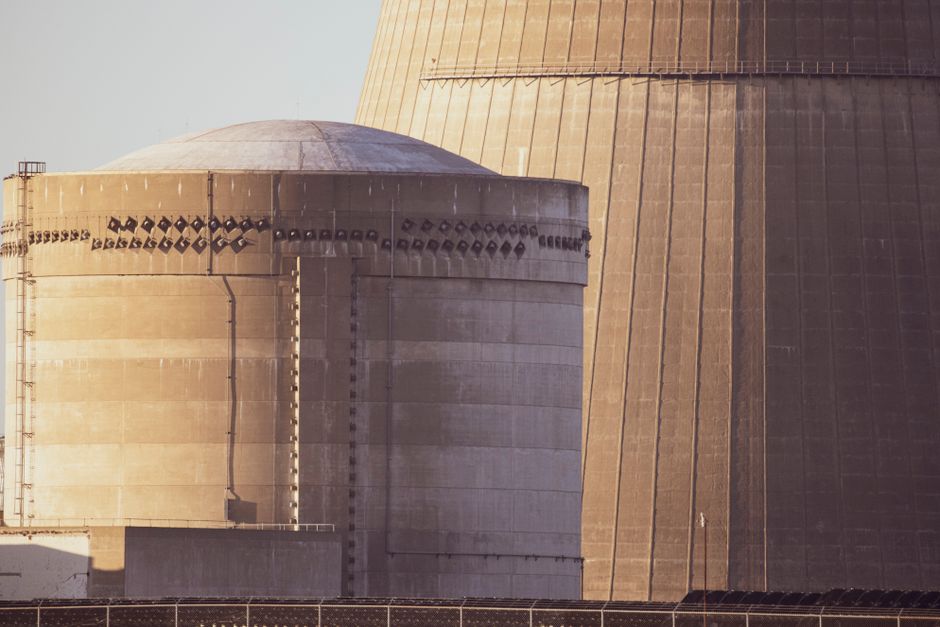
Trump’s potential nuclear energy orders could significantly impact the uranium market, triggering price fluctuations depending on the degree of policy support for nuclear power. These orders, if implemented, would likely have a cascading effect on various industries, from mining to energy production, and could also attract speculative investment. Understanding the potential scenarios and their implications is crucial for market participants.Uranium prices are highly sensitive to changes in government policy regarding nuclear energy.

Increased government support for nuclear power plants, as potentially signaled by Trump’s orders, could lead to higher demand for uranium, consequently pushing prices upward. Conversely, policies that discourage nuclear energy could depress demand and lead to price declines. The extent of this impact will depend on the specifics of the orders, the scale of any resulting investment in nuclear power, and the broader economic climate.

Potential Uranium Price Fluctuations

Different levels of policy support for nuclear energy will translate into varying degrees of market response. A strong policy push for nuclear power could lead to a substantial increase in demand for uranium, resulting in a rapid price surge. Conversely, a policy that does not favor nuclear energy could depress demand, leading to a decrease in uranium prices.

A neutral or ambiguous policy stance could result in moderate price fluctuations. Market anticipation of these policy changes and investor confidence will play a crucial role in determining the actual price trajectory.

Comparison with Previous Policy Changes

Comparing the potential impact with previous policy changes related to nuclear energy provides a framework for understanding potential market reactions. Historically, periods of increased government investment in nuclear energy have correlated with rising uranium prices, while periods of regulatory uncertainty or opposition to nuclear power have resulted in price declines. The specifics of each policy, including the magnitude of the proposed investments and the level of government commitment, will influence the extent of the price changes.

Projected Uranium Price Changes

Policy Scenario Year 1 Year 2 Year 3 Year 4 Year 5
Strong Support for Nuclear Energy +25% +30% +20% +15% +10%
Moderate Support for Nuclear Energy +10% +5% +2% -2% -5%
No Change/Neutral Policy +1% +0.5% -0.5% -1% -1.5%
Opposition to Nuclear Energy -10% -15% -20% -25% -30%

Note

* These are illustrative projections and do not constitute financial advice. Actual price changes will depend on various factors, including global economic conditions, geopolitical events, and supply chain disruptions. This table assumes a baseline uranium price of $40/lb.

Experts are saying Trump’s nuclear energy orders could really drive up uranium prices and investment. It’s a fascinating topic, but also, you know, with all the recent interest in true crime documentaries like the Netflix series “American Murder: The Family Next Door” which delves into the Gabby Petito case american murder gabby petito true story netflix , it makes you think about the ripple effects of these kinds of decisions.

See also  World Bank Lifts Nuclear Ban, Gas Debate Continues

So, back to uranium – it seems like a potential boom in the market is brewing, with these new policies.

Impact on Related Industries

Increased government support for nuclear energy could stimulate demand for uranium mining and processing companies. This would lead to job creation and increased investment in these sectors. Conversely, a decline in nuclear energy policies could negatively affect these industries, leading to job losses and reduced investment. This illustrates the interconnectedness of the nuclear energy and mining sectors.

Speculative Trading Impact

“Speculative trading can significantly amplify or dampen price fluctuations in the uranium market.”

The potential for speculative trading to impact uranium prices is a crucial consideration. Speculators can influence prices through their buying and selling decisions, potentially driving prices higher or lower than fundamental market conditions would suggest. This underscores the importance of carefully analyzing market sentiment and investor behavior in assessing the full impact of policy changes.

Investment Implications

Trump’s recent orders regarding nuclear energy, while seemingly supportive of the uranium sector, introduce a complex interplay of factors impacting investment decisions. The potential for increased demand and subsequent price appreciation is a significant draw, but the inherent volatility of the energy market and the regulatory landscape remain key considerations. Investors must carefully assess the long-term implications of these policies alongside other global trends in energy production and consumption.The uranium market is highly sensitive to fluctuations in energy policy and global geopolitical factors.

The impact of Trump’s orders on uranium prices and the subsequent investment implications for miners and investors need careful scrutiny. This analysis will delve into the specifics of the investment landscape, highlighting potential opportunities and risks, and examining the potential effects of supply and demand shifts on investment returns.

Factors Attracting and Detering Investment

Several factors influence investment decisions in uranium mining and related companies. High commodity prices, driven by increased demand or supply constraints, generally attract investment. Conversely, economic downturns, regulatory uncertainties, and competition from alternative energy sources often deter investment. The perceived long-term viability of nuclear power as a sustainable energy source, and the pace of technological advancements in the sector, are critical factors influencing investor sentiment.

Experts are saying Trump’s nuclear energy orders could really boost uranium prices and investments. Meanwhile, Nvidia chips are making significant strides in training the largest AI systems, as new data shows here. This impressive technological advancement, however, doesn’t change the fact that the increased demand for nuclear energy, driven by the potential for new projects, is likely to lead to higher investment in uranium.

Potential Investment Opportunities and Risks

Trump’s orders, aiming to boost nuclear energy, could potentially increase demand for uranium, thus driving up prices and creating investment opportunities. However, the success of these policies depends on various factors, including the speed of implementation, the extent of government support, and the responsiveness of the energy market. A key risk lies in the potential for oversupply if these policies do not translate into substantial increases in nuclear power generation.

Moreover, regulatory hurdles and the ongoing development of alternative energy sources could significantly impact the long-term viability of uranium investments. The market’s reaction to the orders, and the pace of market adjustment, will play a crucial role in determining the overall investment climate.

Financial Implications for Stakeholders

Stakeholder Potential Positive Implications Potential Negative Implications
Investors Increased uranium prices, potentially higher returns on investment Increased market volatility, potential for price corrections, regulatory uncertainties
Miners Higher revenue streams from increased demand, potentially greater profitability Increased production costs, potential for oversupply, risks associated with regulatory changes
Nuclear Power Plants Access to a reliable and potentially less expensive energy source Potential for increased operational costs if uranium prices surge, regulatory hurdles in implementing new technologies
Governments Potential for job creation, revenue from taxes and royalties on uranium production Increased government spending on supporting nuclear energy projects, potential for environmental risks if not managed properly

Comparison with Other Energy Policy Changes

Comparing Trump’s orders with other recent energy policy changes reveals a nuanced picture. The effects of similar policies in the past have varied, demonstrating the complexities of predicting market reactions. The specific context, including the global economic climate, existing regulatory frameworks, and the pace of technological advancements, all play a significant role in determining the success or failure of such initiatives.

Potential Investment Strategies

Investors seeking to capitalize on the situation should adopt a diversified approach, considering the specific risks and opportunities presented by the uranium market. This involves conducting thorough research, evaluating the long-term potential of the nuclear energy sector, and assessing the viability of uranium mining projects. A critical component of any strategy involves understanding the supply chain, potential technological advancements, and the impact of global energy trends.

Effects of Supply and Demand Changes on Investment Returns

Fluctuations in supply and demand are inherent to the uranium market. Increases in demand, driven by increased nuclear power generation, can lead to higher uranium prices and potentially higher investment returns. Conversely, an oversupply could depress prices and negatively impact investment returns. The speed and magnitude of these shifts, along with other global economic factors, determine the ultimate impact on investment returns.

Policy Analysis

Trump’s pronouncements on nuclear energy, while not always fully fleshed out in concrete policy, consistently highlighted a preference for domestic energy production, including nuclear power. This emphasis, often coupled with calls for deregulation and streamlining permitting processes, has implications for the uranium market and the broader energy sector. Understanding these pronouncements requires placing them within the historical context of nuclear energy policy in the United States and comparing them to the approaches of other administrations.The history of nuclear energy policy in the US has been marked by periods of both fervent support and cautious skepticism.

Government incentives, research funding, and regulatory frameworks have all played a role in shaping the trajectory of the nuclear industry. These policies have, in turn, influenced the demand for uranium, a crucial component of nuclear power generation. Understanding this historical context is critical to evaluating the potential impact of Trump’s proposed policies.

Trump’s Past and Proposed Nuclear Energy Policies

Trump’s administration frequently emphasized the need to revitalize the American energy sector, including nuclear power. This involved several stated intentions, though concrete legislative action was limited. These pronouncements often centered on reducing regulatory burdens and streamlining the permitting process for new nuclear power plants, arguing that this would accelerate development and create jobs.

Historical Context of Nuclear Energy Policies

Nuclear energy policies have evolved significantly over the decades. Early policies focused on research and development, aiming to harness nuclear power for peaceful purposes. Later policies often reflected public concerns about safety and environmental impact, leading to more stringent regulations. These regulatory shifts have directly impacted the uranium market, influencing the pace of new reactor construction and the level of investment in uranium mining and processing.

Key Elements of Trump’s Proposed Policies

  • Streamlined permitting processes for new nuclear power plants.
  • Reduced regulatory burdens to encourage investment in the nuclear sector.
  • Potential incentives for the development of advanced nuclear reactor designs.

These proposed elements, if implemented, could lead to increased demand for uranium, potentially boosting prices and stimulating investment in the sector. However, the degree to which these intentions translate into concrete policies and actions remains uncertain.

Differences from Existing Energy Policies

Existing energy policies often prioritize renewable energy sources, such as solar and wind, and emphasize emissions reductions. Trump’s proposals, in contrast, leaned more towards traditional fossil fuels and nuclear power, highlighting a divergence in energy priorities. This difference in emphasis is evident in funding allocations, regulatory frameworks, and overall energy strategies.

Experts are saying that Trump’s nuclear energy orders could significantly boost uranium prices, driving investment in the sector. Meanwhile, Nokia is reportedly developing next-generation tactical networks for the German army, a project that highlights the evolving tech landscape. This technological advancement, while seemingly unrelated, could indirectly influence the uranium market by shaping future energy needs. Ultimately, the ripple effects of these decisions could impact investment strategies in the uranium sector.

Comparison with Other Political Figures and Administrations

Compared to other administrations, Trump’s approach to nuclear energy was often more explicit in its pro-nuclear stance, contrasting with administrations that favored a more cautious or balanced approach to energy sources. For instance, policies under prior administrations have often prioritized energy diversification.

Potential Political and Regulatory Hurdles

Implementing Trump’s proposed policies would face numerous political and regulatory hurdles. Public opposition to nuclear power, concerns about safety and waste disposal, and the need for congressional approval would likely pose substantial obstacles. These hurdles often mirror the challenges faced by nuclear projects in the past, particularly when public concerns outweigh economic incentives. The potential for legal challenges and legislative gridlock further complicates the path to implementation.

Economic Considerations

Trump’s proposed nuclear energy orders, while aiming to boost the domestic energy sector, will have substantial economic ripple effects across various sectors. The potential impact on uranium prices, energy security, employment, and global markets necessitates a comprehensive analysis of the associated economic considerations. The ramifications for energy independence, diversification of energy mixes, and the delicate balance of power among nations also warrant careful scrutiny.The fluctuating uranium market, influenced by government policies and global demand, will inevitably impact related industries.

The interplay between supply and demand, production costs, and geopolitical factors will determine the ultimate economic outcome. This intricate web of factors will affect not only uranium producers but also downstream industries like fuel enrichment and reactor operations.

Ripple Effects on Various Sectors

Changes in uranium prices directly affect the mining, processing, and enrichment sectors. Increased demand, driven by government policies, could lead to higher profits for these companies, stimulating investment and job creation. Conversely, a downturn in the market could result in financial hardship and job losses in these sectors. Furthermore, the costs of electricity generation from nuclear power plants are directly tied to uranium prices, affecting energy consumers and utilities.

Potential Effects on Energy Security

Uranium’s role as a key component of nuclear power generation necessitates an evaluation of its impact on energy security. Increased domestic production, as proposed, could enhance a nation’s energy independence, reducing reliance on foreign sources. However, this shift could also create vulnerabilities if supply chains become overly concentrated in specific regions. A well-diversified approach to energy sources, encompassing renewables and other fossil fuels, is crucial to mitigate such risks.

Employment Implications in the Uranium Industry

Government policies aimed at boosting uranium production will likely lead to increased employment opportunities in the mining, processing, and related industries. The extent of this increase depends on the scale of investment, technological advancements, and the overall demand for uranium. Potential job losses in other sectors might also occur if resources are diverted towards uranium-based energy generation.

Impact on Energy Independence and Energy Mix Diversification, Trumps nuclear energy orders would boost uranium prices investments experts say

Increased domestic uranium production can contribute to a country’s energy independence. However, the extent of this impact depends on the nation’s existing energy mix. A heavy reliance on fossil fuels, for instance, may not experience a significant shift, while a country with a substantial portion of renewable energy might see limited impact. To fully capitalize on energy independence, a balanced energy mix, including renewables, is essential.

Potential Impact on Global Energy Markets

Changes in uranium prices and production levels will have repercussions on global energy markets. Increased domestic production could lead to price fluctuations in international markets, affecting countries that rely on imports. The resulting volatility in prices can influence energy policies and investment decisions globally.

Potential Implications on the Balance of Power Among Nations

Changes in uranium production and trade can influence the balance of power among nations. Countries with substantial uranium reserves or advanced nuclear technologies may gain leverage in energy markets. This power dynamic can be further shaped by geopolitical factors and international agreements. The global energy landscape, therefore, is affected by a complex interplay of economic, political, and technological factors.

Illustrative Examples

Trumps nuclear energy orders would boost uranium prices investments experts say

Uranium markets are notoriously sensitive to policy shifts. Trump-era policies, particularly those related to nuclear energy, offered a glimpse into the potential impact of government intervention on a commodity market. Understanding these impacts is crucial for investors and stakeholders alike. This section will provide hypothetical examples illustrating various facets of this complex interplay.

Hypothetical Uranium Mining Company Stock Price Impact

A hypothetical uranium mining company, “Apex Uranium,” experiences a surge in its stock price following a Trump administration order incentivizing nuclear power development. This positive response is fueled by investor optimism regarding increased demand and potential government support. However, if subsequent policy changes or economic downturns emerge, the stock price could plummet, highlighting the volatility inherent in uranium markets.

This underscores the importance of diversification and thorough due diligence when considering investments in this sector.

Policy, Market, and Investor Behavior Interplay

A hypothetical scenario involves a Trump administration policy promoting nuclear energy development through tax credits. This encourages investment in uranium mining, leading to increased market demand and price appreciation. However, if investor confidence wanes due to concerns about the long-term sustainability of the policy or global energy trends, the market response could be subdued or even negative, impacting the uranium price.

This demonstrates the complex feedback loop between policy, market forces, and investor behavior.

Supply Chain Disruptions on Uranium Prices and Investments

Potential supply chain disruptions, perhaps stemming from geopolitical tensions or unforeseen environmental factors, can significantly impact uranium prices and investment decisions. For instance, a hypothetical disruption in the supply of specialized mining equipment or transportation routes could lead to increased production costs and a reduction in available uranium supply. This, in turn, could drive up prices and potentially deter investment in uranium mining companies, especially if the disruptions persist.

The ripple effect can be substantial across the entire supply chain, from mining to refining to power generation.

Case Study: Impact of a Trump Order on a Specific Uranium Mine

Consider a specific uranium mine, “Sunrise Ridge,” located in a region facing potential environmental regulations under a hypothetical Trump order. The order might temporarily halt or restrict mining activities. This could directly impact Sunrise Ridge’s production capacity and profitability, potentially leading to a decline in its stock price and affecting investors who hold shares. The case highlights the direct and tangible impact of policy changes on specific companies within the uranium industry.

Reactions of Major Energy Producers and Consumers

Major energy producers and consumers could respond in various ways to a Trump-era order focused on nuclear energy. Hypothetically, a move to increase nuclear power generation might prompt some energy producers to invest more heavily in nuclear plants and associated infrastructure. Simultaneously, consumers might experience price adjustments in electricity markets, depending on the specific policy’s design. This complex interplay between producers and consumers underscores the multifaceted nature of the uranium market.

Market Response to a Trump Order

A hypothetical Trump order mandating increased nuclear power development could generate a strong positive market response initially. Uranium mining companies may see a surge in stock prices as investors anticipate higher demand. However, the long-term response might be more complex, potentially including fluctuations depending on the specific details of the policy and broader economic conditions. This hypothetical scenario underscores the inherent volatility and uncertainty in reacting to such a significant policy shift.

Final Wrap-Up

Trumps nuclear energy orders would boost uranium prices investments experts say

In conclusion, Trump’s proposed nuclear energy policies could significantly impact the uranium market, leading to price fluctuations and investment opportunities. Understanding the various scenarios and their implications is crucial for investors, miners, and energy stakeholders. This analysis offers a comprehensive overview, but the actual outcomes will depend on numerous factors, including policy implementation and market reactions.

LEAVE A REPLY

Please enter your comment!
Please enter your name here

Share post:

Subscribe

Popular

More like this
Related

James Wood Nationals Aim Fences Against Mariners

James Wood Nationals aim fences against Mariners. This...

India Central Banks FY25 Income Surge

India central banks net income surges fy25 fx gains...

Philippines Stands Firm Against Chinas Interference

Philippines says china has no right object or...

Hungry Gaza, Deadly Warehouse Raid

Wfp says hordes hungry people broke into gaza...