A Legacy Beyond the Tragedy
The documentary, titled Villeneuve: Rise of a Legend, is scheduled for its world premiere at the Toronto International Film Festival on September 19, 2024. Produced by Melanie Villeneuve—Gilles’ daughter—the film serves as a biographical excavation of the years preceding his ascent to Ferrari stardom. While the public image of Gilles is dominated by his fatal crash and the lingering controversy surrounding his fractured relationship with teammate Didier Pironi at Imola in 1982, the film seeks to ground the narrative in the personal and professional hurdles he faced during his early career.
For the Villeneuve family, the project is a long-overdue attempt to reconcile the private man with the public monument. Jacques Villeneuve, the 1997 Formula 1 World Champion, has famously distanced himself from the weight of his father’s name throughout his own career. His reluctance to embrace the "continuation" narrative was not born of animosity toward his father, but rather a fierce desire for autonomy.
"Talking about my dad was never an issue," Jacques explained. "The issue was those people—journalists—who were not interested in my answer. They wanted to hear that I was carrying on the flame because of what my dad did not finish. I’m racing because I love racing. Simple. I loved my dad; I’m proud of him, but I’m doing my own thing."

The Chronology of a Racing Icon
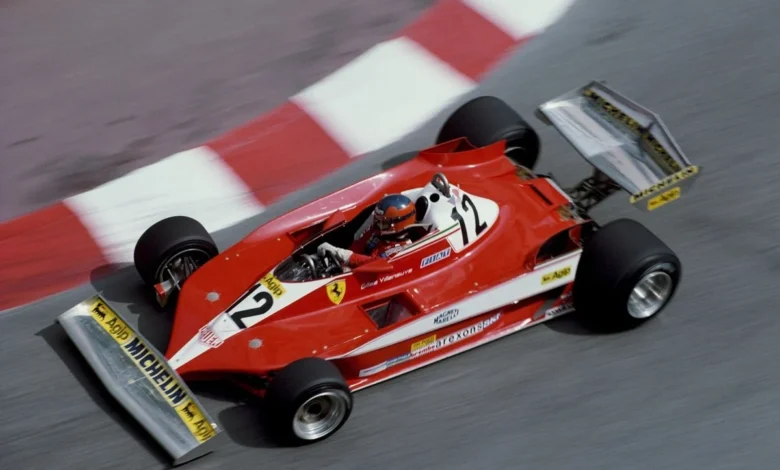
To understand the trajectory of Gilles Villeneuve, one must look at the timeline that transformed a Canadian snowmobile racer into a Maranello legend.
- 1977: Gilles makes his Formula 1 debut at the British Grand Prix, driving a third McLaren M23. His raw pace immediately attracts the attention of Enzo Ferrari.
- 1978: His first full season with Ferrari. He secures his maiden Grand Prix victory on home soil in Montreal, an emotional win that endeared him to the Canadian public.
- 1979: A pivotal year. Villeneuve finished second in the World Championship to teammate Jody Scheckter. His performance at the French Grand Prix—a wheel-to-wheel duel with René Arnoux—remains arguably the most famous battle in the history of the sport.
- 1981: The Spanish Grand Prix at Jarama. Villeneuve defends against a train of faster cars for the duration of the race, clinching a victory that showcased his defensive mastery and sheer willpower.
- 1982: The final chapter. Following the internal team conflict at Imola, the tension remained palpable. On May 8, 1982, during the final minutes of qualifying at Zolder, Villeneuve collided with the car of Jochen Mass, resulting in a fatal accident.
The Burden of the Surname: A Comparative Analysis
The experience of Jacques Villeneuve is not unique within the elite circles of motorsport. The children of legendary drivers often navigate a complex psychological terrain defined by public expectation and private loss.
Damon Hill, the 1996 World Champion and son of two-time champion Graham Hill, faced a different set of challenges. Following his father’s death in a 1975 plane crash, the family’s financial stability was shattered by the ensuing legal aftermath. Hill famously entered the sport late, working as a motorcycle courier to make ends meet, eventually carving out a legacy that stood on its own merits despite the heavy shadow cast by his father’s name.
Similarly, Nico Rosberg, son of 1982 champion Keke Rosberg, navigated a career path where his father maintained a conscious distance. While Keke provided support, he avoided the overbearing presence that often complicates the development of young drivers. These stories illustrate that while the talent may be hereditary, the psychological journey is intensely personal. For Jacques, the process of becoming an independent entity involved building a "carapace" to withstand the scrutiny of the media and the inevitable failures that occur during the ascent through categories like Formula 3.
A Nuanced Portrait of a Man
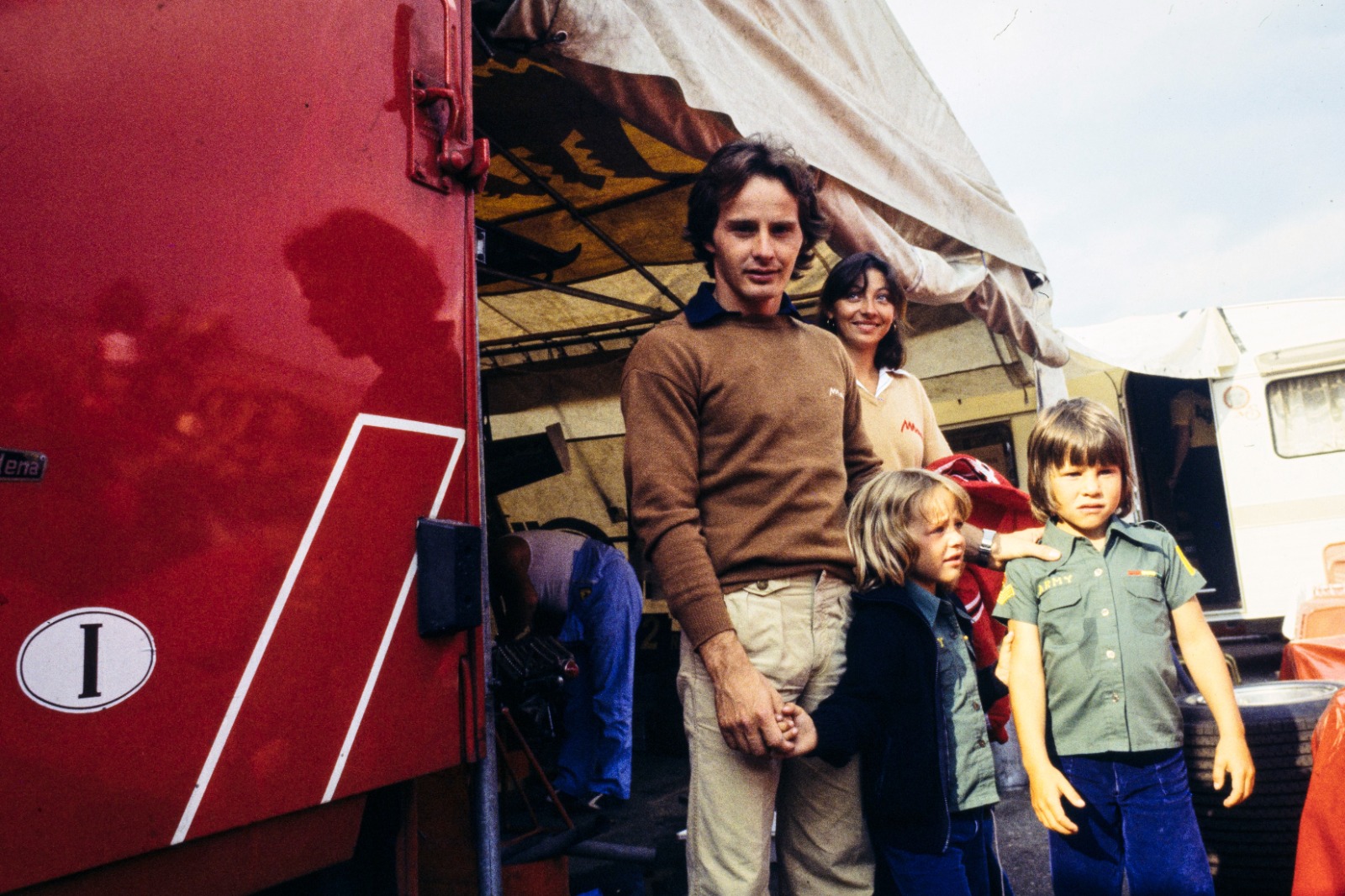
The upcoming documentary aims to provide a more holistic view of Gilles Villeneuve than the one provided by 20th-century news archives. Jacques notes that his own understanding of his father has evolved significantly over the years, largely due to the openness of his father’s former rivals.
"Even Alain Prost and others who used to race with him, people who never dared to speak before, have started opening up," Jacques noted. "The picture I am getting is so different from the one I received from my mother."
This shift in perspective is crucial. For decades, the narrative has been dominated by the "fearless" caricature—the man who would drive on three wheels to reach the pits at Zandvoort. The film, however, explores the "selfish" nature of his ambition. Jacques describes a father who was consistent in his intensity, whether he was behind the wheel of a Ferrari or simply navigating life at home. This focus—an unwavering, single-minded pursuit of the next challenge—was the engine of his success, but it also defined his relationship with those closest to him.
Implications for Modern Formula 1
As Formula 1 continues to experience a surge in global popularity, the focus on its history has intensified. The return of the sport to venues like Madrid, a city that saw one of Villeneuve’s finest defensive masterclasses, serves as a poignant reminder of the sport’s deep-rooted heritage.
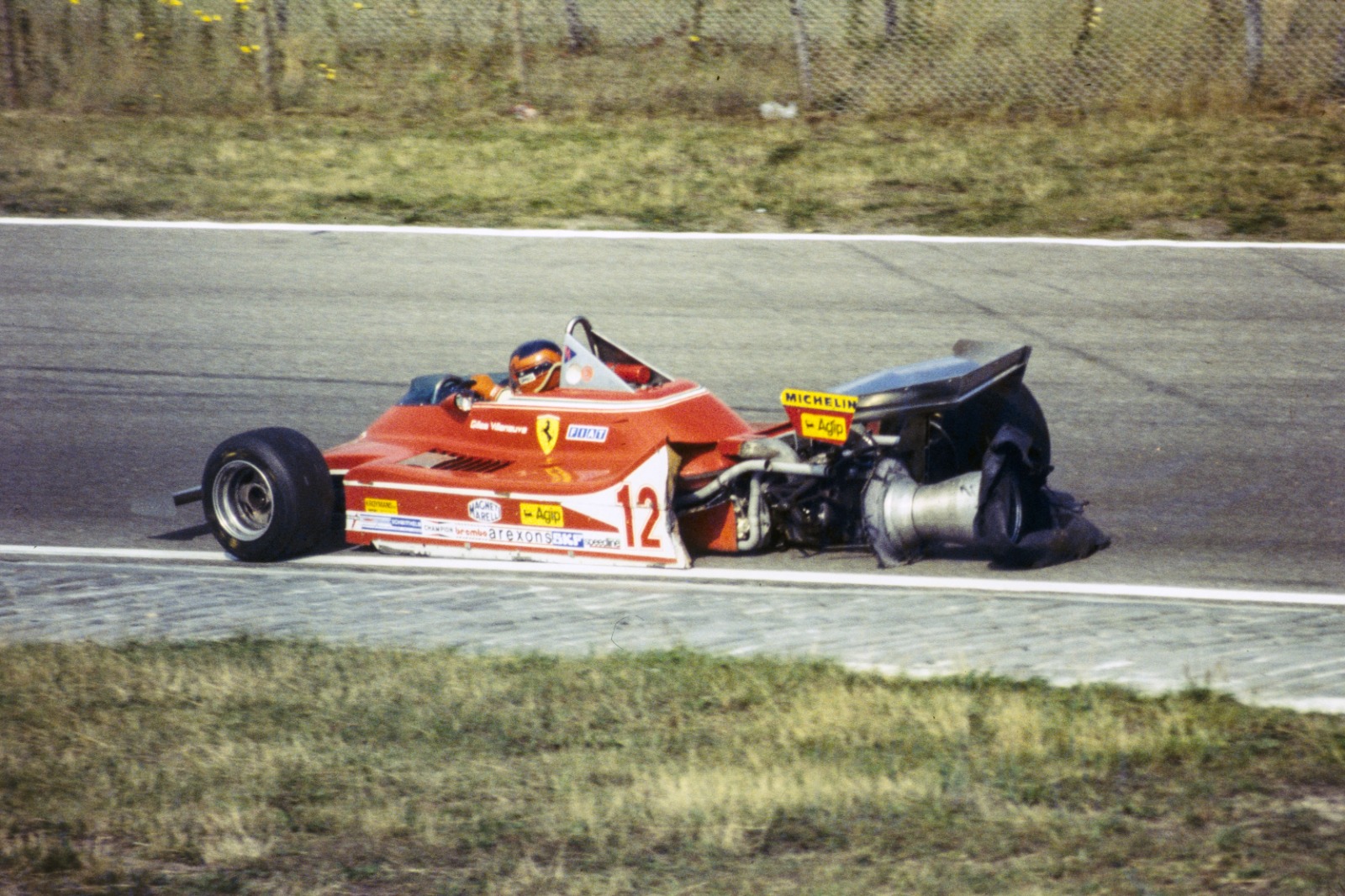
The analytical consensus among racing historians is that Villeneuve represented a transitional figure. He occupied the space between the era of the "gentleman racer" and the modern, data-driven athlete. His approach to risk, while dangerous, was rooted in a profound technical understanding and an innate ability to extract performance from ill-handling machinery.
Furthermore, the film’s release serves as a bridge for a new generation of fans who may know the name "Villeneuve" only through statistics or highlight reels. By focusing on the formative years—the setbacks, the personal struggles, and the character development before the fame—the documentary provides a necessary humanizing element to a sport often viewed through the lens of cold performance metrics.
Looking Ahead
Villeneuve: Rise of a Legend is not merely a sports biography; it is a family’s attempt to reclaim a narrative that has been monopolized by the tragedy at Zolder for over four decades. By centering the story on the years before the icon became the myth, the film offers a rare glimpse into the mechanics of greatness.
For Jacques, the film represents the closing of a circle. It allows him to view his father not as a static historical figure or a cautionary tale, but as a complex man who lived life at the absolute limit. As the 50th anniversary of his debut approaches in 2027, this documentary ensures that the discourse surrounding Gilles Villeneuve will finally move beyond the superficial, allowing the legend to be understood with the depth and nuance it truly deserves. The theatrical release in Quebec in November, followed by a global rollout next year, promises to redefine the legacy of a driver who, regardless of the era, remains an enduring symbol of the pursuit of excellence.