Behind the Lens and Beyond the Crown: Arthur Edwards Reveals Princess Diana’s Witty Banter and Unfiltered Humor

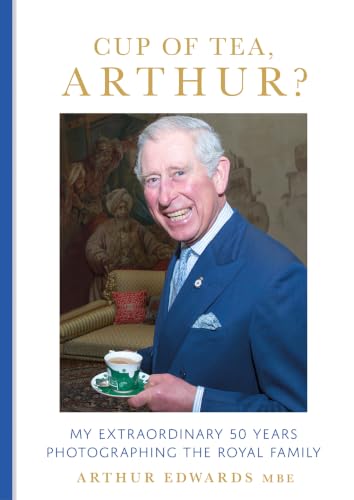
Longtime royal photographers occupy a unique space within the British monarchy’s ecosystem. They are simultaneously insiders and outsiders, granted physical proximity to high-profile engagements while remaining tethered to the external demands of the press. Few individuals understand this delicate paradox better than Arthur Edwards, a veteran photojournalist who has spent five decades documenting the British royal family for the national newspaper The Sun. In his revealing new memoir, Cup of Tea, Arthur?: My Extraordinary 50 Years Photographing the Royal Family, Edwards offers fresh insights into the private personalities of senior royals, casting a particular spotlight on the sharp wit, playful antagonism, and formidable humor of the late Princess Diana.
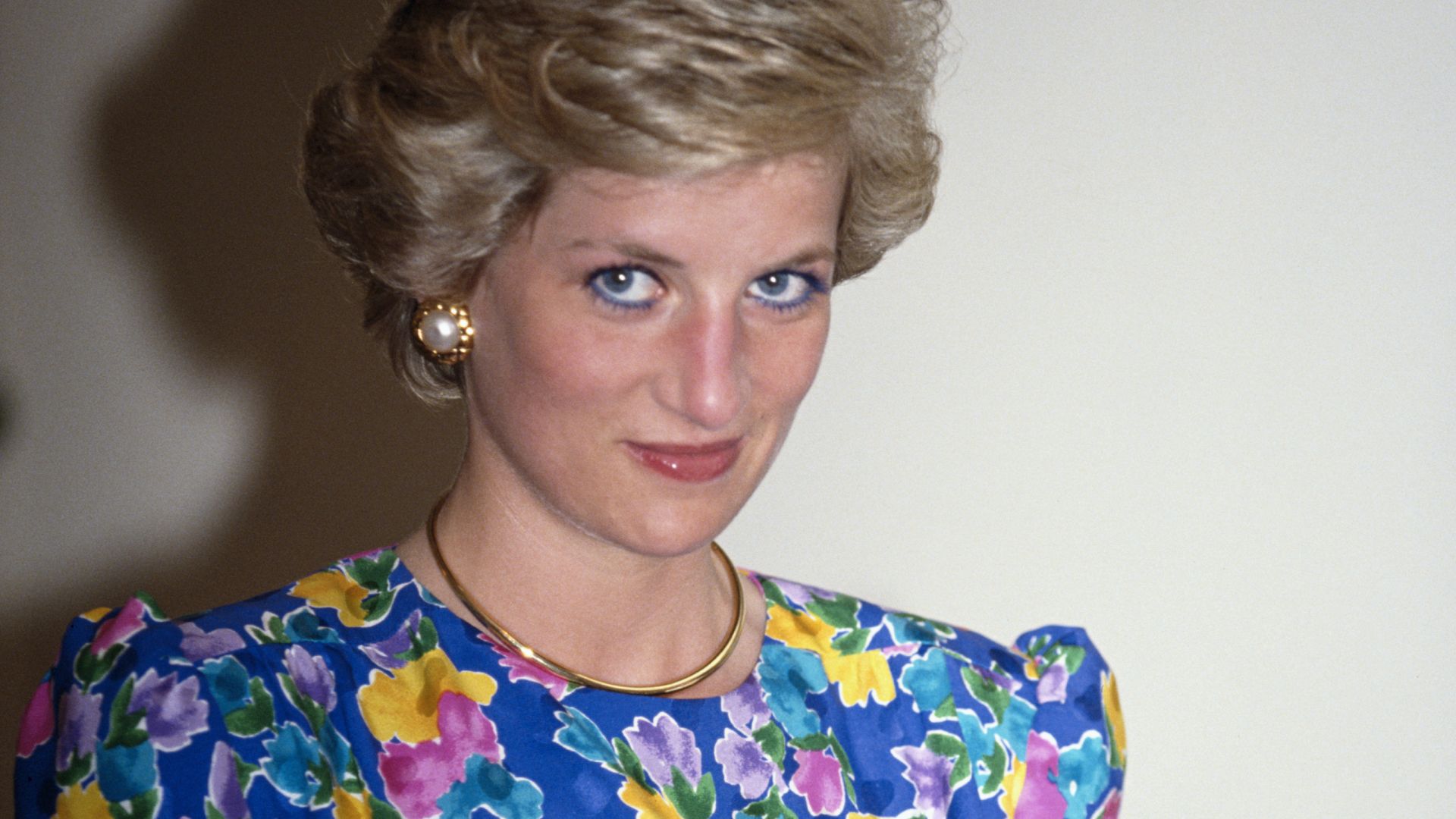
Long celebrated for her global humanitarian footprint, trendsetting fashion choices, and complex relationship with the media, Diana possessed a lesser-known linguistic agility. Her biting yet good-natured banter with journalists often dissolved the rigid formality expected of royal engagements. Edwards’s memoir serves as a historical and cultural record of these interactions, providing a detailed look at how the Princess of Wales navigated a relentless media spotlight using humor as both a shield and a sword.
The Art of the Banter: Joking with the Press Corps
The dynamic between the press and the House of Windsor has historically been fraught with tension. Photographers and reporters chase exclusive scoops and front-page spreads, while royals seek to control their public image. However, Edwards’s recollections demonstrate that Princess Diana occasionally bypassed this adversarial posture, engaging press members in verbal sparring matches that relied on quick comebacks and self-aware irony.
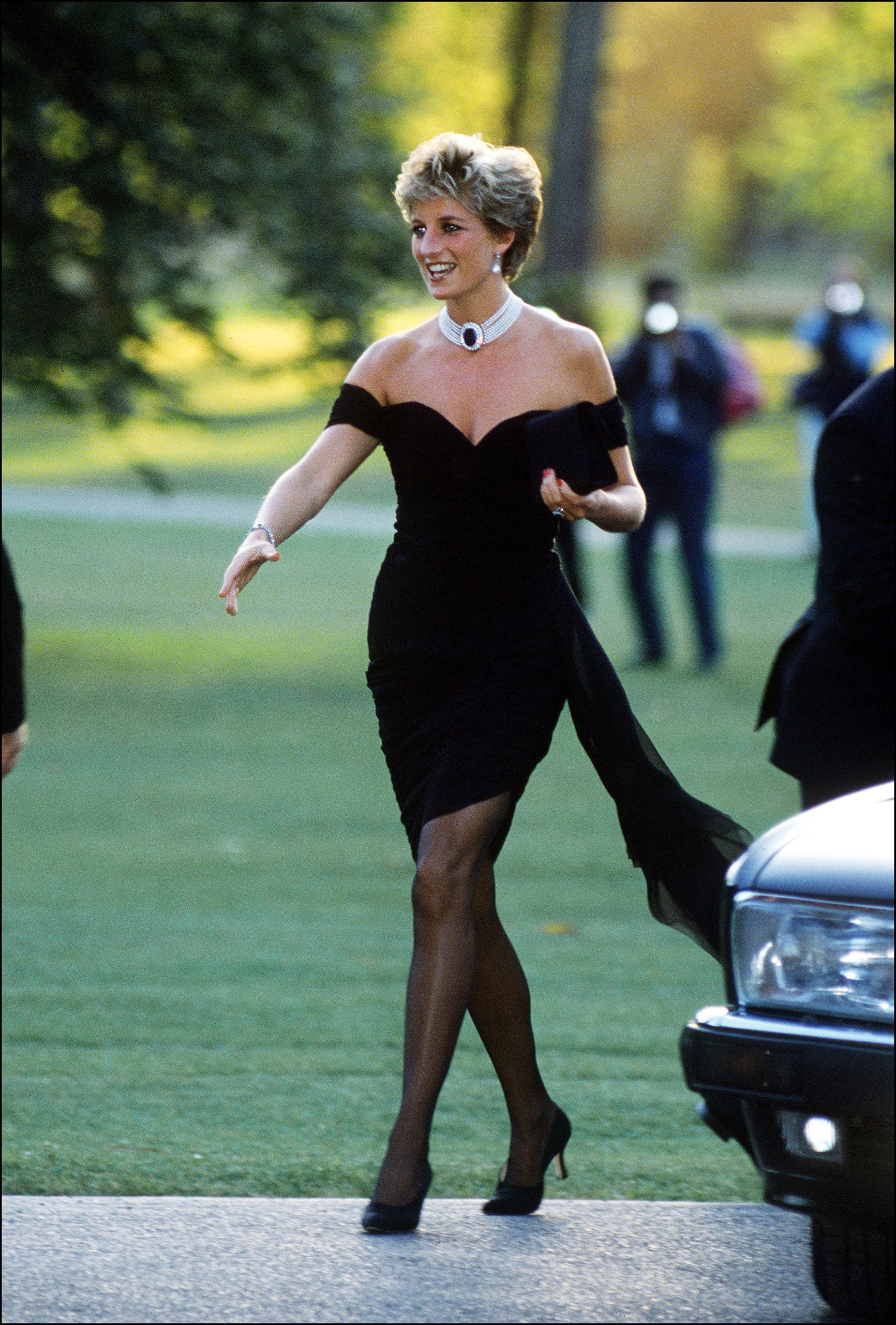
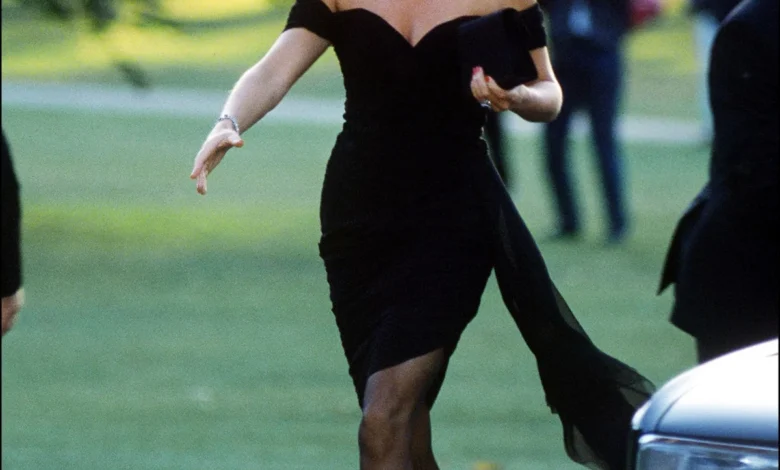
In one notable exchange cited in the book, Edwards approached the Princess following an evening gala, questioning her fashion choices with deliberate provocation. "I walked up to Diana and asked: ‘Why did you have to wear that boring old dress at the opera last night?’" Edwards wrote.
Rather than taking offense or offering a standard diplomatic deflection, Diana delivered a swift and sharp retort: "Oh, I suppose you’d like it better if I came naked."
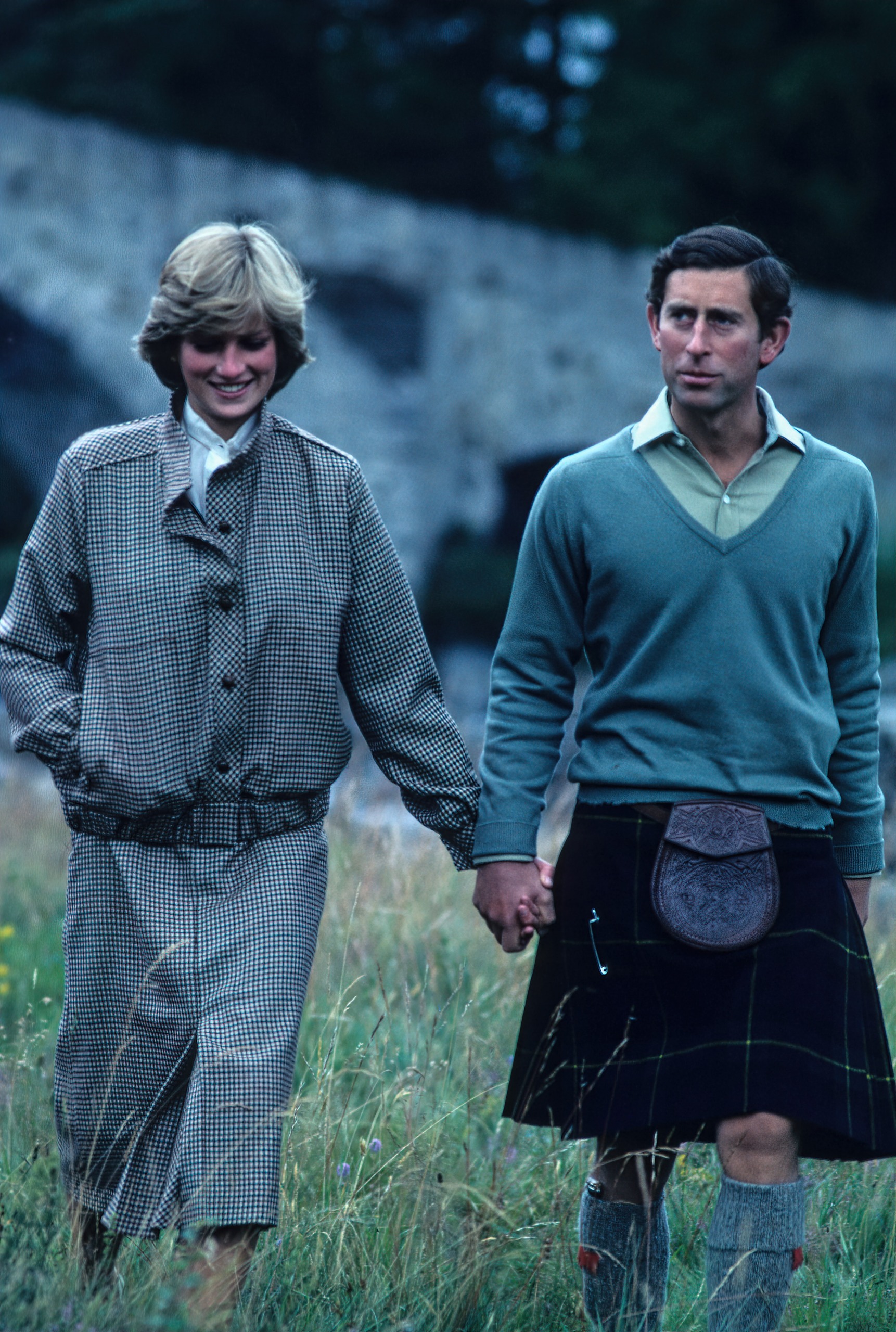
The banter did not stop with the Princess. Edwards escalated the exchange by turning his attention to her husband at the time, then-Prince Charles, who is now King Charles III. Addressing the future monarch, Edwards playfully demanded, "Why don’t you buy your wife a new frock?"
Demonstrating a rare moment of public levity, King Charles joined in the routine with mock dismay. "We simply can’t afford it," he declared. Not one to let a punchline drop, Edwards countered by suggesting the Prince "sell one of your polo ponies then" to finance a new gown. This anecdote underscores a humanizing facet of the royal couple’s early years, highlighting an ability to laugh at public perceptions surrounding royal wealth and wardrobe repetition.
The 1986 Heathrow Escalator Incident: A Masterclass in Anticipation
Beyond evening galas and high-society events, royal engagements often presented logistical challenges that photographers sought to exploit. A prime example occurred in April 1986, when Princess Diana visited Heathrow Airport to formally open a new terminal. The event, standard in its official itinerary, carried an underlying photographic hazard due to the venue’s architectural layout.
Organizers and security details abruptly realized that the Princess would be required to ascend a steep escalator, a structural feature that risked compromising her privacy from lower vantage points. Recognizing the photographic potential of the angle, the press corps prepared their lenses.
Anticipating their strategy, Diana confronted the press directly as she approached the stairway. Turning to Edwards, she remarked with characteristic awareness, "Hello, Arthur, I suppose you want to take a picture right up my legs?"
The situation was swiftly neutralized when two royal protection officers intervened, physically blocking the line of sight for the gathered photographers as the Princess ascended. While Edwards failed to secure the compromising angle, the interaction itself birthed a different kind of media victory. The following morning, The Sun ran a front-page story under the headline Keep Your Eyes Off My Thighs, cementing the episode into the annals of royal journalism lore.
Contextualizing the Media Relationship in the 1980s
The interactions detailed in Edwards’s memoir take place against the backdrop of the 1980s, a decade that marked the height of "Di-mania." Following her marriage to Prince Charles in 1981, Princess Diana became the most photographed woman in the world. Every movement, outfit change, and facial expression was subjected to intense scrutiny by the British tabloid press.
During this period, the relationship between the House of Windsor and the media was governed by an unspoken set of rules, which gradually eroded under the weight of relentless public demand. Photographers like Edwards spent hundreds of days a year traveling with the royals, fostering a working relationship built on mutual recognition. Diana’s ability to disarm photographers with wit was a survival mechanism, allowing her to reclaim a degree of agency within an environment that often felt predatory and invasive.
Media analysts note that Diana’s charm offensive was calculated to maintain public affection while managing the intrusive nature of the paparazzi. By acknowledging the photographers’ objectives aloud—such as anticipating the escalator shot—she effectively stripped the moment of its predatory power, turning a potential violation of privacy into a shared joke.
The Broader Implications of Royal Memoirs
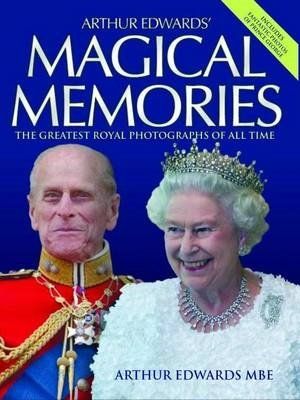
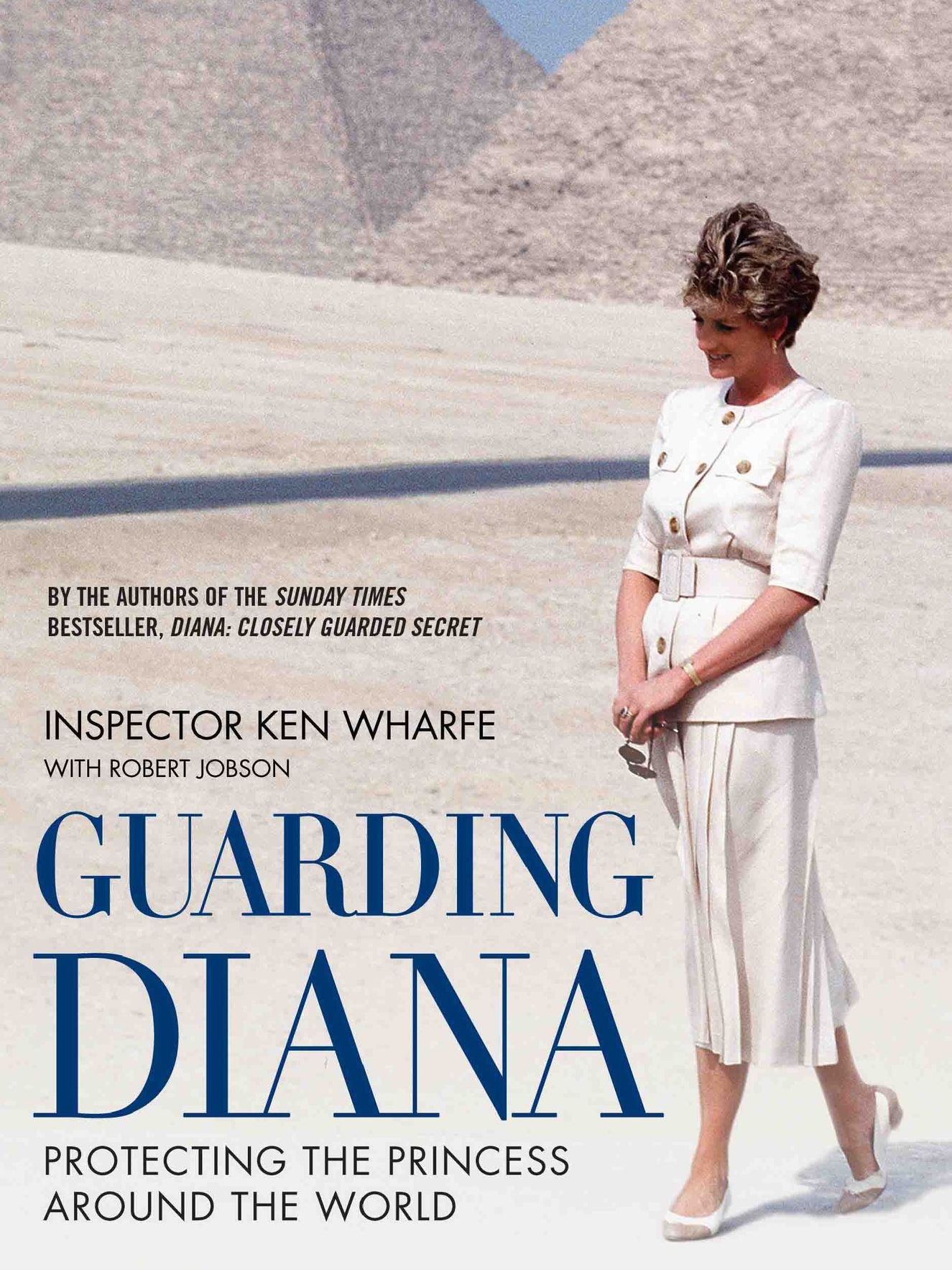
In recent years, the literary market has seen a surge in memoirs and retrospective accounts authored by individuals orbiting the British royal family. From former protection officers like Ken Wharfe to long-serving photographers like Arthur Edwards, these publications offer alternative perspectives that complement or challenge official historiography.
While major royal memoirs—such as Prince Harry’s Spare—often focus on institutional friction and personal grievances, books penned by external observers like Edwards tend to emphasize human moments, professional camaraderie, and nostalgia. Cup of Tea, Arthur? contributes to a growing body of work that seeks to document the behind-the-scenes reality of royal life during the latter half of the 20th century.
For historians and royal watchers, these anecdotes provide valuable context regarding the interpersonal dynamics within the royal household during a turbulent decade. They reveal a Princess Diana who was fiercely intelligent, acutely aware of her image, and equipped with a sense of humor that enabled her to spar effortlessly with some of the most aggressive journalists of Fleet Street.
Conclusion
Arthur Edwards’s reflections in Cup of Tea, Arthur? transcend simple tabloid nostalgia, offering a nuanced portrait of Princess Diana through the lens of a man who documented her public life for decades. Far from the passive subject of newsprint, Diana emerges as an active participant in her own narrative, utilizing wit and verbal dexterity to disarm the press corps. These newly revealed exchanges underscore why her legacy endures: beyond the iconic fashion and global humanitarian work, her quick mind and relatable humor left an indelible mark on everyone she encountered, preserving her memory not just as a global icon, but as a remarkably sharp individual who knew how to hold her own against the world’s most persistent cameras.