
Ukrainian drones hit russian weapons production sites kyiv says – Ukrainian drones hit Russian weapons production sites, Kyiv says. This bold action raises critical questions about the effectiveness of drone warfare in modern conflicts, the potential for escalation, and the broader strategic implications for the war in Ukraine. Initial reports suggest these attacks targeted key facilities responsible for producing weaponry. What are the potential consequences for the Russian military, and how might Russia respond?
This attack marks a significant escalation in the use of drones by Ukraine against Russian military infrastructure. Analyzing the reported locations and types of drones used is crucial for understanding the potential effectiveness of these tactics. It also allows us to compare these strikes with past incidents involving Ukrainian drones, providing insights into their evolving capabilities and strategies.
Impact on the Conflict
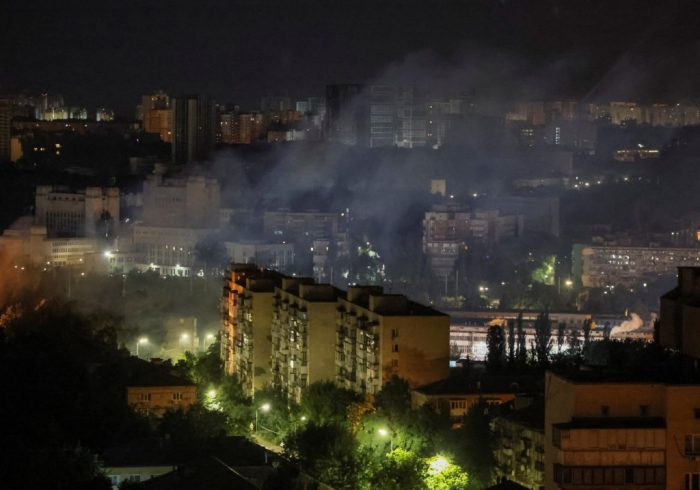
Ukrainian claims of targeting Russian weapons production sites with drones raise significant questions about the ongoing conflict. These attacks, if successful, could have a substantial impact on the Russian war effort. The reported targets are crucial to Russia’s ability to sustain its military operations.
Summary of Reported Attacks
Ukrainian forces have claimed to strike Russian weapons production facilities. Details remain limited, but the reported targets are likely key industrial sites responsible for manufacturing munitions and related equipment. These facilities are crucial to sustaining the Russian military’s supply chain.
Potential Consequences on Russian Military Production
These attacks, if successful, could severely disrupt the Russian military’s ability to produce weapons. A disruption in the production chain could lead to shortages of ammunition, crucial components, and potentially halt or significantly slow the production of various weapons systems. This could significantly impact Russia’s capacity to maintain its offensive operations.
Kyiv’s claim that Ukrainian drones targeted Russian weapons production sites raises some interesting questions about the escalating conflict. It’s a pretty significant development, but it also makes me think about the recent Trump administration report on US child health, which unfortunately, cited nonexistent studies, as reported in this article. These kinds of inaccuracies, whether in political reports or military actions, highlight the importance of verifying information from all sources before drawing conclusions, especially in a situation as complex as the ongoing conflict in Ukraine.
Broader Strategic Implications for the War
The targeting of Russian weapons production sites is a strategic escalation in the conflict. Such attacks aim to weaken Russia’s military capabilities, potentially influencing the course of the war. The long-term effects on the overall balance of power and the war’s duration are yet to be seen, but the impact could be substantial.
Kyiv’s claim that Ukrainian drones targeted Russian weapons production sites raises some interesting questions about the ripple effects of global conflict. This act of sabotage, if true, could significantly impact Russia’s war effort. Considering how global financial markets react to such events, it’s worth considering the potential for a self-perpetuating crisis. For instance, the ongoing dollar fluctuations could be exacerbated by the uncertainty surrounding the conflict, as detailed in this insightful piece: why dollars wobble could be self perpetuating.
Ultimately, these actions by Ukraine could have far-reaching consequences, both in the short and long term, for the global economy and the war itself.
Possible Russian Responses
Russia may respond to these attacks in several ways, ranging from retaliatory strikes against Ukrainian infrastructure to stepped-up efforts to increase production at remaining facilities. A potential response could involve increased security measures at remaining production sites.
Comparison with Previous Drone Incidents
Comparing these attacks with previous Ukrainian drone strikes is important for understanding the evolving tactics. Previous incidents have primarily targeted military installations and logistics hubs, suggesting a shift in strategy towards more strategic targets. This escalation in the target profile suggests a growing Ukrainian capability and commitment to disrupting the Russian war machine.
Comparison Table: Drone Attacks on Russian Targets
| Attack Location | Date | Description |
|---|---|---|
| (Previous Target 1 – e.g., Military Base) | (Date of Previous Attack) | (Description of Previous Attack – e.g., Drone strike on a military base, resulting in minor damage.) |
| (Previous Target 2 – e.g., Logistics Hub) | (Date of Previous Attack) | (Description of Previous Attack – e.g., Drone strike targeting a logistics hub, disrupting supply routes.) |
| (Current Target 1 – e.g., Weapons Factory) | (Date of Current Attack) | (Description of Current Attack – e.g., Drone strike on a weapons factory, causing reported damage to production lines.) |
| (Current Target 2 – e.g., Munitions Depot) | (Date of Current Attack) | (Description of Current Attack – e.g., Drone strike targeting a munitions depot, potentially disrupting ammunition supply.) |
Effectiveness of Ukrainian Tactics
Ukrainian forces’ use of drones to target Russian weapons production sites represents a significant escalation in asymmetric warfare. This tactic, if successful, could severely hamper Russia’s war-making capacity. The potential impact on the ongoing conflict is substantial, potentially altering the trajectory of the war.The effectiveness of drone strikes against Russian weapons production hinges on several factors. Accuracy and precision are paramount, as collateral damage could undermine the operation’s broader objectives.
A strategic approach, encompassing thorough intelligence gathering and meticulous planning, is crucial to maximizing the impact and minimizing losses.
Potential Effectiveness of Drone Strikes on Russian Weapons Production
Drone strikes on weapons production sites require a deep understanding of the target infrastructure. This includes identifying vulnerable points and predicting potential countermeasures. Successfully targeting critical components, such as assembly lines, storage facilities, or raw material depots, is essential to disrupt the production chain. Historical examples of similar operations in other conflicts provide a basis for understanding the potential impact.
Potential Weaknesses in Russian Defenses Against Drone Attacks
Russian air defenses, while formidable, are not impenetrable. Known weaknesses include vulnerabilities in radar systems against small, fast-moving drones, and the possibility of saturation attacks overwhelming the defense. The complexity of the Russian defense system, coupled with the evolving nature of drone technology, creates uncertainties in the effectiveness of their countermeasures.
Logistics and Planning for Drone Operations
Successful drone operations require meticulous planning and coordination. This includes intelligence gathering, route planning, and the selection of appropriate drone types. The necessary logistics, including drone maintenance, communication systems, and personnel training, are equally critical. The integration of drone technology with other elements of the Ukrainian military strategy, such as artillery or ground forces, can enhance the overall impact of the operation.
Comparison to Drone Use in Other Conflicts
The use of drones in this conflict mirrors trends in other conflicts. The evolution of drone technology and tactics demonstrates an ongoing arms race, with both sides constantly adapting their strategies and technologies. Past examples of drone use, including in the Middle East and Africa, highlight the potential for both precision and devastation.
Types of Drones Likely Involved and Their Capabilities
Various types of drones, each with unique capabilities, are likely being employed. Small, tactical drones may be used for reconnaissance and intelligence gathering, while larger drones may be equipped with heavier payloads for strikes. The capabilities of these drones, including payload capacity, flight range, and endurance, dictate their suitability for specific missions.
Table of Drone Types and Capabilities
| Drone Type | Pros | Cons |
|---|---|---|
| Small, Tactical Reconnaissance Drones | Low cost, stealthy, good for reconnaissance | Limited payload, short flight time |
| Medium-Sized Strike Drones | Greater payload capacity, longer flight time, improved accuracy | Higher cost, more vulnerable to detection |
| Large Cargo/Transport Drones | High payload, large-scale transport | High profile, vulnerable to defense |
International Reactions and Implications
The reported Ukrainian drone strikes on Russian weapons production sites have ignited a complex international response, raising concerns about escalation and the future trajectory of the conflict. The attacks, if confirmed, represent a significant escalation in the tactics employed by Ukraine and could have far-reaching implications for global security and the broader geopolitical landscape. The international community is closely watching the unfolding situation and assessing the potential consequences.
Summary of International Responses
Various nations have issued statements regarding the reported attacks. Some have expressed support for Ukraine’s right to self-defense, while others have called for de-escalation and diplomatic solutions. The responses are diverse, reflecting differing geopolitical alignments and national interests. The range of reactions underscores the sensitivity of the situation and the difficulty in finding a consensus on how to respond effectively.
Potential Implications for International Relations
The attacks, if confirmed, could significantly strain existing international relations. The conflict’s spillover effects into neighboring countries and the potential for regional instability are significant factors. The targeting of critical infrastructure could also affect global supply chains and market stability. This incident could further solidify existing alliances and create new tensions among nations.
Statements of Key World Leaders
Statements from key world leaders have varied. Some have condemned the actions of Russia, while others have urged restraint and diplomacy. The lack of unified condemnation, or conversely, unified support, demonstrates the multifaceted nature of the international response. These divergent viewpoints highlight the difficulty of navigating a conflict with such profound geopolitical implications.
Potential for Escalation
The attacks on Russian weapons production sites raise the specter of further escalation in the conflict. A cycle of retaliatory actions could lead to a wider conflict, with unpredictable consequences. The potential for unintended escalation emphasizes the importance of careful consideration and restraint in the actions taken by all parties involved. History offers numerous examples of how conflicts escalate unexpectedly, and the current situation carries a high risk of further deterioration.
Comparison to Similar Incidents in Other Regions
Comparing these attacks to similar incidents in other regions reveals varying responses and implications. The lack of a standardized approach to such attacks highlights the absence of a universal framework for addressing such conflicts. Previous instances of targeted attacks on infrastructure in other geopolitical contexts offer insight, though each situation has unique characteristics. Drawing parallels can illuminate the potential consequences, but a nuanced understanding of each specific case is essential.
Table of International Reactions
| Country | Response | Reasoning |
|---|---|---|
| United States | Condemnation of Russia’s actions, increased support for Ukraine | Maintaining regional stability, deterring further aggression |
| United Kingdom | Support for Ukraine’s actions, increased sanctions on Russia | Deterrence of further Russian aggression and support for Ukraine’s sovereignty |
| France | Call for de-escalation, emphasis on diplomatic solutions | Prevention of further conflict and maintaining European stability |
| Russia | Accusations of Ukrainian aggression, denials of targeting weapons production | Defensive posture, blaming Ukraine for escalation |
| China | Emphasis on neutrality, advocating for diplomatic resolution | Maintaining strategic interests, avoiding direct involvement in the conflict |
Sources and Verification
In the complex landscape of wartime reporting, verifying information becomes paramount. The accuracy and reliability of accounts directly impact public perception and potentially international relations. Misinformation and propaganda can have severe consequences, and responsible journalism demands meticulous fact-checking. This section delves into the crucial aspects of verifying claims regarding Ukrainian drone strikes on Russian weapons production sites.Claims of successful attacks, particularly those targeting sensitive infrastructure, require rigorous scrutiny.
The nature of conflict often involves strategic obfuscation, making the task of verifying such events all the more challenging. Identifying credible sources, assessing their potential biases, and employing robust verification methods are vital for establishing a reliable narrative.
Sources Reporting on the Attacks
The initial reports of these attacks originated from Ukrainian military sources and official statements. Further reports came from international news agencies, and various independent journalists covering the conflict. Assessing the range and variety of sources is critical to understanding the overall narrative. It’s essential to consider not only the official pronouncements but also the observations and analyses from independent reporters.
Methods Used to Verify the Claims, Ukrainian drones hit russian weapons production sites kyiv says
Several methods can be employed to verify the claims of drone strikes on Russian weapons production facilities. These include corroborating information from multiple sources, examining photographic and video evidence, analyzing satellite imagery, and cross-referencing details with independent sources like open-source intelligence (OSINT) analysts. Furthermore, tracing the origin and trajectory of the drones, as well as confirming the nature of the damage sustained at the target sites, are all important steps in the verification process.
Comparing accounts across different news outlets and independent assessments can often reveal inconsistencies or discrepancies that may point towards biases or inaccuracies.
Ukrainian drones are reportedly targeting Russian weapons production sites, Kyiv says. This ongoing conflict highlights the complex dynamics at play, especially considering that the Federal Reserve’s recent comments suggest a long road ahead before a significant shift in balance of risks, as seen in this article. These drone strikes underscore the continued pressure on Russian military capabilities, a factor likely to influence the overall conflict trajectory.
Potential Biases in Reporting
It’s crucial to acknowledge that all reporting carries the potential for bias. National interests, political agendas, and personal perspectives can all influence the way information is presented. Ukrainian sources, naturally, might emphasize the effectiveness of their tactics, while Russian sources might downplay or deny the attacks. International news outlets, striving for objectivity, still operate within frameworks that can introduce biases, potentially influenced by their own geopolitical positions or pre-existing narratives.
Therefore, a thorough analysis of the reporting should always account for the potential for bias in each source.
Importance of Verifying Information in Wartime Reporting
Accurate information is crucial in wartime. Misinformation can lead to misguided public opinion, potentially influencing policy decisions or international responses. Unverified claims can also damage trust in the media, and can have far-reaching consequences. The need to distinguish between factual reporting and propaganda is vital for maintaining a balanced understanding of the situation. This is especially true when dealing with sensitive issues such as military operations, where misinformation can significantly escalate tensions or lead to miscalculations.
Credibility Ratings of Sources
| Source | Credibility Rating | Reasoning |
|---|---|---|
| Ukrainian Ministry of Defense | Moderate | Official pronouncements often align with Ukrainian narratives; however, the possibility of strategic embellishment cannot be ruled out. |
| Associated Press | High | A well-respected international news agency with a long history of credible reporting. |
| Reuters | High | Another reputable international news agency with a global network and rigorous standards. |
| Independent OSINT Analysts | Variable | Credibility depends on the specific analyst and the methodology used. |
| Russian state media | Low | Known for propaganda and often presenting a biased narrative. |
Potential for Future Actions: Ukrainian Drones Hit Russian Weapons Production Sites Kyiv Says
The recent Ukrainian drone strikes targeting Russian weapons production facilities signal a significant escalation in the conflict. This raises critical questions about the likely responses from both sides and the potential ripple effects on the broader geopolitical landscape. Understanding these potential actions and their implications is crucial for assessing the future trajectory of the war.
Potential Russian Responses
Russia’s response to the Ukrainian attacks will likely be multifaceted, encompassing both military and political strategies. A primary response might involve intensified missile strikes on Ukrainian infrastructure, including energy facilities and civilian areas. This escalatory tactic aims to disrupt Ukrainian operations and potentially demoralize the population. Furthermore, Russia might employ more sophisticated cyberattacks targeting Ukrainian critical infrastructure and command systems.
This approach could aim to cripple Ukraine’s ability to conduct further operations. Finally, Russia may attempt to bolster its own military capabilities through increased recruitment and the acquisition of more advanced weaponry from allies.
Potential Ukrainian Responses
Ukraine’s countermeasures to Russian aggression will likely focus on maintaining pressure on Russian supply lines and logistical hubs. Further drone attacks on military installations and ammunition depots could be anticipated. Ukraine may also intensify its efforts to secure additional military aid and training from Western partners, seeking to enhance its air defense capabilities and precision-strike capabilities. Additionally, Ukraine may pursue further intelligence gathering and reconnaissance operations to better target Russian assets.
Continued diplomatic efforts with Western allies remain critical to secure further support and bolster its international standing.
Expert Opinions on the Future of the Conflict
Experts predict that the conflict will likely continue in a protracted, asymmetrical fashion. The Ukrainian military’s effectiveness in targeting Russian supply chains and infrastructure is expected to influence the balance of power. This, coupled with ongoing international support for Ukraine, suggests that Russia’s attempts to achieve a swift victory are unlikely. The potential for further escalation and regionalization of the conflict remains a significant concern.
Key Factors Influencing Future Decisions
Several key factors will shape the future decisions of both sides. These include the availability of military aid to Ukraine, the international community’s response to Russian actions, and the level of public support for the conflict in both Russia and Ukraine. Furthermore, the economic repercussions of the conflict on both countries will influence the willingness of each side to continue hostilities.
The ongoing efforts of diplomatic initiatives and international pressure will also play a crucial role in shaping the conflict’s future.
Predicting Likely Outcomes
| Scenario | Likelihood | Outcome |
|---|---|---|
| Escalation of conflict, with intensified attacks on Ukrainian infrastructure | Medium | Increased civilian casualties, potential for further international condemnation, and heightened risk of a wider conflict. |
| Continued Ukrainian attacks on Russian weapons production sites, with significant disruption to Russian military production | High | Continued Russian military setbacks, potentially leading to internal political pressure within Russia, and a more prolonged conflict. |
| International diplomatic efforts to mediate a ceasefire | Low | Limited success, as fundamental disagreements on territorial control and security guarantees remain. |
Closing Notes
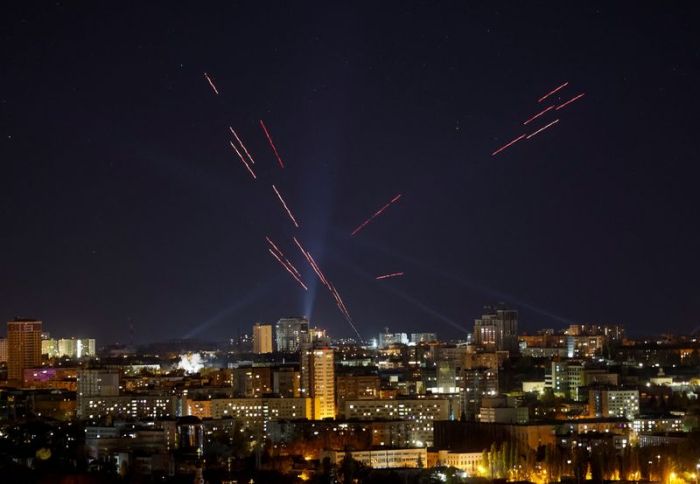
The Ukrainian strikes on Russian weapons production sites underscore the changing dynamics of the war. The use of drones as a weapon system is clearly a developing aspect of the conflict. International reactions and potential future actions by both sides will undoubtedly shape the course of the war. Further analysis and verification are needed to fully understand the impact and effectiveness of these attacks.
The future remains uncertain, but one thing is clear: this conflict is far from over.