
Ukrainian Attack Damaged 10 Russias Strategic Bombers Germany Says
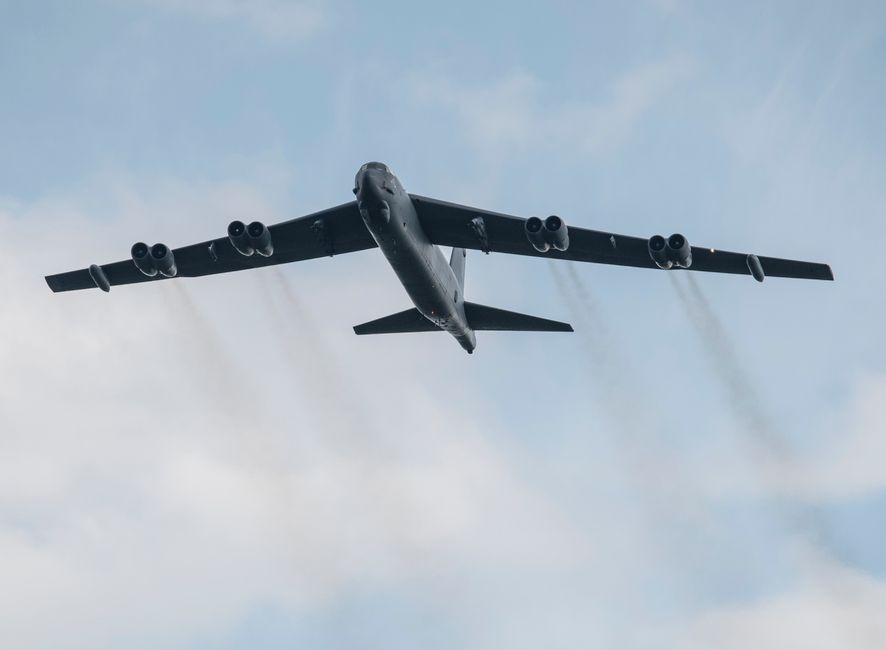
Ukrainian Drone Strike Hits Russian Airbase, Damaging 10 Strategic Bombers, Germany Claims
In a significant escalation of the ongoing conflict, a Ukrainian drone attack reportedly struck a Russian airbase in Engels, Saratov Oblast, damaging an estimated ten strategic bombers. This assertion, made by German intelligence sources, suggests a substantial blow to Russia’s long-range strike capabilities and represents a rare instance of Ukraine successfully targeting deep within Russian territory with conventional means. The Engels airbase is a critical hub for Russia’s strategic bomber fleet, including Tu-95 and Tu-160 aircraft, which have been instrumental in launching long-range missile strikes against Ukraine since the full-scale invasion began in February 2022. The potential incapacitation of such a large number of these aircraft, if confirmed, could have a tangible impact on Russia’s ability to sustain its aerial bombardment campaign.
The German intelligence assessment, cited by multiple reputable news outlets, indicates that the drones used in the attack were likely of Ukrainian origin. While Kyiv has not officially claimed responsibility for the specific incident, the nature of the targets and the geographical location strongly point towards Ukrainian involvement. This development signifies a concerning trend for Russia, as it demonstrates Ukraine’s growing capacity to project power beyond its immediate borders and inflict damage on strategically vital infrastructure. The Engels airbase is located hundreds of kilometers from the Ukrainian border, necessitating a sophisticated and well-coordinated strike. The success of such an operation would underscore significant improvements in Ukrainian reconnaissance, drone technology, and operational planning.
The strategic implications of this alleged attack are profound. Russia’s strategic bombers are key components of its nuclear triad and are designed for long-range conventional and nuclear deterrence. Their primary role in the current conflict has been to launch cruise missiles at Ukrainian cities and infrastructure, often from relatively safe distances within Russian airspace. Any reduction in the operational readiness of these bombers would directly impact Russia’s ability to conduct such strikes, potentially forcing a reliance on other, less effective means or a scaling back of operations. The damage to ten aircraft, a considerable portion of Russia’s modern bomber fleet, would represent a significant logistical and financial blow. Repairing or replacing these sophisticated aircraft would be a lengthy and costly undertaking.
Furthermore, the incident highlights Russia’s vulnerability to drone attacks even on its most heavily defended military installations. The Engels airbase, due to its strategic importance, is expected to be equipped with robust air defense systems. The fact that Ukrainian drones were reportedly able to penetrate these defenses and cause significant damage raises serious questions about the effectiveness of Russia’s air defense network. This could embolden Ukraine to conduct further deep-strike operations and may force Russia to re-evaluate its defensive posture and allocate more resources to protecting its rear areas. The psychological impact on Russian military personnel stationed at Engels, and more broadly within Russia, could also be substantial, as it shatters the perception of invulnerability.
The German intelligence report, while providing a preliminary assessment, emphasizes the ongoing nature of the analysis. Verifying the exact extent of the damage and the number of aircraft affected requires independent confirmation, which is often challenging in a conflict zone. However, the fact that German intelligence has made this assessment suggests a high degree of confidence in their findings, likely based on intercepted communications, satellite imagery, and other intelligence-gathering methods. The transparency of the German government in releasing this information, even if unconfirmed by Ukraine, serves to highlight the growing pressure on Russia and the evolving dynamics of the war.
This incident follows a series of other alleged Ukrainian drone attacks on Russian territory in recent months, including strikes on military airfields and infrastructure in Crimea and other border regions. These attacks, while often on a smaller scale, have demonstrated a pattern of escalating Ukrainian capabilities and a willingness to carry out retaliatory actions within Russia. The Engels strike, however, represents a qualitative leap in the scale and strategic significance of these operations. It suggests a shift from localized harassment to targeted strikes aimed at degrading Russia’s core military assets.
The Russian Ministry of Defense has yet to issue a definitive statement on the incident. Initial reports in Russian state media, while acknowledging an incident at Engels, have downplayed the severity of the damage, attributing it to "accidents" or claiming that air defenses successfully intercepted drones with minimal impact. This is a predictable response, as Russia seeks to control the narrative and avoid projecting an image of weakness. However, the German intelligence report, if accurate, directly contradicts these assertions. The discrepancy between the two accounts underscores the information war that is being waged alongside the kinetic conflict.
From a geopolitical perspective, the alleged strike has several implications. It reinforces the narrative of Ukraine’s resilience and its ability to adapt and strike back against its aggressor. It may also increase pressure on Western allies to provide Ukraine with more advanced long-range strike capabilities, enabling it to further degrade Russian military assets. Conversely, it could lead to further escalation from Russia, potentially in the form of intensified missile strikes on Ukrainian cities or a more aggressive stance in the Black Sea. The international community will be closely watching Russia’s response to this significant event.
The specific types of drones used in the attack are also a subject of speculation. Ukraine has been developing and acquiring a range of unmanned aerial vehicles, including reconnaissance drones and attack drones. Some reports suggest that the drones may have been modified to carry explosives over long distances. The ability to successfully attack a target as far inland as Engels would require drones with a substantial range and sophisticated guidance systems. The technical capabilities demonstrated in this alleged attack could have implications for future drone warfare globally.
The Engels airbase is not just a strategic asset; it is also a symbol of Russian military power. Located in the Saratov region, it has been a home for strategic bombers for decades. Its role in projecting Russian power has been well-documented. The damage to aircraft based there would represent a tangible blow to national pride and a clear signal that even the most secure facilities are not immune to attack. The long-term consequences for Russia’s military modernization program and its strategic planning could be significant if a substantial portion of its bomber fleet is rendered inoperable.
Furthermore, the effectiveness of this strike, if confirmed, could influence the broader strategic calculus of the war. Russia has relied heavily on its air superiority and its ability to launch long-range missile attacks to maintain its advantage. Weakening this capability could force Russia to rethink its military strategy and potentially open new avenues for Ukrainian counter-offensives. The psychological impact on the Russian populace, who have largely been shielded from the direct effects of the war within Russia, could also be considerable, potentially leading to increased dissent and opposition to the conflict.
The ongoing analysis of the situation by German intelligence and other Western sources is crucial for a comprehensive understanding of the event. Independent verification, through satellite imagery, open-source intelligence analysis, and other credible channels, will be essential in confirming the extent of the damage and the number of aircraft affected. The narrative battle surrounding this incident will continue, with both sides attempting to shape perceptions and gain strategic advantage.
In conclusion, the alleged Ukrainian drone strike on the Engels airbase, as reported by German intelligence, represents a highly significant development in the Ukraine war. The reported damage to ten Russian strategic bombers, if confirmed, could have profound implications for Russia’s military capabilities, its strategic posture, and the overall trajectory of the conflict. It highlights Ukraine’s growing capacity for deep-strike operations and the vulnerabilities of even heavily defended Russian military installations. The international community will be closely monitoring the aftermath of this incident and the responses from both Kyiv and Moscow. The long-term consequences of this alleged attack are yet to fully unfold, but it undoubtedly marks a pivotal moment in the ongoing struggle.
