
Us authorized buyers venezuelan oil complete transactions licenses expire – US authorized buyers of Venezuelan oil face a critical juncture as licenses for completing transactions expire. This event has significant implications for global oil markets, the Venezuelan economy, and international relations. The expiration of these licenses could lead to disruptions in oil supply, potentially impacting prices and energy security worldwide.
This article delves into the background of these transactions, examining the licensing procedures, the impact of sanctions, and the potential consequences of license expiration. We’ll explore the legal framework, alternative scenarios, and future projections. Understanding these intricacies is vital for comprehending the potential ripple effects.
Background on Venezuelan Oil Transactions
Venezuela’s oil industry, historically a cornerstone of its economy, has been significantly impacted by international sanctions and political instability. US-authorized buyers play a crucial role in navigating this complex landscape, facilitating oil transactions while adhering to strict regulations. Understanding this intricate web of regulations, sanctions, and economic implications is vital for comprehending the current state of Venezuelan oil trade.The intricate relationship between Venezuela’s oil exports, US sanctions, and authorized buyers necessitates a deep dive into the regulations and licensing procedures.
This allows us to examine the economic implications for Venezuela, the US, and other nations involved.
Historical Overview of Venezuelan Oil Exports
Venezuela has a long history of oil production and export. For decades, it was a major supplier to global markets. However, the industry has faced significant fluctuations due to political and economic factors, including periods of nationalization, price volatility, and international sanctions. The historical context reveals a dynamic relationship between oil production, export policies, and international influence.
Role of US-Authorized Buyers
US-authorized buyers are crucial intermediaries in the Venezuelan oil trade, enabling transactions while complying with US sanctions. These buyers operate under strict guidelines and licenses, ensuring adherence to international regulations and mitigating potential sanctions violations. This intermediary role is vital for maintaining a regulated flow of oil in a complex geopolitical environment.
Regulations and Licensing Procedures
The US government regulates Venezuelan oil transactions through specific licensing procedures. These procedures are designed to limit the impact of sanctions while ensuring compliance with international law. The licensing process is complex and requires meticulous attention to detail.
Impact of Sanctions and International Pressure
International sanctions, particularly those imposed by the US, have significantly impacted Venezuelan oil trade. These sanctions have aimed to curtail the regime’s ability to fund its activities and exert pressure for political change. The impact is evident in decreased production and export volumes, impacting global energy markets and Venezuelan economic stability.
Different Types of Licenses Involved
Various types of licenses govern the different aspects of Venezuelan oil transactions. These licenses can range from those authorizing the import of Venezuelan crude oil to those enabling the transfer of financial assets. The diverse licensing categories reflect the nuanced nature of the trade.
US authorized buyers of Venezuelan oil are completing transactions, but their licenses are expiring. Meanwhile, the Pittsburgh Pirates pulled off a remarkable comeback, scoring seven runs in the eighth inning to overtake the Arizona Diamondbacks, as reported here. This highlights the complex interplay of factors affecting oil trade, and the need for clarity on the future of these licenses for authorized buyers.
- General Licenses: These licenses are often broad in scope, allowing authorized entities to engage in specified transactions under certain conditions.
- Specific Licenses: These licenses are more tailored, enabling particular transactions, typically with more stringent requirements and conditions. These licenses often address unique scenarios and risk factors.
- Individual Licenses: These licenses are granted on a case-by-case basis, addressing specific needs and circumstances of each transaction.
Timeline of Key Events
A timeline of key events highlights the evolution of US-authorized Venezuelan oil transactions. This includes important dates, regulations, and sanctions. Understanding this chronological context provides valuable insight into the ongoing complexities of the trade.
- 2019: US sanctions were imposed on Venezuela, significantly impacting its oil sector and limiting its ability to export oil. This marked a turning point in the country’s economic and political landscape.
- 2020-2023: The authorized buyer program emerged as a crucial mechanism for managing oil transactions. The development and implementation of this program demonstrates a nuanced approach to managing the complex sanctions environment.
Economic Implications
The sanctions and subsequent authorized buyer program have profound economic implications for Venezuela, the US, and other countries. The authorized buyer program, for example, has sought to mitigate the negative impact on the US’s own energy markets while maintaining pressure on the Venezuelan regime.
| Country/Entity | Impact |
|---|---|
| Venezuela | Reduced oil revenues, economic hardship, and political instability |
| US | Potential impact on energy markets, maintaining sanctions pressure |
| Other Countries | Potential impact on global energy prices, supply chain disruptions |
Licenses and Expiration Dates
Navigating the complexities of Venezuelan oil transactions requires a thorough understanding of the licenses governing these activities. These licenses, meticulously crafted, Artikel the permissible actions, durations, and renewal processes. This section delves into the specifics of these licenses, ensuring a clear comprehension of their implications for authorized buyers.
Types of Licenses
Understanding the different types of licenses granted for Venezuelan oil transactions is crucial for authorized buyers. Each license type is designed to regulate specific aspects of the oil trade, and compliance with the terms is paramount. These licenses, issued by the relevant Venezuelan authorities, dictate permissible actions, duration, and renewal processes.
- Exploration Licenses: These licenses authorize companies to conduct exploration activities within designated areas to identify and evaluate potential oil reserves. The terms of exploration licenses often include specific timelines for completion of surveys and reporting requirements. These licenses may also stipulate the types of technologies permitted for exploration and any environmental impact assessments that must be undertaken. For example, a license might mandate seismic surveys within a defined timeframe, followed by detailed reports to the relevant authorities.
- Production Licenses: These licenses grant the right to extract and produce oil from designated fields. These licenses are often more complex than exploration licenses, including detailed production plans, environmental safeguards, and safety protocols. The terms of these licenses will specify output targets and reporting requirements for the extraction process.
- Trading Licenses: These licenses allow companies to engage in the commercial transactions of Venezuelan oil. These licenses are vital for those involved in the purchase, sale, or transportation of oil. Such licenses may specify permitted trading partners and geographic limitations.
Conditions and Terms
Each license type has specific conditions and terms that must be adhered to. These conditions encompass environmental regulations, safety standards, and reporting requirements. Failure to meet these stipulations can result in penalties or license revocation. The specific conditions are typically detailed within the license agreement and should be meticulously reviewed by authorized buyers. For example, production licenses might mandate the use of specific safety equipment and procedures to prevent accidents and environmental damage.
Duration and Renewal
The duration of these licenses varies depending on the type and specific conditions Artikeld in the license agreement. Renewal procedures are also stipulated, often requiring adherence to performance benchmarks and compliance with regulations. These procedures and deadlines must be strictly followed by authorized buyers.
Authorized Activities
Each license type specifies the activities authorized for the licensed entity. These activities are detailed in the license document and should be strictly followed. Examples of authorized activities under exploration licenses include geological surveys, seismic testing, and drilling exploratory wells.
Consequences of Expiration
Failure to renew or maintain a license before its expiration date can lead to significant consequences. The most common consequences include suspension of operations, fines, and even the revocation of the license. In some cases, further legal action may be taken, and buyers may lose access to oil reserves or contracts. For example, if a production license expires, the company may be required to cease production and face penalties for non-compliance.
License Type Comparison
| License Type | Typical Expiration Period |
|---|---|
| Exploration | 3-5 years, renewable |
| Production | 10-20 years, renewable |
| Trading | 1-3 years, renewable |
Implications of Expiration
| License Expiration | Potential Implications for Authorized Buyers |
|---|---|
| Exploration License Expiration | Loss of access to explore potential reserves, potential delays in project development |
| Production License Expiration | Cessation of oil production, financial penalties, potential loss of revenue streams |
| Trading License Expiration | Inability to engage in transactions, loss of access to oil supply chains, potential breach of contracts |
Impact on Oil Markets and Global Economy
The expiration of licenses for Venezuelan oil transactions presents a significant ripple effect across global oil markets and the broader economy. This disruption, coupled with existing geopolitical tensions, could lead to unforeseen price volatility and supply chain instability. Understanding the potential consequences is crucial for stakeholders and consumers alike.The Venezuelan oil sector, historically a substantial contributor to global oil supply, faces a critical juncture.
The implications of these license expirations extend far beyond the immediate region, impacting energy security, consumer costs, and international relations. The potential for price fluctuations, alternative supply sources, and geopolitical tensions necessitates careful analysis.
US authorized buyers of Venezuelan oil are completing transactions, but their licenses are expiring. This dynamic situation, however, doesn’t seem to be significantly impacting the Ugandan shilling, which is broadly stable under mild pressure, as seen in this article ugandan shilling broadly stable under mild pressure. So, while the Venezuelan oil market faces a ticking clock, the implications for global financial stability remain to be seen.
Potential Effects on Global Oil Markets
The cessation of Venezuelan oil exports will inevitably affect the global oil market equilibrium. Reduced supply from a major producer will likely lead to a shortage, potentially causing upward pressure on prices. This impact is magnified by the existing uncertainty surrounding other oil-producing nations, making the global supply chain more vulnerable. Historical examples of significant disruptions in oil supply, like the 2011 Arab Spring uprisings, demonstrate the potential for substantial price increases and market volatility.
Price Fluctuations in Relation to Oil Transactions
Oil prices exhibit a complex relationship with various factors, including global demand, production levels, and geopolitical events. Periods of decreased Venezuelan oil output, for instance, correlate with increased global oil prices. Comparing historical price fluctuations during periods of decreased Venezuelan oil exports with those during times of stability offers valuable insights into the potential impact of the current situation.
The volatility of oil prices in the past demonstrates the sensitivity of the market to even seemingly localized events.
Alternative Oil Supply Sources
The expiration of Venezuelan licenses creates an opportunity for other oil-producing nations to increase their output and market share. This could involve increased production from existing suppliers or the development of new sources. Countries with substantial reserves and production capabilities, such as Saudi Arabia and the United States, are likely to be key players in filling the supply gap.
However, bringing new production online takes time and investment, meaning a period of adjustment and potential price volatility is inevitable.
Geopolitical Tensions and International Relations, Us authorized buyers venezuelan oil complete transactions licenses expire
The situation presents a fertile ground for increased geopolitical tensions. The disruption in oil supply, especially if coupled with other factors, can escalate regional conflicts and create new areas of friction. Competition for alternative supply sources, combined with the potential for price spikes, may lead to further instability in affected regions.
Economic Consequences for Consumers and Businesses
Higher oil prices translate directly into increased costs for consumers. Transportation, manufacturing, and other industries heavily reliant on oil face increased operational expenses. This can lead to higher prices for goods and services, impacting inflation and potentially triggering economic slowdowns. A real-world example of this can be observed in the economic downturns following the oil crises of the 1970s.
Supply Chain Disruptions
The reduced supply of Venezuelan oil will inevitably cause disruptions across the global supply chain. Businesses relying on Venezuelan oil for production or transportation will face significant challenges, potentially leading to production halts, shortages of goods, and increased costs. This ripple effect can cascade through various sectors of the economy.
Impact on Energy Security for Various Nations
Nations heavily reliant on Venezuelan oil imports will face a significant reduction in their energy security. This vulnerability will prompt a search for alternative sources, potentially leading to shifts in energy partnerships and diplomatic strategies. The impact will vary based on the extent of reliance on Venezuelan oil in each nation.
Legal and Regulatory Framework
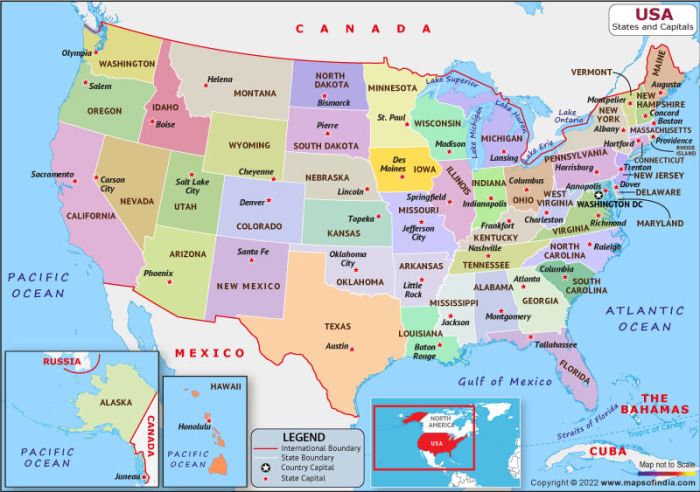
The legal and regulatory landscape surrounding Venezuelan oil transactions is complex and often contentious. Navigating these regulations is crucial for authorized buyers, particularly as licenses expire and new agreements are negotiated. Understanding the roles of international organizations, the challenges of license expiration, and the available legal remedies is essential for ensuring compliance and mitigating potential risks.
Summary of the Legal and Regulatory Framework
The legal framework governing Venezuelan oil transactions is multifaceted, involving national Venezuelan laws, international sanctions, and the regulations of various international organizations. This framework often includes export licenses, import permits, and specific agreements with international partners. These regulations are frequently subject to change due to evolving geopolitical circumstances. Importantly, the legal validity of contracts and licenses often depends on the specific jurisdiction and the application of applicable laws.
Roles of International Organizations and Institutions
International organizations and institutions play a crucial role in regulating these transactions. Organizations like the United Nations, the International Monetary Fund (IMF), and the World Bank may be involved, either directly or indirectly, through the enforcement of international sanctions or the provision of financial assistance. The involvement of these institutions in Venezuelan oil transactions is frequently linked to international sanctions and geopolitical considerations.
Legal Challenges and Complexities Surrounding License Expiration
License expiration presents significant legal challenges. The lack of clear processes for renewal, coupled with evolving sanctions and geopolitical dynamics, often leads to uncertainty. This uncertainty can make it difficult for authorized buyers to predict the long-term availability of oil, leading to difficulties in planning and resource allocation. Furthermore, the revocation of licenses or non-renewal may lead to significant financial losses for companies involved in these transactions.
The risk of non-compliance with sanctions and international regulations adds another layer of complexity.
Potential Legal Remedies Available to Authorized Buyers
Authorized buyers facing license expiration issues have several potential legal remedies. These include legal challenges to the revocation or non-renewal of licenses, claims for damages related to lost profits, and the potential for arbitration in international forums. The effectiveness of these remedies depends heavily on the specific circumstances of the case and the available legal precedents. In cases of sanctions violations, legal remedies may be limited due to the stringent nature of the sanctions regimes.
Enforcement Mechanisms for Compliance with Regulations
Enforcement mechanisms for compliance with Venezuelan oil regulations vary depending on the specific jurisdiction and the nature of the violation. National courts, international tribunals, and the application of sanctions by international organizations all play a role in enforcing compliance. Enforcement mechanisms can include fines, penalties, and in some cases, the seizure of assets. Furthermore, the application of sanctions can have a profound impact on the enforcement mechanisms available.
US authorized buyers of Venezuelan oil are completing transactions, but their licenses are expiring. This raises some interesting questions about future oil market dynamics, and potentially impacts the broader economic landscape. Meanwhile, public markets seem primed for a US IPO revival, despite tariff uncertainty, as NYSE President noted in a recent statement ( public markets primed us ipo revival despite tariff uncertainty nyse president ).
This could indirectly influence the oil market as well, potentially creating a ripple effect on the expiring licenses for US buyers.
Key Legal Aspects of the Licenses
| Aspect | Description |
|---|---|
| License Type | Different types of licenses may exist, each with specific conditions and restrictions. |
| Expiration Dates | Clear expiration dates are crucial for planning and managing transactions. |
| Renewal Processes | Processes for license renewal are often complex and subject to regulatory changes. |
| Sanction Compliance | Strict adherence to international sanctions is essential for avoiding legal repercussions. |
| Jurisdiction | The legal jurisdiction governing the license and transactions can significantly impact the available remedies. |
Alternative Scenarios and Future Projections
The expiration of Venezuelan oil transaction licenses presents a complex web of potential outcomes. These scenarios ripple through global energy markets, impacting oil prices, energy policies, and even the long-term trajectory of Venezuela’s economy. Understanding these possibilities is crucial for stakeholders worldwide.The uncertainty surrounding Venezuelan oil exports creates a volatile situation, with various factors influencing the ultimate outcome.
From the potential for increased production from other countries to the emergence of new energy technologies, the global energy landscape is constantly evolving, creating a dynamic backdrop for analyzing the future of Venezuelan oil.
Potential Alternative Scenarios for Venezuelan Oil Transactions
The expiration of licenses presents several possible scenarios for Venezuelan oil transactions. One scenario involves a complete halt in exports, leading to a supply shock in global markets. Another scenario envisions a gradual reduction in exports, causing a more moderate price increase. A third possibility involves a swift redirection of Venezuelan oil to alternative markets, potentially affecting existing trade relationships and market dynamics.
Projections for Oil Prices and Market Stability
The impact on oil prices is highly dependent on the specific scenario. A complete halt in Venezuelan exports could trigger a significant price increase, while a gradual reduction might result in a more moderate rise. Historical examples of supply disruptions, such as the 2022 OPEC+ production cuts, demonstrate the volatility that can be introduced into the market. Factors like global demand, alternative supply sources, and the response of OPEC+ producers will heavily influence the final price outcome.
Potential Impact on Global Energy Policies
The situation could pressure governments to reconsider their energy policies. A sudden increase in oil prices might accelerate the transition to renewable energy sources and increase investments in energy efficiency. On the other hand, the need for short-term energy security could lead to renewed focus on fossil fuel production. Governments will need to balance these competing priorities.
Potential Opportunities and Challenges for Alternative Energy Sources
The potential for a supply shock could accelerate the adoption of alternative energy sources. Increased investment in solar, wind, and other renewable energy technologies could become a significant opportunity. However, challenges such as infrastructure development, energy storage, and the transition period for businesses and consumers could pose significant obstacles.
Implications for Global Energy Security
The situation underscores the importance of global energy security. Countries heavily reliant on Venezuelan oil might face supply shortages and price volatility. This highlights the need for diversified energy sources and robust supply chains to mitigate risks and maintain energy stability.
Comparison of Alternative Scenarios
| Scenario | Oil Price Impact | Market Stability | Global Energy Policy Response |
|---|---|---|---|
| Complete Export Halt | Significant Price Increase | Low | Increased Investment in Renewables |
| Gradual Export Reduction | Moderate Price Increase | Moderate | Increased Focus on Energy Efficiency |
| Redirection to Alternative Markets | Moderate to High Price Increase, Depending on the Destination | Variable | Regional Impacts and Potential Trade Tensions |
Long-Term Consequences for Venezuela
The long-term consequences for Venezuela are substantial. A prolonged disruption in oil exports could negatively impact Venezuela’s economy, potentially leading to further economic hardship and political instability. Alternative revenue streams and diversification strategies will be crucial for Venezuela to mitigate the long-term economic effects.
Ultimate Conclusion: Us Authorized Buyers Venezuelan Oil Complete Transactions Licenses Expire

In conclusion, the expiration of licenses for US authorized buyers of Venezuelan oil presents a complex web of economic, political, and legal ramifications. The potential for market volatility, supply chain disruptions, and geopolitical tensions is undeniable. Alternative scenarios and future projections are crucial to navigating this dynamic situation and mitigating potential risks. The impact on global energy security will be significant.