WHO Director-General Concludes High-Level Jordan Visit Highlighting Humanitarian Leadership, Refugee Care, and Mental Health Initiatives

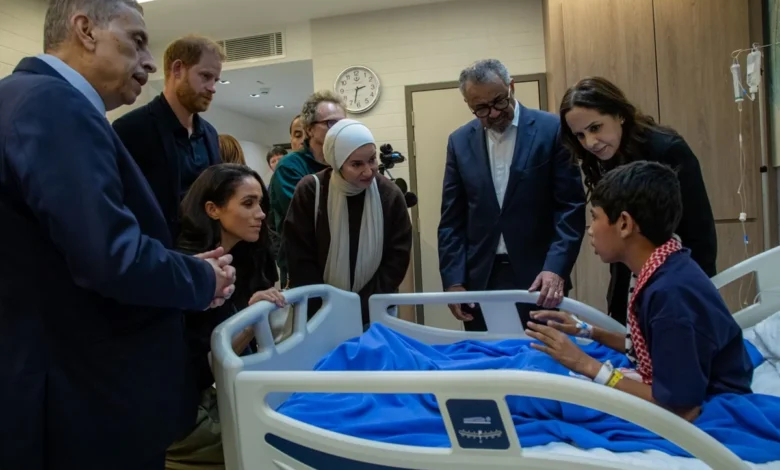
The Director-General of the World Health Organization (WHO), Dr Tedros Adhanom Ghebreyesus, has concluded the first day of a significant two-day State visit to the Hashemite Kingdom of Jordan. The diplomatic and health mission has served to underscore the robust, long-standing partnership between the global health agency and the Jordanian government across vital sectors, including universal health coverage (UHC), mental health integration, and humanitarian health action in a volatile region.
At the heart of the first day’s engagements was a high-level audience with His Majesty King Abdullah II. The meeting highlighted Jordan’s exemplary leadership in positioning health as both a national and international strategic priority. Discussions between Dr Tedros and King Abdullah II centered on reinforcing domestic health systems, broadening equitable access to primary and specialized care, and sustaining international support for emergency health responses across the Middle East. Particular emphasis was placed on the medical needs of the Palestinian population, patients medically evacuated from the Gaza Strip to Jordanian facilities, and the millions of refugees hosted within the Kingdom’s borders.
Expressing his profound gratitude, Dr Tedros lauded the Jordanian monarch for his steadfast dedication to achieving universal health coverage. He extended formal appreciation to both the King and the people of Jordan for their remarkable solidarity and humanitarian generosity in providing comprehensive health services to more than three million refugees—predominantly from Syria and Gaza—currently residing within the country.
Dr Tedros specifically commended Jordan’s broader humanitarian contributions, drawing particular attention to His Majesty’s pioneering Medical Corridor initiative. This vital operational pipeline has successfully delivered critical medical interventions and specialized care to critically ill and injured children evacuated directly from Gaza. Through these ongoing efforts, Jordan continues to demonstrate to the international community an unwavering commitment to placing humanitarian values and public health above all else.
On-the-Ground Inspections and Patient Engagements
As part of his rigorous itinerary, the WHO Director-General visited a specialized hospital supported by the organization that provides critical, multi-disciplinary care to children evacuated from the ongoing conflict in Gaza. During the hospital tour, Dr Tedros engaged directly with young patients, their families, and the frontline health professionals working tirelessly under immense pressure to deliver life-saving treatments for severe injuries, pediatric cancer, and other complex medical conditions.
This field visit served to underscore the indispensable nature of the medical evacuation corridor operating through Jordan. It simultaneously reinforced the urgent call for sustained, predictable international donor support to ensure that vulnerable children and other high-risk patients can successfully access the specialized care they desperately require.
In parallel with his clinical visits, Dr Tedros convened a high-level strategic roundtable with key international health partners, major donor governments, United Nations agencies, and prominent philanthropic organizations. The convening focused intensely on mobilizing and aligning financing priorities for strengthening Jordan’s domestic health architecture. It also addressed ongoing regional humanitarian health demands, notably the scaling up of integrated mental health services and the provision of adequate fiscal and logistical support to countries bearing the heavy socioeconomic responsibilities of hosting large refugee populations. The Director-General welcomed the robust collaboration demonstrated by international stakeholders and their continued willingness to invest in the resilience of Jordan’s health sector and the wider region.
Bilateral Talks and Universal Health Coverage
Furthering the diplomatic and technical agenda, Dr Tedros held substantive bilateral discussions with Jordan’s Minister of Health. These talks concentrated heavily on structural strategies to fortify Jordan’s health system and accelerate progress toward universal health coverage.
Jordan has consistently earned global recognition for its progressive primary health care model, which serves as a cornerstone for achieving UHC. A notable achievement in this regard is the successful integration of mental health services into routine primary care settings, ensuring that citizens and residents alike can access psychological support without encountering traditional stigmas or administrative barriers. The WHO has actively supported these structural reforms through the Director-General’s Special Initiative for Mental Health, providing technical expertise and policy frameworks to expand community-based care.
High-Profile Partnerships and Mental Health Advocacy
The first day of the State visit was marked by the notable presence of Prince Harry, Duke of Sussex, and Meghan, Duchess of Sussex, who accompanied the WHO Director-General during several key engagements. Operating in their capacities as the founders of Archewell Philanthropies and long-standing advocates for global public health, the Duke and Duchess have maintained a collaborative relationship with the WHO across multiple fronts. Archewell’s past support has spanned critical global initiatives, ranging from advocating for equitable access to COVID-19 vaccines to backing emergency medical evacuations and comprehensive mental health programs.
Prince Harry actively participated in the day’s events in his capacity as a prominent ally of the WHO’s mental health agenda. He emphasized the critical necessity of prioritizing mental health investments across all communities, with a specific focus on crisis-affected populations, men, youth, and children living through acute emergencies.
Reflecting on the collaboration, Dr Tedros stated that the commitment of partners such as the Duke and Duchess of Sussex has been instrumental in bringing much-needed visibility, financial resources, and hope to some of the world’s most marginalized and vulnerable populations. Their ongoing partnership directly supports the WHO’s overarching mission to attain health for all.
Echoing these sentiments, Prince Harry remarked that joining the WHO Director-General in Jordan offered a profound view of a nation leading by example through compassion, resilience, and systemic innovation. Having witnessed firsthand the impact of WHO’s emergency health operations and mental health programming, the Duke reaffirmed his and the Duchess’s deep dedication to reducing social stigma, raising public awareness, and expanding access to mental health services for individuals navigating conflict and displacement. He underscored that psychological well-being remains foundational to human dignity, community recovery, and long-term regional peace.
Anticipated Agenda for Day Two
The second day of the State visit is scheduled to feature a comprehensive series of engagements focused on specialized care, social development, and institutional resilience. Dr Tedros is slated to visit Jordan’s National Center for Rehabilitation of Addicts, a facility supported by the WHO that delivers integrated medical, psychological, and social intervention services.
Additionally, the Director-General will meet with grassroots community leaders and prominent women’s organizations, including representatives from the Jordanian Hashemite Fund for Human Development (JOHUD). His itinerary also includes a high-level visit to the renowned King Hussein Cancer Center to review advancements in oncology care and explore opportunities for expanded regional medical collaboration.
The multi-day State visit will officially draw to a close following further consultations with international partners dedicated to sustaining humanitarian logistics. These final meetings will reinforce Jordan’s pivotal status as an indispensable regional hub for medical evacuations, rapid emergency response, and the long-term resilience of public health systems across the Middle East.
Background Context and Regional Implications
The Hashemite Kingdom of Jordan has historically occupied a unique and challenging position at the geopolitical crossroads of the Middle East. Despite facing recurring economic pressures, resource scarcity, and severe geopolitical instability on multiple borders, the nation has maintained an open-door policy for refugees. According to official figures, Jordan currently hosts upwards of 1.3 million Syrian refugees, alongside hundreds of thousands of refugees of other nationalities, including Palestinians and Iraqis. This demographic reality places an extraordinary burden on public infrastructure, particularly the national healthcare grid, water management systems, and educational facilities.
The WHO has long maintained a strategic operational presence in Jordan, viewing the country not merely as a recipient of humanitarian aid, but as an active partner in public health innovation. Jordan’s pioneering integration of mental health into primary health care serves as a replicable blueprint for low- and middle-income countries globally. Furthermore, the establishment of specialized medical evacuation corridors—facilitating the transfer of critically wounded or ill patients from active conflict zones such as Gaza into Jordanian hospitals—highlights the Kingdom’s operational capacity and moral authority in humanitarian diplomacy.
Public health analysts note that visits of this magnitude carry critical implications for international burden-sharing. As donor fatigue threatens funding streams for protracted refugee crises worldwide, high-profile advocacy by global health leaders and prominent philanthropists helps to refocus donor attention on the acute vulnerabilities of host nations. By spotlighting Jordan’s dual success in maintaining high standards of primary health care while absorbing unprecedented regional shocks, the WHO aims to catalyze increased multilateral financial commitments. These resources are viewed as vital not only for maintaining immediate life-saving operations, but also for insulating regional health systems against future epidemiological and geopolitical emergencies.