
Trump asks us supreme court intervene deportations third countries, igniting a complex debate about immigration policy and the executive branch’s authority. This issue dives deep into the historical precedents surrounding deportations, examining the legal arguments both for and against intervention. Potential impacts on individuals, the legal framework, and international relations are all meticulously analyzed. The political context, including public opinion and the roles of political parties, is also explored, highlighting the intricate web of factors influencing this crucial discussion.
The historical context reveals how deportation policies have evolved over time. Legal precedents and past court rulings set the stage for understanding the current situation. We’ll delve into the constitutional arguments, exploring the relevant provisions and potential challenges to the executive branch’s authority. This analysis examines the possible ramifications of a Supreme Court decision on various groups, from those facing deportation to the broader implications for immigration law and international relations.
Historical Context of Deportations
The ongoing debate surrounding deportations to third countries, particularly the potential Supreme Court intervention, necessitates a review of historical deportation policies in the United States. Understanding past executive actions, judicial decisions, and legal precedents offers valuable context for evaluating the current situation and its potential ramifications. This exploration will analyze the evolution of deportation practices, the role of the Supreme Court, and the influence of key figures and organizations in shaping immigration law.The history of immigration and deportation in the U.S.
is marked by periods of strict enforcement and periods of relative leniency. Often, these shifts are driven by economic factors, social anxieties, and political considerations. The current political climate, characterized by specific concerns and anxieties, shares similarities with previous eras while also possessing unique characteristics. Understanding this history is crucial for comprehending the potential implications of the current situation and the potential role of the Supreme Court.
Historical Overview of Deportation Policies
U.S. deportation policies have a long and complex history, frequently reflecting societal attitudes towards immigrants. Early policies often focused on individuals deemed undesirable based on their nationality or perceived threat to national security. These policies have evolved significantly over time, influenced by factors such as economic conditions, social movements, and changes in international relations.
Executive Actions and Judicial Intervention
Executive actions related to immigration and deportations have frequently prompted judicial intervention. Cases involving the enforcement of immigration laws and the process of deportations to third countries have consistently reached the courts, raising crucial legal questions about the scope of executive power and the rights of individuals facing deportation. The Supreme Court’s role in shaping immigration law is substantial, as its rulings establish legal precedents that influence future cases and executive actions.
Legal Precedents and Arguments, Trump asks us supreme court intervene deportations third countries
Legal precedents established in previous deportation cases provide a framework for understanding the arguments likely to be presented in the current situation. Cases have often revolved around issues such as due process, the rights of individuals facing deportation, and the authority of the executive branch to implement deportation policies. The arguments used in these cases have frequently centered on the interpretation of statutes, treaties, and constitutional provisions.
Trump’s request for the Supreme Court to intervene in deportations to third countries is certainly a hot topic. Meanwhile, Nissan’s recent offer of buyouts to US workers, halting global pay rises as revealed in internal emails (check out the details here ), raises questions about the current economic climate. These corporate decisions, though seemingly unrelated, likely reflect broader anxieties about the future and the potential impact on the workforce, potentially influencing the legal battles surrounding deportations.
Understanding these precedents is essential for analyzing the current situation and predicting potential outcomes.
Supreme Court’s Role in Shaping Immigration Law
The Supreme Court plays a crucial role in defining the parameters of immigration law and policy. Its decisions on cases involving deportations, including those to third countries, set precedents that influence executive actions and administrative procedures. The Court’s interpretation of statutes and constitutional provisions concerning immigration often shapes the practical application of deportation policies.
Key Figures and Organizations
Various individuals and organizations have significantly influenced deportation policies throughout history. These include government officials, legal scholars, advocacy groups, and civil rights organizations. Their actions, strategies, and perspectives have shaped the development of immigration law and policy, sometimes leading to significant shifts in deportations practices.
Table of Executive Actions and Court Decisions
| Year | Executive Action | Court’s Decision | Impact on Deportation Practices |
|---|---|---|---|
| 1924 | Immigration Act of 1924 | Supreme Court upheld the act’s constitutionality | Implemented quotas and restrictions on immigration based on nationality |
| 1952 | Immigration and Nationality Act | Supreme Court upheld key provisions | Established a more comprehensive system for immigration and deportation |
| 2018 | Trump Administration’s policies on asylum and border security | Mixed outcomes in court challenges | Generated significant legal and political debate, impacting specific aspects of deportation procedures |
Legal Arguments for Intervention
The Supreme Court’s potential intervention in the matter of deportations to third countries presents a complex legal landscape. The executive branch’s authority in immigration matters, while significant, is not absolute. Legal challenges, rooted in constitutional principles, could lead to significant limitations on the scope of these deportations. Scrutiny from the judiciary is crucial to ensuring due process and upholding the balance of power between the branches of government.This analysis delves into the potential legal arguments for and against Supreme Court intervention, examining constitutional provisions, precedents, and the interplay between the executive and judicial branches in this sensitive area of law.
Constitutional Provisions Relevant to Deportations
The Constitution Artikels the powers of each branch of government, including the executive’s role in immigration and the judiciary’s power of judicial review. The relevant constitutional provisions often intersect, creating a delicate balance. The Immigration and Nationality Act, a crucial piece of legislation, further defines the procedures and powers related to deportations. Understanding these provisions is essential to evaluating the potential legal arguments.
Arguments for Supreme Court Intervention
A range of legal arguments could support Supreme Court intervention in this case. These arguments center around the potential violation of constitutional rights and the appropriate balance of power among the branches of government.
- Due Process: Arguments challenging the procedures used in deportations to third countries could hinge on the violation of due process rights, specifically the right to a fair hearing and the opportunity to present a defense. Failure to provide adequate legal representation or translation services, or denial of access to evidence, could be grounds for intervention. This argument aligns with established legal precedents that protect individuals from arbitrary actions by the government.
- Equal Protection: Discriminatory application of deportation policies, potentially targeting specific groups based on race, religion, or national origin, could be challenged on equal protection grounds. Historical patterns of discrimination in immigration enforcement, alongside potential biases in the implementation of deportation policies, could be a focal point of these arguments. Cases involving similar discrimination in other areas of law provide relevant precedents.
- Separation of Powers: Concerns about the executive branch overstepping its authority, particularly in the context of deportation policies, might be raised. Arguments about the judiciary’s role in reviewing the constitutionality of executive actions and maintaining a balance of power are central to this contention. The judiciary’s ability to review executive actions in areas like immigration is well-established, stemming from the principle of judicial review.
Potential Legal Challenges to Executive Authority
Potential legal challenges to the executive branch’s authority in this area might center on the adequacy of procedures, the potential for harm to individuals in third countries, and the lack of transparency in the decision-making process. Questions regarding the ethical implications of deporting individuals to countries with potentially unsafe conditions could also arise.
Examples of Similar Legal Challenges and Court Rulings
Numerous cases throughout history have addressed the executive branch’s authority in immigration and deportation matters. These cases, often concerning procedural fairness, equal protection, or the separation of powers, offer crucial insights into the potential arguments and precedents that could be cited in the current situation. Reviewing past court decisions concerning immigration rights and deportation processes provides a valuable historical context for evaluating potential legal arguments.
Potential Legal Arguments for Intervention (Table)
| Argument | Supporting Precedent | Potential Counterarguments |
|---|---|---|
| Violation of Due Process | Mathews v. Eldridge (regarding social security benefits) | Argument that existing procedures are adequate. |
| Discriminatory Application of Deportation Policies | Loving v. Virginia (regarding anti-miscegenation laws) | Argument that policies are neutral and apply to all. |
| Separation of Powers Concerns | Marbury v. Madison (establishing judicial review) | Argument that the executive branch has broad authority in immigration. |
Potential Impacts of Intervention
The Supreme Court’s potential intervention in the Trump administration’s deportation policy towards third countries carries significant implications across various sectors. A decision could reshape the legal landscape of immigration, affect individual fates, and potentially strain international relations. Understanding these multifaceted impacts is crucial for evaluating the potential consequences of such a landmark ruling.
Ramifications on the Legal Framework Governing Immigration
A Supreme Court decision on deportations to third countries could significantly alter the existing legal framework governing immigration. The court’s interpretation of existing laws and precedents will set a new standard for future cases, potentially creating ambiguities and inconsistencies. This new precedent could affect not only deportations but also other aspects of immigration law, such as asylum procedures and visa regulations.
Trump’s request for the Supreme Court to intervene in deportations to third countries raises some eyebrows, especially given recent news about the Kennedy’s ouster of US vaccine advisors, which puts pharma ties under scrutiny. This highlights a troubling pattern of political maneuvering, potentially influenced by lobbying and vested interests, like those in the pharmaceutical industry. The Supreme Court’s involvement in immigration issues is a complex matter, and it’s vital to consider these connections, perhaps influenced by similar agendas as those highlighted in kennedys ouster us vaccine advisers puts pharma ties under scrutiny.
Ultimately, the legitimacy of Trump’s request for Supreme Court intervention in deportations to third countries needs thorough examination.
For example, if the court rules in favor of the Trump administration, it might lead to more aggressive deportation policies, while a ruling against could limit the executive branch’s ability to unilaterally implement such policies. The implications for the balance of power between the executive and judicial branches in immigration matters are substantial.
Impact on Individuals Facing Deportation
The potential ramifications for individuals facing deportation are profound. A Supreme Court ruling could either protect their rights or expose them to harsher conditions. Individuals facing deportation to third countries could be granted protection or be subjected to increased risks and vulnerabilities in their new locations. The court’s decision could determine whether these individuals will be able to maintain contact with their families or access legal assistance.
The consequences for those awaiting decisions could involve prolonged uncertainty and potential trauma.
Effects on International Relations
A Supreme Court decision on deportations to third countries could have substantial implications for international relations. The ruling could negatively affect the relationship between the United States and countries receiving deported individuals. For instance, countries that are reluctant to accept these individuals might view the decision as a burden or a violation of their sovereignty. The decision could also impact the U.S.’s standing on the global stage and its reputation as a nation that upholds international human rights standards.
Potential Social and Economic Consequences
The social and economic consequences of a Supreme Court ruling on deportations to third countries could be significant. The decision might lead to an increase in social unrest or tensions in the receiving countries, potentially impacting the stability of those nations. The economic ramifications could involve costs associated with supporting deported individuals in third countries. A court ruling that favors the Trump administration might increase the costs and challenges associated with deportations to third countries, possibly creating an influx of individuals in need of support in the destination countries.
Comparison of Impacts of Different Potential Court Rulings
Different potential court rulings could lead to drastically different outcomes. A ruling in favor of the Trump administration could lead to more deportations to third countries, potentially impacting international relations and straining resources in those countries. Conversely, a ruling against the administration might lead to fewer deportations but could challenge the executive branch’s authority in immigration matters. These differing outcomes will have significant implications for the affected individuals and the overall immigration system.
Consequences for the Executive Branch’s Authority
A Supreme Court ruling on deportations to third countries will significantly impact the executive branch’s authority in immigration matters. The ruling could limit the executive branch’s ability to unilaterally implement policies or set precedents for future decisions. A favorable ruling for the Trump administration could strengthen the executive branch’s ability to carry out such policies. Conversely, an unfavorable ruling could constrain the executive branch’s authority in this area.
Potential Impacts Summary Table
| Affected Group | Potential Impact of Favorable Ruling | Potential Impact of Unfavorable Ruling |
|---|---|---|
| Individuals Facing Deportation | Increased risk, potential harm in third country | Protection of rights, potential for legal recourse |
| Third Countries | Increased burden, potential social unrest | Reduced burden, potential for diplomatic tensions |
| Executive Branch | Increased authority in immigration matters | Decreased authority in immigration matters |
| International Relations | Strain on relationships with receiving countries | Potential for diplomatic tensions or positive outcomes |
Public Opinion and Political Context
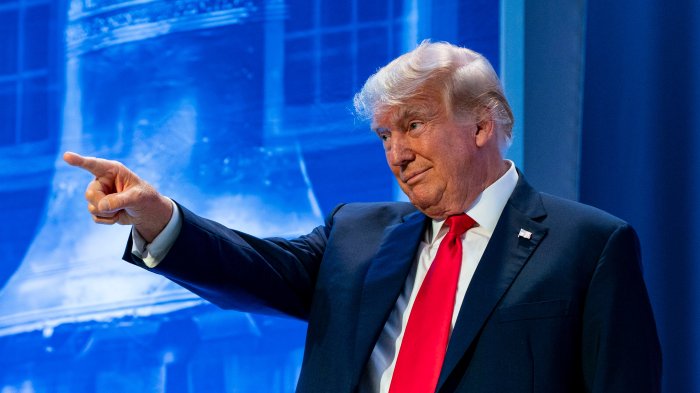
Trump’s push for deporting undocumented immigrants to third countries ignited a firestorm of public debate, reflecting deep divisions within American society. The proposed policy was met with strong opposition from immigrant rights advocates and some segments of the public, while others supported the administration’s stance, often citing national security or border control concerns. This complex issue was deeply entangled in political maneuvering and had significant implications for future immigration policy.The debate surrounding deportations to third countries was not simply about the legality or practicality of the measure, but also involved deeply held beliefs about national identity, economic impacts, and the role of government.
Political considerations played a significant part in shaping public opinion, with differing views and interpretations of the issue often aligning with pre-existing political affiliations. The potential for a Supreme Court intervention added another layer of complexity, amplifying the political and social tensions already present.
Public Discourse Surrounding Trump’s Stance
The public discourse surrounding Trump’s stance was highly polarized. News outlets, social media platforms, and public forums were flooded with opinions and arguments from various viewpoints. Advocates for the policy frequently emphasized the need for border security and the potential economic benefits of reducing undocumented immigration. Conversely, opponents focused on humanitarian concerns, the potential harm to families, and the economic contributions of immigrants.
Political Considerations Influencing the Debate
Several political considerations influenced the debate surrounding deportations. These included concerns about national security, economic impacts, and the ethical implications of the proposed policy. The political parties held differing views, with one side emphasizing the importance of strict immigration enforcement and the other highlighting the need for compassionate and humane immigration policies. Interest groups played a crucial role in shaping public opinion, lobbying politicians and engaging in public awareness campaigns.
Potential Political Ramifications of a Supreme Court Ruling
A Supreme Court ruling on deportations to third countries could have significant political ramifications. A ruling in favor of the administration could lead to increased support for the president from his base, but it could also alienate potential allies and invite criticism from international bodies and human rights organizations. Conversely, a ruling against the administration could strengthen the hand of immigration advocates and lead to shifts in public opinion and political alignments.
Historical precedent, such as similar court cases, could be referenced and analyzed to predict potential political reactions.
Analysis of Public Opinion and Political Context Surrounding Immigration Policy
Public opinion on immigration policy is highly complex and multifaceted, influenced by factors such as economic conditions, cultural anxieties, and the perception of national security threats. The economic impact of immigration, including both positive and negative effects, often features prominently in public discourse. Public perceptions of immigration can be shaped by media coverage, personal experiences, and interactions with immigrant communities.
Political leaders frequently use immigration as a campaign issue, appealing to various segments of the population with differing viewpoints.
Role of Political Parties and Interest Groups
Political parties and interest groups played significant roles in shaping public opinion on immigration. For example, certain political parties tend to favor stricter immigration policies, while others prioritize the integration of immigrants into society. Interest groups, such as labor unions and business organizations, often advocate for policies that benefit their members’ interests, which can influence their views on immigration.
Trump’s request for the Supreme Court to intervene in deportations to third countries is certainly a hot topic. Meanwhile, the Trump administration’s recent cancellation of a $3 billion loan to Sunnova Energy, as reported in this Bloomberg news article , highlights a pattern of seemingly arbitrary decisions. It’s fascinating to consider how these seemingly disparate actions might ultimately intersect, potentially impacting the overall legal landscape regarding immigration and business practices.
Public opinion polls and surveys can provide valuable insights into the influence of political parties and interest groups.
Potential Sources of Information on Public Opinion and Political Discourse
Public opinion polls, news articles, social media analysis, academic research, and government reports are potential sources of information on public opinion and political discourse regarding immigration policy. The credibility and biases of different sources should be carefully considered. Tracking changes in public opinion over time provides valuable context for understanding shifts in political alignments.
Summary of Political Viewpoints
| Political Viewpoint | Key Arguments | Potential Motivations |
|---|---|---|
| Pro-Deportation | Strict border control, national security, potential economic benefits | Fear of undocumented immigration, protectionist economic policies |
| Anti-Deportation | Humanitarian concerns, family separation, economic contributions of immigrants | Support for immigrant rights, belief in a more inclusive society |
| Neutral/Moderate | Balanced approach, consideration of both sides, seeking compromise | Desire for a solution that addresses concerns from all perspectives |
Illustrative Cases and Scenarios
The Supreme Court’s potential intervention in deportation cases involving third countries raises crucial questions about the balance of power between the executive and judicial branches. Understanding how such interventions might unfold requires examining specific scenarios and considering the precedents set by past cases. The potential impact on individuals, families, and the legal framework is significant and warrants careful consideration.
Hypothetical Scenario: The Case of “Alireza”
This hypothetical scenario focuses on a case involving a specific group or individual facing deportation to a country where they face potential persecution. Alireza, a political activist from Iran, was granted asylum in the United States. However, the executive branch initiated deportation proceedings arguing that his asylum claim was fraudulent. The Supreme Court, after reviewing the case, recognizes the potential for human rights violations in Iran for individuals with Alireza’s background.
They uphold the lower court’s decision and grant a stay of deportation, ordering a comprehensive review of Alireza’s case based on the international human rights agreements the U.S. has ratified.
Supreme Court Intervention: Upholding or Rejecting Executive Actions
The Supreme Court’s decision in Alireza’s case, upholding the lower court’s decision, highlights a situation where the Court weighs the executive branch’s actions against international human rights obligations and the legal framework established by prior asylum cases. Conversely, a hypothetical rejection of the lower court’s decision might demonstrate the Court’s deference to the executive branch’s discretion in matters of national security or immigration policy.
Such a ruling could potentially have a far-reaching impact on similar cases involving individuals seeking asylum or facing deportation to countries with documented human rights abuses.
Impact on the Individual and Group
In the Alireza case, the Supreme Court’s intervention has significant consequences. Alireza, and potentially others in similar situations, might be afforded a chance to remain in the U.S. and rebuild their lives, safe from the threat of persecution. The intervention safeguards the individual’s right to due process and protection from potential harm. If the Court rejects the lower court’s decision, the individual and their family face immediate deportation, potentially to a dangerous situation, and the court’s action could send a message to other asylum seekers that their claims will be less likely to be heard.
Impact on the Legal Framework
The Court’s decision in Alireza’s case establishes a precedent for future cases involving deportation to countries with human rights concerns. The Court’s action might encourage a more nuanced approach to assessing the risk of persecution and promote adherence to international human rights obligations. Conversely, a rejection of the lower court’s decision could strengthen the executive branch’s authority in deportation proceedings, potentially limiting the scope of judicial review.
Illustrative Past Cases
“The Supreme Court has a long history of intervening in immigration cases, balancing national security concerns with individual rights.”
Relevant past cases include those dealing with asylum claims, the interpretation of immigration laws, and the scope of executive power in deportation matters. Cases like
- Zadvydas v. Davis* (2001) and
- Matter of Meza* (1987) address the limitations of executive authority in detention, which is a factor in deportation procedures. Examining these cases can provide a clearer understanding of how the Supreme Court might approach the current issues.
Hypothetical Case Scenario
| Party | Arguments | Potential Outcomes |
|---|---|---|
| Alireza (Applicant) | Violation of international human rights; Fraudulent claim; Risk of persecution | Court upholds lower court decision, grants stay of deportation. |
| Executive Branch | National security concerns; Fraudulent claim; Expediency of deporting individuals to third countries | Court rejects lower court decision, upholds executive actions |
Final Wrap-Up: Trump Asks Us Supreme Court Intervene Deportations Third Countries
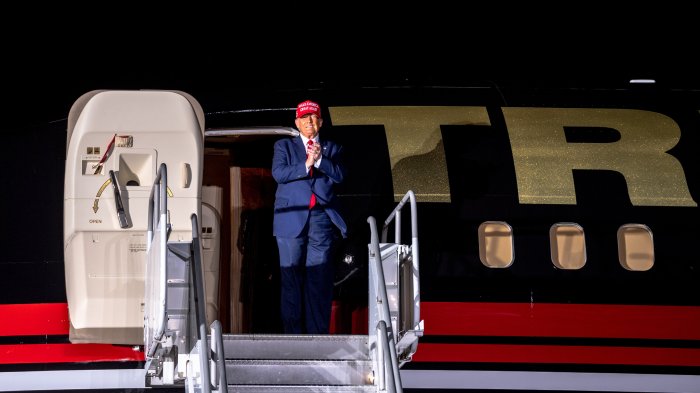
Ultimately, Trump’s request for Supreme Court intervention in deportations to third countries presents a multifaceted challenge with far-reaching consequences. The historical context, legal arguments, potential impacts, and political considerations all contribute to a nuanced understanding of this critical issue. This exploration highlights the complex interplay between executive power, judicial review, and the often-conflicting interests of various stakeholders. The outcome will undoubtedly shape the future of immigration policy in the United States.